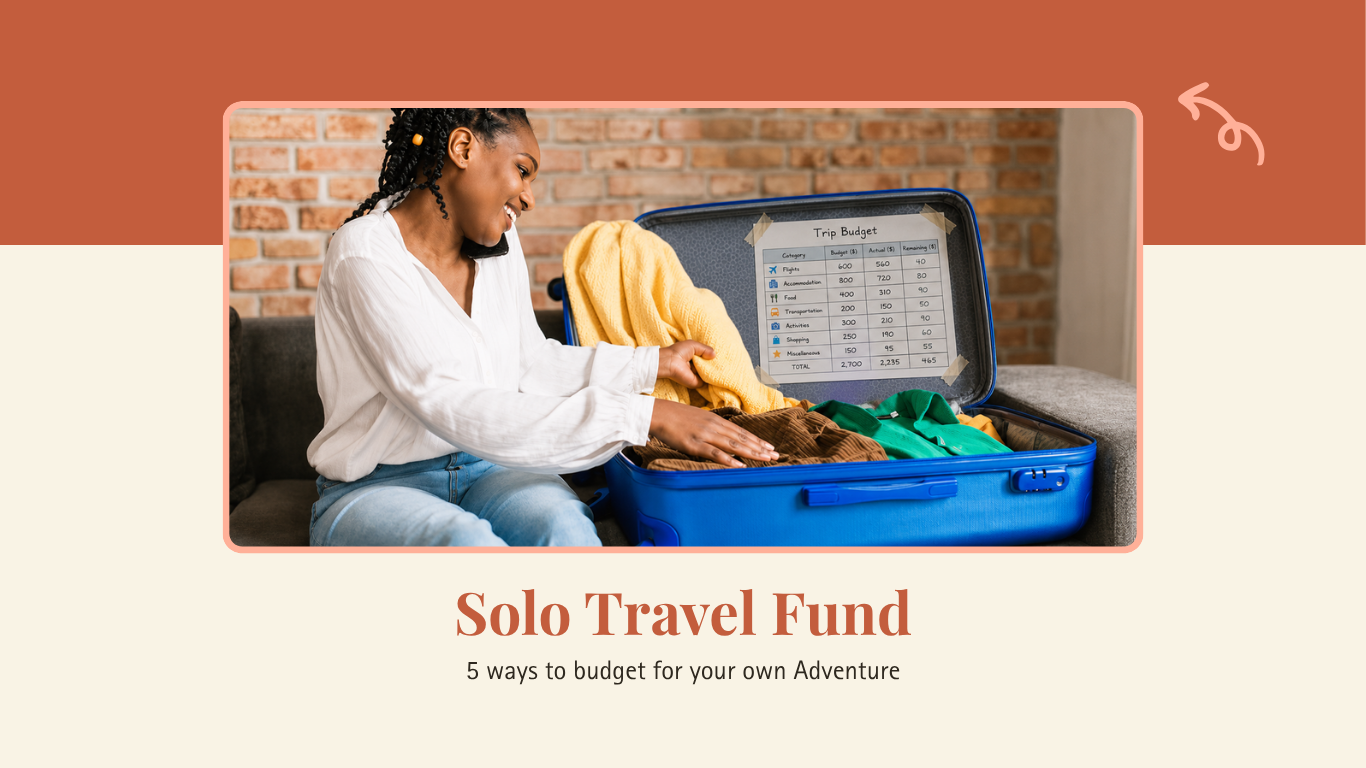
Traveling alone can be deeply rewarding, but knowing how to budget for solo traveling is essential if you want a smooth and stress-free experience. The smartest way is to start with a clear financial plan. When you budget for solo travel early, you avoid last-minute financial pressure and gain more freedom to enjoy your journey.
Think about transportation, accommodations, daily expenses, and emergency funds, then break them into emergency savings funds. With today’s digital tools, flexible side hustles and automatic savings options are available. This guide shares five actionable strategies to help you save efficiently, spend wisely, and travel comfortably without compromising your financial stability.
Why Budgeting for Solo Travels Matters
Image: Unsplash
Budgeting for solo traveling savings is essential because it gives you full financial control and peace of mind throughout your journey. When you plan your expenses, you reduce the risk of overspending or relying on debts, allowing you to enjoy your trip without constant financial stress. A clear budget helps you prioritize what matters most, whether accommodation, food, or unique experiences, so your money aligns with your travel goals.
According to the World Tourism Organization, financial preparedness is a key factor influencing positive travel experiences, particularly for independent travelers. Without a plan, solo travelers may face unexpected costs that may disrupt or force an early return from the journey. Ultimately, having a well-structured travel budget empowers you to explore confidently. You can make informed choices and get things you want while exploring, knowing your finances are under control.
Planning for Unexpected Expenses
No matter how carefully you plan, unexpected expenses are almost inevitable while traveling solo. From medical emergencies to lost belongings or sudden itineraries, these situations can quickly become overwhelming without financial preparation. Having emergency funds is one of the most effective ways to maintain financial stability during unforeseen circumstances. This advice directly applies to travel, where unfamiliar environments can increase the likelihood of unexpected costs. Including contingencies in your budget, such as extra funds for transportation, accommodations, and health care, helps you stay flexible and resilient. It also prevents you from relying on high-interest credit options or cutting your trip short.
By planning, you ensure that surprising events or emergencies don’t stop your expenses from being a part of it.
Maximizing the Travel Experience
Budgeting doesn’t limit your travel experiences but enhances it. When you budget your money, you can focus on meaningful activities rather than worrying about overspending. A clear budget allows you to invest in the most important experiences, such as tours, cultural events, and so on.
Research from the Global Business Travel Association shows that travelers who plan their travels end up having the best trip experience. Instead of constantly calculating points, you can immerse yourself in the destination and focus on enjoying yourself and the trip. Budgeting helps strike a balance between saving and spending. You can recognize areas to cut costs while having fun. This intentional approach ensures that your trip is both fulfilling and financially stable.
5 Ways to Budget for Solo Travel
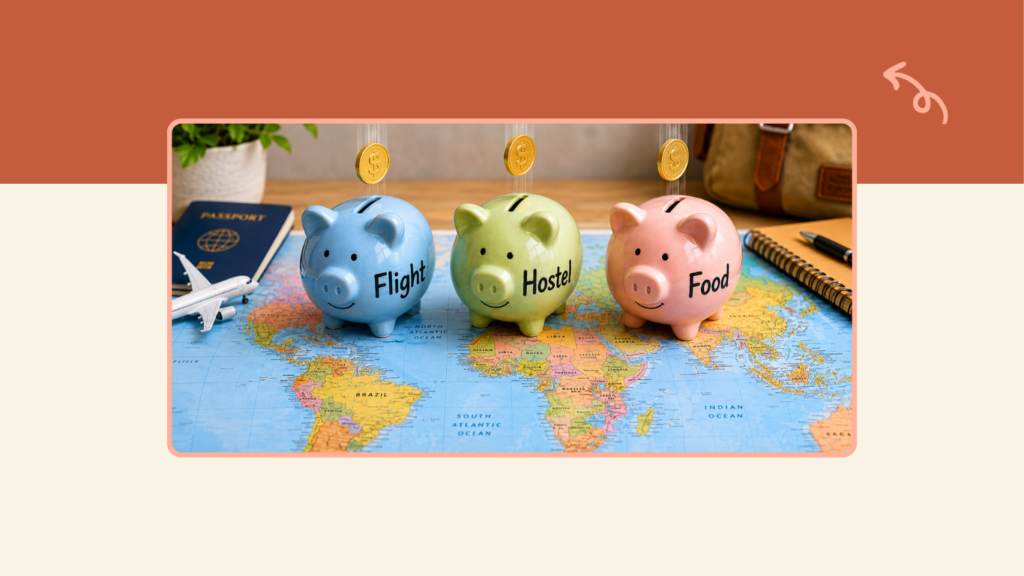
Create a Dedicated Travel Fund
Creating a separate travel fund is one of the effective ways to stay consistent as you make budgets for your travel. This could be a simple cash jar or a dedicated savings account, but you can choose which method works best for you. The goal is to keep your travel money separate from your daily savings so you are not tempted to spend it. You can put money into it on a daily or monthly basis, and even if the amount is small, it will add up over time. Treat travel funds as non-negotiable expenses, just like rent or bills.
Track and Reduce Unnecessary Spending
Before you can save more, you need to understand where your money is going. Track your daily expenses for a few weeks and discover where your money is going, and start cutting back. This might include reducing purchase impulse, eating out often, or even cancelling unused subscriptions. Redirect your savings directly to your travel funds. Little sacrifice from your savings can quickly accumulate into meaningful travel spending over time.
Use the 50/30/20 Rule
The 50/30/30 rule is a simple and practical way to structure your money. Allocate 50% of your money to needs, 30% to wants, and 20% to savings. If travel is a priority, you can adjust your wants category and channel a portion of it to your travel fund. This method ensures you are saving consistently while maintaining a balanced lifestyle.
Explore Side Hustles or Passive Income
Boosting your income will significantly lead to increased funds in your travel savings. Consider taking a side hustle like working online, selling products online, freelancing, etc. Passive income options like digital products, affiliate marketing, or small investments matter over time. Even a modest extra income stream can make a big difference while dedicated solely to travel goals.
Plan and Research Costs in Advance
There’s this saying, “Failure to plan is planning to fail.” A well-researched plan helps you to avoid unnecessary spending during your trip. Look into food, accommodations, and activities before the trip to estimate cost. Use price comparison tools and identify budget-friendly options to be able to decide on what’s best for you.
Having a clear financial picture allows you to set realistic savings targets and prevents unnecessary spending while traveling.
Tools and Resources for Travel Budgeting
Using budgeting apps and simple spreadsheets can make it much easier to manage your finances as you plan for a trip. These tools help you track your income, monitor daily expenses, and set clear savings goals for your travel fund.
Many apps also send reminders and spending insights, which keep you accountable. According to NerdWallet, digital budgeting tools improve financial awareness and help users stay consistent with savings habits. Apps like YNAB (You Need A Budget) are some of the most common and used budget apps in the finance sector.
Travel Rewards and Cashback Programs
The travel rewards program and cashback significantly stretch the travel budget. According to Forbes, strategic use of rewards programs can help travelers save a substantial amount of money. Using a credit or debit card that offers points or cash back on purchases, you can help reduce costs on flights, accommodations, or even daily expenses. The key is to use it responsibly while maximizing benefits.
Community and Online Resources
Online communities, travel blogs, and social media platforms are the best places to find real-life tips and cost-saving tips. According to TripAdvisor, user generated content often provides practical insights that help travelers plan more cost-effective trips. You can learn from other solo travelers about affordable, budget accommodations and also hidden tips. Platforms like Reddit and Pinterest host discussions and survival skills that can inspire smarter budgeting travels.
Staying Motivated to Save

According to the American Psychological Association (APA), setting specific and time-bound goals improves commitment and increases likelihood of success. Having a clear vision keeps you focused when saving for a trip.
Decide where you want to go, how much you need, and set a realistic deadline. Break your goal into smaller milestones; this makes the process less overwhelming and more achievable.Visual tools like vision boards or travel countdowns can also keep your motivation high and make it easier to save for your trip.
Celebrate Small Wins
Saving for travel 2026 doesn’t have to feel restrictive. Reward yourself when you hit key milestones, such as saving your first 10% or reaching half of your target. These rewards don’t need to be expensive; simple treats or experiences reinforce positive habits
Involve Family and Friends
Sharing your goals with family members and friends can keep you accountable. You can save together and give each other updates on the money. Having someone to encourage you and check in on your habits can make a difference; social support plays a key role in maintaining discipline and achieving personal travel goals.
Common Pitfalls and How to Avoid Them
They include the following;
Procrastinating Savings
Delaying your savings plan can make it harder to reach your travel goal. Start as early as possible, even if you only set aside some amount of money. Consistency matters more than size in the beginning; starting early allows savings to grow steadily and reduces financial pressure over time.
Underestimating Travel Costs
Many travelers make the mistake of only budgeting for major expenses like flights and accommodations while ignoring small expenses like local transport, meals, and entrance fees. Always research thoroughly and add a buffer for unexpected expenses. According to the World Tourism Organization, accurate cost planning is essential for sustainable and stress-free travel.
Overspending During the Trip
According to the Consumer Financial Protection Bureau, tracking expenses and setting limits are key strategies for maintaining financial control. It’s easy to overspend when you are caught up in the excitement of travel. Avoid this by setting a daily spending limit and tracking your expenses in real time. Carry a mix of payment options and stick to your pre-planned budget, including an emergency fund.
Wrapping up, learning how to make a proper budget for solo travel empowers women to explore the world with confidence while staying financially secure. By creating a dedicated travel fund, reducing unnecessary expenses, and using practical savings strategies, it becomes easier to turn dream travels to reality. With the right plan and discipline, solo adventures in 2026 can be both fulfilling and financially stable.
FAQs
How do I budget for solo travel on a small salary?
Start by tracking expenses, cutting impulse purchases and saving a fixed amount of money for your travel fund. Even small, consistent savings grow over time and can cover your travel expenses.
What are the best ways to save for a solo trip?
Use a dedicated savings account, automate deposits, reduce daily spendings, and take advantage of budgeting tools or cash back rewards to boost your travel fund.
Can side hustles help fund travel?
Yes. Side hustle can provide extra income specifically for travel. Freelancing, online sales or digital services can significantly increase your savings without affecting your main income.
How much should I allocate monthly to a travel fund?
Use at least 10-20% of your income, depending on your expenses and timeline. Adjust based on your travel goals and financial situation.
Are there tools to track travel savings effectively?
Yes. Budgeting apps and spreadsheets can help you monitor income, expenses and savings progress, making it easier to stay on track and reach your travel goals.

Staff writer at Women Digest covering beauty, fashion, wellness and life.