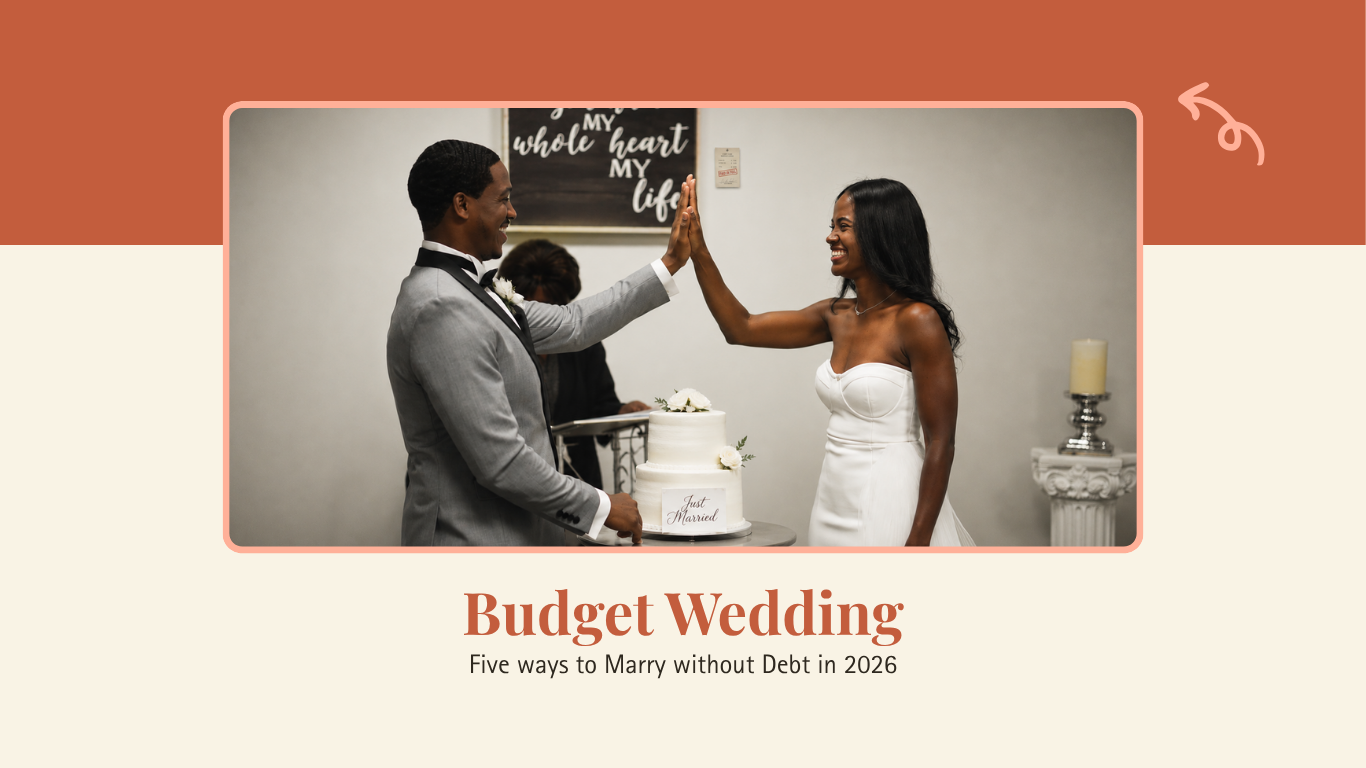
A budget wedding doesn’t mean a wedding without refreshments, beautiful scenery, or happiness. It’s about cutting corners and making intentional choices while protecting your finances and creating a beautiful and meaningful celebration.
Extravagance does not necessarily guarantee a great wedding. From a basic guest list to creative venue locations, it’s entirely possible to create a day that’s special and deeply personal for them. This guide shares five realistic ways to plan a fantastic wedding without breaking the bank.
Why Wedding Debts Are Common
Wedding debts are common because people try to satisfy community and societal expectations.
Social Expectations Around Weddings
Social expectations at weddings can be overwhelming, especially if they are rooted in tradition or culture. Most cultures place a high value on big, fancy celebrations. This adds pressure to plan a large wedding to accommodate everyone, invite extended networks, and meet unspoken standards. Social media, like Instagram or TikTok, can also have an effect, and the couple starts to make quick changes that may go beyond what they had already planned and budgeted for.
It’s true that social pressure exists, but it shouldn’t dictate what you do on your special day. You should enjoy your marriage and not put yourself through long-term financial and emotional stress.
The Emotional Spending Trap
This is one of the foremost challenges couples experience while planning their wedding. It happens when decisions are driven more by feelings rather than by budget or long-term financial decisions.
Weddings are full of excitement and emotion; in a moment, something may appear too important to miss, resulting in unplanned spending. Curated wedding highlights on social media can make yours appear less impressive. This pressure eventually leads to getting what wasn’t even in the original plan.
Another issue is emotional exhaustion; wedding planning is stressful, and you may agree to do anything to get it done.
Our emotions are important, but they should not dictate our choices. When you plan with purpose rather than impulsiveness, you are more likely to have a successful wedding with no financial regrets.
Long-term Financial Consequences
Starting marriage with unnecessary debt is one of the overlooked disadvantages of spending a lot on a wedding day.
Data from wedding reports consistently shows that many couples dip heavily into their savings or take on debt to fund their wedding. These debts make it harder to reach important goals like buying a house, starting a business, or even having money for emergencies.
There are emotional repercussions, too. Financial strain is a significant cause of conflict, and before you know it, disputes over priorities for spending will arise.
The strength of a marriage is determined not by the amount spent on the wedding day, but by how couples manage their lives together.
A smart woman manages money in the most consistent way with her values, not to please others.
Defining a Realistic Wedding Budget

This starts with being clear about what’s in the budget and what’s not. It starts with figuring out what’s important to you as a couple and putting your money there.
Identifying Non-Negotiables
Before deciding on what to get and what not to, identify the elements that you aren’t willing to compromise on. This is known as the non-negotiables; they are needed effectively for the wedding to be fully complete physically and emotionally.
Separating Traditional From Personal Value
Planning is essential because not all traditional values will align with your own values and budget. Avoiding unnecessary traditional practices will allow you to fully enjoy your special day without feeling left out.
Allocating Spending Categories
Once your budget is made, divide elements into key categories. This keeps you up to date on what to spend and helps you avoid spending in one area at the expense of others.
5 Ways to Plan a Budget Wedding
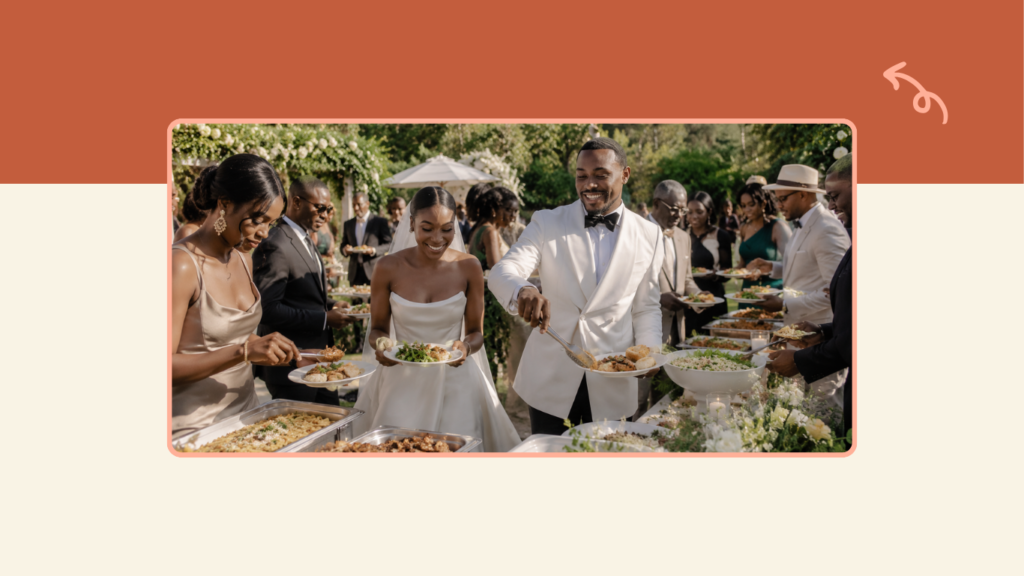
These are well-selected and filtered ways to plan a budget wedding
1. Keep the Guest List Intentionally Small
One of the few ways to control wedding costs is to make the guest list small and intentional. Every additional guest leads to more expenses in food, venue, seating, and invitations. That’s why small weddings, constantly called “micro weddings,” have become popular over the years.
Inviting close friends and relatives makes the atmosphere lovely and friendly, letting you spend meaningfully on the people who matter.
2. Choose a Non-Traditional Venue
Traditional venues usually come with high price tags due to demand. It’s not a bad idea to try out parks, small restaurants, a beautiful backyard, or even a community hall. Non-traditional venues offer the same comfort and atmosphere as traditional ones, and they’re the best choice if you want to save money.
3. Rent or Reuse Wedding Fashion
Wedding attire is often one of the most expensive aspects of a wedding. This can be rented instead of purchased. If renting is not an option for you, you can buy secondhand or reuse a family member’s dress or suit. Accessories and decorations may also be reused and repurposed. This not only saves finances but also adds sentimental value to your wedding
4. Focus Spending on Few Priorities
Instead of trying to get everything on that day, just focus on what makes you happy as a couple. It could be the location, the photos, the music, or the people. Concentrate your efforts on the most important to you, and spend less on the others.
This planned spending will allow you to celebrate your wedding in a way that is authentic to your values rather than what others expect.
5. Plan With Cash, Not With Credit
This is the foremost way to avoid swimming in debt after the wedding ceremony. Planning a wedding with cash available rather than relying on credit helps avoid unnecessary debts. Set a clear savings plan for wedding preparation, and paying for things gradually can help save the day. This results in a beautiful wedding ceremony that does not cause long-term financial stress.
Creative Ways to Reduce Wedding Costs
Digital Invitations and Planning Tools
The use of online invitations, wedding websites, and RSVP tracking tools facilitates audience outreach. This makes updates easier, less stressful, and more organized.
Minimalist Décor Concepts
This focuses on simplicity, which leads to elegance and savings. Using natural elements and flowers enhances the venue’s appearance without resorting to overly elaborate designs. This simplicity is far more valued and appealing.
Community support and DIY elements
Involving family and friends can significantly reduce costs while adding emotional value. DIY invitations and handmade favors can personalize a celebration. When loved ones combine their skills, it creates a beautiful and lasting experience.
Starting Marriage with Financial Stability
A wedding lasts just for one day, but financial decisions can last for years. Aligning each decision and comparing it to long-term investments, such as building a house or starting a business, can help reduce regrets. Every cost becomes easier when you compare it with future expenses.
Building Shared Money Habits Early
Planning a wedding together is a perfect opportunity to build up healthy financial habits. Discussing expenses, budgets, and limits helps set early financial decisions. This helps give couples insight into how living together in the future will be.
Avoiding extra expenses helps you start a marriage with peace of mind rather than financial stress.
Conclusion: Celebrate Without Financial Regrets
A beautiful and meaningful wedding isn’t built on how much was spent. Weddings are a once-in-a-lifetime celebration and should be created with enough memories, joy, and laughter. The goal is not perfection but intention; thus, starting a happy married life without debt is the best choice.
A budget wedding helps create a wonderful day without leading to financial instability.
FAQs
What is a realistic budget wedding cost?
A realistic wedding budget obviously depends on what the couple wants and can afford in cash. The goal is to set a limit based on income and savings rather than external expectations.
Can a wedding be beautiful on a small budget?
Yes. Thoughtful planning and simple decoration make it easier and more beautiful. It creates a more beautiful and meaningful experience without being extravagant.
How do couples avoid wedding debts?
This is achieved by setting clear goals and going for what’s really important. Then, instead of paying on credit, pay with cash or savings.
What are the biggest ways to reduce wedding costs?
The simplest ways are to cut down on the number of guests, not try to please the public or family, use digital invitations, and hold the event in a non-traditional venue.
Are smaller weddings becoming more common?
Yes. Most couples want it small, intentional, and elaborate. This makes it easier to focus on intentions and not large, financially draining events.

Staff writer at Women Digest covering beauty, fashion, wellness and life.