We have all had this experience: you buy a blouse or a sharp pair of trousers. Then a button pops off, or a seam comes undone after just two washes. This can be frustrating and make you feel like you have wasted your money. The truth is that the price and brand name of something aren’t always that important.
In 2026, the real secret to having a wardrobe will be knowing how to spot quality clothes based on how they are made. Quality is not a mystery; it is a set of observable characteristics. When you learn to look at how something is made, you can find great pieces at a charity shop or avoid purchasing something that will not last at a high-end store. It’s about picking out things that will still look good for a long time.
Why Clothing Quality Matters More Than Trends
In a world where trends change fast, focusing on quality is a way to take care of yourself. It changes the way you think about your closet from something you do on purpose to something.
Longevity and Cost-Per-Wear
A twenty-pound shirt that falls apart in three months is actually more expensive than an eighty-pound shirt that lasts five years. When you prioritize high-quality clothing, the cost per wear goes down. You stop replacing things and start building a collection of clothes that you really like.
Sustainability and Confidence
Well-made clothes fit your body better. They do not. Pucker or become see-through. This gives you a level of confidence that a poorly made garment cannot. By buying better things, you help reduce the amount of waste that ends up in landfills every year.
What Well-Made Clothing Actually Means
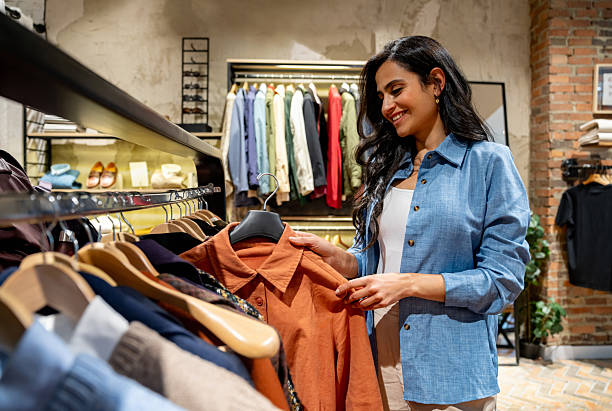
“Well-made” simply means the garment was made with the user’s long-term experience in mind. It means the manufacturer did not take shortcuts. The fabric isn’t the most important thing; it’s how the garment is put together. A piece of silk can be made poorly. A piece of sturdy cotton can be a masterpiece of construction.
Seams: The Backbone of Good Construction
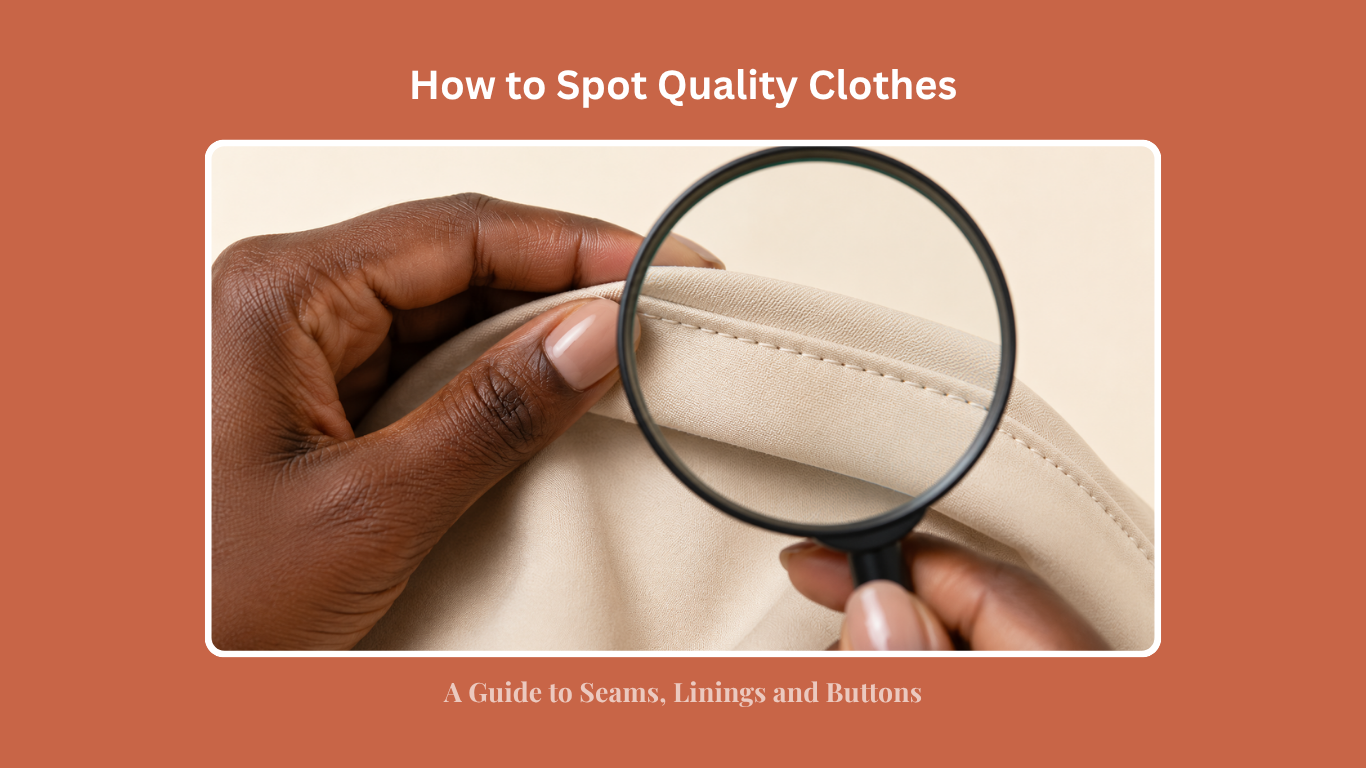
If you want to know how to tell if clothes are of quality, look at the seams first. The seams are what hold the garment together. They are where most manufacturers try to save time.
Good Stitching vs. Uneven Stitching
Turn the garment inside out. Are the lines of thread straight? In low-quality clothes, you will see the stitching wander or wobble. This is not just about how uneven stitching creates points where the fabric is more likely to rip under stress.
Seam Density and Loose Threads
A high-quality garment will have a lot of stitches per inch. If the stitches look long and loose, they are likely to snag and pull. Also, check for threads or long ends hanging off. If they did not bother to trim the threads, they probably did not bother with the integrity of the garment either.
Reinforcement
Look at high-stress areas like the underarms, the crotch of trousers, or the tops of pockets. Quality clothes often have stitching in these spots to prevent the fabric from tearing when you move.
Linings: What They Tell You About Care and Craft
Checking the lining is one of the ways to separate clothes from bad. A lining is not an extra layer of fabric; it is a sign of a finished product.
Lined vs. Unlined
A lining helps a garment hold its shape and prevents it from clinging to your body or undergarments. Blazers, skirts, and tailored trousers should ideally be fully lined. If a blazer is unlined, it should at least have bound seams.
Breathability and Durability
Check the label of the lining. Avoid polyester linings if you can; they trap heat and make you sweaty. Look for acetate, viscose, or silk. These feel cool against the skin and allow the garment to drape beautifully.
Buttons, Zips and Fastenings
Hardware is expensive. It is the first thing that fast-fashion brands cut back on.
The Button Test
Tug at the buttons. Are they wobbly? Are they held on by a thread? High-quality buttons are sewn with a thread that allows the button to sit perfectly in the buttonhole without pulling the fabric.
Buttonholes
Look at the edges of the buttonhole. They should be densely stitched with no fraying threads. If the hole looks like a slit in the fabric, stay away.
The Zip Check
A good zip should glide smoothly. Have a locking mechanism so it does not slide down throughout the day. Metal zips are generally more durable than plastic ones and should be sewn flat without puckering the surrounding fabric.
Fabric Weight, Feel, and Resilience
A part of any guide to checking the quality of clothes is the hand feel. This is simply how the fabric feels when you scrunch it.
The Scrunch Test: Grab a handful of the fabric. Squeeze it tight for five seconds. When you let go, does it bounce back? Is it a wrinkled mess? Quality fabrics have good elasticity. If a garment wrinkles instantly in your hand, it is going to look terrible after ten minutes of sitting in your car or at your desk.
Thickness and Opacity: Hold the garment up to the light. Can you see the outline of your hand through it? Unless it is supposed to be sheer fabric, it should have density to be opaque. Thin fabric wears out faster. Is more prone to pilling.
Hems, Edges, and Finishing Touches
The bottom of your skirt or trousers can tell a lot about its quality.
Deep Hems
Quality trousers and skirts usually have a hem of two inches or more. This gives the garment weight, so it hangs straight. It also allows you to let the garment down if you are tall or want to wear heels.
Stitches
On a made piece, you should not be able to see the hem stitching from the outside. If there is a line of thread running around the bottom of your trousers, it is a sign of budget construction.
Pattern Matching and Alignment
This is the test of checking seams and linings for quality. If a garment has stripes, checks, or a loud floral pattern, look at where the pieces of fabric meet at the seams.
The Alignment
Do the stripes line up across the side seam? Does the pattern work? Look jagged? Matching patterns requires fabric and more time during cutting. If the patterns match, it is a guaranteed sign that the brand cares about the details.
How to Check Quality Quickly In-Store
You do not need twenty minutes to evaluate a piece. Try the sixty-second quality scan:
The Light Test: Hold it up to see the fabric density.
The Tug Test: Pull gently on a seam to see if the threads gap.
The Zip/Button Test: Zip it up and down and tug a button.
The Scrunch Test: Squeeze the fabric to check for wrinkles.
The Inside-Out Look: Flip it over to see if the seams are clean or messy.
Spotting Quality When Shopping Online
It is harder to check quality when you cannot touch the fabric. It is not impossible.
Zoom in on the seams.
Look at the close-up photos. If the seams look puckered in the photo, they will look even worse in person.
Read the Fabric Composition
Look for fibers like wool, cotton, silk, or linen, or high-quality synthetics like modal or lyocell.
When Quality Matters Most
You do not need to check the quality of everything you have. It is okay to buy a fun t-shirt for a holiday. For pieces you plan to wear weekly, quality is non-negotiable.
Invest In: Coats, blazers, boots, trousers, and foundational knitwear.
Save On: Trendy tops, beach cover-ups, and gym gear.
Conclusion: Choose Quality Always
Learning how to spot quality clothes is like gaining a superpower. It stops you from being fooled by marketing or pretty shop windows and helps you see the garment for what it really is. When you buy made-to-order clothes, you are not just buying an outfit; you are buying peace of mind and a wardrobe that actually serves you.
When you are out, take a moment to look at the inside of the sleeve or the back of a button. Your wallet and your style will thank you.
FAQs
How can I tell if clothes are good quality?
Check for straight, dense stitching, natural fabric blends, and thoughtful details like lined interiors and pattern matching at the seams. Give the fabric a scrunch test to see if it resists wrinkling.
Do expensive clothes always mean better quality?
Not necessarily. Many luxury brands charge for the logo while using average construction. Conversely, some mid-range or vintage shops offer incredible quality for a lower price. Always check the construction, not the label.
What seams indicate well-made clothing?
Look for French seams (where the raw edge is tucked inside) or bound seams. The stitches should be small and even, and there should be no gaps when you gently pull the fabric apart at the seam.
Are linings necessary for quality garments?
For structured items like blazers, coats, and tailored skirts, yes. A lining protects the outer fabric from sweat and body oils and ensures the garment hangs correctly without clinging.
How do buttons and zips affect durability?
Cheap plastic zips and loosely sewn buttons are the first things to break. High-quality hardware, like metal zips and buttons sewn with a thread shank, indicates a garment built to last.
Can I spot quality when shopping online?
Yes, by zooming in on the fabric texture and seams in photos, checking the material list for natural fibers, and looking for details like “bound seams” or “hand-finished” in the product

Staff writer at Women Digest covering beauty, fashion, wellness and life.