

Ever stressed about how to remove a stain before it becomes permanent? Stain removal doesn’t need to be stressful or confusing. It can happen to anyone, during a meal or due to an unseen fall; what matters is how you act to remove it.
This guide simplifies stain removal into clear, practical steps you can follow without panic and guesswork. By understanding the basics and using the right approach for different stains, you can protect your clothes, save money, and keep your wardrobe looking fresh for a longer period. The key to this is knowing how to act quickly to avoid permanent stains on your clothing.
The Golden Rule of Stain Removal

Image: Unsplash
Acting fast is the most important rule in stain removal; the longer a stain sits, the deeper it settles into the cloth stain removal tips fiber, making it harder to remove completely. As soon as a spill happens, blot the area with paper or another piece of clothing to absorb as much stain as it can. Avoid rubbing it as it makes it spread and sit deeper into the fabric.
Also, understanding when to use cold and hot water matters. Cold water is used for protein-based stains like blood or milk because heat can cause them to stay permanently. Hot water works better for oily and greasy clothing, but before washing, check the clothing material.
Why Fabric Type Matters
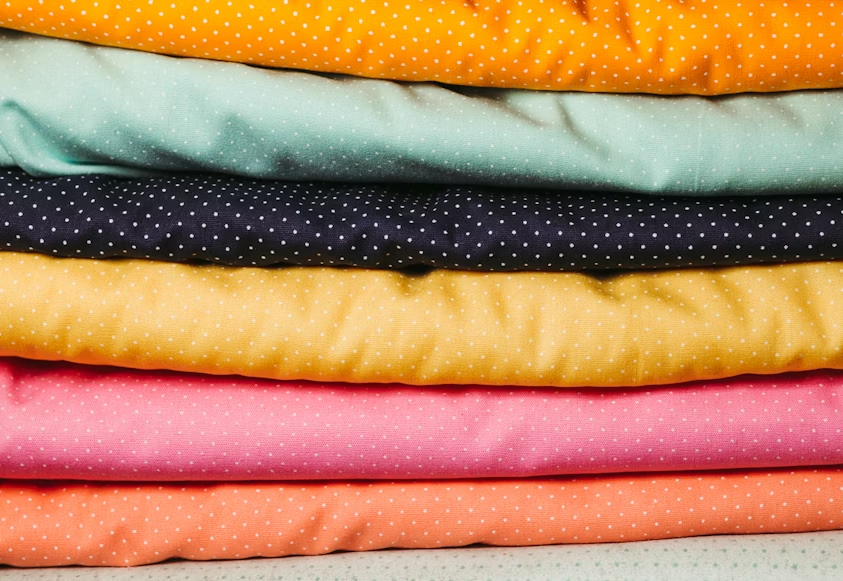
Image: Unsplash
Different fabrics react differently to stain removal guide, which is why knowing the kind of material is essential. Cotton and denim products are more durable and can handle stronger treatment and blotting. These fabrics react well to detergents, and most stains come off easily.
Fabrics like silk and wool require a more gentle approach. Harsh rubbing, strong detergents, or hot water can easily damage their fibres, causing shrinkage or fading. Synthetic fibres like polyester and nylon fall in between, often resisting some stains but trapping oil.
Being mindful of the kind of fabric helps determine when to be gentle when removing stains, making you avoid the risk of destroying your clothes.
Common Stain Emergencies
The common stain emergencies are as follows:
Food and Drink Stains

Image: Unsplash
Food and drink ink stains are among the most common kinds of stains, and they set in quickly if not treated immediately. Coffee, tea, and wine contain tannins that bond easily with fabric, while greasy food and sauces leave oily residue on fabric.
According to the American Cleaning Institute, blotting excess liquid first and rinsing with cold water helps prevent stains from setting. For a grease stain removal guide, apply a small amount of dishwashing liquid, which breaks down oils, before washing.
Acting quickly and using the right method for each stain increases the removal success.
Makeup and Beauty Stains
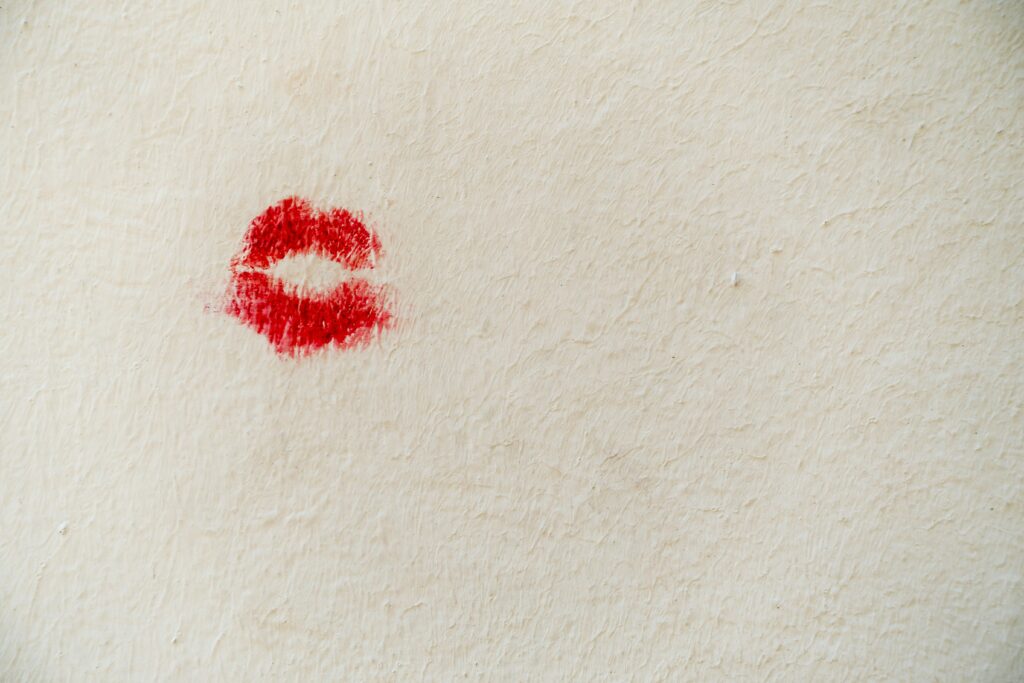
Image: Unsplash
Makeup stains like foundation, mascara, lipstick, and self-tanner often contain oils, pigments, and waxes that make them stubborn. Oil-based products like foundation and lipstick may need pre-treatment, while mascara may just need a soapy solution.
According to the Good Housekeeping Institute, it’s best to start by gently blotting and then using a mild detergent or makeup remover suitable for fabrics. Avoid rubbing harshly, as this can spread the pigment. Prompt and careful treatment helps remove this stain without causing harm to delicate fibres.
Sweat and Deodorant Marks
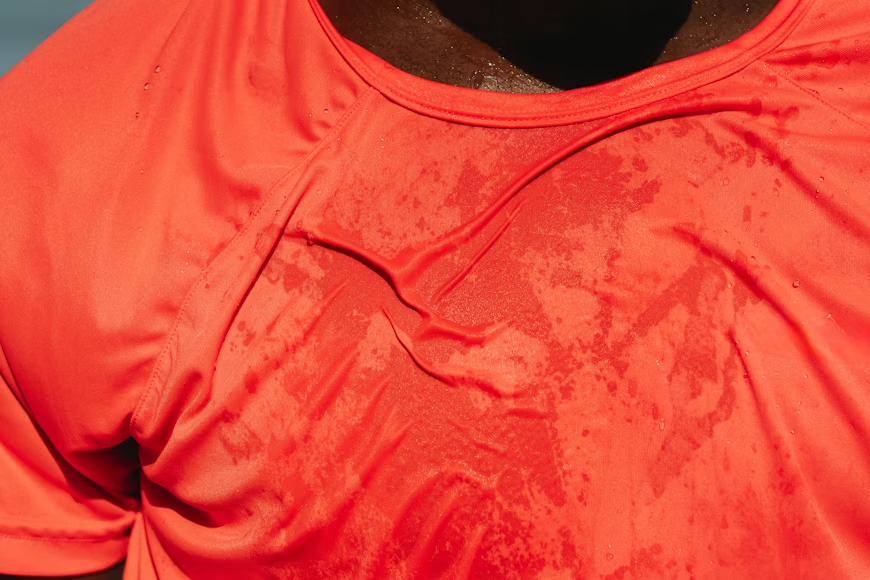
Sweat and deodorant can cause yellowing, white residue, and persistent odours over time. Pre-treating with a mixture of mild detergent and water, or using baking soda pastes, can help break down the stains before washing.
According to the Mayo Clinic, these stains are caused by sweat proteins and the breakdown of aluminium compounds in the deodorant. Use of warm water here is advisable, but check fabric care labels before washing. Regular treatment and washing help keep the garment neat and fresh.
Ink, Oil, and Transfer Stains
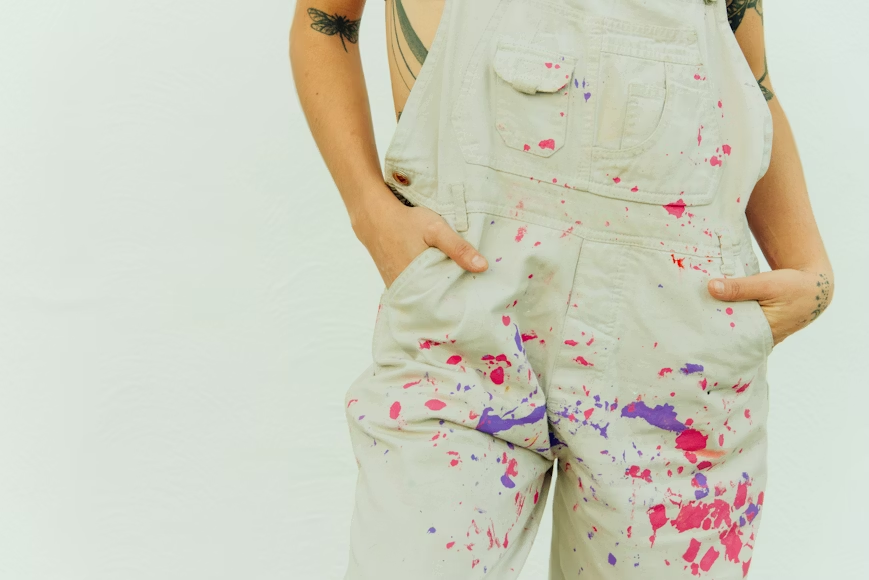
Image: Unsplash
Ink, dye transfer, and oil stains can be particularly challenging because they penetrate fabric more quickly. Dye transfer stains should be treated as fast as possible to avoid permanent discolouration. According to The Spruce, alcohol-based solutions like rubbing alcohol can help dissolve ink, while oil stains respond well to absorbent powders or liquid detergents. Using the right technique for each stain type increases the chances of complete removal.
Delicate Fabrics and When to Stop
Delicate fibres like silk, satin, and lace require extra caution during stain removal because their fibres are easily damaged by water, heat, or harsh chemicals. According to the Good Housekeeping Institute, these materials should be treated with minimal moisture and gentle blotting rather than aggressive cleaning. Using strong deodorant weakens fabric and makes the colour fade.
It’s also important to know when to stop home treatment. If blotting doesn’t work and continues to spread, continuing the method may do more harm than good. Signs such as fabric distortion, colour bleeding, or a lingering ring around the stain suggest that professional care is needed. Delicate garments respond well to professional cleaning. Choose caution over trying to do it yourself to make your garment durable.
Denim, Knit, and Everyday Fabric
Durable fabrics like denim, cotton knits, and other everyday materials can handle active stain removal techniques. According to Spruce, materials like this are generally resilient and can withstand firmer blotting, gentle scrubbing, and a wider range of cleaning agents.
For best results, pre-treat stains with liquid detergents or mild stain removers before washing. Warm water can be used depending on the kind of fabric and care label instructions. However, even with durable fabrics, it’s advisable not to use excessive force, which can stretch and wear off over time. Consistent care ensures that these everyday pieces remain clean, comfortable, and long-lasting.
Emergency Stain Kit Every Fashionista Should Have
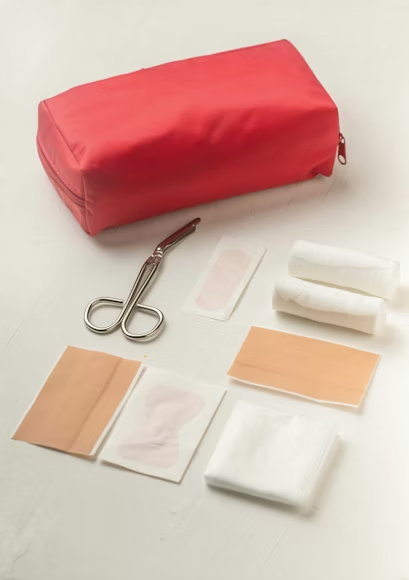
Image: Unsplash
Having an emergency stain kit on hand can make a significant difference when accidents happen. A simple kit can include items like a clean cloth, wet wipes, a small bottle of detergent, baking soda, and a stain remover pen. These household essentials are practical, affordable, and easy to carry in a bag or keep at home.
According to the American Cleaning Institute, having this tool ready allows for immediate response, which greatly improves stain removal success. Dishwashing liquid is especially useful for breaking down grease, while white vinegar can help with odor and certain stains. Blotting materials like paper towels or microfibre cloths are also essential for absorbing stains without spreading them. Being prepared turns a wardrobe disaster into a manageable situation.
When to Use Professional Cleaning
Some stains on fabric require professional care to avoid permanent damage. Garments labelled “Dry clean only” shouldn’t be treated with water or home remedies, as this can ruin the garment. Stubborn stains like ink, oil, or dye transfer on delicate fabrics require special solvents and equipment.
Professional cleaners have the expertise to assess the fabric and stain type, choosing the safest and most effective method. If a stain persists after home treatment, a professional will be needed to do the job. Knowing when to hand over stained fabric to professional experts helps avoid permanent damage.
How to Prevent Future Stains
Preventing stains starts with mindful habits and proper clothing care. Regular washing and proper hygiene can reduce the buildup from sweat and body oils, which often leads to stubborn stains over time. Wearing protective layers like an apron while cooking or applying makeup before dressing up helps avert accidental spills.
Proper storage and laundering practices play a key role as well. Sorting clothes by color helps prevent dye transfer, while following care labels helps maintain fabric integrity. Treating small stains, even if they seem minor, prevents them from becoming harder to wash off. Consistent care habits not only reduce staining but also extend the lifespan of your wardrobe, keeping your clothes fresh and well maintained.
Cloth stain removal tips don’t have to be the end of your favourite outfit. With the right knowledge and a calm, quick response, most stains can be treated effectively, avoiding permanent stains. Understanding the basics like acting fast, choosing the best method, and knowing fabric type makes stain remover less stressful. By building simple habits and knowing when to seek professional help, you can protect your clothes and keep your wardrobe fresh, long-lasting, and wearable despite everyday incidents.
FAQs
What’s the fastest way to remove stains from clothes?
Blot stain immediately with a clean cloth and then wash with cold water. Quick action avoids the stain from setting in and making removal difficult.
Can all stains be removed at home?
Not all stains can be removed at home. Delicate fabrics or stubborn stains like ink or dye transfer may require professional cleaning.
Does hot water make stains worse?
Yes. Hot water makes stains like blood or milk set in permanently. Cold water is preferable in situations like this.
How do I remove makeup stains from fabric?
Blot gently, then apply a mild detergent or makeup remover. Avoid rubbing to prevent the stain from spreading. Wash according to care instructions
What stains require professional cleaning?
Stains from delicate fabrics “Dry clean only” garments and touch stains like oil, ink or dye transfer often need professional cleaning
How can I prevent permanent stains?
Act quickly, avoid rubbing, and treat stains as soon as they happen. Following proper washing and storage habits also prevents long-term damage.