

Income does not solely determine money habits. Deeper emotional patterns often influence how people save, spend, and manage money. A scarcity mindset convinces people that they will never have enough money or that they could lose it at any time. Even with a stable income, this mindset has a way of creating constant financial anxiety and a feeling that there is never enough.
In 2026, many women are beginning to recognize how past experiences with money shape their financial behavior. Childhood financial stress, family arguments about money, or growing up in an unstable economic environment all define a person’s money habits. This guide explores five clear signs that a scarcity mindset may be influencing your financial behavior and how to begin shifting toward a more stable and confident relationship with money.
What Is A Scarcity Mindset?

The Psychology of Scarcity Thinking
A scarcity mindset is thinking about money in a way that revolves around insecurity.
Megan McCoy, PhD, LMFT, a certified financial therapist and Assistant Professor of Personal Financial Planning at Kansas State University, explains it this way: “A scarcity mindset is a belief system in which a person consistently feels there is never enough of a key resource.”
This scarcity mindset fuels the belief that money is limited and can disappear at any time. Hence, it leads people to make bad financial decisions because they’d rather protect their money than grow it.
A scarcity mindset is characterised by fear-based financial decision-making and constant anticipation of financial loss. For example, someone may avoid investing, delay career negotiations, or keep money sitting in low-interest accounts simply because risk feels dangerous.
Sadly, people often develop this mindset after experiencing financial instability or financial trauma earlier in life. Understanding these emotional triggers is an important step toward change. In your personal finance journey, you’d find that money management is not just about strategies but also about mindset.
Where Scarcity Mindset Begins
A scarcity mindset is not something that appears suddenly in adulthood. Rather, it is the result of a gradual buildup of experiences and messages one was exposed to.
1. Childhood Financial Experiences
The first place a child learns about money is from their environment. Hence, the financial attitude and behaviour a child sees from his parents or people around him is easily absorbed by him. It showed his thinking and perspective on money.
Hence, if money was often described as scarce, stressful, or unreliable, those messages can form deeply held beliefs about money. Also, financial trauma can come from growing up in an environment of scarcity and lack.
These early memories can later influence adult financial behavior without the person realizing it.
2. Family Narratives About Money
Financial beliefs and behaviours are also shaped by a person’s family.
Some Common narratives about money include:
- “Money doesn’t last long.”
- “People like us don’t get rich.”
- “Saving is safer than investing.”
Silently, these narratives shape a person’s behaviour around money. Some of these narratives are part of the intergenerational money habits holding you back, which you may likely pass down to your children if there is no mindset shift.
3. Scarcity vs Abundance Mindset
Understanding the scarcity vs abundance mindset helps explain how financial thinking shapes behavior.
A scarcity mindset solely focuses on what is lacking. With a scarcity mindset, there is always that assumption that there’s never really enough.
An abundance mindset, on the other hand, concern treated on opportunity and long-term growth. A person with this mindset believes that money can be earned, invested, and grown.
A person with a scarcity mindset suffers from the following:
- Fear of financial risk
- Over-saving without purpose
- Constant financial anxiety
Abundance mindset behaviour includes strategic investing, confidence in financial decisions, and long-term wealth building
It can only take intentional learning of how to build an abundance mindset to shift from a scarcity mindset to having an abundance mindset that will influence healthier financial habits.
How Past Experiences Shape Money Habits
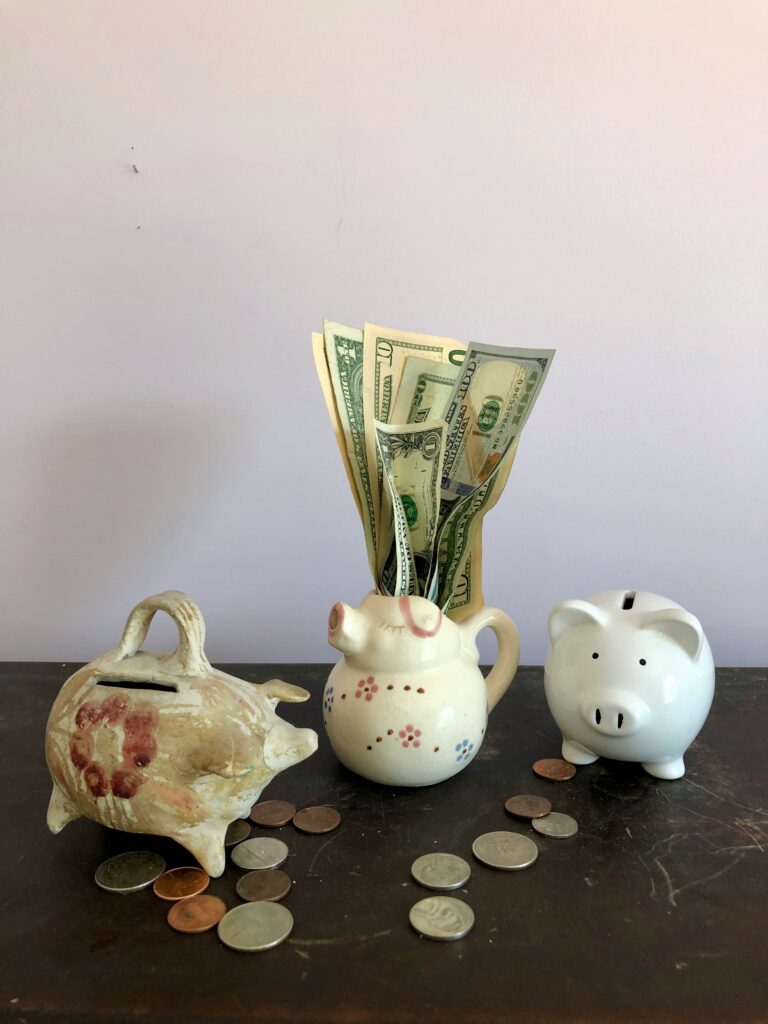
Financial Stress in Early Life
A person’s money habits are mostly shaped by earlier experiences. It shapes their beliefs about how money works, the safety it brings, and what they deserve financially.
For a lot of women, the scarcity mindset was developed from early exposure to financial stress. Now, as adults, those experiences end up influencing their saving, spending, and investing culture. This type of emotional response is often connected to financial trauma, because past experiences continue to influence money decisions in the present.
Research studies on financial psychology and behavioral finance confirm that early experiences strongly influence saving and spending habits later in life.
Observing Family Money Conflicts
Children are strongly influenced by how adults around them behave and talk about money. So, where there is always argument and tension revolving around money, the child will grow to associate money with stress or conflict. They end up as adults who avoid financial discussions or who find making financial decisions difficult
This emotional reaction usually becomes part of long-term money trauma that continually influences a person’s income, budgeting, or investment decisions.
Cultural Narratives About Wealth
Culture is also instrumental in defining a person’s financial beliefs. There are regions where wealth is associated with luck rather than planning. In some other regions, there may be unspoken rules about who deserves financial success.
These narratives are likely to induce signs of poverty-related trauma, especially when people grow up in environments where financial stability is temporary, unattainable or undeserved. It is important to know and understand some of these cultural patterns. They are very critical in understanding how to overcome a scarcity mindset and build healthier financial habits.
5 Signs Your Past Is Running Your Bank Account

1. You Feel Financial Anxiety Even With Savings
Persistent financial anxiety is one of the easiest indicators of a scarcity mindset. Most times, there isn’t even a reason this anxiety exists: there’s money in the banks, bills are all sorted, yet the mind keeps anticipating a financial emergency.
People who have been victims of financial instability in the past are usually the ones who suffer from this. This is due to the fact that experience sets the brain to always be alert. So even when the financial status of such a person has improved, the anxiety still stays.
This anxiety limits one from enjoying the benefits of financial progress and stability.
2. You Avoid Financial Risks Completely
Growing financially usually demands taking some level of risk. Sadly, people suffering from financial trauma are very averse to risks.
They hardly invest; are always reluctant to negotiate an increase in their salaries, and are usually afraid of changing jobs even if they’re being underpaid. These decisions are really not about whether they have financial knowledge or not. Rather, they mirror deep-rooted financial fear and loss anticipation.
3. You Struggle to Spend on Yourself
Spending guilt is also a sign of a scarcity mindset. People who find it very difficult to spend on themselves or fund their needs are usually victims of the scarcity mindset.
It’s not that they can’t afford to cater to these needs. The problem is that spending on themselves makes them feel guilty or uncomfortable. This behaviour is closely related to money trauma, where spending feels unsafe because money was hard to come by or was lost in the past.
This is why it is important to understand how to overcome money guilt. Doing this will help women who suffer from this to build a healthier relationship with money.
4. You Hoard Money Without Clear Goals
Saving money is a very good financial habit. However, it can also be a sign of a scarcity mindset, especially where there is no plan or purpose for the savings.
People in this category keep saving money with no investment or long-term plans. They just want to keep money because it makes them feel safe. This attitude hinders long-term wealth building and financial growth.
5. You Believe Financial Security Is Temporary
One of the strongest signs of poverty-related trauma is having the belief that financial stability is only temporary. So, no matter how stable income becomes or the level of financial status such a person attains, there is always that underlying mindset that it could all go away.
This mindset keeps the mind in survival mode. Instead of looking ahead and making long-term plans for wealth building, the focus remains simply on avoiding possible loss.
It is important to have systems that build financial security you can trust. They can help you build financial habits that will replace this fear with stability.
How To Shift Away From Scarcity Thinking

1. Identify Your Core Money Beliefs
The first step to overcoming a scarcity mindset is awareness. Discover the beliefs you have come to have about money. Finding out these beliefs may expose the money trauma you didn’t know existed. This will help you face the present realities of your financial situation and not lean on past financial experiences.
2. Replace Fear-Based Rules With Financial Plans
Once you can identify your money beliefs, you can start replacing fear-based habits with practical and clear financial systems.
Your financial plan and strategies will no longer be based on emotions but on well-thought-out plans.
This may include:
- Creating a realistic budget
- Building an emergency fund
- Investing for long-term growth
These actions support sustainable financial planning and wealth building.
3. Practice Evidence-Based Thinking
Facts tell the truth. You can shift your mindset by relying on facts and not fear.
Focus on real financial data and evidence-based thinking. They help train the brain to understand that financial stability is real, not temporary.
Building A Healthier Money Mindset In 2026

1. Financial Security as a System
Financial stability doesn’t happen by chance.
It is built on intentional budgeting, saving, and investing consistently.
These habits help to build long-term financial stability and grow personal wealth.
2. Reframing Wealth as Stability
Most times, wealth means stability, choice, and security.
By building sustainable financial habits, more women can gradually move from a scarcity vs abundance mindset towards a healthier and more balanced view of money.
3. Consistency Over Emotional Reactions
Financial success doesn’t really happen by one big break. Long-term Sustainable wealth is grown through consistent and healthy money habits like:
- Saving regularly
- Investing steadily
- Reviewing financial plans
These actions help replace fear with confidence and create long-term financial stability.
Conclusion: Get Rid of Scarcity Mindset
The genesis of the scarcity mindset is past financial experiences. Childhood experiences, family beliefs about money, and early economic instability define people’s long-term money beliefs and behaviours.
Fortunately, these patterns don’t shape the future. By identifying old money beliefs, understanding the impact of financial trauma, and building intentional financial systems, women can create a healthier relationship with money.
With time and consistent habits, it becomes possible to move beyond survival thinking and build lasting financial confidence.