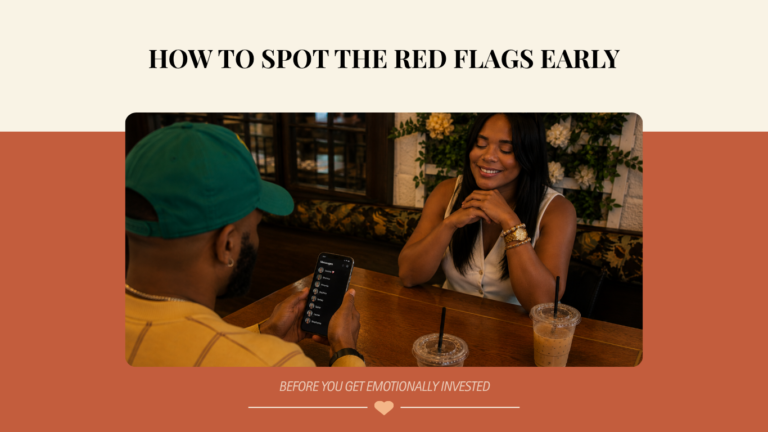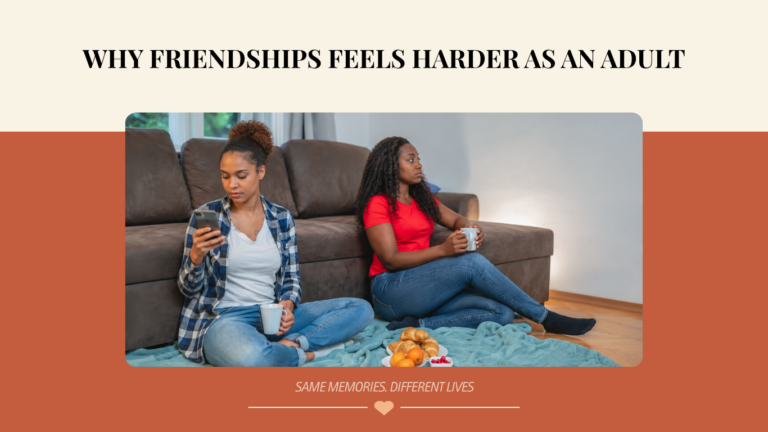
Some people are in a nightmare relationship that resembles the stalkerish situation depicted in The Police’s “Every Breath You Take.” Others are unsure whether their significant other is showing genuine care or controlling behavior.
Some signs may feel restrictive, but they do not necessarily indicate that your partner is controlling. The Modern Relationship Playbook would teach you that the signs he is controlling can mostly be traced back to his motives. But just so you’re not mistaking a little friction for toxicity, this article presents you a nice caring vs controlling relationship contrast for reference. Distinguishing between support and restriction is vital for personal freedom, just as the rising trends in North American autonomy and tech are reshaping individual empowerment.
What Genuine Care Looks Like in a Healthy Relationship
Care supports rather than confines. This is part of how to build a healthy relationship. According to the NHS Inform, healthy relationships are defined by mutual respect, autonomy, and clear emotional boundaries.
Genuine care supports independence and personal growth, allowing partners to express themselves freely without fear of surveillance, punishment, or emotional withdrawal. For instance, a partner may offer advice or check in about your day, but it is done from a place of love and encouragement, not surveillance. Identifying the motive behind your partner’s actions helps you easily identify emotional control in relationships.
Support is offered in a way that isn’t protective or controlling so that you are free to make decisions, knowing your partner values your perspective. Your partner also protects you without making you feel like a possession, because your choices are honored, not restricted. When your named boundaries are crossed repeatedly, it can indicate subtle controlling behavior, even if the intent is framed as care.
Genuine care promotes emotional growth and healthy relationships. You feel able to express yourself honestly and work on your goals without the fear of your partner’s reactions. In these dynamics, emotional control in relationships is minimal because partners honor and trust each other. They don’t do things that are threatening the other’s emotional safety, like flirting, so there is no need for emotional control.
With such a partner, you won’t have to wonder much if he is caring or controlling because his actions inspire safety and confidence in you, not fear and irritation.
What Control Looks Like When It’s Subtle

Image: Unsplash
Subtle control often masquerades as interest, protection, or love. Partners exhibiting subtle controlling behavior may monitor your actions, insist on “helpful” advice that functions as instructions, or use incessant worry to justify restrictions. These are classic forms of emotional control in relationships.
Here are some instances of controlling behavior in relationships: a partner might check your messages repeatedly or question your social interactions under the guise of ‘looking out for you.’ Affection is given as a reward for compliance with their expectations.
Subtle emotional blackmail is also employed, such as withdrawal, passive-aggressive comments, or guilt-tripping, whenever you try to assert your independence. These are also common signs that he is controlling. You deserve totalk about your feelings without argument, or else it’s a red flag.
According to Counselling Directory, subtle control often comes from insecurity; a partner who feels unworthy may try to maintain closeness through constant monitoring or testing your commitment. These controlling partner signs are intended to alleviate their fear of being unworthy of you or losing you.
Is He Caring or Controlling? Key Emotional Differences
The caring verses controlling relationship metric is measured by the impact it has on you as the recipient. How do you truly feel about how your partner treats you? What have their actions encouraged or restricted you from doing?
Do you feel empowered to make decisions and pursue your personal interests? When you express your emotions, do you get judgement or deliberate listening? These introspection can help you recognize controlling partner signs before patterns become entrenched.
In contrast, controlling dynamics subtly erode self-trust. You may shrink back into yourself, particularly when in your partner’s presence, because you never know how they’ll choose to stifle you next. Decisions often require approval or negotiation, and your social world may feel monitored or restricted.
In a successful relationship, partners guide rather than manage and influence rather than dominate. They may express concern, but the key difference lies in how these moments impact your autonomy as an individual. Care expands your confidence and emotional freedom; control contracts it.
Common Signs He May Be Controlling
Recognizing signs he is controlling is essential for clarity. Typical indicators include:
- Chronic questioning of your choices or whereabouts
- Persistent guilt-tripping when you assert independence
- Persistent and manipulative attempts to violate your boundaries
- Pressure disguised as care (“I just want what’s best for you ”)
- Narcissism
These patterns are controlling partner signs. You might also notice silent treatments when you disagree with them, passive-aggressive responses, or emotional thirst traps, where your partner creates tension to gauge your reaction.
Importantly, these behaviors may be difficult to discern because they may not be overtly aggressive. They are often disguised as care, concern, or worry. The difference between healthy protection and control is intent: care expands your freedom; control restricts it.
Why Control Is Often Mistaken for Care
Control is frequently misread as care because it can be framed as love. Cultural romanticization of jealousy, attachment insecurity, or fear-based bonding reinforces the idea that controlling behavior in relationships is caring.
According to Online Therapy UK, trauma familiarity may also contribute; if you’ve experienced inconsistent love before, subtle controlling behavior may feel reassuring.Protective or controlling behavior, like insisting on cutting off your relationship with others, can appear caring to one who has only ever experienced obsessive love or has had little attention showered on them in past relationships.
Care encourages growth and emotional freedom, while control insists on dependence. Recognizing controlling behavior in relationships allows you to distinguish between genuine concern and unhealthy behavior.
How Control Affects You Over Time

Image: Unsplash
Long-term exposure to control can gradually reshape your emotional landscape, and not for the good. You may experience:
- A shrinking or non-existent social life
- Emotional withdrawal and/or paranoia
- Loss of confidence in decisions
- Difficulty asserting preferences
- Normalizing unease as “just how relationships are.”
These effects often develop gradually, making it harder to figure out what your partner’s actions mean, whether he is caring or controlling. But over time, these effects may become glaringly obvious, and internal unease becomes a reliable signal of obsessive control.
Questions to Ask Yourself About Your Relationship
To assess your situation, consider:
- Do I feel freer or smaller here?
- How does my partner respond when I disagree?
- Who adapts most in daily decisions?
- Am I trusted or managed?
- Am I able to express my needs safely?
If you find patterns of subtle controlling behavior or ask yourself often, ‘Am I being controlled in my relationship?’, these reflections can help you discern care from control. Clarifying your relationship landscape starts with being aware of your feelings and how your partner’s actions affect your autonomy.
What to Do If You’re Unsure
If you are unsure where to categorise your partner’s actions, whether he is caring or controlling, then you should pause and observe patterns.
First off, note down how you feel, then think about the things that directly triggered those feelings. Was it something your partner did or said? What they said or did, did it encourage you or inspire growth in you, even if it was uncomfortable? Or was the effect harshly restrictive, demeaning, or condemning?
It helps to journal recurring behaviors and emotional responses. This record can help you trace patterns more easily and identify any signs of a controlling partner. You can also seek an external perspective from trusted friends or a counselor. Professional guidance can help you gain clarity, since they are not as emotionally involved as you are.
Wrapping up, not all discomfort signals are controlled. Even healthy relationships may feel hard sometimes. Differentiating care from control is crucial so you don’t mistake normal rhythms for signs of a controlling partner. Healthy care encourages autonomy, emotional expression, and growth. Controlling behaviors limit freedom, test boundaries, and create unease. Remember, clarity comes from assessing patterns, not isolated incidents. In all of these, understand one thing: you are entitled to both love and freedom!
FAQs
How can you tell if someone is caring or controlling?
Look at whether their concern expands your freedom or limits it. Care supports autonomy; control subtly restricts it through rules, monitoring, or emotional pressure.
What are the subtle signs of a controlling partner?
Repeated boundary testing, guilt over independence, conditional affection, and emotional test traps are common subtle controlling behaviors.
Is being protective the same as being controlling?
Protective behavior respects your autonomy and boundaries. Controlling behavior prioritizes the partner’s fear or insecurity over your freedom.
How does control affect a relationship?
It can shrink social and emotional space, erode confidence, increase self-monitoring, and normalize unease over time.
What should I do if I think my partner is controlling?
Reassert your boundaries and seek professional guidance; you can attend couples counselling with your partner.

Staff writer at Women Digest covering beauty, fashion, wellness and life.