
In the past and even currently, it’s been only men who get to write a will. So why can’t a woman have a will? Creating a will is a fundamental step in securing your future and protecting loved ones. This is a clear reason why every woman should have a will.
It ensures your wishes are legally recognised, prevents disputes and safeguards your assets. Yet many women delay this due to cost, complexity or age. In 2026, estate planning is more accessible than ever. This guide explains the key reason women need a will and how to approach the process with confidence.
The Importance of Having a Will
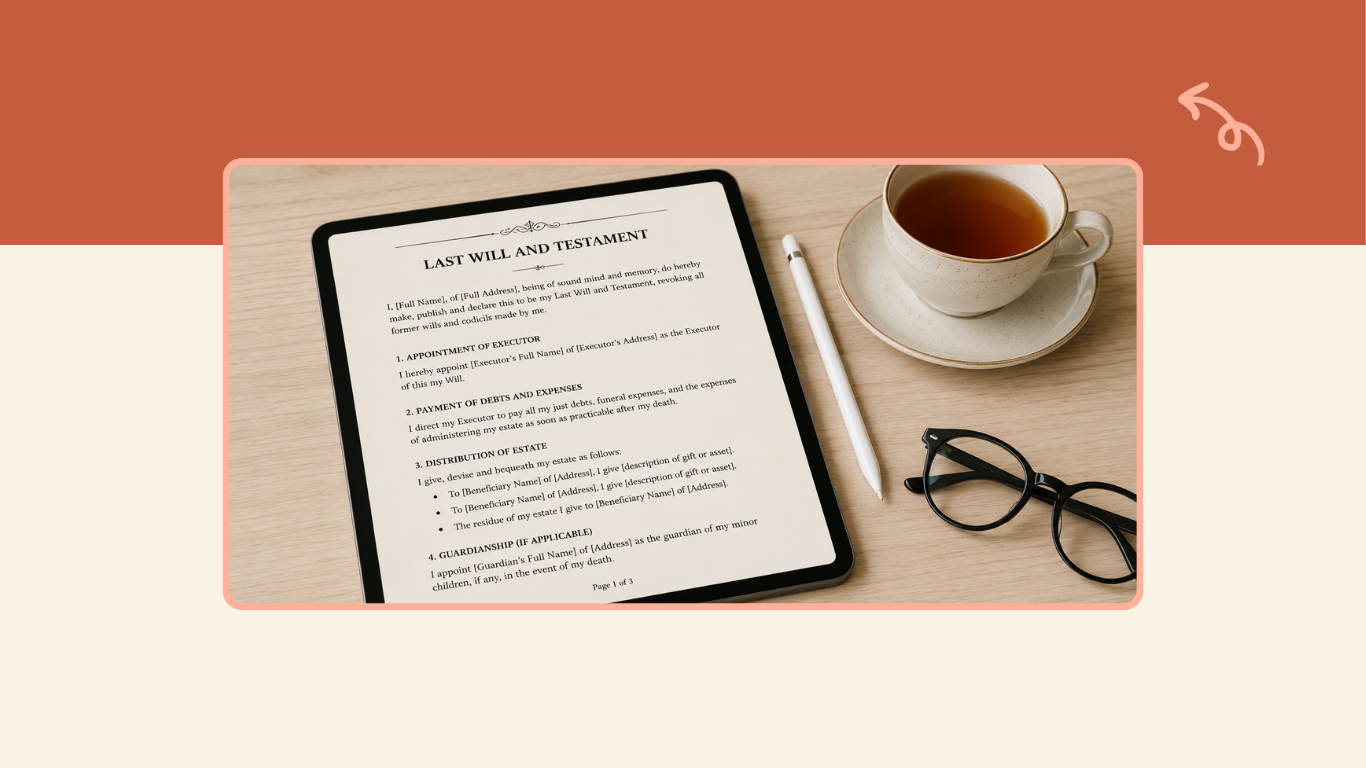
One of the most important reasons to have a will is to ensure the people you care about are properly provided for even after you’re long gone from this earth. A legally valid will allows you to clearly name guardians for minor children, allocate financial support to dependents, and outline how your assets should be managed on their behalf until they come of age.
Without a will, these decisions are left for the courts, which may not reflect your personal wishes and family dynamics. According to estate planning experts, having a will is extremely critical for single parents, carers and women who are primary financial providers.
Preventing Legal Disputes
A well-prepared will will help reduce the likelihood of conflict among family members after your passing. When instructions are clearly documented, it minimizes confusion, misunderstandings and potential disagreement over inheritance. In cases where no will exists (intestacy), local laws decide how assets will be distributed, which can lead to outcomes that feel unfair or unexpected. Legal professionals continuously emphasise that wills and inheritance are the simplest way to avoid prolonged disputes, legal costs, and emotional strain among loved ones.
Securing Your Financial Legacy
A will gives you full control over how your assets are distributed, allowing you to support the people and causes that matter to you. Whether it is passing wealth to people, helping the extended family or donating to charitable organisations. A will ensure your financial legacy aligns with your values. It can also include instructions for personal belongings, investments, and digital assets.
Financial advisors highlight that estate planning isn’t only for the wealthy; it’s a practical step for people who want to make use of their money and the long-term impact.
Common Misconceptions About Wills
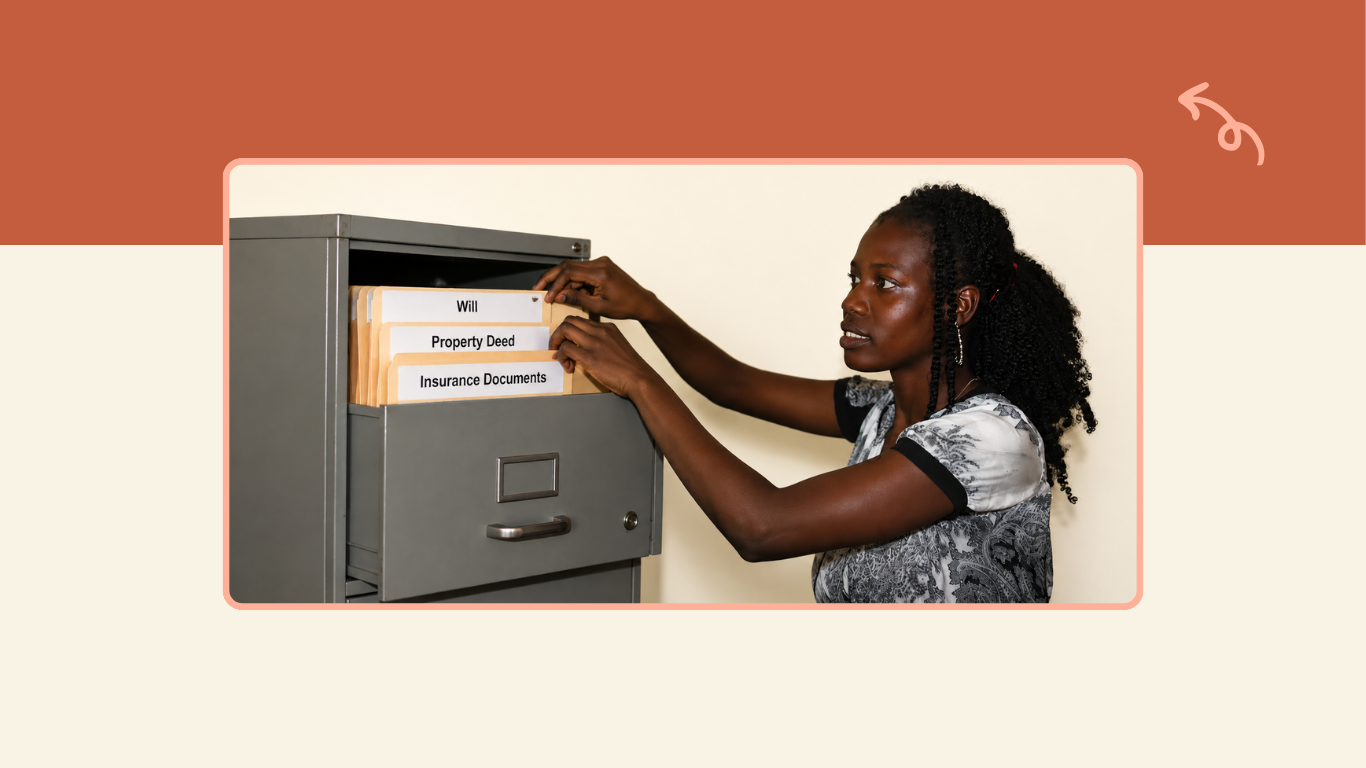
A common misconception is that wills and inheritance are only necessary later in life. In reality, adulthood, not age, is the key threshold for estate planning. Life is unpredictable, and unexpected events can happen at any time. Having a will ensures that your wishes are respected regardless of when circumstances change. For women in particular, who take on caregiving roles or manage shared finances, early planning provides an added layer of protection for dependents and personal assets. Even if you don’t own significant property, items such as savings, insurance policies and personal belongings still hold value and should be accounted for.
Creating a will in 2026 also establishes a habit of financial awareness and responsibility. It encourages you to think critically about your long-term goals, relationships and priorities. Additionally, having a will in place makes future updates easier as your life evolves through marriage, children, career growth or investment. Experts from organisations like the Financial Conduct Authority stress that estate planning is not age-dependent but rather a proactive step towards financial security.
It’s too complicated or expensive.
Many people delay writing their will because they believe the process is complex and costly. While traditional legal services can involve fees, the landscape of estate planning has changed greatly. Today, there are numerous affordable and user-friendly options, including online will-writing platforms and fixed-fee legal services. These tools guide users step by step, making the process more accessible than before. Legal professionals still recommend seeking advice for more complex estates, but for many individuals, especially those with straightforward assets, creating a basic one will be easily done and also affordable.
Another misconception of this is the perceived difficulty of legal terminology. However, modern resources simplify these terms and provide clear explanations, reducing confusion. Ultimately, the cost of not having a will, including potential legal disputes and unintended asset distribution, can be far greater than the expense of preparing one.
Only the wealthy need wills.
The belief that will is for the wealthy ones is both widespread and misleading. In reality, anyone with modest or no assets benefits from having a will. Assets can include savings accounts, personal vehicles and belongings. Without a will, these are distributed by the intestacy law, which may not align with your personal values. For many women, financial contributions may not be reflected in traditional forms of wealth but still hold significant importance. Ensuring that these contributions are recognised and properly allocated is a key reason to have a will.
Additionally, a will allows you to support a cause that actually matters to you, such as charities or community initiatives. This simply explains that estate investment is intentional and has an impact and is not really wealth-dependent. By dispelling this misconception, more individuals can recognise that having a will is a practical and necessary step for everyone.
Steps To Create A Will
You create a will by:
Inventory your Assets
The first step to creating a will is to have a comprehensive inventory of assets. This includes tangible items such as property, vehicles or personal belongings and also financial assets like savings accounts, pensions, and investments. Documenting your assets provides a clear picture of your financial situation and ensures that nothing is overlooked. According to Moneyhelper, maintaining an updated record of your assets is a foundational step in effective estate planning. This process also highlights areas where additional planning is needed, such as joint ownership or outstanding debts. A detailed inventory forms the backbone of a well-structured will.
Decide on Beneficiaries
Once you have identified your assets, you begin to identify who inherits them. Beneficiaries can include family members, friends or charitable organisations. It is important to clearly specify what each beneficiary will receive and in what proportion to avoid ambiguity.
Careful consideration should be given to individual circumstances such as financial needs, relationships and long-term goals. Naming potential beneficiaries, those who would inherit your asset if the primary beneficiary is unable to, adds an extra layer of security. The Financial Conduct Authority requires clear documentation to ensure your intentions are legally enforceable. By thoughtfully selecting your beneficiaries, your assets are distributed to the right persons in the manner that suits your values and priorities.
Choose an Executor
An executor is the person responsible for carrying out all the actions in your will. This includes managing the estate, paying debts and sharing your assets amongst your beneficiaries. Choose a trustworthy and capable individual who’s able to execute this, as both roles involve administrative and legal responsibilities. Many people choose a family member or a trustworthy friend to take on this responsibility. Guidance from the law society highlights the importance of choosing someone who’s organised, reliable and impartial.
Consider Tax and Legal Implications
Understanding the tax and legal implications of your will is crucial to ensuring its effectiveness. Different jurisdictions have different requirements for a will to be effective. Seeking professional advice can help you navigate these complexities and identify strategies to minimize tax liabilities. By addressing these considerations, you can avoid unintended consequences and make sure your beneficiaries receive the maximum benefits from the estate.
Review and Update Regularly
A will is not a one-time document; it should evolve with each life circumstance. Major life changes like marriage, birth of a child and increased financial decisions will have an effect on the will. Regular updates ensure that your content will remain accurate and relevant. The MoneyHelper advises that it should be revised every year or after a major life change.
Additional Estate Planning Considerations
For parents, one of the most critical aspects of estate planning is getting a guardian for minor children. This ensures that even in your passing, your kids are cared for by a trustworthy guardian. Selecting a guardian involves careful consideration of values, lifestyle and ability to provide a stable environment. The Citizens Advice Bureau emphasises the importance of formalising this decision in a legally binding document.
Healthcare and Living Wills
In advance of a will, many individuals choose to create a living will or advance directive. This document emphasises your preference for medical care if you are unable to communicate your decisions. This aspect of estate planning provides peace of mind for both you and your loved ones, reducing uncertainty during critical situations
Charitable Giving and Legal Planning
A will also offer an opportunity to support charitable causes and leave a lasting impact. By including donations to organisations or community initiatives, you can align your financial legacy with your personal values. The Charity Commission provides guidance on making charitable donations through a will.
Common Mistakes and How to Avoid Them
These mistakes can be avoided:
Not Updating the Will
One of the most common mistakes is failing to update a will after significant life changes. Outdated information can lead to unintended consequences, such as assets being distributed to the wrong person. Regular review ensures your will reflects your current circumstances. By keeping your will up to date, you reduce the risk of disputes and ensure your intentions are honoured.
Using Verbal Agreements instead of Legal Documentation
Verbal promises or informal agreements are not legally binding and can lead to confusion or conflict. Only a properly executed will is recognised by law. The Law Society stresses the importance of formal documentation to ensure clarity and enforceability. A written document will provide a clear, authoritative record of your wishes, eliminating ambiguity.
Overlooking Digital Assets
In today’s digital age, many people overlook the importance of including digital assets in their estate plans. These can include email accounts, social media platforms and other social accounts. Failing to account for these assets can create challenges for your executor and may result in lost or inaccessible information. By addressing this often-overlooked area, you ensure that all aspects of your estate are properly managed and transferred according to your wishes.
In conclusion, every woman should have a will to protect her loved ones, secure assets and ensure her wishes are respected. It provides clarity, reduces potential disputes and offers peace of mind. In 2026, creating a will is simple and accessible, making it an essential step towards taking control of your future and safeguarding your legacy.
FAQs
Do I really need a will if I’m young and single?
Yes. Life has circumstances, and everything can change in one instance. So, preferably, it’s better to be prepared in case things go south to ensure your assets go to your family and loved ones.
How can I create a will cheaply in the UK?
You can create an affordable will by using online will writing or free will campaigns run by charities.
Can a will prevent family disputes?
A clear will will definitely prevent family disputes by clearly outlining your wishes. It removes uncertainty as to how your assets should be shared amongst your beneficiaries.
How often should I update my will?
Probably every three to five years or after a major life change like marriage, divorce or having children. Regular updates ensure you will align with your current circumstances.
Can digital assets be included in a will?
Yes. Digital assets can be included in your will. This includes your social media accounts, email, etc. You should provide all information regarding your social accounts to enable accessibility.

Staff writer at Women Digest covering beauty, fashion, wellness and life.