
You’ve probably had those tip-of-the-tongue moments, walking into the kitchen and forgetting why you’re there, or blanking on the name of a neighbour you’ve known for years. While it’s easy to joke about having a mom brain or menopause fog, those little slips can spark a bit of anxiety about our long-term mental sharpness. The good news is that your brain is incredibly adaptable. Just as weights keep our bones strong, specific brain games for women help build cognitive reserve, which acts as a buffer against memory loss.
Keeping your mind sharp shouldn’t feel like a chore or another item on your to-do list. In fact, the most effective exercises are the ones you actually enjoy. By engaging in targeted, fun activities that challenge different parts of your brain, you’re not just passing time; you’re physically strengthening the neural pathways that support recall and focus. It’s about making memory preservation a playful, sustainable part of your daily wellness routines
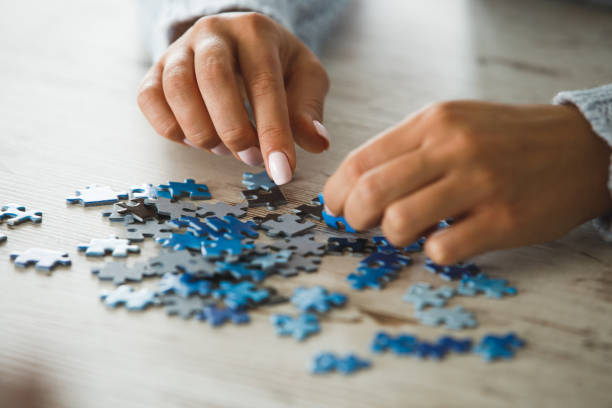
Image: istockphotos
Our brains are constantly changing, and for women, these changes can be influenced by everything from hormonal shifts during menopause to the sheer volume of mental load we carry. Research into neuroplasticity shows that our brains have the remarkable ability to reorganize themselves by forming new neural connections throughout our entire lives.
However, the use it or lose it principle is very real. When we fall into repetitive routines, our brains go on autopilot, and those neural connections can weaken. By introducing brain training for women, we force the brain to step out of its comfort zone. This helps delay cognitive decline and ensures that we maintain our independence and mental clarity as we age. If you’ve been feeling exhausted all the time, it might not just be physical; your brain might be craving the kind of active rest that comes from a good puzzle.
Remember the card game “Pairs” from when you were a child? It turns out that was one of the best memory-boosting activities you could do. Matching games require you to use your visual-spatial memory, the part of the brain that helps you remember where you put your keys or how to navigate a new supermarket.
How to play:
Women often excel in verbal tasks, but this is a muscle that still needs regular work. Word games like crosswords, Scrabble, or even the daily Wordle are fantastic for cognitive health exercises. They activate the left hemisphere of the brain, which handles language processing and verbal recall.
How to play:
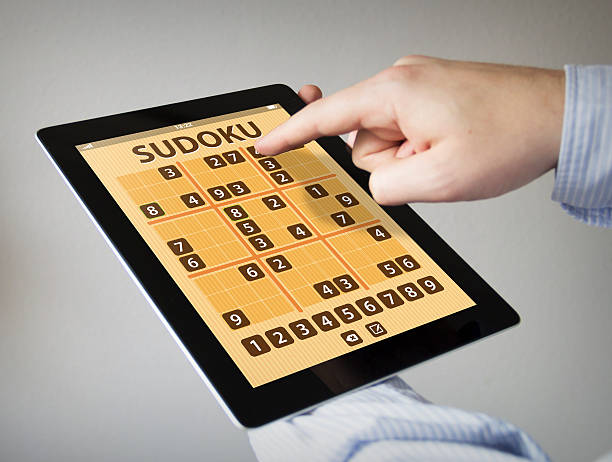
If you were someone who said “I’m not a math person” at school, don’t skip this! Logic puzzles like Sudoku aren’t actually about sums; they’re about patterns, deductions, and working memory.
How to play:
Cognitive fitness isn’t just about logic and words; it’s about imagination. Creative tasks engage whole-brain thinking, stimulating multiple cognitive pathways at once.
How to play:
You don’t always need a board game to train your brain. Some of the best women’s brain games happen in your daily life. We often rely too much on our smartphones, which can lead to digital amnesia.
How to play:
Image: istockphotos
When you engage in these five types of games, you are essentially armoring your brain.
The key to brain training for women is consistency. You don’t need to spend hours a day on this.
Building these habits is just as important as learning how to build a wellness routine you’ll actually stick to.
In conclusion, memory loss doesn’t have to be an inevitable part of getting older. By treating your brain with the same care you give your body, you can maintain your wit, your vocabulary, and your precious memories for decades to come. These brain games for women are more than just a way to kill time; they are an investment in your future self. So, grab a pen, open a puzzle app, or try to memorize your shopping list today. Your brain will thank you for the challenge!
Yes, they help build cognitive reserves. While they can’t cure diseases, they can significantly delay the onset of memory loss and help maintain mental sharpness by strengthening neural connections.
Consistency is better than intensity. Aim for 10–15 minutes every day. This keeps the brain in a state of active learning rather than letting it settle into a sedentary routine.
Women often benefit from a mix of verbal and spatial games to balance the brain’s hemispheres. However, the best game is the one that challenges you personally. If you find numbers hard, Sudoku is actually better for your brain than a crossword!
Absolutely. Sleep, hydration, and managing mental exhaustion are crucial. A well-rested brain can process and store the gains you make during your brain games much more effectively.
Most people notice an improvement in their focus and recall within 4–6 weeks of daily practice. You might find you’re forgetting names less often or feeling more involved during conversations.
Never! Neuroplasticity occurs at every age. Whether you are 30 or 80, your brain is capable of forming new connections if you give it the right stimulation and challenges.