
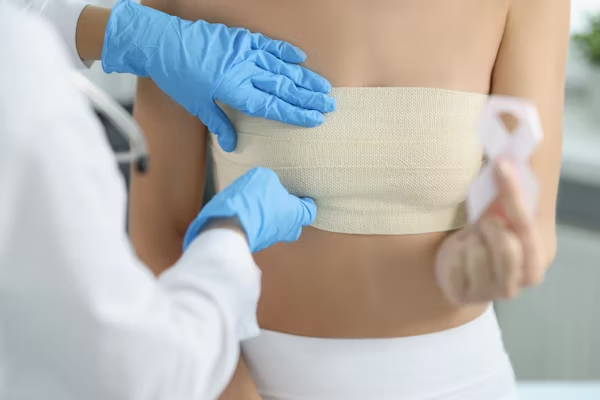
Breast cancer can change how a woman sees her body, sometimes in ways that linger long after treatment ends. Today, breast reconstruction is evolving, and alongside traditional options, newer approaches are offering gentler possibilities that focus on healing, not just appearance.
Medical science has evolved in a way that is inclusive of women’s health, especially in all the ways our wellness guide points out as being essential to the holistic wellbeing of women. Alongside this, women are also asking questions about identity, comfort, and emotional recovery before and after breast reconstruction, and we seek to explore that angle in this article.
Life after treatment often comes with a mix of emotions. Relief can sit alongside the grief and pain of past suffering, and strength may war with vulnerability in your insides. For many women, the body no longer feels familiar, which can be especially unsettling in quiet moments and becomes a mental pressure that refuses to be shaken off easily. Physical recovery takes time, and so does emotional adjustment. Scars tell stories, sensations may change, clothing fits differently, and confidence can wobble. None of this means you’re failing to “move on.”
It simply reflects the profound journey your body has been through. For women considering breast reconstruction or post-cancer breast reconstruction, these feelings are common and part of the adjustment process. According to the NHS Inform, body image concerns after cancer treatment are both common and valid, particularly when surgery alters how a woman recognizes herself. Emotional healing is not linear, and there is no set timeline for feeling “back to normal,” because what feels normal may itself have changed.

Image: Unsplash
When people hear about regrowing tissue, it can sound almost unreal. In short, regenerative medicine is all about helping the body heal itself using its own natural processes. Instead of placing something foreign into the body, these approaches aim to support how cells heal, adapt, and grow. This concept is central to discussions around breast regeneration, which looks at encouraging new tissue formation rather than replacing lost tissue with permanent materials.
Research in tissue engineering has been developing for years across different medical fields, and organisations like the UK’s National Institute for Health and Care Excellence (NICE) regularly evaluate emerging medical technologies and procedures, including approaches that relate to breast reconstruction after surgery, such as lipomodelling after breast cancer treatment, to ensure they meet safety and ethical standards before wider use.
One company contributing to this evolving conversation is Lattice Medical, a French medical technology firm focused on women’s health innovation. Their work centers on supporting the body’s own healing mechanisms after cancer surgery.
Rather than positioning themselves as a cosmetic solution, they focus on post-surgical recovery and long-term comfort. Their approach has gained attention because it reframes reconstruction as part of overall healing, not just visual restoration. You can read a neutral overview of their work on Venture Stori, which outlines how their technology fits into the wider landscape of regenerative medicine without promising outcomes or oversimplifying the science.
The technology developed by Lattice Medical uses a temporary, bioresorbable scaffold. This scaffold is placed during surgery and designed to dissolve naturally over time. The idea is simple, even if the science is complex. Lattice Medical’s technology uses a temporary structure (the thing called a scaffold) that a surgeon places during breast surgery. This structure acts like a support frame, giving the body a shape to grow into.
Over time, the body fills the frame with its own tissue, often helped by a small amount of the patient’s own fat. As the body heals, the support frame naturally disappears, leaving new, natural tissue in place. This process supports breast regeneration by working with the body instead of relying on permanent implants. Clinical trials are ongoing, and results can vary depending on each person’s health and treatment history.
Traditional breast reconstruction often uses implants or complex flap surgeries. These options work for many women, but they may not be right for everyone. Implants can sometimes need to be replaced later and may feel uncomfortable or unnatural. Regenerative approaches, like the Lattice Medical device, try to reduce long-term foreign materials in the body and let the breast tissue grow naturally.
For women considering breast reconstruction after cancer, this approach can feel less permanent, more natural, and better aligned with how the body heals over time. There isn’t a single “best” option, just what works for each person’s health, comfort, and preferences.
Healing isn’t only physical. Many women describe reconstruction decisions as deeply emotional, tied to how they see themselves and their identity. Research shows that women who undergo breast reconstruction after mastectomy often experience improvements in body image and emotional well‑being compared with those who do not, highlighting how this process can support post-cancer breast recovery and help women feel more at home in their bodies again.
Feeling involved in decisions, informed about options, and respected by medical teams matters just as much as the surgical outcome itself, and learning ways to cope with negative emotions calmly can be an important part of adjustment after cancer.
Regenerative approaches are not suitable for everyone, and that’s important to say clearly. Women considering breast reconstruction after cancer should always have detailed conversations with their surgical and oncology teams. These options may appeal to women who:
It’s important to have realistic expectations when considering breast reconstruction. Although innovations offer promising options, they don’t always come with guarantees. Consider speaking with a qualified consultant to help you determine whether breast reconstruction or regenerative techniques align with your health history and personal needs, and whether it’s what’s good for you now.
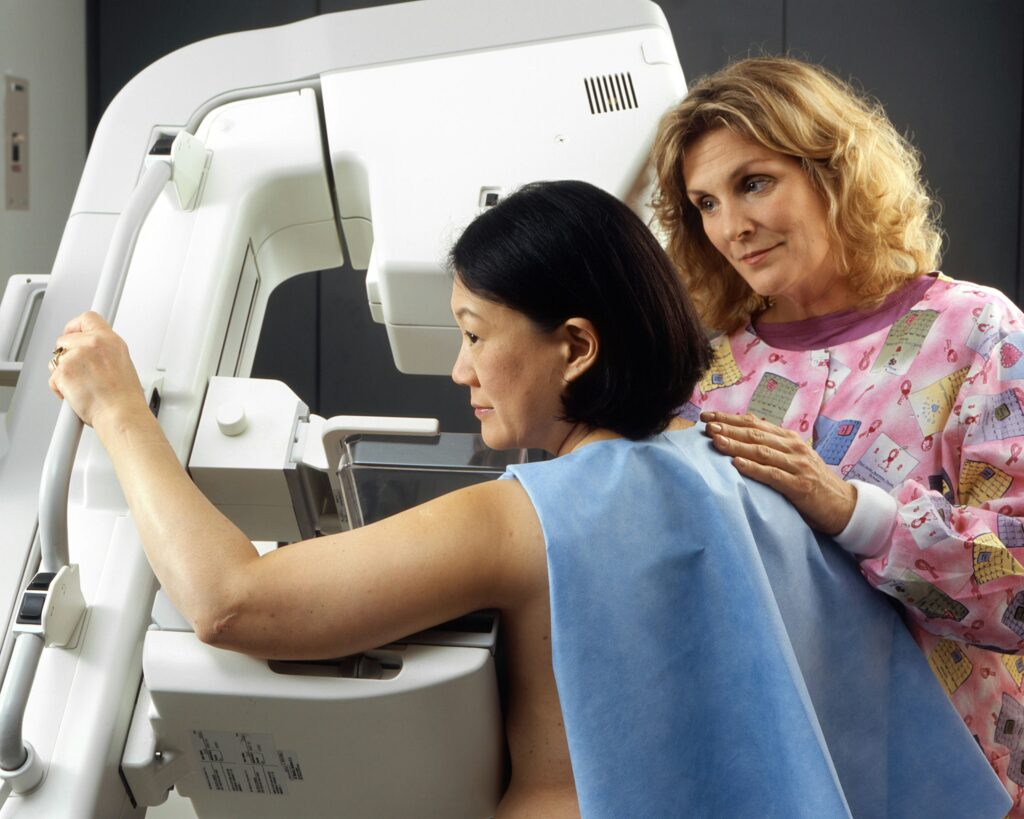
Image: Unsplash
Medical innovation moves carefully, as it should, and this is especially true for areas like regenerative medicine and breast reconstruction research. Before new techniques become widely available, they go through many stages of clinical trials, ethical review, and regulatory assessment to ensure they are safe and effective.
In the UK and Europe, strict oversight by bodies such as the Medicines and Healthcare Products Regulatory Agency (MHRA) and Health Research Authority (HRA) protects patient safety and builds public trust in research. Updated clinical trial regulations and guidance aim to streamline research while keeping safety central, and results from early studies focus on outcomes, possible complications, and long-term well-being. For women considering post-cancer breast reconstruction options, understanding this process can ease anxiety, because safety isn’t an afterthought; it is the foundation of how new medical approaches are developed and tested.
No surgical choice exists in isolation, and healing often goes far beyond the physical. Emotional support, counseling, and meaningful connections can play a powerful role in recovery. For many women, the cancer experience becomes a turning point—one that reshapes how they see stress, self-expectation, and what truly matters. Some find strength in peer support or advocacy, while others process their journey more privately through therapy, reflection, or creative expression. There’s no single right path.
Through the journey, some women also learn how to turn negative experiences into life lessons. They use their cancer story as a drive for purpose, whether that means supporting others, sharing their story, or simply living with greater compassion toward themselves.
If you’re curious but cautious, that’s a healthy place to be. Small, grounded steps might include:
Whether or not breast regeneration becomes part of your journey, your body deserves patience and respect. Healing is not a race.
Wrapping up, Breast cancer changes the body, but it does not remove a woman’s right to choice, dignity, or hope. Today, breast reconstruction is no longer a single story. Regenerative innovation offers new possibilities, while emotional healing reminds us that recovery is deeply personal. Whether you explore traditional methods, newer approaches, or decide against surgery altogether, informed decisions and self-compassion matter most. Your body has carried you through a lot, and it deserves gentleness as it heals.
Research into regenerative medicine shows that the body can rebuild tissue under certain conditions, but results vary. These approaches are still developing and are not guaranteed outcomes.
Lattice Medical develops regenerative technology designed to support natural tissue regrowth after breast surgery, focusing on healing rather than permanent implants.
Regeneration supports the body’s own healing processes, while implants introduce a permanent foreign material. Each approach has benefits and limitations.