
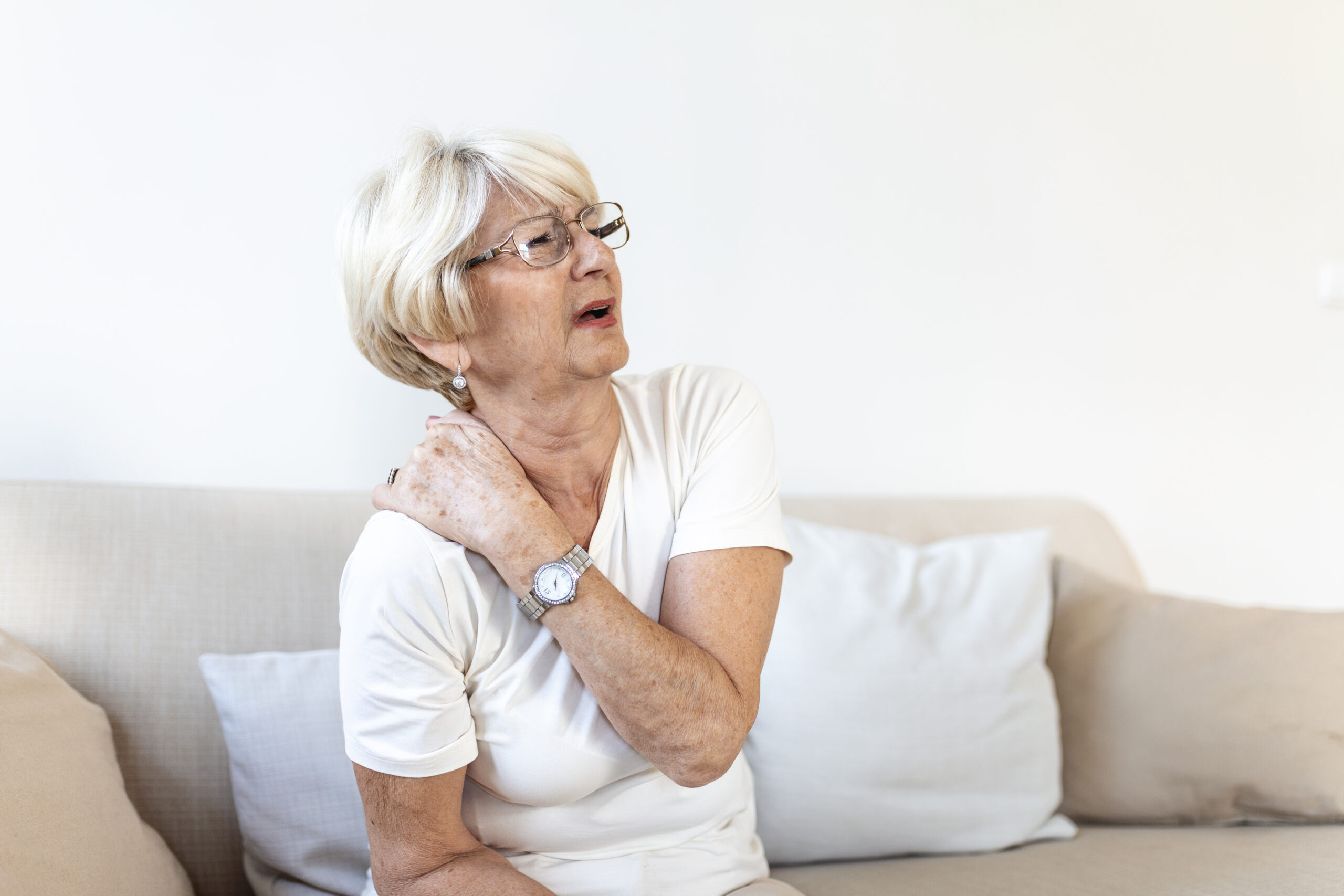
Bone loss often happens quietly and is not as dramatic as it may seem. It may seem far-fetched, but learning how to prevent osteoporosis early can make a real difference to how strong and mobile you feel later in life. The reassuring part? You don’t need to overhaul your life or panic about every ache.
Much of women’s bone health is shaped by everyday habits, some of which are already discussed in our complete wellness guide. Stay tuned for more information on bone health in general, women’s bone health specifically, and osteoporosis prevention tips.
Medical research describes osteoporosis as a condition where bones gradually become thinner and more fragile. Instead of being dense and strong, they develop tiny gaps that weaken their structure. This makes fractures more likely, even from minor falls or everyday movements.
It is a progressive condition that weakens bone structure over time, reducing bone density and making bones more fragile and prone to cracking from minor knocks, falls, or even everyday movements like bending or coughing.
Sources say that healthy bone is living tissue that constantly renews itself, but as people age, especially after around age 30–40, bone resorption begins to outpace bone formation, leading to a gradual loss of bone mass and strength. This imbalance makes bones less dense and more susceptible to fractures, particularly in weight‑bearing sites such as the hip, wrist, and spine.
Johns Hopkins Medicine relates that women are particularly at higher risk after menopause due to a drop in estrogen, which normally provides bone density support, and many people don’t realize they have osteoporosis until a fracture occurs.
What makes osteoporosis tricky is that it often progresses silently. Many people don’t realize their bone health has declined until a fracture occurs. Hips, wrists, and the spine are particularly vulnerable, and recovery can be slow and life-disrupting.
Women are more vulnerable to bone loss for several biological reasons, according to medical research. One of the biggest factors is hormones. Estrogen plays a protective role in maintaining bone density, and levels naturally decline during menopause.
Women also tend to reach a lower peak bone mass earlier in life compared to men. Pregnancy and breastfeeding can affect bone health, and in addition, long periods of dieting and under-eating can also impact women’s bone health if the body isn’t adequately nourished.
Aging adds another layer, but risk isn’t limited to later life. Supporting women’s bone health early helps reduce cumulative loss and builds a stronger foundation for the years ahead.

Image: Unsplash
The NHS UK provides a wealth of expert nutritional advice for maintaining healthy bones.
Nutrition is one of the most effective ways to prevent osteoporosis, and it goes beyond simply drinking milk. Calcium is essential, but it works best when combined with other nutrients that aid in bone absorption and utilization.
Yogurt, cheese, leafy greens, tofu, almonds, and fortified plant milks are all good for bone density. Vitamin D, which aids in calcium absorption, is obtained from sunlight and foods such as oily fish and eggs. Magnesium and vitamin K also contribute to bone structure.
When it comes to the best foods for women’s health, particularly to prevent osteoporosis, protein matters too. Adequate protein intake helps maintain bone and muscle strength, reducing fracture risk. On the other hand, chronically high salt intake, excessive caffeine, and heavily processed foods can all disrupt calcium balance.
These dietary choices do not have to be rigid. Find recipes that let you enjoy your food without compromising your health. Incorporate these essential nutrients in your diet, and your bones will thank you in the long run.
Research has it that moving your body sends a powerful signal to your bones: stay strong. Weight-bearing and resistance exercises encourage bones to maintain density, making them one of the most effective osteoporosis prevention tips available. It would surprise you the various benefits of exercise beyond weight loss.
According to the Mayo Clinic, several types of exercise help prevent or manage osteoporosis because they strengthen muscles and bones, improve balance, and help reduce fracture risk. These include walking, dancing, climbing stairs, and light jogging. Strength training, which can be done with weights, resistance bands, or your own body weight, also helps bones adjust to load and improves posture and balance.
You do not need to work out every day. Two or three short strength sessions a week, combined with regular movement, can meaningfully support bone health.
PubMed presents research evidence that bones respond to what’s happening in the rest of your body. Irregular periods, chronic stress, very low body weight or long-term restrictive eating can all disrupt hormonal balance and weaken bones.
Supporting women’s bone health means paying attention to menstrual changes, fuelling adequately and managing stress before it becomes chronic. Cortisol, the stress hormone, can interfere with bone formation when levels stay elevated for long periods.
Regular check-ups, especially during perimenopause and menopause, help catch early changes. Bone protection isn’t just physical, it’s deeply connected to how supported and regulated your body feels overall.
Some habits are loudly dangerous to the bones, while others quietly work against bone density support, even when they don’t seem directly linked to bone health.
Smoking is strongly connected to reduced bone mass and increased fracture risk because the chemicals in tobacco interfere with how bone‑forming cells function and decrease calcium absorption, making bones more fragile over time.
Current smokers, particularly postmenopausal women, are at a significantly higher risk of weaker bones and fractures than non‑smokers. Likewise, excessive alcohol intake can disrupt the balance of bone formation and resorption, interfere with calcium metabolism and nutrient absorption, and increase the likelihood of falls that lead to fractures.
Long stretches of inactivity also weaken both muscles and bones, reducing bone‑building stimulus and elevating fall risk. And crash dieting or repeated weight cycling can deprive bones of essential nutrients like calcium and vitamin D, compounding loss of bone density and increasing osteoporosis risk.
One of the most empowering ways to prevent osteoporosis is simply knowing your risk. Family history, early menopause, previous fractures, or long-term steroid use all increase vulnerability.
Bone density scans (DEXA scans) are painless and provide valuable insight into bone strength. They’re usually recommended later in life or earlier if risk factors are present, and your GP can guide you on timing.
Awareness isn’t about raising unnecessary alarm; it is about being well informed of your health status so that you can begin to incorporate simple daily habits that will result in better health for your bones and whole body. It’s about making informed choices early, while habits still have the greatest protective effect.
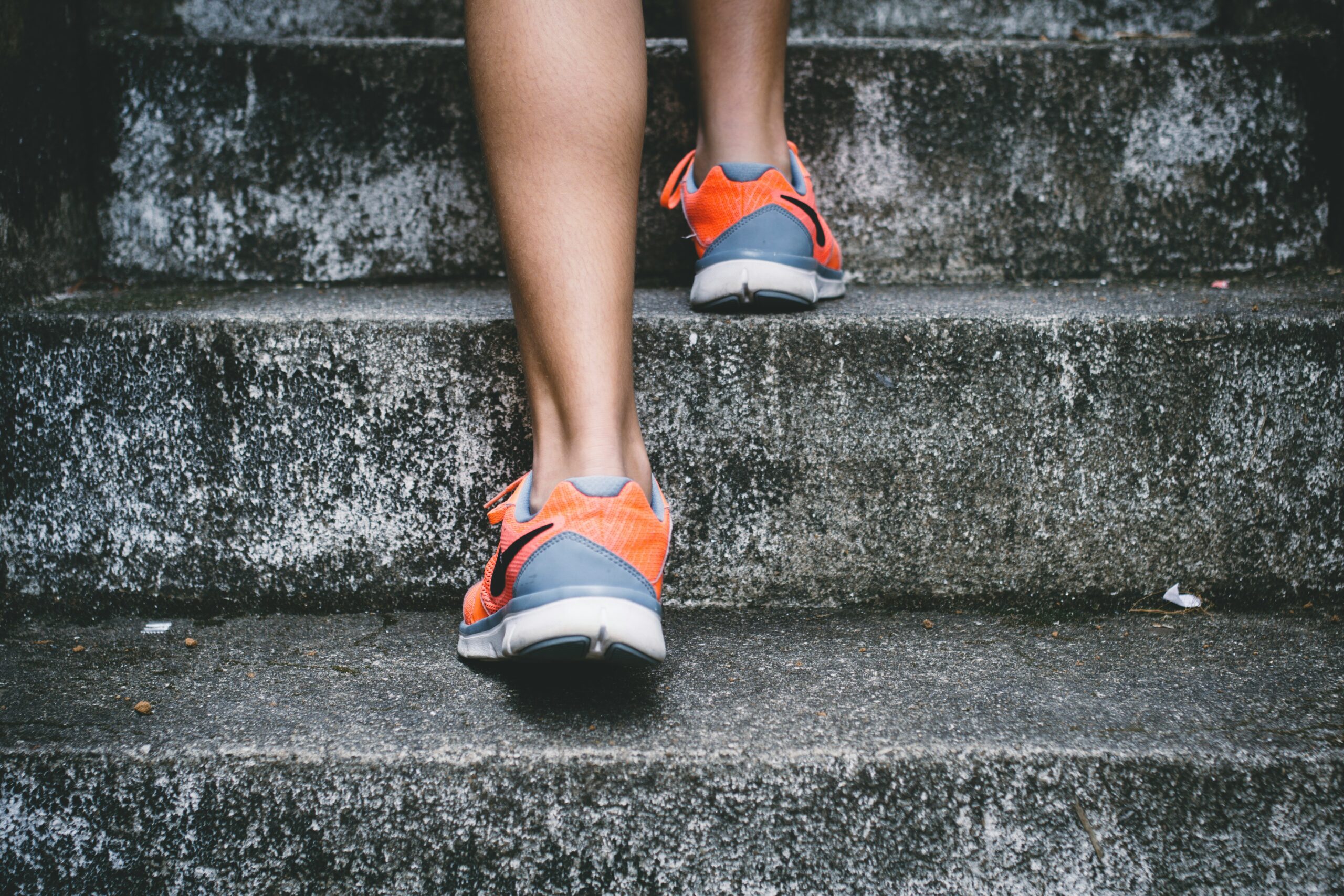
Image: Unsplash
Taken together, these habits slow bone loss, improve balance, and strengthen the entire skeletal system. They reduce fracture risk, support mobility, and help maintain independence as you age. Rather than relying on one solution, layering osteoporosis prevention tips creates resilience. Nutrition fuels bone repair, movement strengthens structure, hormones regulate turnover, and awareness keeps everything aligned.
Remember this: bone health is cumulative. What you do most often matters far more than what you do perfectly.
You don’t need to change everything at once to prevent osteoporosis. Start where it feels easiest. Add a calcium-rich food to one of your daily meals. Walk every day, even if only for a short time. Include two short strength training sessions per week. Spend a little time outdoors for vitamin D. Pay attention to stress and rest.
These small steps compound quietly, building bone density support without overwhelm. If mental fatigue is making consistency hard, your body may be showing signs of stress, and you may need help identifying where energy is leaking and how to respond to that.
Concluding, bone health isn’t built overnight. It’s shaped slowly, through nourishment, movement, hormonal care, and awareness. The good news is that it’s never too early, or too late, to prevent osteoporosis. You don’t need fear to motivate you. Small, steady osteoporosis prevention tips protect your bones while supporting your overall well-being. With patience and consistency, you’re not just protecting your future; you’re making everyday life feel stronger and more supported, too.
Osteoporosis is a condition where bones become weak and brittle, increasing fracture risk. It often develops silently over the years, which is why early awareness and prevention are important.
Calcium-rich foods (dairy, fortified plant milks, leafy greens), vitamin D sources (sunlight, oily fish), magnesium, vitamin K, and adequate protein all support bone density. Limit excess salt, caffeine, and heavily processed foods.
Weight-bearing activities (walking, dancing, and stairs) and resistance training (weights, bands, and bodyweight exercises) help maintain bone strength, posture, and balance and reduce fracture risk.
DEXA scans are usually recommended around menopause or earlier if risk factors exist, such as family history, previous fractures, or long-term medication affecting bone health.