
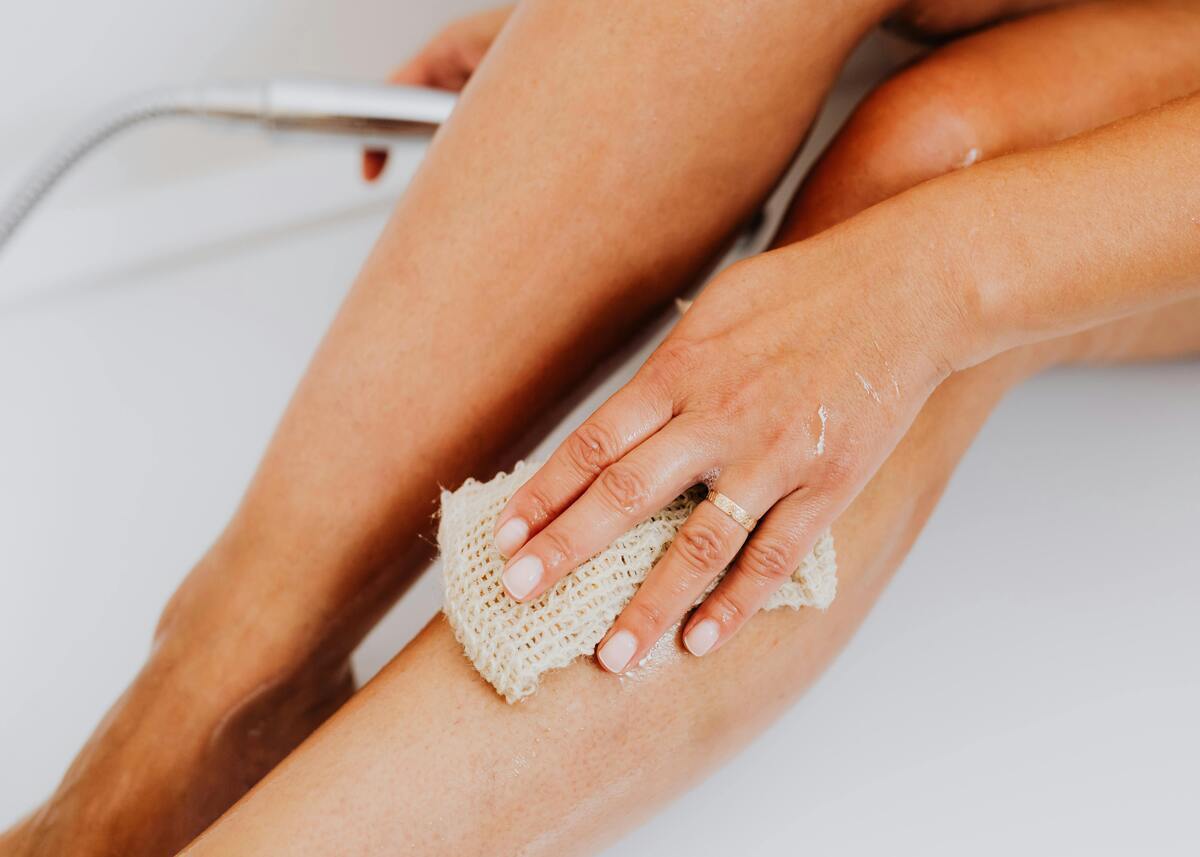
Are you constantly looking for ways to enhance your natural beauty and achieve that admired glow? You’ve tried so many things, but nothing seems to work and your skin still looks dull. As a woman, some benefits come with exfoliation that you should not sleep on.While this natural process is essential for healthy skin, sometimes dead cells can accumulate, dulling your complexion.
Exfoliation helps to remove dead skin, revealing a brighter and more youthful appearance. This is where exfoliation comes in. Regular exfoliation is one simple, yet powerful skincare step that can make all the difference in whatever skincare routine you have by gently removing the buildup of dead skin cells. This uncovers a brighter, smoother, and more youthful-looking you. Whether you are exfoliating your face or body, here are some key benefits you can expect if you decide to try out exfoliating.
You need to understand that exfoliation depends on your skin type. Oily skin and acne prone skin may benefit from deeper exfoliants like salicylic acid, while dry skin or sensitive skin needs gentle exfoliation with lactic acid. Its good you know this. Skin type that is a combination of oily and acne prone will stay somewhere in between, which means they may benefit from either deeper or gentler exfoliants. Mature skin benefits from chemical exfoliation because it boosts collagen production.

Source: Pexels
Dead skin cells accumulate on your skin’s surface. When you exfoliate, you remove these dead skin cells from the outer layer of the skin. These benefits help reduce the appearance of pores, enhance skin radiance, and create a more even skin tone after exfoliation. Regular exfoliation can also help reduce the appearance of fine lines and wrinkles, giving your skin a more youthful appearance.

Source*: Pexels*
According to , clogged pores lead to breakouts, blackheads, and other skin issues. Skin exfoliation with a gentle scrub or chemicals like salicylic acid, AHAs, and beta hydroxy acids (BHAs) can go a long way in unclogging pores. The impurities, dead skin, and excess oil that clogs your pores, over time, keeping your pores clean and reducing the chances of acne. Regular exfoliation can also reduce pore size, minimize breakouts, improve skin texture, and prevent ingrown hairs.
By unclogging pores, exfoliation benefits you by reducing the appearance of acne scars and hyperpigmentation, leaving your skin with a more even tone. Aside from clogged pores, large pores are another skin issue and exfoliating can help reduce their appearance, giving your skin a smoother appearance.

Source:Pexels
Rough or uneven skin can be frustrating and difficult to manage and you know this. You might have even tried to cover it up with makeup, but somehow, it manages to shine through. Bybirdie says that regular exfoliation can help you solve this by smoothening out your skin to remove the dead cells that cause the roughness on your face. Doing this over time will leave your skin feeling softer and look more even.
Another way exfoliation can improve your skin texture is by improving your skin elasticity, and firmness. Doing this will give your skin a natural, healthy glow. Additionally, exfoliation can help to improve skin hydration, leaving your skin feeling softer and more supple, and giving you healthier-looking skin.

Source: Pexels
Good blood flow is necessary if you want to have healthy skin. It is one of the key benefits of exfoliation. It brings oxygen and nutrients to the skin’s surface, nourishing your skin cells to help give you a radiant glow. When blood flows freely, it delivers essential vitamins and minerals to your skin, removes waste products and toxins that can dull your complexion, and keeps your skin cells healthy and functioning properly.
Exfoliating helps increase blood flow, which improves skin firmness, texture, and tone. Healthy blood flow is the secret to a brighter, more vibrant complexion, and a simple exfoliating routine can make all the difference.

Source:Pexels
Have you ever noticed a time when it felt like your skincare product just stopped working or wasn’t as effective as it used to be before? Did it ever occur to you that the reason why that happened could be because of the dead skin cells blocking the products from absorbing into your skin and doing what they are supposed to do?
When your skin is covered in dead cells, it’s harder for skin care products to work effectively. Exfoliation clears the way by allowing your moisturizers, serums, and other products to absorb better and work more efficiently. This helps to maximize the benefits of your skincare routine, leaving your skin looking and feeling its best, and allowing skincare products to reach deeper layers for your skin.

Source: Pexels
Ingrown hairs can be a frustrating and painful issue, especially if you shave or wax regularly. Regular exfoliation is important to use to prevent ingrown hairs by keeping your hair follicles clear and removing dead skin cells that can clog pores. This is especially important for areas like the bikini line, underarms, and legs, where ingrown hairs tend to occur more frequently.

Source:Pexels
If your skin looks tired or dull, exfoliating can be a great solution for a brighter and more even complexion. Over time, dead skin cells can build up on the surface of your skin, making it look lackluster and uneven. Exfoliation helps to gently remove these dead cells, revealing the fresh, glowing skin underneath. This process brightens your complexion, giving you a more vibrant and youthful appearance.
Regular exfoliation does more than just make your skin look brighter. It can also help to even out your skin tone, reducing the appearance of dull patches. By encouraging the shedding of pigmented cells, aiding your skin tone become more even over time. This can lead to a noticeable improvement in your skin’s overall look, boosting your confidence and helping you feel more comfortable in your skin.

Source: Pexels
Collagen is a key protein that keeps your skin firm, elastic, and bouncy. It’s like the framework that supports your skin, helping it stay strong and youthful. As you get older, your body makes less collagen, which can lead to sagging skin, wrinkles, and a less youthful look. Exfoliating your skin helps in more ways than just removing dead skin cells. Using chemical exfoliants encourages your skin to produce more collagen. This extra collagen makes your skin feel smoother, tighter, and younger. So, regular exfoliation can be a simple yet effective way to keep your skin looking fresh and firm as you age.
Physical exfoliants and chemical exfoliators work differently, and you need to know the difference in other to save your skin from damage. Physical exfoliants, like scrubs, brushes, or grainy products, work by manually sloughing off dead skin cells from the surface, which gives instant smoothness, but they can be harsh if overused or if your skin is sensitive. Chemical exfoliators, on the other hand, use ingredients like glycolic acid, lactic acid, salicylic acid, or citric acid to gently dissolve dead skin cells and unclog pores without scrubbing. These acids penetrate deeper into the skin, making it good for sensitive skin, acne prone skin, or mature skin, and they not only remove dead cells but also stimulate cell turnover, collagen production, and a natural glow.
Exfoliating properly is all about being gentle and consistent. You can begin with lukewarm water to open your pores, then apply your exfoliant using soft circular motions, don’t try to scrub harshly, because that can damage your skin. Depending on your skin type, exfoliate about 2–3 times a week. Oily or acne prone skin might need more frequent exfoliation, while dry or sensitive skin may benefit from once a week. After exfoliating, always moisturize to lock in hydration and protect your newly revealed skin, which will feel smoother and more supple immediately.
Your skin type determines the best way to exfoliate. Oily and acne prone skin benefits most from salicylic acid because it penetrates deep into pores to unclog them and prevent breakouts. Dry skin thrives on lactic acid, which gently removes dead cells while adding moisture. Combination skin requires alternating between salicylic acid and lactic acid to balance oily and dry areas, while sensitive skin should stick to mild chemical exfoliants like mandelic acid that exfoliate without irritation. Mature skin gains the most from glycolic acid, which supports cell turnover, boosts collagen, and smooths fine lines for a youthful appearance.
Over-exfoliation can actually harm your skin rather than help it. If your skin feels tight, red, irritated, or burns after exfoliating, it’s a way to show that you’re doing too much. Instead of achieving smoother skin, over-exfoliation damages your skin barrier, causing dryness, sensitivity, and inflammation. The solution is to reduce the frequency, switch to a gentle exfoliator, and always follow up with a nourishing moisturizer to help your skin recover.
The results of exfoliation doesn’t just happen overnight, but they are worth the wait. Once you exfoliate regularly, you will begin to notice smoother skin and a natural glow within 1–2 weeks. Improvements in acne scars, hyperpigmentation, and uneven skin tone takes longer to see result, but sticking to a consistent routine ensures long-term benefits. Your skin gradually becomes softer, healthier, and more radiant, reflecting the care you’ve put into your skincare.
Choosing the right exfoliating ingredients is key to getting good result. Glycolic acid, lactic acid, salicylic acid, citric acid, alpha hydroxy acids (AHAs), water-soluble acids, and gentle exfoliators all help remove dead skin cells while supporting cell turnover. Each ingredient works differently, AHAs are great for brightening and smoothness, BHAs like salicylic acid penetrate oily pores to prevent acne, and lactic acid hydrates while exfoliating. Selecting the right one based on your skin type ensures there is no irritation.
Building a simple exfoliation routine will keep your skin healthy without overdoing it. For most skin types, exfoliating twice a week is enough to maintain smoothness, even tone, and a natural glow. The key is to be consistent. Gentle, regular exfoliation protects your skin barrier, prevents clogged pores, and allows new skin cells to surface naturally. You can pair this with your regular skincare routine for maximum results.
Finally, exfoliation is one of the most transformative steps you can take for your skin. When you do it correctly, it removes rough patches, prevents acne, brightens your skin tone, stimulates collagen, and ensures your skincare products work effectively. The best part is that this results build over time, with patience and consistency, your skin will become healthier, softer, and radiantly beautiful, reflecting the care and effort you put into every step of your routine.