
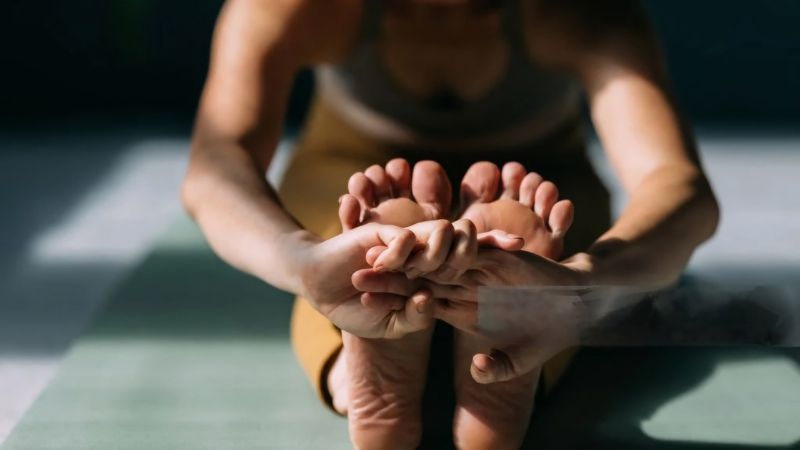
You know that heavy ache in your belly that makes getting out of bed feel difficult? That’s menstrual cramps, and while it’s completely normal, it doesn’t have to ruin your day. These cramps happen because your uterus is contracting to shed its lining, and it is caused by a chemicals called prostaglandins in your body.
But here’s the good thing, understanding why cramps happen can help you fight them back and actually feel better on your period days. Moving your body gently, can actually ease these pain. In this article, I will how show you seven best practices to indulge in to have a great period.
Menstrual cramps, often called period cramps or dysmenorrhea, are a common part of the menstrual cycle for many women. These cramps can range from a dull ache to sharp, intense pain in your lower belly, and they are sometimes accompanied by other symptoms like bloating, breast tenderness, and mood swings. The root cause of menstrual cramps is the uterus contracting to shed its lining, a process triggered by hormone-like substances known as prostaglandins.
When these chemicals are released, they cause the uterine muscles to tighten and relax, leading to the familiar discomfort of period pain. While cramps are a normal part of the menstrual cycle, they can be disruptive. Fortunately, incorporating gentle movement, yoga practice, and pelvic floor exercises into your routine can help alleviate period pain and reduce menstrual cramps, making your period days more manageable.
Menstrual cycle is a natural, recurring process that prepares the woman body for a potential pregnancy. It’s divided into several phases: the menstrual phase ( This is when the uterus sheds its lining), the follicular phase (when follicles in the ovaries grow and estrogen levels rise), the ovulatory phase (when an egg is released), and the luteal phase (when progesterone prepares the uterine lining for pregnancy).
Each phase brings its own hormonal shifts, which can lead to menstrual cramps and other symptoms associated with premenstrual syndrome (PMS), such as mood changes, bloating, and fatigue. Understanding how your menstrual cycle works can help you anticipate and manage these symptoms, making it easier to choose the right exercises and self-care strategies for each stage, especially when the uterus sheds its lining and cramps are most likely to occur.
Exercise boosts blood flow, relaxes body muscles, and triggers endorphins which is called the body natural painkillers. This exercise ranges from short walks, some stretching, or a few poses, gentle weight lifts. Instead of worsening the pain, consistent movement during your period can calm cramps, improve your mood, and make your period feel way more manageable. Exercise is just the thing your weak body needs.
Regular exercise is an excellent way to reduce menstrual cramps and alleviate menstrual discomfort. Physical activity can help improve blood circulation, reduce muscle tension, and release endorphins, which are natural painkillers. Exercise can also help reduce the severity of premenstrual syndrome (PMS) symptoms, such as bloating, mood swings, and fatigue. Aerobic exercise, in particular, has been shown to be effective in reducing menstrual pain and improving overall well-being. By incorporating exercise into your daily routine, you can experience significant benefits, which includes reduced period pain, improved mood, and enhanced body awareness. So move ith me to the types of exercises you could try out.

Source: istock
Aerobic exercises like walking, swimming, or cycling are your best friends on period days among many others. You might be wondering if you can engage in swimming while on your period as both do not sound like they go together. However, it is possible with the latest upgrades in period supplies like tampons. Moreover, swimming is one of the perfect aerobic exercises for your body and can help a great deal to reduce your cramps. The stretching of your muscles during this exercise helps to release tension and even improve your mood.
Walking is also another great option for aerobic exercise. It is gentle on the joints and stimulates the release of endorphins, which help to reduce cramps. A brisk walk for 20-30 minutes can effectively alleviate period cramps and contribute to overall well-being. Cycling is another great option. It could be a gentle ride in the park or a high-intensity one, both tempos will greatly improve every menstrual pain severity or premenstrual symptoms.

Source: istock
Pelvic stretches, like the cobra poses, fish pose, and forward folds, helps to relax your muscles and reduce menstrual pain. These exercises can strengthen your spine and improve your flexibility. It also promotes deep breathing which will give your body an overall calming effect.
Beyond the stretching of your muscles and lessening menstrual pains, they also calm your mind, helping you shake off stress and anxiety and feel more centred. While you stretch, please inhale deeply and imagine sending warmth to your lower belly. It’s like telling your body, “I’ve got you, relax now.” These stretches are simple, but they make a huge difference in how your period feels.
These are exercise like indoor movements like jogging on the spot, jumping jacks and standing alternate toe touch. On the surface, this might not sound like a great idea to engage in while experiencing period cramps. However, the endorphins released during cardio make it absolutely worth it. These exercise not only help to reduce menstrual pain but also assist in weight loss while maintaining your cardiac health.
For jogging on the spot, you start by jogging slowly on a spot and continue for 20-25 mins. Most people love jumping jacks as one of the best cardio exercises. It not only helps to reduce period pain but aids weight loss and improves the overall blood circulation of the body. You should engage in 15-20 reps or to the extent of your capacity.
Performing these activities will supply more endorphins to your body which will reduce mood swings, irritability and other negative emotions while keeping you released and positive for the day. Your body will definitely thank you for the endorphins released through this cardio, especially in managing the discomfort associated with painful periods.

Source: iStock
Child’s pose, wind-relieving pose, and supine spinal twists gently ease tension in your abdomen and lower back. They also help with bloating and stress. A number of the poses call for the head to be lowered below the level of the heart, known as inversions.
Stretching will help with the symptoms you are experiencing, regardless of how you feel about your period. Stretching poses are one of the most relieving exercises to engage in during your period. They help with soothing physical and mental stress while aiding weight loss and proper meditation. They also improve flexibility and help you manage period pain. Child’s pose is effective for alleviating cramping and lower back pain.
Supine spinal twist which is effective for any muscle tension you may feel as a result of period cramps. The twist also helps release any stress on your lower back and abdomen. The child pose takes out any period pain gathered at your lower back and relaxes your abdominal muscles. Keep your arms forward in child’s pose to enhance relaxation. The wind relieving pose gets rid of any bloating and expels gas from your abdomen which makes you feel lighter and more relaxed during your period.

Source: istock
Body weight exercises like squats and walking lunges, help you with body movement and are also a great way to get in good shape. Squats distribute the weight on your leg muscles and lift it all when you come up. It makes your gluts stronger and massages your core muscles. Remember to keep your knees bent during squats to engage the pelvic floor and core muscles effectively.
According to research, your period week may see higher improvements in strength and power, so if you’re feeling particularly powerful, now might be a good time to push the weight. Simply scale down on the number of repetitions and lengthen the rest period in between sets, while maintaining a balance between the weight you lift and the intensity.
Walking lunges are also a great way to stretch your body and get it moving during your period. Your lower body and your core muscles which are muscles that cause pain during periods are engaged. Muscle aches are greatly relieved with this exercise. Ensure to keep your feet flat on the ground during walking lunges for better stability and muscle engagement.

Source: istock
Shadowboxing for the sake of fitness, is the act of punching the air or a boxing bag rather than a live opponent. This is an enjoyable method to practice boxing and get some great cardio indoors! The name refers to the fact that one looks to be fighting their own shadow when doing the move while standing close to a wall.
Shadowboxing can be considered a form of high intensity interval training (HIIT).
It is a strenuous aerobic workout that promotes weight loss. Shadowboxing is a mental and physical workout that helps you de-stress. Endorphin release will lift your spirits and provide a sense of well-being, alleviating menstrual pain. This is also incredible for weight loss too! An extra benefit!

Source: istock
One of the most enjoyable exercises that help you with period cramps and get you moving is to dance, even if your mood isn’t perfect. Putting on some music and dancing for twenty to thirty minutes is a great method to get your heart pumping, muscles moving, and endorphins flowing. It’s a joyful way to take your mind off pain while gently relieving cramps. Those vigorous Zumba exercises are available online and are great to work on your muscles. Dancing can also be a form of gentle movement that helps alleviate menstrual cramps.
After this workout, your body will produce endorphins, which will help you feel calmer and more relaxed throughout your periods. Putting in some fun music to dance to for 10-20 minutes is a great way to get some intense full body cardio whilst reducing any period cramps you may feel. Dancing releases endorphins and can significantly improve mood during periods.
Cardio kickboxing, also known as fitness kickboxing, combines fun moves with full-body engagement. Kicks, punches, and core work strengthen your lower body. You can work up a sweat at home by practising kickboxing by following the available online routines. Fitness kickboxing includes knee strikes, roundhouse kicks, sidekicks, rear kicks, and front kicks, among other moves. Strengthening your inner core and working on your upper body are two of the best exercises. Kickboxing can also provide cramp relief by engaging the core and lower body muscles.
Kickboxing is a full-body workout with more focus on the lower body. A great deal of period pain can be relieved with these exercises by reducing the strain on the lower back and pelvic muscles. Your body will release endorphins and serotonin during this exercise session, enhancing happiness and reducing discomfort.
The discomfort of period days may have you relinquish the idea of working out or engaging in bodily movement. However, exercises that help you with period cramps reduce that discomforting pain. Remember that you do not necessarily need to be at the gym to workout as most of these exercises can be done in the comfort of your home. Always care for your body and stay active, as kickboxing can help reduce pain associated with period cramps.
Breathing exercises are a simple yet powerful way to ease menstrual cramps and reduce pain during your period. Techniques like diaphragmatic breathing and belly breathing help calm the nervous system, reduce stress, and relax tense muscles. To try belly breathing, find a comfortable spot to lie flat on your back with your knees bent and feet flat on the floor, or sit upright with your back straight.
Place one hand on your belly and the other on your chest. Inhale slowly through your nose, letting your belly rise as you fill your lungs with air. Then exhale gently through your mouth, feeling your belly fall. Repeat this deep breathing for a few breaths, focusing on releasing tension and discomfort with each exhale. Practicing these breathing exercises regularly can help reduce pain, promote relaxation, and make it easier to manage other symptoms that come with your period.
The luteal phase, which occurs after ovulation and before your period starts, is a time when your body produces more progesterone to prepare the uterine lining. Many people experience symptoms like bloating, breast tenderness, and mood swings during this phase. Engaging in low-impact cardio, such as a gentle walk or swimming, can help reduce menstrual cramps and boost your mood.
Excercise poses like child’s pose and downward dog are very helpful for releasing tension in the back and hips, promoting relaxation, and easing discomfort. It’s important to listen to your body during the luteal phase, if you feel more tired or sensitive, opt for gentle movement and restorative yoga to support your well-being and reduce tension.
The follicular phase begins right after your period ends and lasts until ovulation. During this time, rising estrogen levels can leave you feeling more energetic and motivated. This makes it a great phase to try high intensity interval training (HIIT), strength training, or other forms of regular exercise that can help reduce menstrual cramps and improve your overall mood.
Participating in poses like cat cow and pigeon pose can also help reduce tension, increase flexibility, and support pelvic floor health. Staying hydrated and eating a balanced diet will help fuel your workouts and keep your body moving smoothly. By taking advantage of the natural energy boost during the follicular phase, you can make the most of your exercise routine and experience greater period pain relief throughout your cycle.
Start with gentle exercises, such as stretching poses or brisk walking, and gradually increase the intensity as you become more comfortable. Pelvic floor exercises, such as Kegels, can also help reduce menstrual cramps by strengthening the pelvic floor muscles. Remember to breathe deeply and focus on your body’s needs, taking regular breaks to rest and recharge. By being mindful of your body and adjusting your exercise routine, you can maximize the benefits of exercise and reduce menstrual discomfort. Always remember, the key is to listen to your body and do what feels right for you.
A well-balanced diet and proper hydration are crucial for managing menstrual cramps and overall health. Eating foods rich in complex carbohydrates, fibre, and omega-3 fatty acids can help reduce inflammation and alleviate symptoms. Staying hydrated by drinking plenty of water can also help reduce bloating and improve blood circulation. Avoiding trigger foods, such as caffeine and processed meats, can also help minimize menstrual discomfort. By fueling your body with nutritious foods and staying hydrated, you can reduce menstrual cramps and improve your overall well-being. Remember, what you put into your body can significantly impact how you feel during your period.
Engage in stress-reducing activities, such as deep breathing exercises, meditation, or stretching, can help alleviate stress and anxiety. Taking a few deep breaths, inhaling deeply, and exhaling slowly can help calm the nervous system and reduce muscle tension. Practising relaxation techniques, such as progressive muscle relaxation or visualization, can also help manage stress and reduce menstrual discomfort. By incorporating stress-reducing activities into your daily routine, you can better manage menstrual cramps and improve your overall quality of life. Remember, a calm mind can lead to a more comfortable body.
To wrap up, you’re not alone, and your body is stronger than you think. By moving gently, nourishing yourself, and managing stress, you can take control of your period days. These exercises are not listed to punish your body, they’re about loving it, easing discomfort, and letting yourself feel better naturally.