

Changing careers after 30 can feel like stepping into the unknown. By this age, life is no longer just about ambition, it’s about stability, responsibility, and expectations. Bills need to be paid, relationships matter more, and society quietly insists you should already have everything “figured out.” So when the thought of a career change comes in, it sometimes comes with guilt, fear, and the haunting question like Is it too late?
The truth is, changing careers after 30 isn’t reckless, it’s intentional. More professionals, especially adults, are realizing that growth doesn’t stop at one job title or industry. Whether driven by burnout, lack of fulfillment, or the desire for better work-life balance, a midlife career change can be a strategic move rather than a setback. With transferable skills, increased self-awareness, and access to flexible learning paths, many successfully transition into high-demand fields that align with their evolving goals. This guide breaks down what no one tells you about changing careers after 30, what to consider, the real challenges, and the career paths that make the transition worthwhile.
There are many reasons why we seek to “reinvent” or make a change in our lives. Some people recognize a need for change upon their 30th birthday. Suddenly, all the things you’ve ignored in your 20s begin tapping you on the shoulder, whispering, “Is this really what you want to do for the rest of your life?”
For many people, especially women, this is the age where a midlife career change doesn’t seem like something “other people” do anymore. It becomes personal, urgent, and necessary.
However, this desire for a career change comes with the fear of uncertainty. After 30, you’re not just switching a job; you’re navigating bills, family expectations, a relationship or marriage, aging parents, and the pressure to “have it all figured out.” This is why many women searching for motivation to change careers often feel torn. You want to grow, but there’s the fear of losing stability.
Here’s what you should know: Fear doesn’t mean you shouldn’t do it, it means the decision matters. And certain changes come with a level of discomfort.
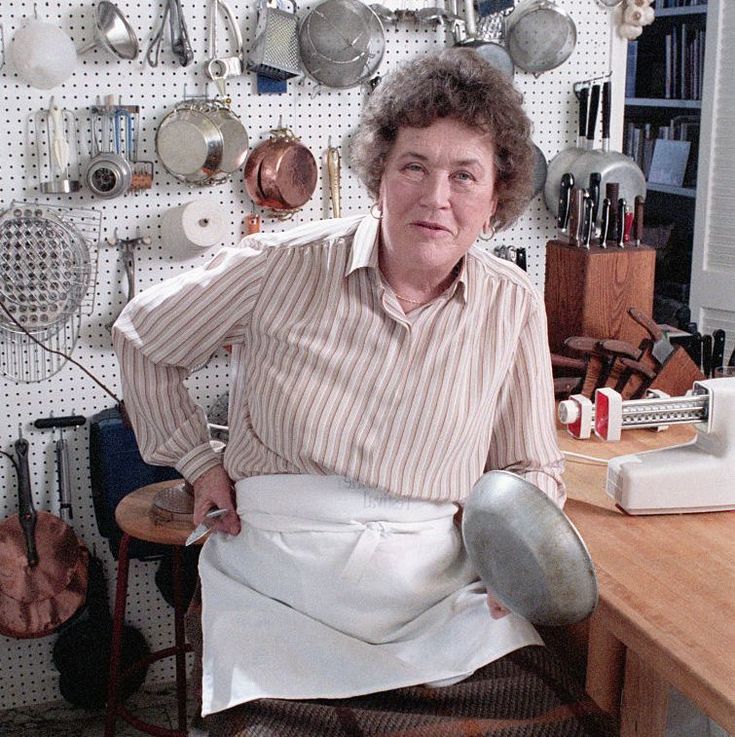
Julia Child (1912–2004) was an American chef, author, and TV personality who did not start cooking seriously until her mid-30s. Her story is one of the strongest real-life proofs that you’re never too old to change direction. In multiple TV interviews, Julia Child said, “I was 32 when I started cooking; up until then, I just ate.” She went on to say that she didn’t discover her passion until she was well into her thirties.
Source: Pinterest
When you tell people you’re considering picking a new career at 30, you’ll hear stuff like, “Are you sure it’s the right time?” “Are you sure you know what you’re doing?” “So you’re just going to throw away all your years of experience?” “What if you don’t like the new field?” “Why can’t you just stay where you are?” But you must understand this: as you grow older, you will outgrow people’s opinions, but they will still have them.
People project their own fears onto your decision. They’re not worried about you failing; rather, about what your courage reveals about their comfort zone. Your decision to change careers forces people around you to reflect on their own choices, and not everyone is ready for that mirror.
A career change may feel like starting over, but it’s not exactly so. You’re not starting from scratch. One very real thing about changing careers after 30 is that you’re wiser; you’re more self-aware than you were in your 20s. And some of the things you should consider when changing careers include
When choosing a new career path, you should consider your personality and interests. “What really excites me?” “What activities make me lose track of time?” You should also take note of your transferable skills.
Today, many easy career changes that pay well rely heavily on these soft skills.

Source: Unsplash
In today’s world, industries are rapidly changing, and new opportunities pop up every day. You must do your research on what field you want to go into or a role you could easily fit into. Identify the specific job requirements; skills required.
You may need to consider taking targeted courses or certification; it’s all part of growth. Make use of your social space. Reintroduce yourself to your social network, and join professional communities. Do not undermine the power of visibility.
In choosing a new career, you must understand the impact it will have on your lifestyle. “Work hours?” “What are the typical salaries?” At 30+, you know that time, money, and energy are not unlimited.
You should consider these factors when changing careers. Connect with people already working in your field of interest. Ask questions, and know how automation or technology may affect your new field. Try to find out the reality of the role you want to take up. You’re not trying to build a career that’s not sustainable.
The biggest challenge isn’t learning new skills; it’s unlearning old limits. Most people making a career change after 30 do not really struggle with competence. But they’ve been conditioned to think that success must follow a linear progression, and changing direction makes you a failure.
Apparently, modern careers don’t work like that anymore. The average person holds around 12 jobs in their lifetime, and career change statistics show that most workers change their careers at the average age of 39. (Novorésumé Career Blog)
Careers are no longer ladders; they’re landscapes. To grow professionally and personally, you must be willing to unlearn old limits.
This unlearning is the hardest part of reinvention, but it’s also the most rewarding.
Motivation for changing careers
Beware of the “success story illusion”; it can throw you off track fast. When you research career change stories, you’ll find countless like the following:
“I switched careers at 35 and doubled my salary in one year.”
“She quit my job at 32 and became a six-figure freelancer.”
“I left nursing to become a UX designer, best decision ever!”
These stories are real and truly inspiring, but incomplete.
Most “success stories” rarely highlight:
They often skip to the good part! However, remember this: a successful career change is built on persistence, not perfection!

Source: Unsplash
Today, technology cuts across every sector, including education, business, healthcare, media, and entertainment, making it a lucrative industry and stable career path. The tech industry remains one of the fastest-rising career fields, offering rapid growth, high salaries, and opportunities for people from almost any background.
Many tech careers are accessible through online courses, certifications, or bootcamps. The tech industry also offers remote work options and continues to expand as companies depend more on data, automation, and digital tools.
These professionals are needed in every industry to build the digital tools we use every day, websites, apps, and software systems.
Roles: Front-end developer, back-end developer, mobile app developer.
Online attacks are increasing, so organizations need experts who can protect sensitive information and respond to security threats.
Roles: Cyber security analyst, penetration tester, security engineer.
These individuals play the roles of keeping computers and networks running smoothly for organizations.
Roles: IT support specialist, network technician, system administrator.
Companies rely heavily on data to predict trends and improve performance. As a result, they need individuals who have the skills to interpret data.
Roles: Data analyst, data scientist, machine learning engineer.
Other tech-related career changes that pay well include cloud computing, product management, UI/UX design, digital marketing, & tech sales.

Image: Unsplash
Business professionals remain in high demand across the global market because every organization needs strategy, operations, and leadership to thrive.
Companies need individuals with strong leadership skills to oversee operations, direct teams, and ensure that organizations meet their goals.
Roles: Operations Manager, General Manager, Business Development Manager, Branch Manager
These roles deal with budgeting, forecasting, investment, and financial planning. Organizations rely on financial experts to manage money wisely and guide long-term decisions.
Roles: Accountant, Financial Analyst, Auditor, Tax Consultant
These individuals use organizational expertise to build workplace culture and manage talents.
Roles: HR Manager, Recruiter, Training & Development Specialist, Compensation & Benefits Analyst
Marketing professionals help brands reach customers, expand visibility, and boost sales.
Roles: Digital Marketer, Content Strategist, Social Media Manager, Market Research Analyst
Companies hire professionals, often with good communication, charisma and persuasion skills, to convince clients, close deals and expand partnerships.
Roles: Sales Executive, Account Manager, Logistics Manager
Other valuable career opportunities in business are Real Estate & Property Management, Project Management, Consulting.

Source: Unsplash
Healthcare remains one of the most stable, high-demand fields worldwide, offering job security, dozens of well-paying careers and allowing career changers to transition quickly with short training programs.
The nursing profession is on a high demand following nationwide shortages. Nurses provide direct patient care, work with doctors, and support patients through treatment.
Healthcare organisations need professionals to manage patient records, process insurance claims, and ensure accurate documentation.
Changing careers after 30 is not a sign that you failed. It’s a sign that you’re evolving. You’re neither too late nor too old for a change. Your 30s are not a deadline, they’re a doorway into a career that feels aligned with the woman you are today.