We have been made to believe that being fashionable is all about looking a certain way. But one truth we can agree on is that not all trends are for your body.
Learning how to dress for your body type is less about rules and more about understanding your proportions. When you know your shape, you stop chasing trends and start to build your own style. Flattering clothes do not mean dressing like everyone else. They mean enhancing what you naturally have. That is where real style begins.
Understanding the Body Shape
You can only master the act of dressing for yourself after you have first known and understood the shape of your body. Body shapes are grouped into five categories: pear, apple, rectangle, hourglass, and inverted triangle.
- Pear Body Type: Typically has wider hips and broader thighs with a more petite upper body.
- Apple: Women with this shape typically have large busts and a more pronounced stomach area. The waist and stomach are the widest parts of the body.
- Rectangle: Your shoulders and hips are about the same width, with a less defined waist.
- Hour Glass: The shoulders and hips are roughly the same width with a more defined waistline.
- Inverted Triangle: Characterized by a broader upper body with slimmer hips and lower body.
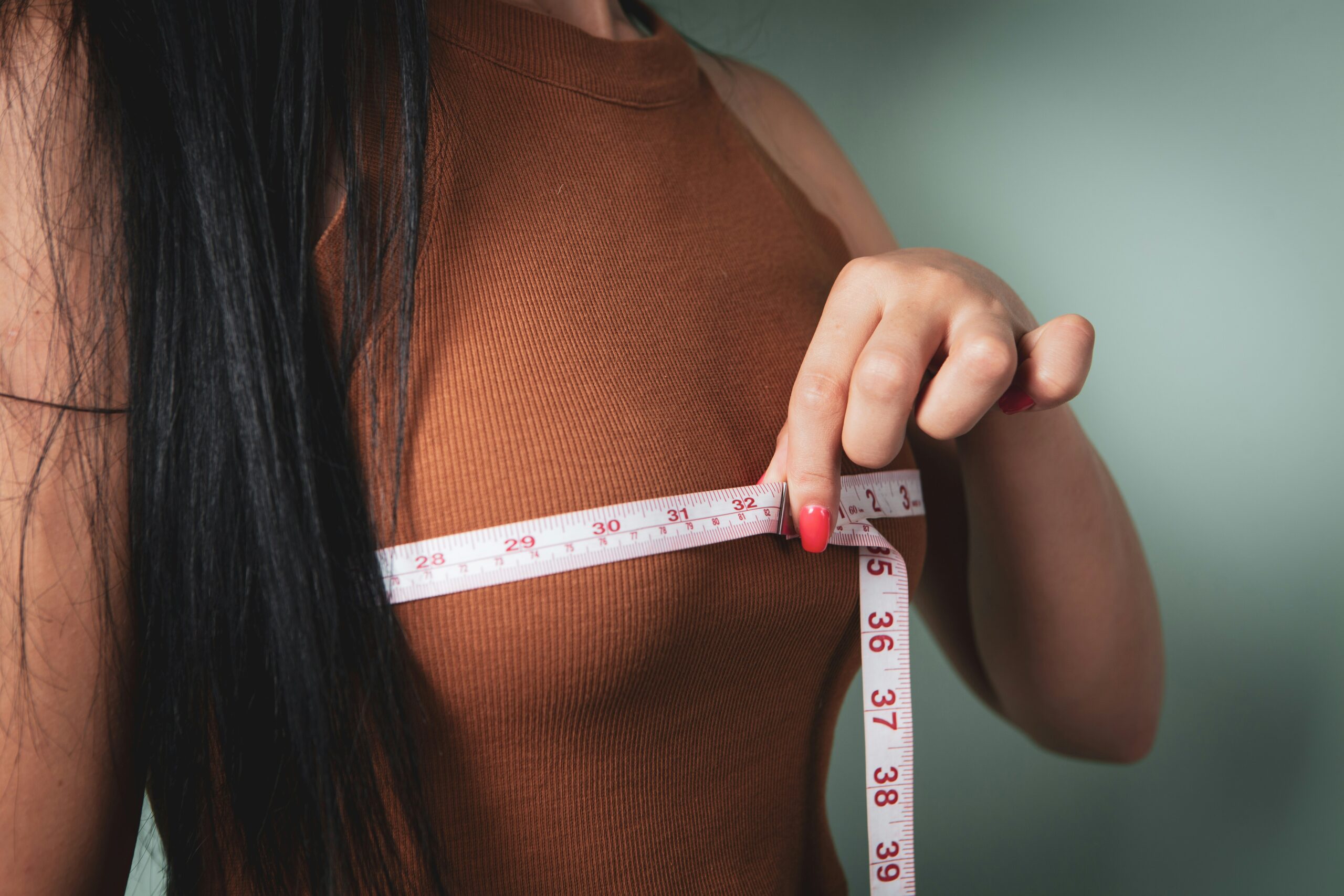
To identify yours, take a look at the mirror and observe the places where your body carries more weight. You can also use a tape to measure your proportions. Know that no body shape is superior to the other: beauty comes in different shapes.
Your Personal Style Matters More Than Trend
Personal style for body shape is not about following trends and celebrity styles; it is about these three things: comfort, confidence, and consistency. When you dress for your body type, it balances your proportions and makes you have more confidence in your look. And quite honestly, confidence is always better than copying styles you are unsure of.
Dressing Strategies For Each Body Type
Here are the strategies for each body type.
Dressing for Pear Body Type
Women with a pear body shape tend to have wider hips compared to their upper body with a smaller upper body. When dressing for this body type, the goal is to balance out the lower body and draw attention to the upper body.
General tips for dressing to fit this body type:
- For Tops: Go for brightly colored or patterned tops. They accentuate your upper body. Tops with plunging necklines (like V-necks) are also great for this body type. Tops with short ruffles or flared sleeves are also great picks for you. Avoid tops that are too fitted, especially around the waist. They make the hips appear bigger than they are and also look uncomfortable.
- For Bottoms:Wear skirts that are tight around the waist but a bit loose from the hips down. Soft textures work best here. A-line skirts are a great pick. Palazzo trousers, or wide-cut trousers, are great for this body type. Generally, dark-colored trousers that are tight around the waist but not so tight around the hips are a great fit.Tight trousers, especially around the hips, will make you appear bigger than you are, so it is best to just avoid them. For short women in this category, balance up your looks with short heels or shoes that match your skirt to get a taller look.
- For Dresses: A-line and wrap dresses are a great fit for women with this type of body. Avoid straight-cut gowns, as they will only make you appear bigger.
2. Dressing for Apple Body Type
When dressing for this body type, aim to define the waist and elongate the torso.
- For tops: Since you aim to elongate the torso, it is important to choose tops that make your upper body appear longer and your waist slimmer. Go for plain and dark-colored tops. Vertical stripe tops are a great fit as well. V-neck and scoop necklines fit well, too. Avoid patterns that make you appear bigger in the waist.
- For Bottoms: Trousers and skirts with a tight fit are great for the apple-shaped body. Go for slim-fit jeans, tailored plain trousers, high-waist skirts, A-line skirts, and pencil skirts. Wide-leg trousers and bulky tops do not look good on this body shape. It’s best to avoid them.
- For Dresses: Wrap dresses and A-line dresses are great. They give you a balanced look and draw attention away from the stomach area.
3. Dressing for a Rectangle Body Type
The goal for dressing this body type is to create curves. Aside from choosing the right clothes, accessories are great for styling.
- For Tops: Generally, large necklines are great fits. Go for V-necks, draped necklines, and tops with pockets. They make your bust appear bigger. Crop tops and peplum tops give a complementary look. Avoid long and loose-fitting tops. They give an unflattering look.
- For Bottoms: High-waisted trousers and skirts are great picks. They give the illusion of a narrower waist. Avoid low-waist bottoms as they make your midsection appear wider, making you look straight or shapeless.
- For Dresses: You should focus on dresses that create optical illusions. These include princess seam dresses and dresses with cutouts around the waist or leg slits. Wrap dresses, flared dresses, and dresses with knot details at the waist.
4. Dressing for an Hourglass Body Type
The goal is to dress to maintain natural balance and highlight the waist.
- For Tops: Opt for tops that have a good fit, not too tight and not too loose. You can basically wear any type of neckline. Avoid high-waisted tops, as they tend to make your upper body appear shorter.
- For Bottoms: This body type is quite versatile. You’ll look good in skirts and trousers so long as they have a good fit. However, high-waist bottoms give a more flattering look. They accentuate your waist more.
- For Dresses: Go for wrap and A-line dresses. Straight-cut gowns are also a good choice. Dresses with vertical stripes will make you appear taller. Avoid boxy fits that tend to hide your natural curves.
5. Dressing for the Inverted Triangle Body Type
When dressing for this type of body, focus on balancing your shoulders with the lower part of your body.
- For Tops: Deep V-neck tops and tops in muted colors are good fits. Peplums and flounces around the hip area help create a visual balance to the shoulder area. Also, jackets, coats, and cardigans that are A-line or worn open are good for this body.
- For Bottoms: Voluminous skirts (circle skirts and flared skirts) are a good fit, as they add bulk to the lower body and balance out your looks. Low-waisted fitted trousers and wide-cut trousers look good on this body. Try them out and determine the one that flatters your body most.
- For Dresses: A-line, flared gowns, gowns with gathers, and wrap dresses are good fits for this body. Also, go for gowns with patterns like floral, paisley, stripes, and dots.
Styling Tips For Everyday Life
Dressing for your body type should not be for only special occasions. It applies to everyday life. For work, build around structured staples. Tailored trousers, fitted blazers, and simple blouses can be mixed and matched. For casual days, focus on fit. A well-fitted pair of jeans will always look better than trendy denim that doesn’t suit your proportions.
For social outings, add one statement piece like bold shoes, textured fabric, or standout jewelry, but be sure to keep your proportions balanced.
Accessorizing for Proportion and Balance
Accessories are powerful tools in body-type fashion tips.
- Belts: Define the waist or shift focus.
- Shoes: Nude tones elongate legs. Chunky styles balance out taller frames.
- Bags: Oversized bags will overwhelm petite frames. Mini bags may look out of proportion on taller builds.
- Jewelry: Statement necklaces draw attention upward. Long pendants create vertical lines.
Think of accessories as visual anchors. They guide the eye and subtly adjust balance.
Confidence Through Clothing Choices
You should know that the most flattering outfits for your figure are the ones you feel good wearing. Comparison culture encourages people to believe that someone else’s body is the standard, but it is not. Dressing for your body type entails honoring your proportions. Dress in clothes that allow you to move freely. Choose fabrics that feel good against your skin. Invest in pieces that are suitable for your daily life in the UK climate: layer-friendly, practical, and adaptable.
Confidence doesn’t come from copying. It comes from being yourself.
Wrapping up, learning about body types is not to restrict your choices. It is to help you understand your body and know how to create balance, highlight your strengths, and adapt trends in ways that feel original. Fashion isn’t about looking like someone else. It’s about expressing who you are in a confident and comfortable way. Once you stop copying and start choosing intentionally, then you’ll truly own your style.