
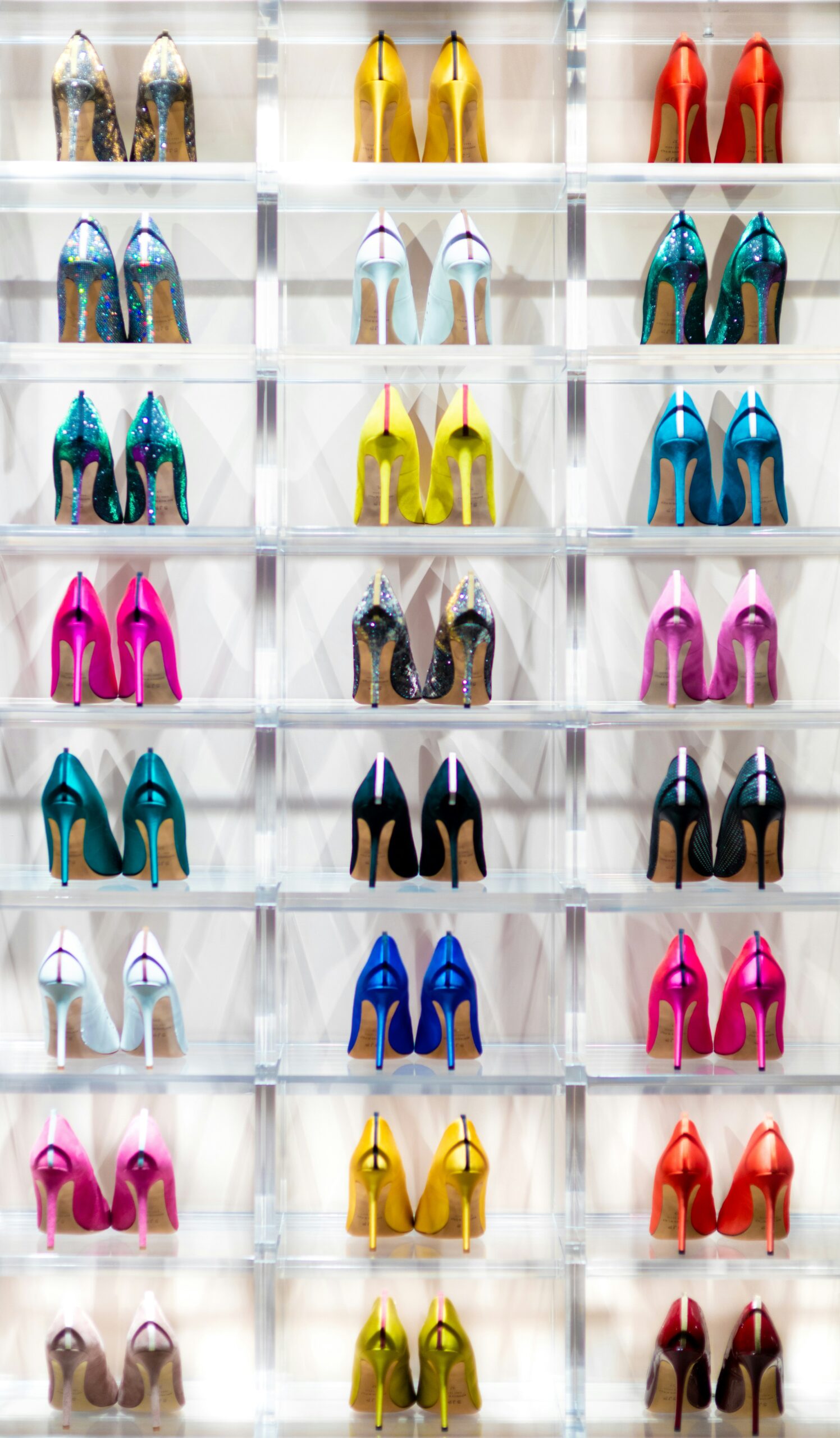
It is fun buying those cute pairs of shoes because “they look so good!” until you open your wardrobe and realize that your “good-looking shoes” rarely match any outfit in your wardrobe.
You end up having stacks of shoes but really having none in the real sense of it. Shoes that only work with one outfit lead to clutter and wasted money. So, the smarter approach is choosing shoes that work with multiple outfits across your wardrobe. In 2026, versatility, comfort, and neutral styling are key. Let’s talk about buying and building a versatile shoe stack and how to decide the shoe color, shape, heel height, and material to invest in pairs so you have shoes you can actually wear often.
Versatile shoes are important because they save you not only money but also space. When you have shoes that match a variety of outfits, you make fewer purchases, and the fewer purchases you make, the more space you have in your wardrobe.
Choosing shoes that work with multiple outfits means every pair earns its place. You can style them for work, weekends, and events without stress. This approach saves money, simplifies dressing, and helps you build a smarter, more practical wardrobe that feels intentional instead of random.
Before buying those pairs of shoes, you should ask yourself how many times you can realistically wear those shoes. Asking yourself this question helps you set your priorities straight. It makes you buy shoes based on the long-term value of the shoes and not their price tags. Cost-per-wear simply means measuring the price of a shoe as against the number of times you wear it. For instance, suppose you spend £120 on a pair of shoes that you wear just three times. The cost per wear is £40.
Shoes you can wear over them are more cost-effective. This is why choosing shoes that match different outfits is very important. Versatile shoes for women are not about playing it safe or boring dressing. With shoes that you can wear to work, on weekends, and to casual events, you have less stress always picking out shoes to wear for different outfits. When you adopt a cost-per-wear mindset, you’ll find that you’ll stop buying shoes just because they are on sale. You’ll begin making intentional and smart purchases, choosing styles that work with your existing wardrobe. A cost-per-wear mindset helps you avoid impulse purchases.
Think of your shoes as a part of your wardrobe, not separate from it. Just like capsule wardrobe shoes, your collection should:
Instead of owning 20 random pairs, aim for 5–8 reliable pieces that rotate easily. Versatility gives you ease and saves you from stress.
We’ve been talking about versatility, so you must be wondering how to actually pick versatile shoes that go with multiple outfits. Let’s get into it.
Color is the most important consideration when it comes to versatility. It is important to buy colors that blend well with most colors. Some of the most versatile shoe colors in 2026 include black, nude (suited for your skin tone), brown, white/off-white, and soft metallics (gold or silver).
The colors you choose should also match your undertone. If you mostly wear cool tones like black, grey, and navy, then go for black or cool-toned white. If you have more warm tones in your wardrobe, then choose tan, brown, or warm nude.
Trends usually come with different kinds of shoe shapes and designs, but trends also fizzle out very quickly. Therefore, it is best to choose straightforward designs that endure beyond fads. When learning how to select adaptable footwear, search for footwear with:
Avoid shoes with too many studs, big logos, very high or extreme platform soles, and very bright colors. Keep it simple; simple shoes are easier to match.
Purchase shoes that are comfortable for your feet rather than those that cause pain. If they hurt your feet, you will most likely avoid wearing them. The most practical heel options include low block heels (1–2.5 inches), kitten heels, structured flats, and smart leather trainers. It’s easy to wear these kinds of shoes for different occasions. The best heels are not just the nice ones but the ones you can actually wear, not stack up in your collection of shoes.
The material a shoe is made of determines how long and how often you wear it. If a pair of shoes is made from a durable and quality material, you can easily wear it as often as you want for different occasions. Durable materials that encourage versatility include leather, suede, and breathable mesh or canvas (for warm weather).
The UK has different seasons that come with different weather conditions. Smart buying involves buying shoes that can actually survive different seasons. For instance, shoes like leather loafers or ankle boots give you a variety of styling options.
When you think about how many of your clothes you can actually pair with the shoes you’re planning to buy, it saves money. You’ll only end up buying shoes that will actually serve you, not the ones that would only live a shelf life in your wardrobe. Before any purchase, ask yourself, “Can I style this with at least three outfits I already own?”
If the answer is no, then you may have to reconsider that buy. But if you can easily see yourself wearing them with different styles and for different occasions, then you can be sure you’re making a good buy.
Fashion in 2026 favors practicality, clean lines, and wearable elegance. These are the styles that consistently rank among the best everyday shoes of 2026.
For every woman, structured sneakers or white or neutral leather are a basic wardrobe staple. They look great with straight-leg jeans, pants, midi dresses, and even casual suits. Simple designs are more versatile than overly chunky designs. White sneakers are highly practical in 2026, especially off-white or cream tones that resist looking too stark.
Loafers and structured ballet flats are versatile pieces. They can be dressed corporately or casually. You can wear them with corporate trousers, denim, or skirts. Look for smooth leather, subtle hardware, and almond toes. They are ideal capsule wardrobe shoes because they are both elegant and comfortable.
Easy-to-style sandals with heels are perfect for work, dinners, weddings, and dates. They can be easily styled and are very versatile. Neutral hues, thin straps, and steady heel heights are the most adaptable designs.
Ankle boots are one of the most versatile shoes for women in the UK. Go for the ones with slim ankle fits, no heavy buckles, neutral leather, and a medium heel or flat sole. Ankle boots can be worn with dresses, tights, cropped trousers, jeans, and skirts.
Here are some of the mistakes women make when buying shoes.
Statement shoes look really good and fashionable, but they are not versatile. They are not easy to style and don’t fit a lot of outfits. For instance, bright neon heels or heavily decorated boots may look exciting in-store, but chances are that they will likely not go well with a lot of clothes in your wardrobe. If you’re a lover of statement pieces, you can stick to buying one per time.
You don’t want to spend your money buying shoes that make you uncomfortable. Uncomfortable shoes mean you won’t wear them, and that becomes a wasted purchase.
No matter how stylish or beautiful a pair of shoes is, if you can’t walk confidently in them, if they hurt you, or if you have to constantly adjust them, you’ve just bought shoes for your stack that aren’t meant to be worn. Many women continue to buy shoes in colors that do not match their clothing palette.
In conclusion, choosing shoes that work with multiple outfits simplifies your wardrobe and saves money. When you prioritize neutral colors, clean silhouettes, wearable heel heights, and seasonally practical materials, you create a collection that supports your lifestyle, not one that’ll stress you out. The modern woman’s style is not about quantity but about intentionality. With thoughtful decisions and a cost-per-wear mindset, you can build a versatile shoe wardrobe that feels modern, practical, and clutter-free.