
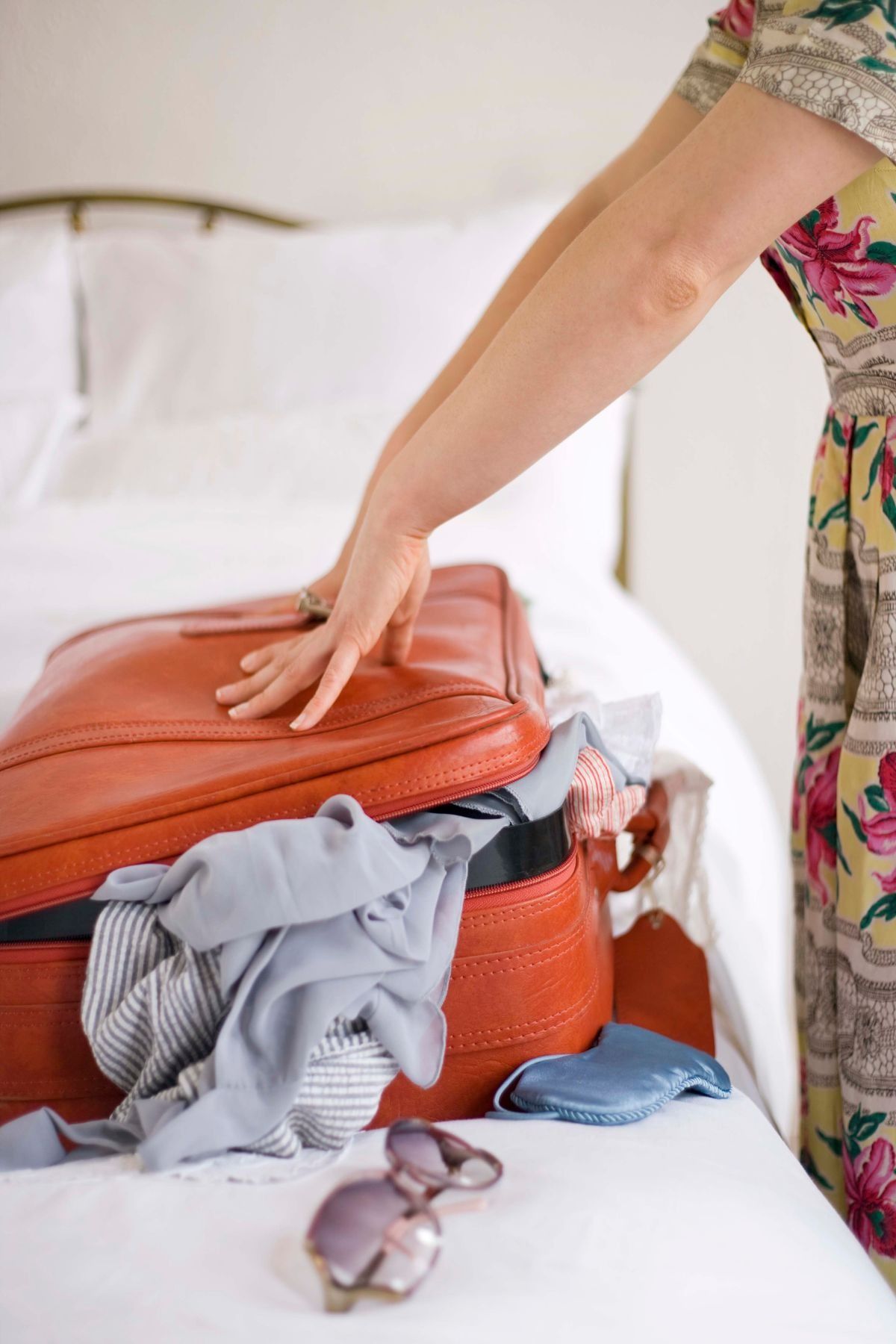
Packing for a two-week trip can cause even the most organized woman to overpack. You start with good intentions. Suddenly, your suitcase won’t close, and you’re negotiating with yourself for “just one more dress.” But the truth is, you don’t need more clothes to feel stylish on a two-week trip; you need fewer, better ones. If you’ve ever wondered how some travelers seem to wear a new outfit every day while carrying half the luggage, the answer is simple: intentional outfit multiplication. This guide breaks down exactly how to create 30 outfits with 10 pieces, using realistic, wearable clothing, not fantasy travel capsule wardrobes that look good online and fall apart in real life.
The psychology of overpacking is rooted in uncertainty: we pack “just in case” because we don’t trust our choices or our ability to style what we bring. When you’re unsure your clothes will work together, you compensate by bringing everything. But packing too many items that don’t work together creates decision fatigue. You spend more time choosing, second-guessing, and settling on outfits that feel “fine” rather than good.
A successful travel capsule wardrobe works because it follows a few simple rules that make outfits easy, not restrictive. The goal isn’t to wear the same thing every day, it’s to make sure everything works together without effort.
Neutrals create flexibility because they mix easily and don’t compete with each other. When most of your pieces live in the same color family, you can grab items without coordinating and still end up with a cohesive outfit.
Similar shapes like straight-leg pants, relaxed tops, or midi-length pieces—layer cleanly. When silhouettes repeat, you don’t have to rethink proportions every morning, which speeds up outfit building.
Layers are what multiply outfits. A blazer, cardigan, or lightweight jacket can instantly shift an outfit from casual to polished or adapt it to changing weather. When layers work with everything else in your bag, a small travel capsule wardrobe suddenly feels full of options.
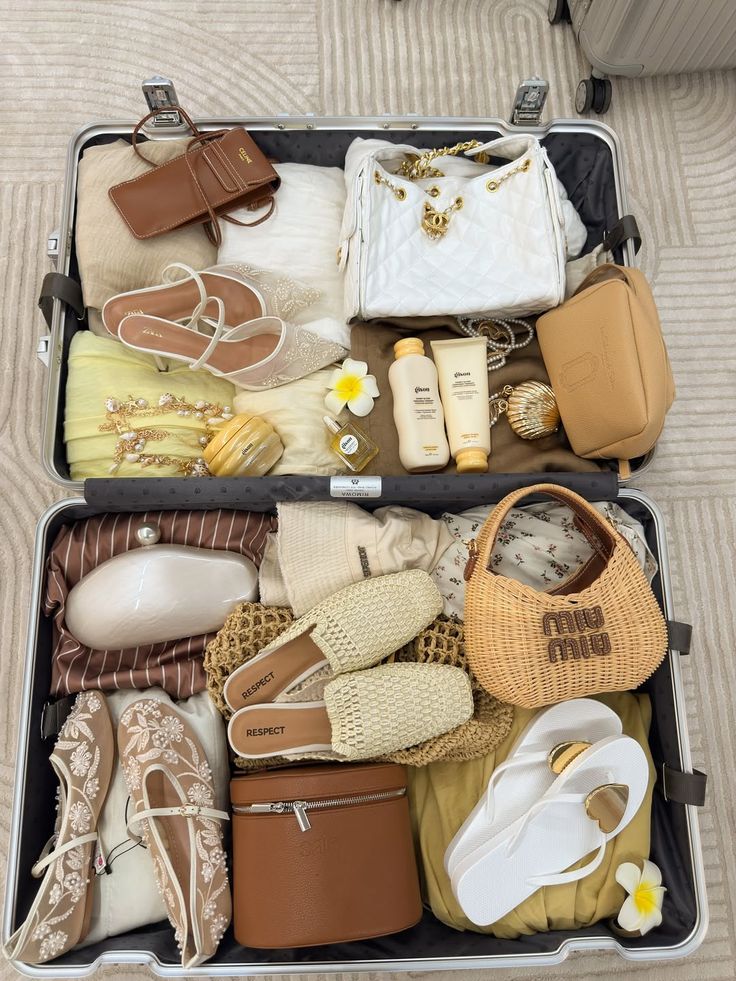
Image: Pinterest
The core clothing pieces of a travel capsule wardrobe are the items that do the most work. Every piece should earn its place by pairing easily with the others and holding up through long days of wear.
Choose a small mix that covers different needs: one casual option, one slightly elevated piece for dinners or meetings, and one simple layering top like a tank or fitted tee. These should work with every bottom you pack. Stick to comfortable fits and breathable fabrics so you can wear them all day without fuss.
Focus on versatility and comfort. One structured option, like jeans or tailored trousers, and one relaxed option, such as pull-on pants or a midi skirt, can give you range without redundancy. Both should match all your tops.
Go for flexibility and comfort. One casual dress that works with flat shoes or sneakers and feels right for walking around during the day, and your flexible dress, which works for nicer dinners or social plans but doesn’t feel too dressy for daytime.
Layers are where outfits multiply. One lightweight layer for warmth or coverage and one more structured piece to add polish. These should work over both tops and dresses, adapting to the weather and setting.
This is your signature piece, such as a statement skirt, bold top, or unique dress that still complements the rest of your wardrobe. It keeps outfits from feeling repetitive without adding clutter.
Colors should complement each other; think black, white, beige, navy, olive, or soft neutrals with one accent tone. This is how to pack for a two-week trip without overthinking.
Shoes and accessories are your quick style boosters. They can make simple pieces look completely different.
Think about what you actually need: one super comfortable pair for walking or sightseeing, another pair for your everyday go-to that is a little more polished, and a third pair that easily dresses up an outfit without feeling impractical. The most important thing is that each pair works with the majority of your clothes, regardless of the time of day or occasion.
A belt can instantly change the shape of a dress. Throw on a scarf or jacket, and suddenly your outfit feels new. A simple jewelry, sunglasses, or a structured bag can make repeated outfits look intentional rather than “I just threw this on”. These little additions are essential to mix and match outfits without adding clothing.
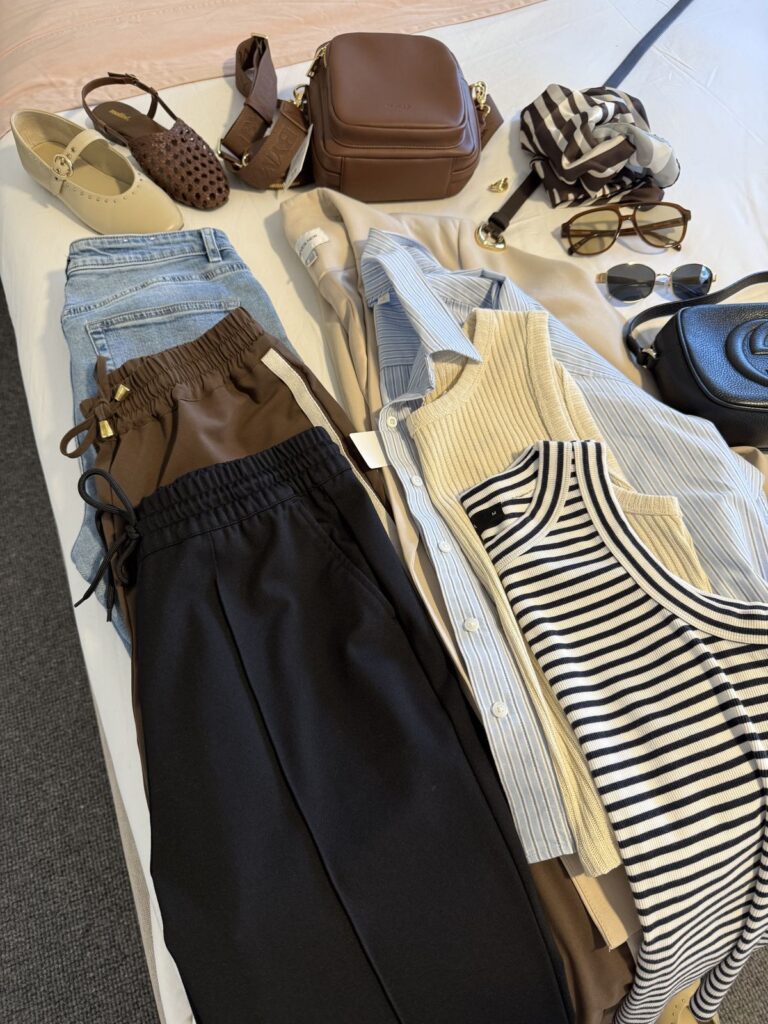
Image: Pinterest
Outfit Formulas That Always Work:
In your 30 outfits with 10 pieces, a simple top + bottom + layer formula instantly multiplies your outfit options without overthinking. Pair any top with any bottom, then add a layer if necessary, such as a cardigan, jacket, or blazer.
To keep your travel capsule wardrobe flexible and functional, make small changes for day-to-night transitions, such as replacing sneakers with flats or ankle boots, adding a belt or scarf, or throwing on a structured layer. The same basic pieces can easily transition from running errands in the morning to dinner or a casual evening outing.
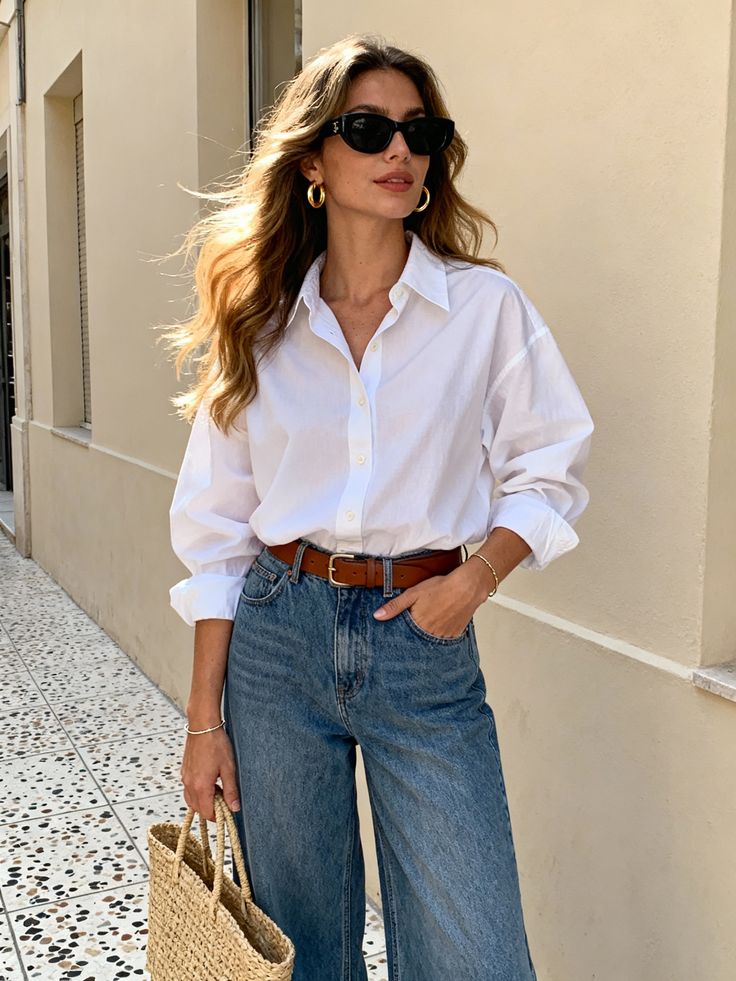
Image: Pinterest
Rotating the same pieces doesn’t have to mean wearing the same outfit every day; the key is to make small styling changes that change the look without adding more clothing.
Simply tucking or untucking your top can transform the silhouette of jeans, trousers, or skirts. Layering also makes a big difference: adding a cardigan, blazer, or jacket to your base outfit gives it a new look. Also pay attention to proportions. Wear a loose top with a fitted bottom one day and a relaxed bottom with a more structured top the next. Even minor changes, such as cuffing sleeves, rolling pant hems, or swapping shoes, add variety to your outfits. These minor changes allow you to wear the same items repeatedly while still looking intentional and polished.
Here’s an example of how to pack light for a full two-week trip without feeling repetitive.
Comfortable basics like jeans, pull-on pants, a top, sneakers or flats, and a light layer. A combination such as this keeps things practical while maintaining a put-together look for sightseeing, errands, or relaxed outings.
Elevated tops + structured bottom + ankle boots or flexible dress + low heels. Add a blazer, cardigan, or statement accessory to instantly polish the outfit.
Soft fabrics, relaxed layers, and shoes that are easy to walk in make long flights, train rides, or road trips manageable. These outfits can be layered, reshaped, or accessorized. Ensure every piece works multiple times across the two weeks, without drawing attention.
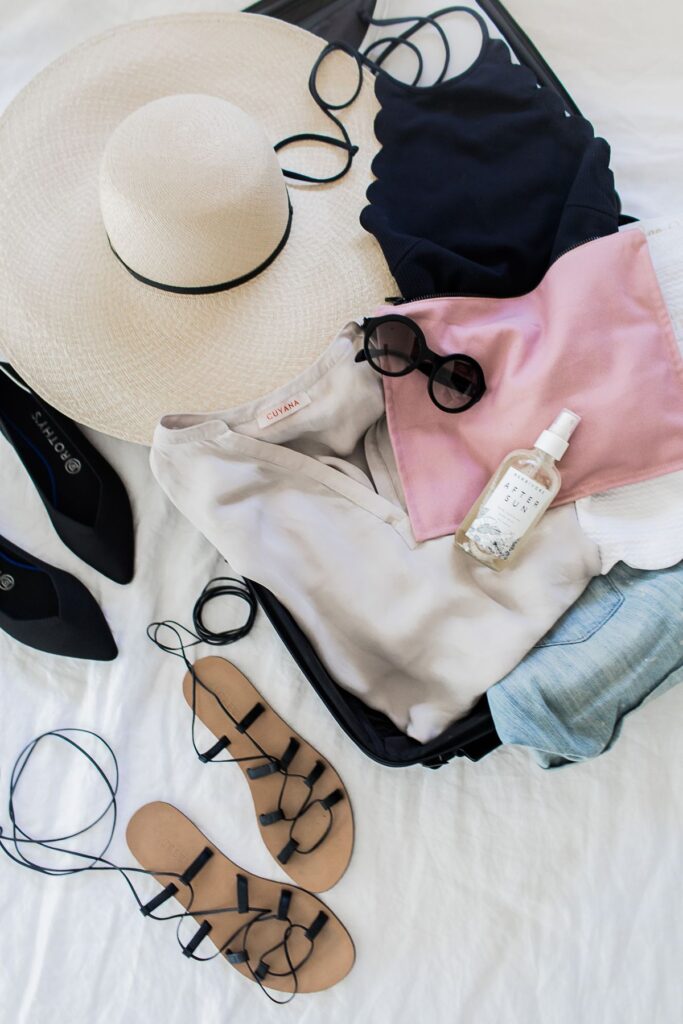
Image: Pinterest
During your travel outfit planning, consider both weather and activities. Choose layers and fabrics that can respond to changing weather conditions. Cool mornings require light jackets or cardigans, while warmer afternoons require breathable tops. Think about how you’ll spend your day. Comfortable shoes and flexible clothing are essential for walking, dining, and transit. Pieces that move easily and layer well allow you to stay stylish while tackling everything from sightseeing to casual dinners with ease.
During your travel outfit planning, prioritize fabrics that resist wrinkles, breathe well, and can be worn multiple times. Plan for laundry strategically: you can wash essentials mid-trip or hang them to air out overnight.
When packing for a 2-week trip, your biggest enemy is “single-use clothing.” If something only works one way, it doesn’t make the cut.
Ask yourself:
Confidence is trusting yourself without needing constant validation. It’s not about thinking you look perfect, but about believing you are enough as you are. Repeating clothes is practical and normal. Most people are too focused on their own plans to track what you’re wearing. Rewearing outfits saves space, reduces stress, and lets you focus on the trip instead of your suitcase. The most memorable travel experiences are based on what you did and felt, not what you wore.
This logic applies to everyday life. It’s about being intentional instead of excessive. A capsule wardrobe at home saves time, reduces shopping, decision fatigue, and clutter. Instead of chasing constant variety, you focus on fit, comfort, and function. When you stop treating repetition as a problem, getting dressed becomes easier, and confidence becomes more about how you show up than how often you change outfits.