
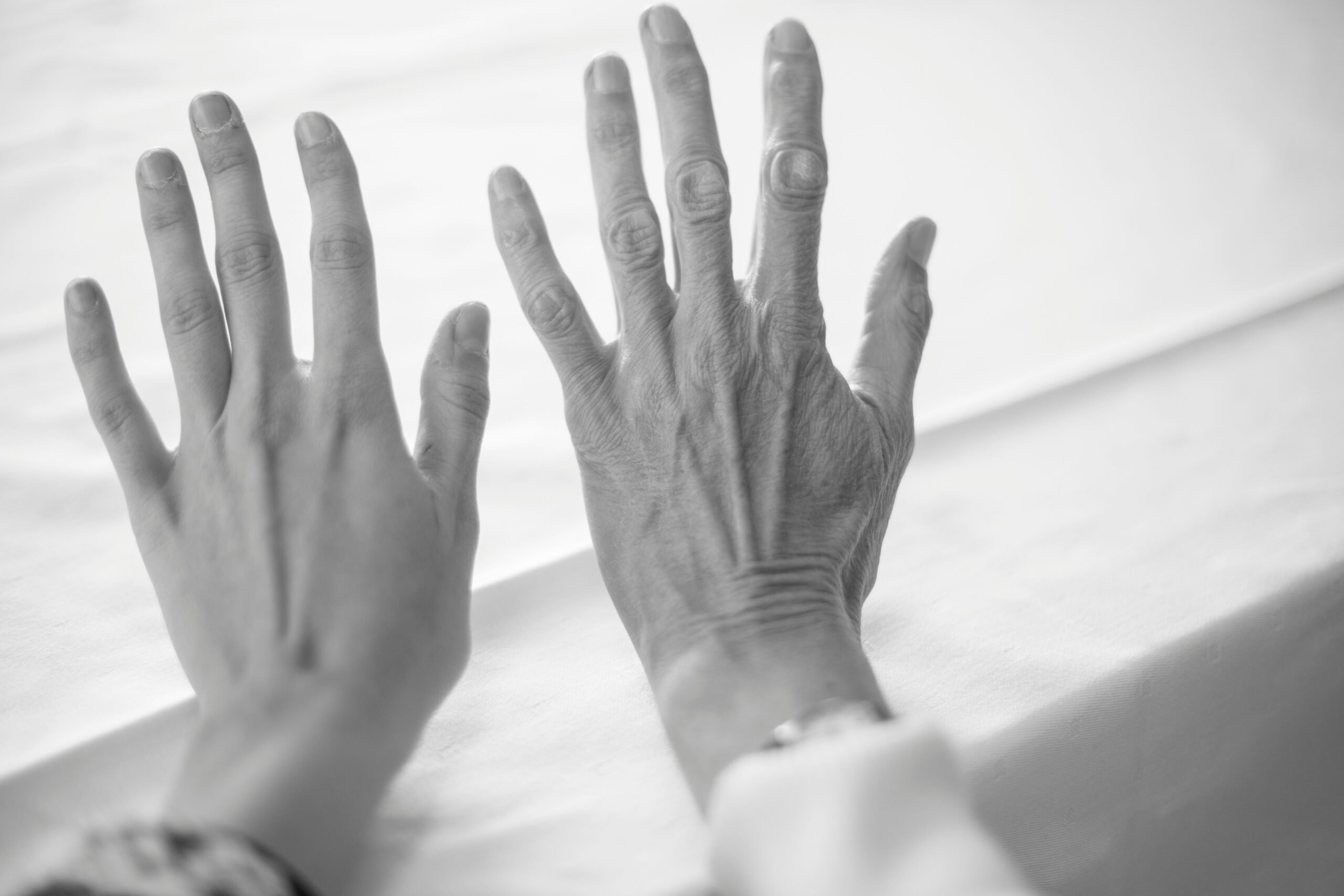
You ran into Naomi, a classmate you haven’t seen in over 20 years, at the mall, and somehow she hasn’t aged a bit. Skin, face, hair, and gait are all the same! Nothing looks rushed by time.
Now you’re pondering as you get home: why do some people age slower than the rest? Is it genetics? Or do they have a magical beauty guide that no one else has access to? Let’s answer these questions.
When we talk about aging, we’re usually talking about what we can see. You know, the fine lines, changes in skin texture, loss of firmness, or even a dullness that wasn’t there before. But visible aging is only a part of the story.
The truth is, aging doesn’t move at the same pace for everyone. It never has. Once you understand what actually influences the pace, you can make choices that support your skin, your health, and your confidence—without chasing extremes or quick fixes, because beauty doesn’t exist in isolation from how the body functions.
Cellular aging affects how quickly your skin renews itself, how well your body repairs damage, and how efficiently it manages inflammation. Some women’s systems simply stay more balanced for longer. Their cells recover faster. Their skin holds onto elasticity. Their metabolism doesn’t slow down as quickly. So when someone appears to age slower, they’re not vampires; it’s just that their body is handling time differently.
This is the part people don’t always like to hear, but it matters. Genetics does play a role in how we age. Some women inherit skin that naturally holds collagen longer. Others are genetically predisposed to better circulation, stronger connective tissue, or lower baseline inflammation. These factors don’t make someone immune to aging, but they can delay how early and how intensely the signs show up.
If you’ve ever looked at family photos and thought, “We all age early,” or “The women in my family tend to look younger for longer,” you’re probably not imagining it. That said, genetics sets the starting point—not the finish line. Lifestyle determines how those genes are expressed over time. Two people with similar genetics can age very differently depending on how they live.
Food doesn’t just affect your weight or your energy levels; it also affects how your body repairs itself. Over time, diets high in antioxidants, healthy fats, and essential nutrients help protect cells from damage. Fruits, vegetables, nuts, seeds, and whole foods support skin renewal and reduce inflammation, which is one of the biggest drivers of aging.
Hydration is also very important. Well-hydrated skin functions better, looks fuller, and recovers more easily from stress. And consistent nourishment, not extreme dieting, keeps your metabolism steady instead of constantly forcing your body into survival mode. People who age slower often aren’t eating “perfectly.” They’re eating consistently. Enough food. Enough nutrients. Enough water. Their bodies are not constantly playing catch-up.
There’s no secret miracle product that’ll just pause your skin from aging. But there are habits that quietly make a difference year after year. Daily sun protection is one of them. UV exposure breaks down collagen faster than almost anything else, even on cloudy days. So, women who wear sunscreen consistently are not just avoiding sunburn—they’re protecting the structure of their skin.
Gentle, effective active ingredients also help. Vitamin C supports brightness and collagen production. Retinoids encourage healthy cell turnover. Moisturizers that strengthen the skin barrier help reduce long-term damage. You don’t even have to do too much to get glowy skin as you age. What matters most isn’t having a complicated routine. It’s protecting your skin from unnecessary stress and letting it do what it’s designed to do, which is to renew itself.
Stress ages the body in ways we don’t always connect to our appearance. When stress is constant, cortisol stays high, and that affects everything—from sleep quality to inflammation levels to how quickly collagen breaks down.
Women who age slower often recover from stress better. That doesn’t mean they live stress-free lives. It’s simply that they handle stress better. They have ways to come back to balance, like good sleep, quiet routines, boundaries, and time to decompress. No skincare product can replace that.
Regular movement keeps aging from settling in too quickly. Movement improves circulation, which delivers oxygen and nutrients to the skin. It supports muscle tone and posture, and this affects how youthful the body looks overall. It also helps regulate blood sugar and inflammation, both of which influence aging at a cellular level.
Also, movement does not mean you should exhaust yourself in strenuous exercise. It doesn’t require intense workouts. You don’t even need to do so much. Mild exercises like walking, stretching, dancing, and strength training—any consistent movement helps the body stay responsive and resilient. Bodies that move regularly age differently than bodies that stay still.
There are everyday habits that are quietly speeding up your aging process, and you don’t even realise it yet. For instance, smoking. Smoking reduces oxygen to the skin and breaks down collagen. Chronic sun exposure without protection damages skin structure over time. Poor sleep interrupts repair cycles. Constant dehydration leaves skin struggling to function properly.
These habits don’t show their effects overnight, which is why they’re easy to ignore. But over years, they add up. Avoiding them doesn’t make you obsessive. Take it that avoiding these habits is an investment in your future.
Doing simple things consistently is why some people age slower. They hydrate regularly. They protect their skin. They eat in a way that nourishes rather than punishes. They sleep. They exercise. They manage stress instead of living in a constant state of burnout. These habits may seem small, but together they create an environment where aging happens more slowly and more gracefully.
Aging will definitely happen. But how fast it happens, and how it shows up, is influenced by both genetics and lifestyle. You may not control your starting point, but you do influence the direction. Visible aging can be softened. Cellular aging can be supported. Energy can be preserved longer than we’re often led to believe. The goal isn’t to look frozen in time. It’s to age in a way that still feels like you—aging like fine wine.
Now that you know why some people age slower, you’re wondering how to start or whether it’s too late to even start. Don’t get overwhelmed. You don’t need to change everything at once. You just need little lifestyle changes, one day at a time. Use your broad-spectrum sunscreen daily. Sleep better. Drink more water. Incorporate mild exercises into your daily routine. Build a simple skincare routine that you can consistently follow, one that protects rather than overwhelms.
These changes may feel small, but they compound. over time, and that’s where slow aging really happens. And over time, they shape how you age more than any single product or procedure ever could.
Wrapping up, some people age slower because their genetics give them an advantage. Others age slower because their habits protect their bodies over time. Most of us fall somewhere in between. Understanding why some people age slower isn’t about comparison. When you know what actually influences aging, you can make informed, realistic choices that support your skin, your health, and your confidence, without pressure or perfection. Aging doesn’t have to feel like something happening to you. It can feel like you’re moving through life with awareness, care, and quiet strength.
It’s a mix of genetics and lifestyle—your DNA affects resilience and repair, and daily habits influence inflammation, skin health, and cellular aging.
Yes—diet, sleep, stress, movement, and skincare all impact how quickly signs of aging show.
Sun protection, hydration, nutrient-rich foods, quality sleep, and stress management are key.
Genes help determine your baseline resilience to oxidative stress, collagen breakdown, and internal repair functions.
Absolutely—consistent use of SPF and proven actives can slow visible aging significantly.
Not purely. Genetics helps, but lifestyle choices play a big role in how aging looks and feels.