

You didn’t suddenly forget how to take care of your skin. And your products didn’t all decide to fail you at once. When skincare stops working, it usually isn’t a mistake or a mystery. It’s a signal.
Skin changes quietly over time. This change may be caused by stress, weather, hormones, or habits, and sometimes our routines don’t change with it. If you’ve been staring at your bathroom shelf wondering, “Why isn’t my skincare working anymore?” This guide is here to slow things down, explain what’s happening, and show you how to reset without starting from scratch.
When people say their skincare isn’t working, they usually mean one of three things: their glow disappeared, new breakouts appeared, or products that once felt soothing now sting or irritate. It’s the kind of change that makes you double-check your mirror, touch your face more often, or reapply products hoping they’ll suddenly work the way they used to.
What actually changes is skin tolerance, barrier strength, and internal needs. Healthy skin relies on balance. When that balance shifts, even if it’s slightly, routines that once supported the skin can begin to overwhelm it.
We can all agree that sometimes the skin starts reacting all of a sudden. You didn’t change your routine, and you didn’t add any new product to your skincare either. You’re at a loss on what your skin could really be reacting to. Understand that your skin is a living being. It responds constantly to your environment. Hormonal fluctuations, seasonal weather changes, stress levels, sleep patterns, diet, and even emotional burnout all influence oil production, inflammation, and barrier repair. So while your cleanser hasn’t changed, it’s you who has changed.
This explains why a routine that worked excellently last year can suddenly feel ineffective now. Skincare stops working not because it’s bad, but because your skin has moved into a new phase.
Your skin barrier is the outer layer that keeps moisture in and irritation out. When it’s healthy, your skin is calm, clear, and resilient. Barrier fatigue can, however, set in when exfoliants, retinoids, acids, or active-heavy routines are used too often or layered too aggressively. Over time, the barrier thins out, water loss increases, and sensitivity creeps in. This will often look like dullness, sudden breakouts, burning after application, or makeup that won’t sit right even though nothing in your routine changed.
The skin easily reacts to sleep disruption, stress, travel, pollution, and weather transitions. Cold air dries out the skin. Heat increases oil production. Stress raises inflammation. Poor sleep slows repair. These shifts don’t require new products to trigger visible changes. They simply change how your skin behaves. If your skincare routine stopped working around the same time your life got busier, more stressful, or more exhausting, that connection is probably the missing piece in the puzzle.
Hormones influence oil production, pore activity, pigmentation, and inflammation. This is why your skin can feel completely different across the menstrual cycle, during hormonal contraception changes, or with age. Breakouts around the jaw, sudden oiliness, or unexpected dryness often point to internal signals rather than external product failure.
This is why treating hormonal skin with surface-level fixes alone rarely gives you any result and often leads to frustration. You need to also understand that routine timing matters just as much as your skin products. The same product can feel nourishing at one stage of life and act in the opposite direction at another.
Most women don’t start off with having complicated skincare routines. It gradually starts by adding different products as the day goes by: one new serum today, one treatment tomorrow. Over time, product stacking can create ingredient conflicts, irritation buildup, and unnecessary stress on the skin. Even “good” products can overwhelm the skin when they’re combined without intention.
That you have a multi-step skincare routine doesn’t mean you’re giving your skin the care it needs. Sometimes, your multiple-step routine is just simply creating more room for imbalance and complications. This is one of the most common reasons skincare stops working, not because products are bad, but because there are just too many of them.
Your skin doesn’t fail all of a sudden. It gives you signs before it fully tips into imbalance. Common signs you should watch out for:
These are signs your skin isn’t thriving; it’s just coping.

Image: Unsplash
The most natural response to skincare frustration is panic buying. And panic buying introduces too many new products and ingredients at once, turning your skincare into guesswork rather than care. When five new products enter your routine together, you can’t tell what’s helping and what’s harming. It throws you into more confusion.
Overcorrecting your skin concerns with strength can do more harm than repair. You’re suddenly looking for new products, stronger acids, higher retinol, and daily exfoliation—quick fixes. Unfortunately, aggressive switching and overcorrecting often push skin further into imbalance. Skin sees this as stress, not support.
Another mistake is treating symptoms instead of the system. You only end up chasing individual issues rather than restoring overall skin health. Breakouts, dryness, and dullness are often connected. Fixing one without addressing the foundation won’t treat your skin concerns. The skin doesn’t respond well to pressure. It responds to patience and intentional care. You don’t give your skin the time to recover if you’re constantly changing your product and routines. You’ll just find that you’re doing so much work without any effective result. This is usually where beauty burnout sets in.
Resetting doesn’t mean throwing everything away. It means creating a neutral baseline so your skin can recover and communicate clearly. For a short period (usually one to three weeks), pause active treatments and focus on a gentle cleanser, a basic moisturizer, and daily sunscreen. No exfoliants. No actives. No multitasking formulas. This phase isn’t about achieving glow. It’s about you giving your skin barrier space to repair and allowing you to observe how your skin behaves without interference. This observation will guide what you do next.
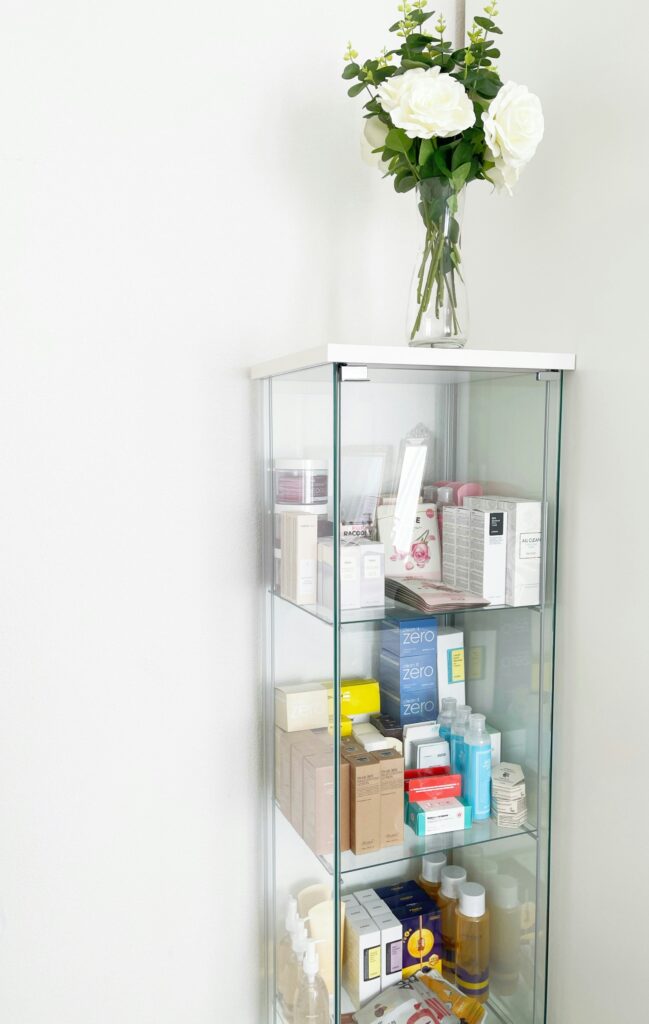
Image: Unsplash
To fix a skincare routine that matches your current skin, consider the following.
Choose the concern that matters most right now, not the one that mattered six months ago. Introduce one product and use it consistently for one to two weeks before adding anything else. This spacing allows you to see how your skin responds without getting confused.
Every product should serve a clear role. Avoid overlapping treatments that address the same concern in different ways. Skin doesn’t benefit from redundancy; it benefits from clarity. If you can’t explain why a product exists in your routine, your skin probably doesn’t need it.
A routine that works in winter may be too much in summer. Stressful periods may require a gentler routine than calmer ones. Flexibility isn’t inconsistency. It’s being aware of what your skin needs each time.
Long-term skin health isn’t about chasing perfection. It’s more about maintenance. Maintenance allows the skin to remain resilient instead of reactive. Check in with your skin regularly. Adjust your routines with seasons, stress levels, and hormonal changes, not just randomly. Give products time to work. Accept that skin isn’t meant to look perfect every day. Be consistent, and learn to always observe your skin. It matters more than always changing your products.
When women understand why skincare stops working, the panics will stop, trend chasing will cease, and the blame game will come to an end. Skin literacy builds confidence. Understanding your skin and how it works will teach you to be patient with your skin. Anxiety will also reduce. You’d stop chasing trends and lean more on functionality; that is, you’ll choose what works over what’s trending.
You don’t need more products. You need a better relationship with your skin, one grounded in observation, understanding, and trust, rather than fear.
When skincare stops working, it’s hardly a failure. It’s usually feedback. Skin evolves with time, environment, hormones, and habits. When routines stop matching those changes, results fade, not because you did something wrong, but because it’s time to give attention to your skin and know what its (new) needs.
In conclusion, understanding why skincare stops working gives you the power to reset gently, rebuild intentionally, and create routines that actually support your skin, not complicate things.