
How often do you check the expiry date of your skincare products? Most face cleansers and serums may still smell good even if they are not as safe to use. So you keep using them even after they’ve expired because they don’t appear to be harmful to your skin.
Knowing exactly when to throw away skin care is an important part of proper skin care.
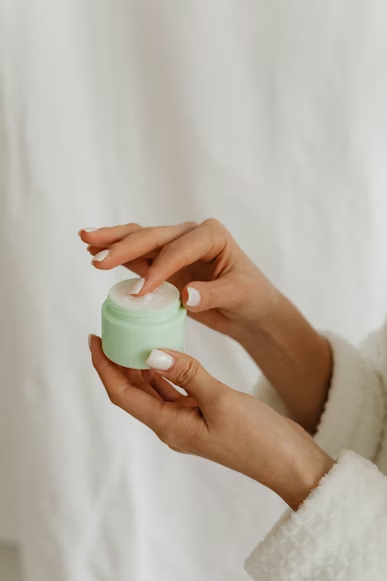
Image: Unsplash
Skincare products expire for many reasons.
Skincare products contain active and supporting ingredients that become chemically unstable with time. Sunlight, oxygen, and heat cause ingredients such as retinoids, vitamin C, and exfoliating acids to oxidize or degrade. As this breakdown occurs, the product loses its effectiveness and may change color, texture, and smell. If you continue to use these products, they may irritate rather than benefit your skin.
Most skincare products contain water, which creates an environment in which bacteria, mold, and yeast can thrive. Preservatives are used to control microbial activity, but their effectiveness is temporary. Once these preservatives expire, microorganisms can multiply rapidly, increasing the risk of skin irritation, breakouts, and infection. It also affects the eyes, especially if it’s a product used around the eye or on broken skin.
Packaging plays a major role in how quickly skincare products expire. Jars and open containers are prone to light, and repeated contact with fingers introduces microbes. Dropper bottles allow air to enter each time they are opened. In contrast, opaque packaging protects products from contamination and oxidation. So, products can last longer when packaged properly.
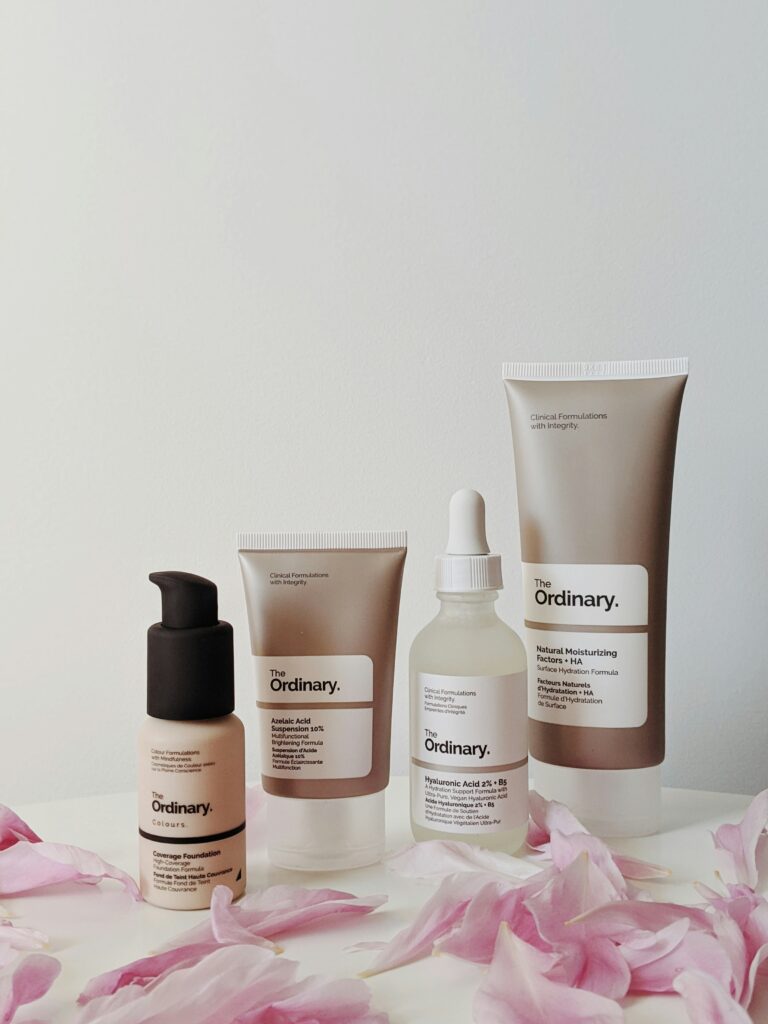
Image: Unsplash
Products containing ingredients like retinoids or vitamin C degrade over time. When ingredients degrade, their chemical structure can change. This irritates the skin, making it red, itchy, or stinging, especially for sensitive skin. Preservatives and fragrances found in these expired products contribute to irritation.
Expired products contain mold and bacteria, which, when applied to the face, clog pores, causing inflammation and eventually leading to acne, pimples, and other skin problems. Products used around the eyes, such as creams and serums, are especially dangerous if they are expired, as they can cause styes, conjunctivitis, and other infections. Repeated use of expired products weakens the skin barrier, making your skin sensitive and prone to skin damage.
There are clear changes that indicate expiry in a product. Creams, serums, or gels darken or get cloudy when they expire, eventually making it obvious that the product isn’t usable anymore. There’s a change in the texture too; creams and lotions separate and feel grainy, lumpy, or watery. Gels become sticky, slimy, or curdled.
If the texture or color doesn’t change, there’s a sour, rancid, and unusual smell that is hard to miss. Fragrance changing and having an unusual smell signify signs of oxidation or contamination. But ultimately, if the product no longer looks the way it originally did, it should be discarded even if the expiry date hasn’t been reached yet.
When skincare products expire, their performance changes before their spoilage becomes visible. Products may absorb slowly or sit on the skin rather than blend in. Foaming cleansers may produce less lather, while gels and creams may no longer spread evenly.
Active products, such as exfoliating creams or brightening serums, may stop showing effects due to reduced ingredient efficiency. In most cases, expired products feel heavier, making them occlusive, increasing the risk of clogged pores or irritation. A noticeable decline in how a product works, applies, or performs is a strong indicator that the product is no longer effective.
Discard sunscreen or SPF products if they reach their expiry period; unlike other products, sunscreen can’t guarantee protection. It puts your skin at risk for burns and irritation. If there’s no specific date given, discard sunscreen after 1 year of usage, especially when you notice changes in its color and texture.
Sunscreens left out in the sun or hot environments should be discarded immediately, even if they haven’t expired; heat breaks down UV filters and destabilizes formulas. Stop using or discard sunscreen if it irritates, stings, or causes a sudden breakout. Because the only beauty guide you will ever need is a proper skin care routine. There’s also reduced performance from the product; it may feel patchy and may not absorb evenly.
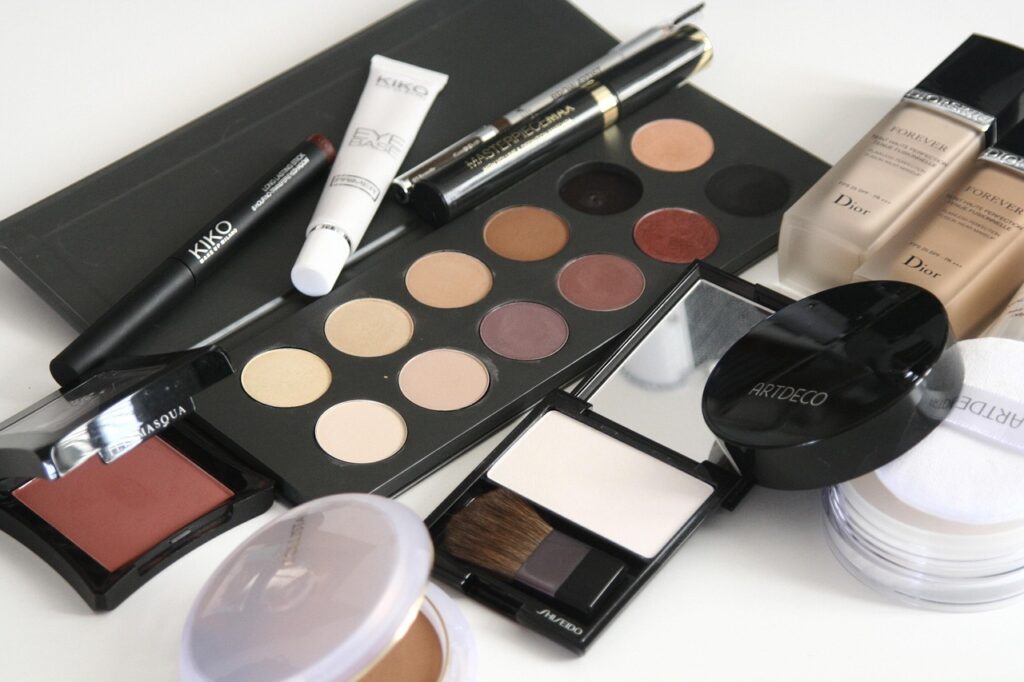
Image: Pixabay
Follow the PAO (period after opening) to avoid keeping and using expired products. This should be replaced after months of opening, especially if it’s a liquid or water-based product.
Discard if you notice:
Replace products if there is a decline in performance; for example:
There will be slight changes in odor, a kind of sour, chemical, or unusual odor, and most times, a color shift, which indicates contamination. If a product behaves differently from how it usually sits under makeup, it’s a sign to change it. Because these products sit under makeup for a long period, they eventually clog pores and cause breakouts.
Keep products away from direct sunlight, heat, and humidity to avoid spoilage. Avoid storing it in the bathroom, where steam can accelerate ingredient breakdown.
In skincare, having more products doesn’t mean more results. In many cases, a simplified routine improves both safety and effectiveness. A minimalist routine approach makes it easier to identify what’s working and what’s not.
Avoid purchasing products based on trends or impulse; choose products that address your skin’s specific needs.
Owning multiple products that serve the same purpose eventually leads to product wastage since you can’t finish one but open up another. Also, finish a product before thinking of replacement. It’s easier to monitor products since there are fewer of them, and it allows you to detect changes. Fewer products reduce the risk of ingredient conflict and ensure that they are finished within their safe usage time frame. Overuse of treatment, on the other hand, can erode the skin’s protective layer.
Conduct a full audit of your products at least every 3-4 months to check the expiry date and PAO. Also, audition during seasonal transitions (especially if your routines changed), like from summer to autumn. This helps remove items no longer suitable for use. Use decluttering moments as a chance to check outdated products and discard them. Regular audits reduce clutter, prevent skin issues, and ensure your routine remains safe and effective.
Concluding. understanding when to throw away skincare products is essential for both safety and results. Expired products can lose effectiveness, irritate the skin, and increase the risk of infection. Ultimately, skincare should support and protect your skin, not compromise it. Knowing when to discard a product is just as important as knowing how to use it.
Check for PAO or expiry date. Look for changes in color, texture, separation, or a sour smell. Reduced performance can indicate product spoilage.
Yes, expired products may cause irritation and breakouts. Active ingredients lose potency, and weakened preservatives allow bacteria or mold to grow.
Most last 6-12 months after opening. Serums with active ingredients like vitamin C or retinol may degrade faster. Always check PAO or changes in appearance.
Yes, sunscreen expires and shouldn’t be used past its expiry period. Expired SPF loses its effectiveness, leaving your skin unprotected from UV damage
Not necessarily. Some expired products show no obvious smell change. If texture or color changes, it’s safer to discard.
Store in a cool, dry place away from heat and direct sunlight. Close lids tightly, use clean hands or tools, and avoid keeping products in humid bathrooms.