
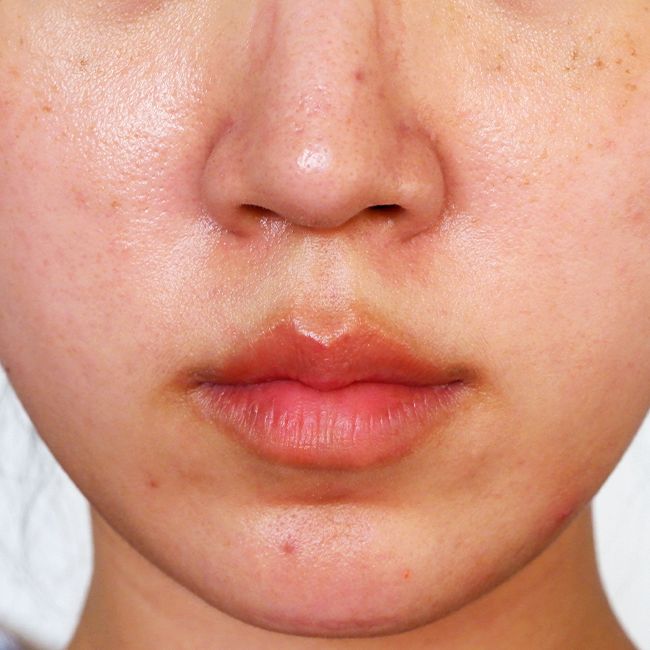
Skin issues go beyond acne or aging. You may notice that your skin suddenly feels tight, irritated, stingy, or like it’s “reacting to everything,” especially after changing products, trying new actives, or following conflicting skincare advice. In most cases, the issue is not that your skin is difficult; it’s that your skin barrier is overwhelmed.
The skin barrier doesn’t get much attention until something goes wrong. But it plays a central role in how your skin looks, feels, and responds. Once this protective layer is compromised, everything feels off; cleansers sting, moisturizers don’t help, and new products seem to make things worse. Understanding how the skin barrier works is often the first step toward calmer, more stable skin.
Your skin barrier is the outermost layer of your skin, often described as a protective shield. It’s made up of skin cells held together by lipids that act like a seal, forming a protective surface between your body and the outside world. When this layer is intact, your skin can regulate itself more effectively.
The skin barrier plays a functional role in keeping your skin balanced and hydrated. A healthy skin barrier keeps irritants, bacteria, and environmental stressors out while holding moisture in. This balance allows your skin to stay flexible, comfortable, and less reactive.
Barrier health is what creates skin stability. When the barrier is strong, skin tends to recover faster, tolerate products better, and maintain a more even appearance. When it’s weakened, even gentle routines can feel harsh.

Image: Pinterest
Everyday Habits That Weaken the Skin Barrier. Barrier damage often comes from everyday habits rather than extreme mistakes.
Washing too often, using harsh cleansers, or scrubbing aggressively strips away the lipids the skin needs to stay balanced.
Using strong products too often doesn’t give skin the chance to repair itself. Acids, retinoids, and physical exfoliants all have a place, but using them too often leaves the skin in a constant state of recovery. Instead of renewing, it stays irritated.
Heat increases water loss and dries the skin out, even if you moisturize afterward. This can slowly wear down the barrier over time.
This is a common mistake some women make, especially on oily or acne-prone skin. When the skin is unsupported, it overcompensates, often producing more oil and becoming more sensitive.
Your skin doesn’t benefit from constant experimentation. The barrier needs consistency. Without it, the skin stays reactive and less able to protect itself. Even routines that seem “healthy” can become disruptive if there’s no balance between treatment and recovery.
Using too many skincare products at once can weaken the skin barrier. Layering multiple serums, actives, and treatments, especially when they overlap, can keep the skin in a constant state of adjustment.
Modern skincare routines often inadvertently undermine the skin barrier. Many women are encouraged to exfoliate frequently, layer multiple active ingredients, or switch products often in search of faster results. While these approaches can be helpful in moderation, they can also disrupt the delicate balance of the barrier.
Good skincare is about supporting the skin, not constantly interfering with it. When routines are driven by trends rather than skin feedback, it’s easy to overlook early warning signs. There’s also a tendency to confuse activity with effectiveness. Using many products, exfoliating often, or feeling tingling isn’t proof that something is working. In many cases, irritation gets mistaken for progress. Healthy skin is usually calm and consistent, not reactive or constantly “doing something.”
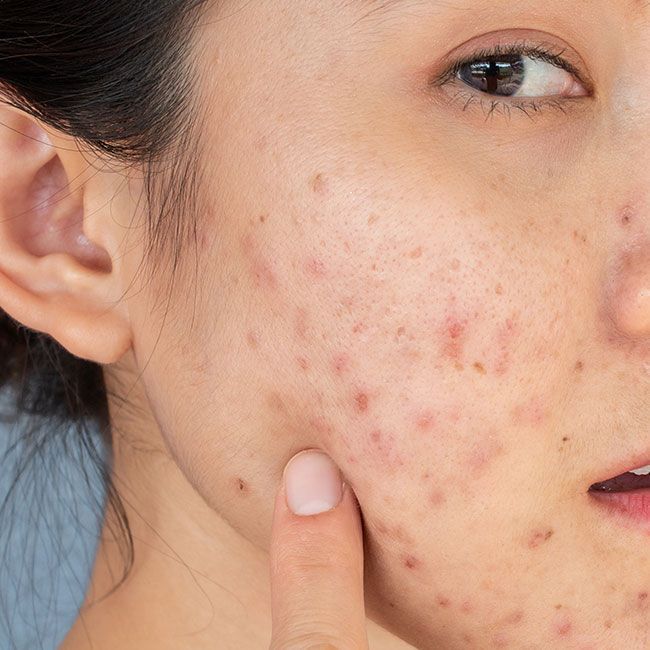
Image: Pinterest
Some women ask, “How do I know if my skin barrier is damaged?” This is because the symptoms of a damaged skin barrier don’t always look dramatic. More often, it shows up as a collection of subtle, frustrating symptoms that don’t respond to your usual products. You might notice:
The issue of a damaged skin barrier is frequently misdiagnosed as acne flare-ups or purging. While breakouts tend to be localized, barrier damage often affects the entire face and comes with discomfort rather than just blemishes.
Treating damaged skin barrier issues like acne can worsen the problem. But understanding the difference helps prevent unnecessary product cycling and irritation. If your skin feels unpredictable or reactive across the board, it may be worth consulting a dermatologist.

Image: Pinterest
If you’re wondering how to repair your skin barrier, professional dermatologists recommend these gentle, consistent approaches to maintain a healthy skin barrier.
Cleansing is one of the easiest ways to damage the barrier without realizing it. Foaming cleansers or those designed for “deep cleaning” can remove necessary lipids along with dirt and oil. A gentle cleanser should leave your skin feeling clean but not tight. If your skin feels uncomfortable immediately after cleansing, that’s a sign the barrier is being stripped. Switching to a milder formula can make a noticeable difference in sensitivity and hydration.
A good moisturizer helps protect the skin barrier by reducing water loss and replenishing the lipids. Applying moisturizer to slightly damp skin can improve hydration retention. Consistency matters more than quantity. Regular, supportive hydration helps the barrier rebuild over time.
Sun exposure is one of the biggest ongoing threats to the skin barrier. UV radiation breaks down collagen and lipids, weakening skin barrier function even before visible damage appears. Daily use of sunscreen helps protect the skin barrier from ongoing stress. This is especially important when your skin is healing or feeling sensitive.
Fragrance and alcohol aren’t always harmful, but they can be irritating when the barrier is already compromised.
Sticking with a simple routine gives your skin time to adjust and maintain balance. More steps don’t equal better results when barrier health is the goal. Start by removing unnecessary steps from your routine. This often means pausing exfoliants, strong acids, or frequent actives. Focus instead on gentle cleansing and consistent moisturizing.
When you’re trying to protect skin barrier health, ingredient choice matters more than product hype. Go for products that support barrier lipids, such as those containing ceramides or fatty acids. Repair takes time. It can take weeks for the skin to feel stable again. Avoid the urge to rush progress by adding more treatments.

Image: Pinterest
When the barrier is compromised, even good products can cause problems. Skin becomes reactive, breaks out more, and loses water faster. Issues that seem unrelated, like dryness, redness, and congestion, often trace back to the same source. Barrier health determines how effective skincare is. Treatments work better when the skin can protect and repair itself. Without that foundation, you’re often just managing symptoms instead of fixing the cause. This is why improving barrier health tends to simplify everything else.
Skin often becomes clearer, smoother, and more tolerant once the barrier is stable. At that point, targeted treatments can be reintroduced carefully, without triggering another cycle of irritation.
Aggressive skincare culture often promotes control and constant intervention. But a barrier-first approach shifts the goal from constant correction to long-term health. Instead of asking, “What product will fix this?” you begin asking, “What does my skin need to feel safe and balanced?”
This mindset helps prevent overuse, reduces sensitivity, and creates a routine your skin can actually sustain.
Wrapping up, healthy skin starts with a healthy barrier. Protecting the skin barrier is not about doing more. Often, it’s about doing less, more intentionally. When the barrier is supported, skin becomes calmer, stronger, and easier to care for.
The skin barrier is the outermost layer of the skin that protects against irritants while retaining moisture and supporting overall skin stability.
Common signs include stinging, redness, tightness, flaking, and sensitivity to products that previously felt fine.
Yes. Frequent exfoliation can weaken the barrier by removing protective lipids and disrupting skin balance.
Repair can take several weeks, depending on the level of damage and how consistently the skin is protected.
Ingredients like ceramides, glycerin, and soothing agents help support barrier function and hydration.
In many cases, yes. Pausing strong actives allows the barrier time to recover and restore balance.