
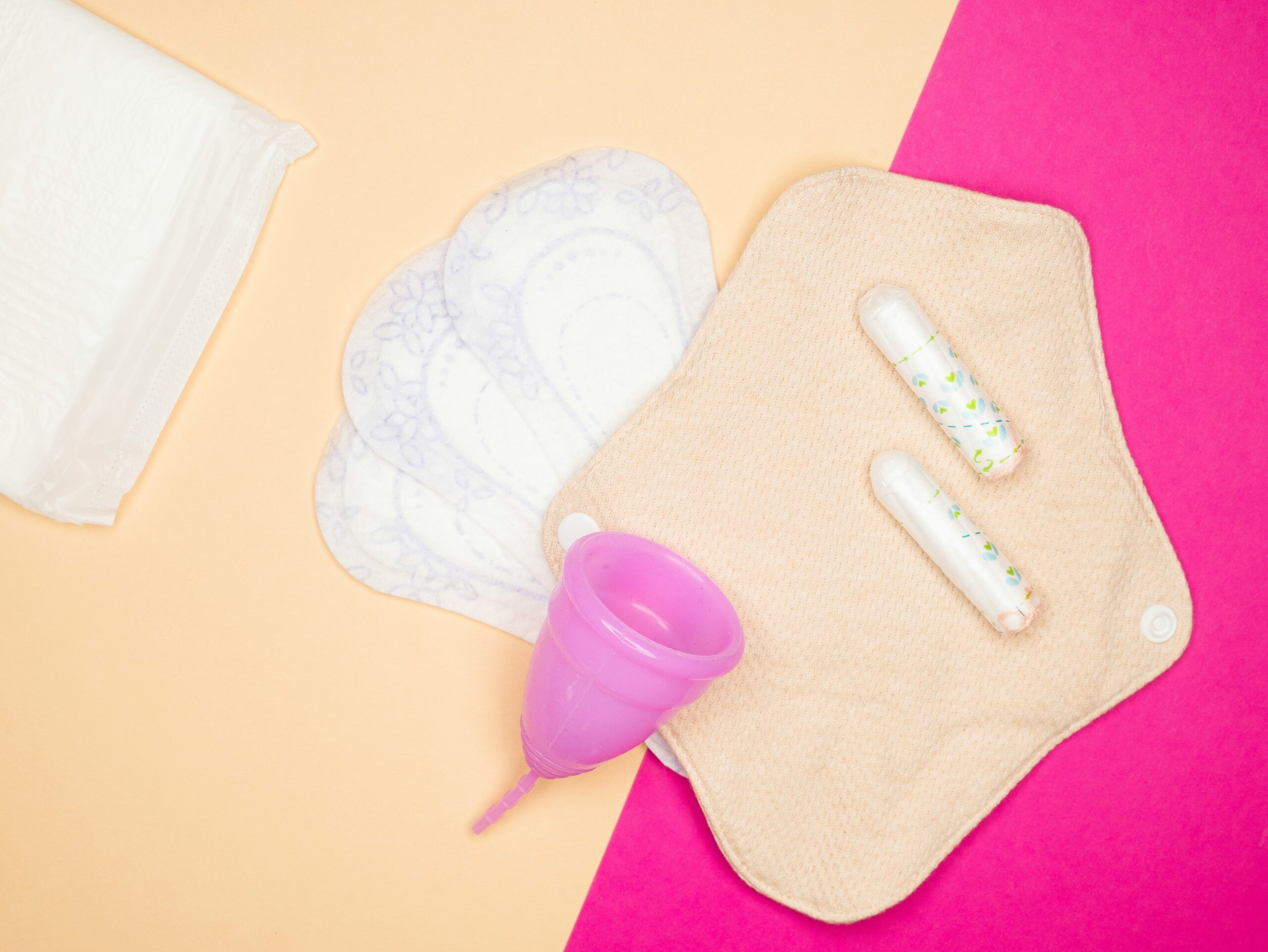
It is mostly a common experience for women to have breakouts days before their periods. Then, there’s the glow that comes during ovulation. These changes that you experience are not random. There is a biological process behind it all.
Your hormones are the main cause of these changes, as they affect inflammation, oil production, and the sensitivity of your skin. The good news is that you can effectively control how your skin responds to these hormonal shifts during your menstrual cycle with proper skincare. Consider this your beauty guide; let’s talk.
Your menstrual cycle is mostly controlled by three hormones: estrogen, progesterone, and cortisol (your stress hormone). Estrogen supports collagen (it makes the skin firm), hydration, and skin repair. So, when it rises, skin tends to look brighter, smoother, and more balanced. Progesterone increases oil production, and more oil production means a higher probability of the pores getting clogged. Clogged pores cause breakouts on the skin.
Cortisol is known as the stress hormone, and it rises when you’re stressed. It increases inflammation and slows down the skin’s healing process. So stress before your period can make hormonal breakouts worse. Hormonal changes like this are the reason your skin goes through different phases (from glow to oiliness to dryness) all in the same month.
A lot of women do not really understand the biological wiring and behavior of their skin. Once there’s a sudden change in their skin or skin reaction, the natural response is to think that something has gone wrong with their routine. But sometimes, what is really wrong is not the routine, not the product, but the timing. A woman’s body goes through different cycles in a month. Across the cycle, oil production can rise and fall, the strength of the skin barrier fluctuates, inflammation sensitivity changes, and even the rate of healing and skin repair is affected.
This is one of the reasons a product that worked so well two weeks ago may suddenly cause irritation to the skin. So, it’s necessary that your skincare routine be flexible to adjust to your hormonal changes. Your routine shouldn’t be rigid.
The cycle phases includes
During your period, your estrogen and progesterone levels are typically low. Skin may feel drier, more sensitive, dull, or tired and reactive to strong products. You may also experience low energy levels, and this also reflects on your skin. During this phase, your skincare should be targeted on menstrual cycle skin changes and gentle hydration. Use a mild cleanser, avoid harsh exfoliation, and use a nourishing moisturizer. You can also use calming ingredients like aloe vera or ceramides. Focus on ensuring your skin is comfortable.
In this phase, the estrogen level begins to increase again. This is your skin’s repair and renewal window. Now, your skin looks clearer, brighter, smoother, and more even. Your natural glow begins to show. Your skincare focus shouldn’t be on doing anything heavy. You only need simple hormonal skincare routine care and gentle improvement (treatment). You should gently exfoliate your skin (like 1-2 times weekly), add vitamin C (your skin tolerates actives better in this phase) to your morning routine, and do lightweight hydration.
This is the peak estrogen phase. It’s during this phase that most women often wonder, “Why is my skin so glowing during ovulation?” During this phase, you notice a natural radiance to your skin, you have balanced oil production, smaller-looking pores, and your skin repair rate is much faster.
Now your skincare focus should be to protect and maintain this glow. Don’t do too much. Keep your period skincare simple; prioritize your sunscreen use. It’s best to avoid trying out new products that are strong. Just keep it simple; protect and maintain your glow.
This is the phase where your body experiences a rise in its progesterone level. There is a rise in oil production, which makes your skin prone to inflammation. Inflammation further causes the appearance of hormonal breakouts. You’d notice that in this phase your skin gets oilier, pores get clogged, spots appear on your skin, and your skin repair process becomes slower. Stress during this phase also worsens your inflammation.
You should focus on gentle oil control and anti-inflammatory care. Use a slightly deeper cleanser, add salicylic acid mildly, and be sure to keep your skin hydrated. Dehydration will make your skin more oily. Avoid overscrubbing and overtreating your skin. It will only increase breakouts.
Skincare during the menstrual cycle phase doesn’t mean replacing your entire skincare stack every month. It simply means that you need to make smart and intentional adjustments.
| Changes | Hydration Adjustments | Treatment Timing |
| During your period, use gentle and hydrating cleansers. | On days when your hormones are low, use rich moisturizing creams | Exfoliation works best during the follicular phase (after your period). |
| Before your period (luteal phase), go for a slightly deeper cleanser, especially if your skin gets oilier during this phase. | On days when your skin feels more oily, lightweight gel moisturizers are the best options. | It’s best to try new actives after your period, not before it. |
You really don’t need to panic when breakouts appear on your skin. Instead of an emotional reaction to breakouts, focus on supportive ingredients.
| For sensitivity | For oil balance | For glow and repair |
| Ceramides | Niacinamide | Vitamin C |
| Aloe vera | Salicylic acid | Peptides |
| Centella asiatica | Zinc |
You don’t need to spend so much to get the right ingredients for each phase of your cycle. There are budget-friendly products that are as effective as the popular (usually expensive) ones.
You’d think that your skin just decides to do what it feels like. This is not the case; it’s simply following your cyclical changes. The confusion you feel is because you don’t understand the timing of these changes. Your hormones start rising and falling way before you see any visible changes. For example, progesterone starts increasing several days before your period.
It boosts oil production and makes pores slightly swollen. You see a breakout and think it just popped up, not knowing that your hormones have been working in the background all along. There are other factors that can worsen your skin reaction. Some of these factors include stress, poor sleep, and diet. When you understand that your skin is simply following a cycle and not misbehaving, you’re able to manage your skincare during menstrual cycles better.
Many women unintentionally worsen their period skin care problems by:
Stripping the skin weakens the barrier and increases inflammation.
Building a Cycle-Aware Skincare Mindset. The goal is for you to understand the menstrual cycle and how it affects your skin. You mustn’t be perfect or have it figured out all at once. Take it one at a time. You’ll eventually get the hang of it. To master your cycle:
You’ll most likely notice the occurrence of the same changes around the same times of the month. Learn to make small adjustments; this is about adjusting and not a complete overhaul.
You’re probably relieved now that you have a better understanding of what’s going on with your skin. Now that’s some empowerment. You know it’s not your skincare that’s failing you. The menstrual cycle skin changes are cyclically affected every month by your hormones. The breakouts you see before your period are not a sign that you did something wrong.
When you understand menstrual cycle skin changes, you won’t blame yourself so much; you’ll worry less, and you’ll stop changing products arbitrarily. You will approach your skincare journey with more clarity and confidence. You move from reacting to responding. That’s control, not over your hormones, but over how you support them.
Concluding, hormonal changes affect your skin’s behavior every month. Oil levels, inflammation, and sensitivity rise and fall with estrogen and progesterone. When skincare during menstrual cycle phases is guided by biology instead of frustration, your results become steadier and gentler. Understanding timing builds better skin and stronger self-trust.