
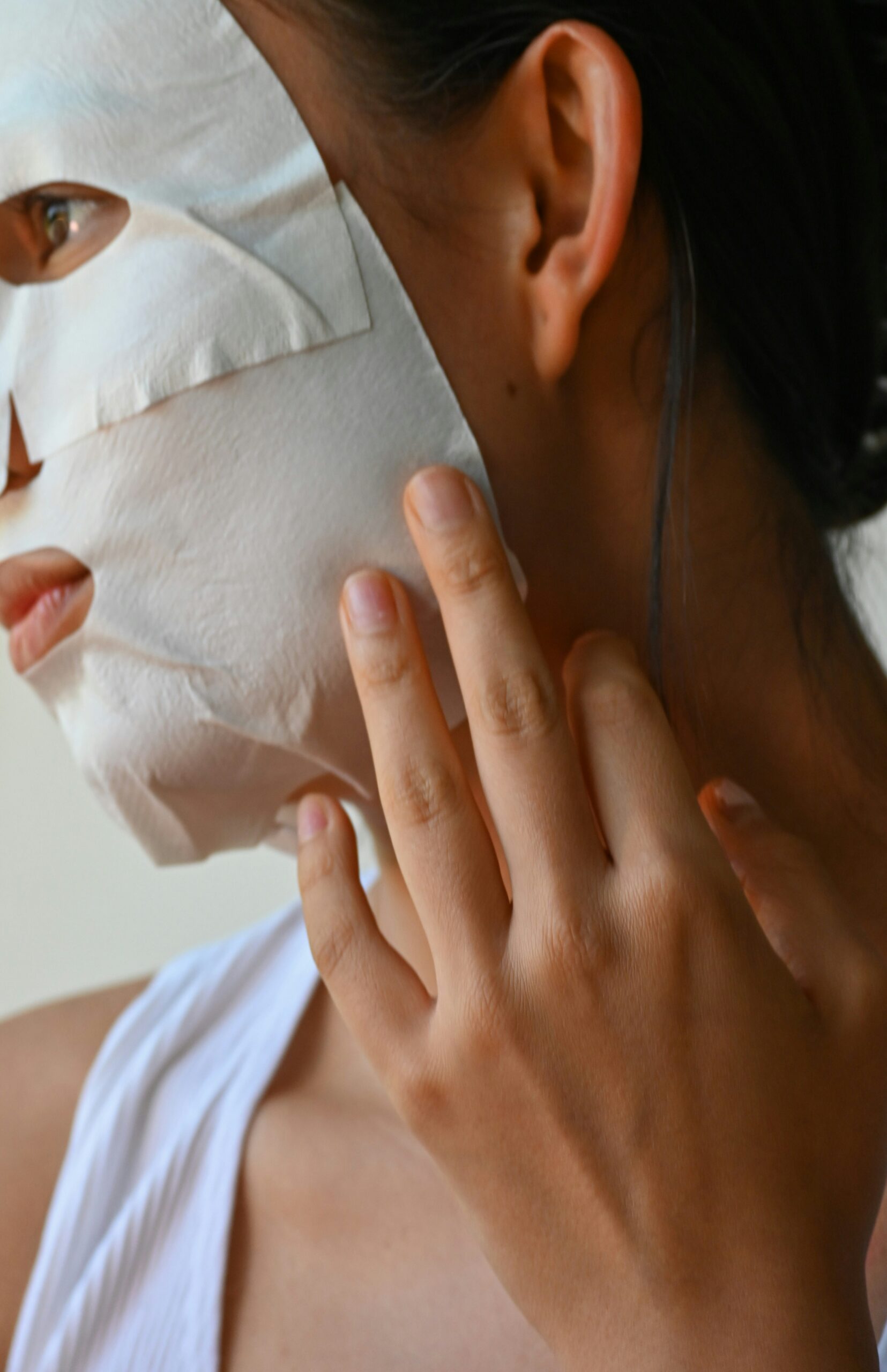
You started a new skincare routine, probably added a powerful serum, or switched to an exfoliating acid, and suddenly your skin seems worse. Pimples, bumps, and breakouts appear where you never had them before.
Your skin may be going through a temporary adjustment called purging—not the same as a regular breakout. You can avoid needless product changes, reduce stress, and maintain consistency with routines that will gradually improve your skin by knowing the difference between skin purging and breakouts and how to safely get through the so-called ugly phase.
Skin purging is simply your skin’s way of speeding up its natural renewal process. You can call it skin turnover. It is your skin shedding old cells and replacing them with new ones, allowing your skin to remove dirt, parasites, or dead skin cells responsible for flaking, rashes, or acne. This opens up skin pores for moisture and for your skincare products to work effectively. Some exfoliating products that contain active ingredients like lactic acid, glycolic acid, salicylic acid, or retinoids can cause your skin cells to turn over more quickly, which can reveal hidden congestion.
Think of skin purging as the process of moving substances from the inside of the skin to the outside. Rough patches, pimples, or tiny bumps are actually old, trapped impurities that existed beneath your skin’s surface before you began using the product. Skin purging is usually temporary and can often resolve on its own. But if signs last longer and become more discomforting, it is always advised to consult your dermatologist.
It’s normal to wonder if you’re just breaking out or purging. Here’s a simple way to differentiate between the two.
If you’re not sure about what your skin is going through, tracking your routine and reactions in a simple skincare diary can help you identify patterns.
Unlike purging, regular breakouts aren’t part of any cleansing cycle. They happen when your pores get clogged with oil, dead skin, or bacteria. Breakouts can appear anywhere, not just in areas where you have skin concerns. They even appear in spots that were previously clear, but they don’t usually get better with time.
Signs of breakouts:
Active ingredients such as retinoids, benzoyl peroxide, beta-hydroxy acids (BHAs), glycolic acid, and many others are key ingredients used in producing skincare that can lead to skin purging. These effects can occur due to the high concentration of ingredients used in producing these products.
Identifying these active ingredients in products can help you make better choices when shopping for your skin care products. For your skin, hair, and makeup, this might be the only beauty manual you ever need. Retinoids are used for anti-aging and acne. They help speed up cell recovery fast, so the initial weeks using retinoids may bring bumps to the surface of your skin. Because retinoids work deep within the skin, they may trigger purging to occur.
Glycolic acid and salicylic acid are chemical exfoliants that dissolve dead skin and unclog pores, which can temporarily increase breakouts. For vitamin C, though it is less aggressive than many other compounds, it still can sometimes push underlying congestion to the surface.
Any product that accelerates cell turnover, like exfoliating masks or acne treatments, can cause purging. The major thing here is that purging is product-induced, short-term, and usually signals that your routine is working effectively. Also know that not all breakouts are caused by active ingredients.
Breakouts are like negative reactions that are long-lived. Mostly caused by environmental factors or products. They are usually caused by external or lifestyle factors. This effect leads to redness, inflammation, and new pimples. Sometimes they’re linked to the wrong products or habits.
While purging is predictable and usually confined to areas that break out, these factors make breakouts more random and persistent.
So, how long does a skin purge usually last? Generally, purging lasts 2–6 weeks, depending on the ingredient and your skin type. Stronger actives, sensitive skin types, or previously congested skin may experience longer adjustment periods. For instance, retinoids may have longer adjustment periods, while exfoliating acids often resolve faster.
Breakouts, however, don’t follow a set timeline and can persist indefinitely if the underlying causes aren’t addressed. Also, monitoring your skin over a few weeks can help you know whether it’s purging or a persistent problem.
Sometimes, the best skincare advice you need is to stop using a specific product if your skin starts reacting to it. That’s true in some cases, but purging is one situation where patience often matters more than quitting.
Here’s how to manage purging safely:
While purging is temporary, you should reconsider your routine if:
Otherwise, sticking to the product and being patient is usually the best approach.
Some preventive measures can reduce the likelihood of dramatic reactions:
This helps your skin adjust slowly, reducing the intensity of both purging and random breakouts.
Skin works on a biological clock. Cell turnover, healing, and gradual improvements don’t happen overnight. Moreover, our skin renews itself roughly every 28 days, and actives accelerate that cycle. Stopping products too early interrupts this process, often leading most women to believe skincare “doesn’t work” when it simply hasn’t had enough time.
Concluding, it’s not always a bad sign to get a few more pimples on your face after starting a new skincare regimen. Skin purging is a temporary and predictable symptom that indicates the effectiveness of your active ingredients. On the other hand, frequent breakouts indicate other causes, such as pore blockage, product mismatch, or lifestyle factors. Often, the “ugly phase” is the beginning of clearer skin if you have patience and pay attention to your skin’s cues.
Skin purging is a temporary reaction caused by certain active ingredients that speed up skin cell turnover, bringing hidden congestion to the surface.
Purging happens in areas that normally break out, starts soon after introducing a new active, and resolves faster than random breakouts.
Typically 2–6 weeks, depending on your skin and the ingredient used.
Not usually. Gradual introduction, hydration, and barrier support help manage purging without stopping effective products.
No. Only actives that accelerate cell turnover—like retinoids or exfoliating acids—tend to cause purging.
Patch test, introduce products slowly, monitor reactions, and avoid layering too many new actives at once.