
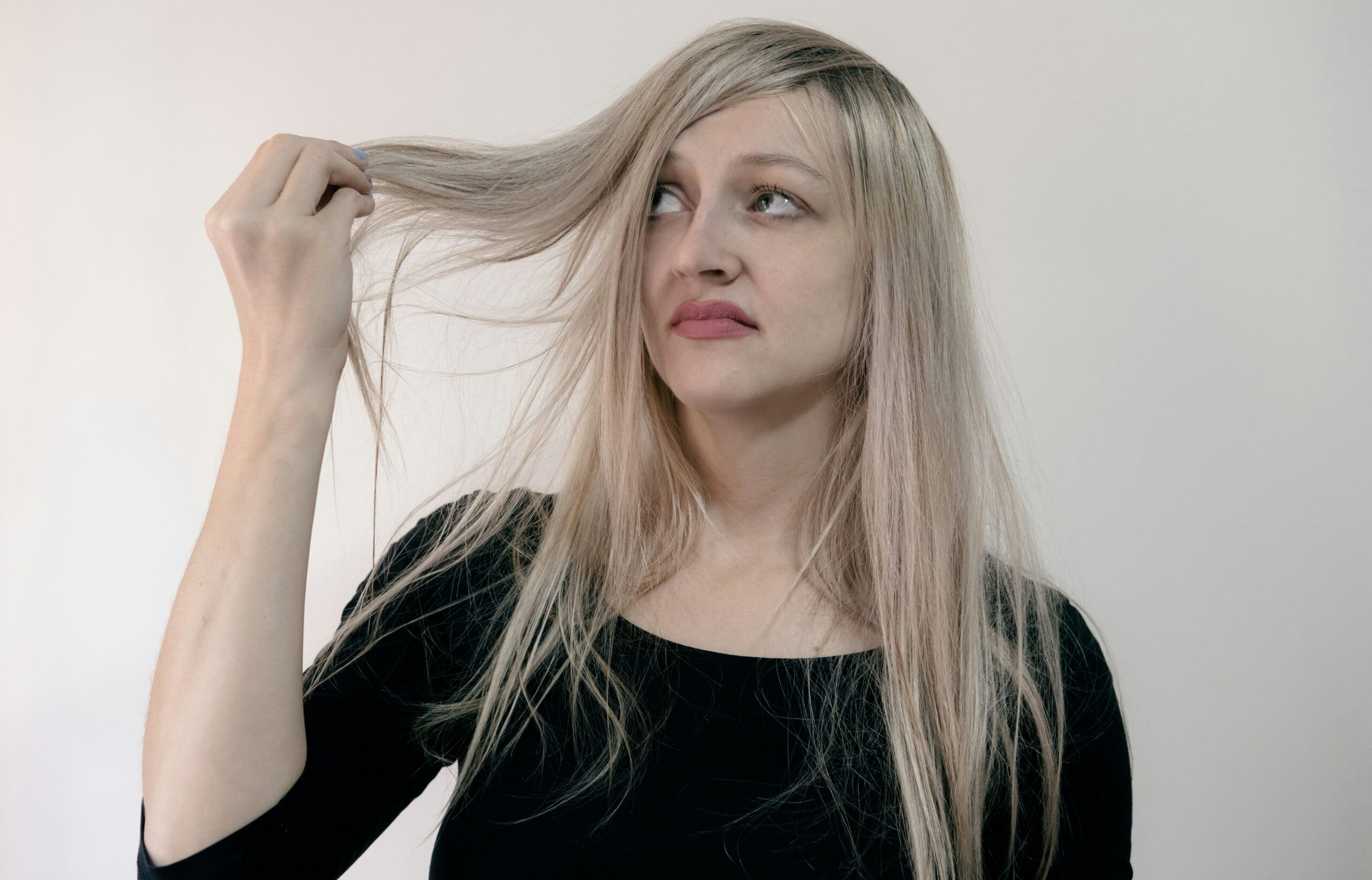
You emptied your entire tube of conditioner on your hair in the shower. Yet, your hair still feels rough and brittle. Suddenly, you realize that repairing dry hair may not be as easy as they made it out to be.
No matter the conditioner you use, the problem persists, and you wonder, Why is my hair still dry after deep conditioning? As our beauty guide stresses, beauty is always skin deep. So addressing dryness is about knowing what happened to the hair follicles to prevent them from holding moisture well, and we want to explore that with you.
Contrary to popular belief, conditioners do not magically add moisture to hair; water does. When hair is wet, it becomes hydrated, which is the true moisture. Water-based conditioners feel like they add moisture to your hair because they contain water. Here’s how it works: the conditioner helps the water stay in the hair for a little longer.
Hair conditioners are designed to coat the hair shaft and smooth the cuticle (the outer layer of scales on a strand), reducing friction, increasing manageability, and protecting the shaft from breakage. Dermatological sources explain that conditioners improve hair manageability and shine mainly by smoothing the cuticle and decreasing static, rather than permanently repairing internal structure.
That’s also why conditioner effects feel temporary once hair dries and the coating rinses out. It is doing its job on the surface, not deep inside the hair. Conditioners contain cationic surfactants and lubricating agents that adhere to the cuticle, making it feel smoother, locking in moisture, and making hair easier to detangle. According to the NHS, conditioner protects hair by coating the hair shaft, leaving a smoother surface that reduces friction and can help avoid breakage and frizz after washing.
What we are saying in essence is conditioners won’t help you if there is no water in your hair first. Keep your hair hydrated. This is one traditional hair care tip that can never go wrong. If, for some reason, your hair is unable to hold water, you may struggle with conditioners, too. So, hair dehydration is one of the leading dry hair causes.
Image: Freepik
Your hair needs hydration to stay flexible and manageable. It also requires protein bonds and the natural oils your scalp produces, called sebum. When heat, coloring, friction, or over-washing deplete these natural oils and the scalp’s ability to hold water, hair loses its ability to retain moisture. This makes it feel dry and brittle.
Research into the science of hair shows that dryness results not just from a lack of water in the hair shafts but also from weakened cuticles. When the cuticles are damaged, the hair becomes limp and can no longer hold water. Think of it as a bucket with a hole; you can pour water in, but it leaks out because the bucket is broken. According to HairCode UK, the structure of your hair cuticles is crucial for moisture retention and protecting against damage. When this outer layer is compromised, dryness sets in.
Research indicates that blow dryers, straighteners, and curling wands, although essential for styling and managing any hair type, can create problems for your hair. Repeated high heat lifts the cuticle, making hair strands porous and fragile.
One often overlooked cause of dry hair is daily styling without proper heat protection. Heat not only dries hair out but also alters its structure and weakens its natural barrier. When the cuticle is lifted and sebum levels drop, hair loses its ability to hold moisture. Hair that cannot retain water will eventually feel straw-like, even after conditioning.
While keeping your hair clean is important, overdoing it can lead to damage. Washing your hair frequently with strong surfactants, such as shampoos with high sulfate content, strips away the natural oils that protect the cuticle. Without this sebum layer, moisture escapes more quickly, which often leads to the question, “Why is my hair still dry after deep conditioning?”
Picking the wrong products, using harsh shampoos, high-foaming formulas, or ingredients that don’t work with your hair can worsen dryness, even if you use conditioners or treatments. Gentle cleansing matters more than applying multiple masks, and supporting your hair’s natural oils is key to long-term softness and strength.
Texturizers, hair bleach, relaxers, and permanent dyes significantly contribute to dry hair by altering the protein bonds that keep hair structurally sound. These treatments increase hair porosity, which means hair absorbs water quickly and loses it just as fast.
Of all the causes of dry hair, chemical processing is one of the hardest to reverse. Using the wrong products, shampoos, conditioners, or treatments that are not suitable for chemically treated hair increases dryness. Maintaining a protein balance is especially important to rebuild strength and improve softness over time.
Unfortunately, hair cannot be separated from the scalp and is often affected by environmental factors, even with the best care. Research shows that sun exposure, dry indoor heating, rough fabrics, and friction from bags or scarves wear down hair cuticles over time. This is one reason why hair feels dry, even when your routine is moisturizing.
You should be particular about choosing hair products that not only nourish but also protect against harmful effects. Selecting formulations that provide nourishment and protection is just as important as avoiding harsh environments.
Conditioners smooth the hair cuticles. It doesn’t rebuild broken hair bonds. Know this and know peace. We’ve been sold a lie that slapping on conditioners for half an hour under a steam cap fixes everything. Well, we’ll tell you why repairing dry hair may require more than that.
You also have to be careful when purchasing a conditioner, because according to studies, some rich or fragranced conditioners can migrate onto the forehead, jawline, or cheeks during rinsing or sleep and clog pores, contributing to facial breakouts (often called pomade acne), so choosing the wrong product can affect both hair and skin health.
When the hair is just starting to enter that dry phase prompted by any of the factors we have listed above, adding moisture may actually make hair feel softer and more flexible. But be careful, because if the cuticle is repeatedly lifted and your hair’s protein bonds become increasingly loose, it will lose its ability to hold water. That’s bad news.
If your hair:
Just know that more moisture is not the solution, but a structural redress of why your hair is still dry after deep conditioning.
Image: Freepik
Repairing dry hair starts with protecting the cuticle, reducing ongoing damage, and supporting the strand internally. That means fewer harsh cycles and more consistency.
If you have been searching for the best answers on how to fix dry hair, here is what HairCodeUK says:
Here are some ingredients that can help you rebuild the softness your crown used to have:
This balance helps address the problem of why hair feels dry without overloading your hair.
Technique matters more than trends. You should be more focused on how to achieve sustainable beauty over fading hair care trends that are all bark and no bite.
Consistency beats intensity. You should aim for a routine you can keep consistently at the start. For instance, start with a weekly rhythm: washy days once a week, plus one strengthening treatment all in the shower, and perhaps spritzing your hair with a mist moisturizer daily. This is how to fix dry hair in a way that doesn’t sap all your energy.
When your hair care fits into a workable routine, you get to make it happen more often, which would give you enduring results in the long run.
When you start skipping wash days or overloading your hair with products out of frustration, it can stall your hair progress. To avoid this, focus on doing the basics consistently at the early stages. When you have perfected that, you can consider adding more steps to your already religiously practiced routine.
Wrapping up, the reason why repairing dry hair often feels like a hassle is because we treat it with the wrong things. When our hair asks for restructuring, we give it more moisture. Repairing dry hair would require us to listen to our hair and actually give it what it needs, rather than assuming its natural luster will return if we just go with the flow.
Conditioners smooth the surface but don’t always repair internal damage, so dryness can return once hair dries.
Yes. Frequent heat lifts the cuticle and increases porosity over time.
Look for a balance of humectants, lipids, and strengthening agents to support repair and moisture retention.