
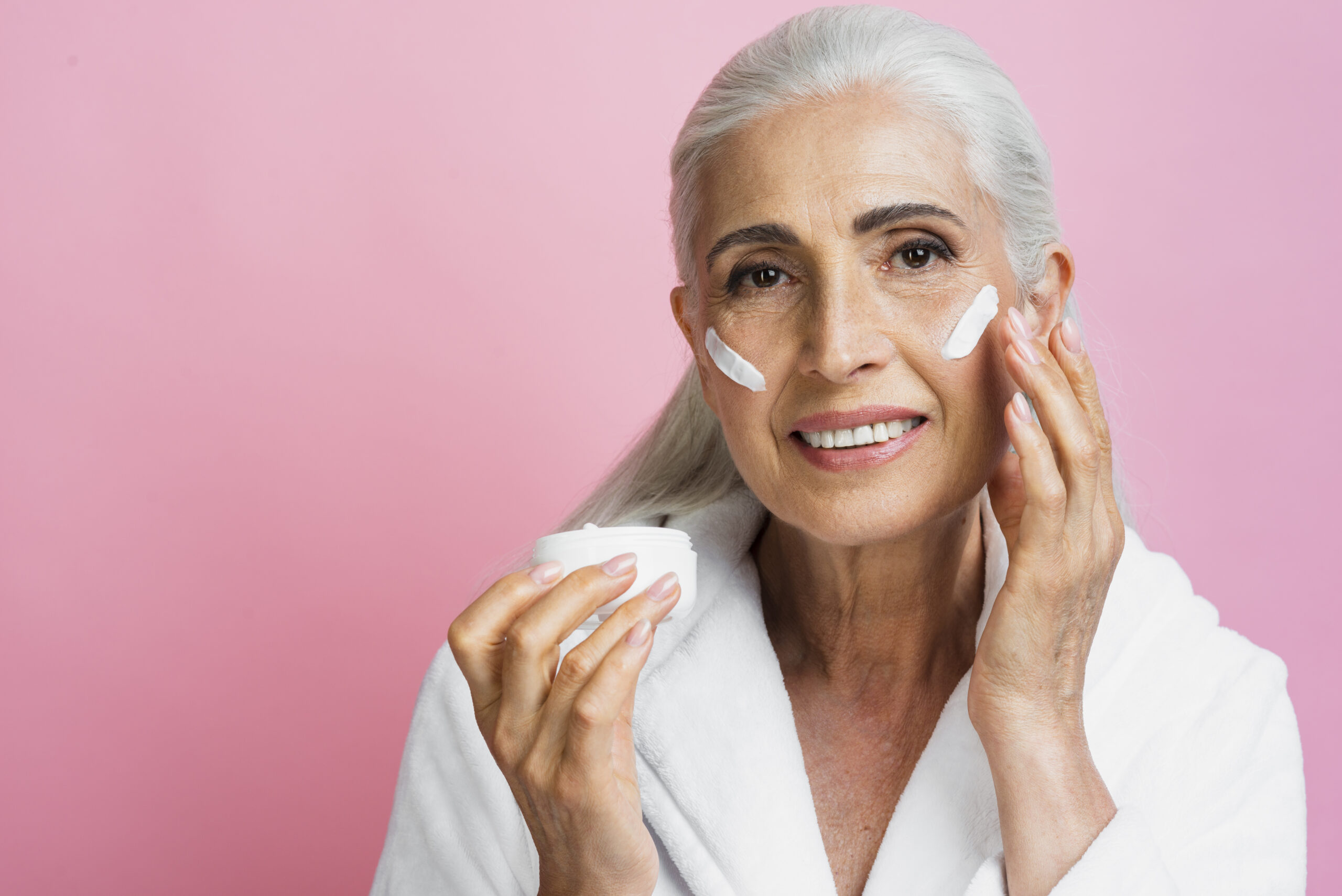
Menopause causes a lot of changes, not just mood swings and hot flashes. It can also change how your skin looks. That’s why women are looking for ways to keep their skin glowing during menopause.
Skin care during menopause is a significant concern for many, but our Beauty Guide proposes that we first understand which changes to pursue: those that support healthy, comfortable skin. Menopausal skin changes don’t have to be such a big deal anymore. With the right approach, you can have glowing skin during menopause.
Hormonal changes during menopause, especially a drop in estrogen, change the structure and function of the skin. This makes it thinner, less elastic, and less able to hold moisture, which is one of the main changes many women notice in their skin during menopause. Experts also say that this drop in estrogen also weakens the skin barrier and accelerates dryness, fine lines, sagging, and changes in texture or tone as collagen production slows and moisture retention decreases.
This happens because estrogen helps maintain moisture by supporting the production of natural humectants like hyaluronic acid and by keeping the skin barrier strong; when those hormone levels fall, moisture retention drops and sensitivity rises.Changes like these have been known to potentially increase the fear of aging in women as the reality of their bodily adjustments becomes apparent. But then, aging is nothing to worry about. As long as you are healthy, exercise, and eat well, your maturity should be like that of fine wine.
Recognising these shifts helps women tailor ways to keep their skin glowing during menopause, using dermatologist-guided options such as boosting hydration with gentle moisturisers, using ingredients that support collagen and barrier strength (such as hyaluronic acid, peptides, and antioxidant vitamin C), protecting the skin with daily sunscreen, and adjusting routines to meet your skin’s evolving needs.

Image: Unsplash
Glow isn’t just about surface radiance; it’s about comfort, hydration, and resilience. Dr. Spiller spills the tea about glowing skin during menopause (see what we did there? lol); during menopause, even skin that appears smooth on the outside may be experiencing dryness, sensitivity, or barrier stress beneath the surface. A few key things can help you stay healthy during menopause:
Just as important, realistic expectations and patience matter. Menopausal skin responds best to consistency, supporting it daily with nourishing, properly ordered, and effective skincare rather than quick fixes or harsh interventions. Over time, sources have it that a steady approach is what allows glow to return in a way that actually feels good, not forced.
According to sources like Menopause Mastery, cleansing is essential, but using aggressive products can strip the skin and threaten the skin barrier. During menopause, the barrier is more delicate, so low-foam or cream-based cleansers are ideal and safer to use. Tips for gentle cleansing:
Gentle cleansing is the first step in your skincare for menopause routine.
Moisture is the bedrock of glowing, menopausal skin. You’ve got to drive away every ashiness with some good ol’ moisture! According to CeraVe, combining humectants, emollients, and occlusives helps to retain hydration effectively. Consider:
Consistent hydration helps reduce dryness, flakiness, and tightness, supporting both glowing skin during menopause and comfort.
According to Self, cell turnover slows with age and hormonal shifts. Gentle exfoliation supports renewal without compromising the barrier. Guidelines:
When you renew your skin, you get a smoother texture and a more even skin tone, all while reducing irritation. This addresses the heart of the menopausal skin changes many women experience.
Barrier repair is essential. Ingredients that calm and protect skin help prevent inflammation and sensitivity. Key choices to note, according to MaireClaireUK and Vogue are:
Supporting your skin’s resilience is one of the most effective ways to keep your skin glowing during menopause over time.
Because your skin barrier is weaker during menopause,your kin is more vulnerable to damage from the environment. So you should consider sun exposure, pollution, and UV rays when thinking of your skin’s health and ways to keep your skin glowing during menopause, as they can exacerbate dryness and sensitivity. Tips:
Protective measures should be considered in your skin care for menopause, as experts stress that it prevents premature aging and preserve hydration and comfort.
Glow isn’t just about topical application of cream and lotions. According to the British Dietetic Association and Open Access Government, lifestyle factors such as the following significantly impact skin care during menopause:
Holistic habits complement your routine skincare for menopause to achieve healthy, long-term results.
Image: Freepik
According to credible sources, your skin barrier thins with age and hormonal changes. Because natural oil production has dropped, your skin is now prone to irritation and slower to heal. These menopausal skin changes make your skin’s inflammatory responses to become exaggerated, and you may find that previously tolerated products or routines are now uncomfortable.
This is why you must avoid over-exfoliation or harsh products, as they can cause these aggressive actives or scrubs to further disrupt an already fragile skin barrier, causing stinging and dryness instead of improving the skin’s condition.
Common missteps include:
Avoiding these errors is central to skincare for menopause that truly protects and restores glow.
If you’re dealing with persistent irritation, sudden changes in your skin’s texture, or severe dryness that doesn’t improve with gentle care, it’s a good idea to talk to a skin professional. It could mean that your skin needs more tailored treatment or investigation than routine products can provide. A dermatologist or skin specialist can recommend gentle actives, prescription-strength hydration, or treatments that respect menopausal skin biology and help you build a plan that suits your individual needs.
Professional guidance doesn’t replace your everyday routine; it complements consistent at-home care, helping ensure long-term comfort and radiance. Seeing a GP first is often the starting point in the UK, and they can refer you to a dermatologist on the NHS if needed, especially for issues that are unusual, persistent, or affecting your quality of life.
Changes in skin during menopause can really affect self-image and confidence, which is why we have committed to connecting you to the right ways to keep your skin glowing during menopause. Many women report feeling less attractive or seeing their appearance differently as their skin becomes drier, thinner, or more sensitive, and this can impact how they feel about themselves.
Surveys suggest a large proportion of women experience noticeable skin changes during menopause, and that these changes can be distressing and affect confidence. Glowing skin during menopause isn’t about reversing aging; it’s about acceptance and building confidence in your body’s current stage and appreciating your skin for what it is now, not what it used to be.
Menopause skincare is part of broader wellness. Menopause skincare works best when it’s seen as part of a broader approach to well-being rather than a standalone fix. Simple, consistent routines help reduce daily stress on the skin, support hydration, and create space for emotional self-care. When skincare is combined with healthy lifestyle choices, realistic expectations, and patience, it becomes a sustainable approach to beauty that honors and supports your evolving skin over time.
Wrapping up, Menopausal skin deserves gentleness and support, not aggressive correction. You should follow a thoughtful routine and seek out ways to keep your skin glowing during menopause, ways that prioritize hydration, comfort, and natural radiance. Consistency, realistic expectations, and self-compassion are the keys to skincare that truly works during this life stage.
Your best bet is a routine that protects the barrier, hydrates deeply, supports gentle renewal, and incorporates sun protection, but do not exclude healthy feeding and lifestyle habits.
Your skin changes because your hormones have shifted, and as a result, natural collagen production has slowed down, there is slow repair and low moisture retention, making skin thinner, drier, and more sensitive.
Yes. You can still glow if you consistently hydrate use, gentle care, barrier protection, and support your routines with ahalthy lifestlyy.
Hyaluronic acid, ceramides, niacinamide, antioxidants, and gentle emollients are especially effective.