
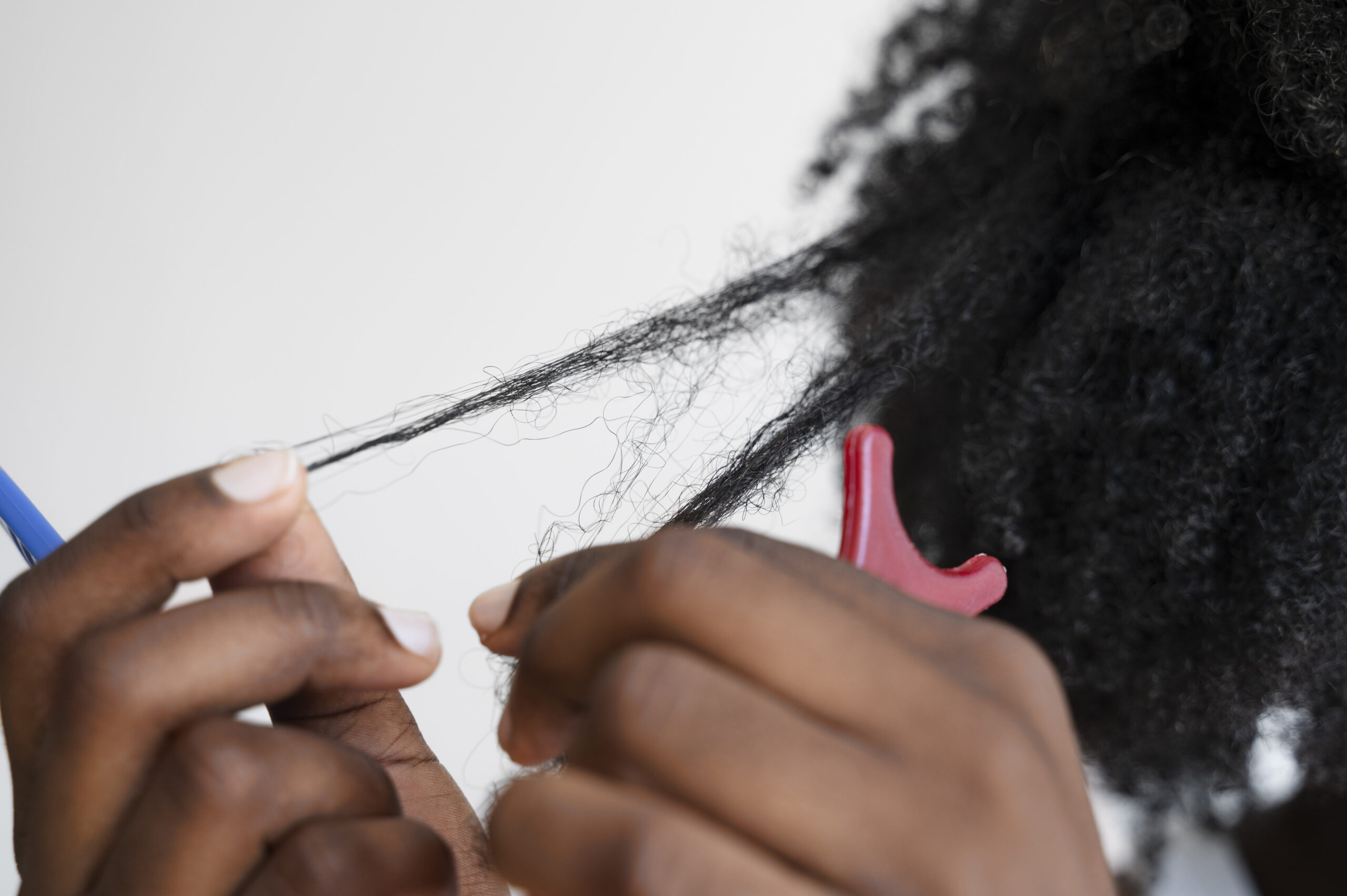
If your hair seems to fray at the ends no matter how much you care for it, you’re not alone. The truth is, learning how to prevent split ends naturally isn’t about applying miracle hair masks, conditioners, or sprays. Split ends come from repeated fiber stress and moisture loss.
Like our Beauty Guide points out, making small, consistent changes to everyday habits can turn your life around, and that includes hair. By living right and incorporating approved natural remedies for split ends, women can keep their hair stronger, smoother, and longer without turning hair care into a full-time job.
Here’s what Healthline says about split ends: they happen when the hair cuticle, the outer protective layer of the strand, wears away due to friction, heat, dryness, or over-manipulation. Once this shield has become worn out, the inner hair fibers are exposed, and the hair becomes weaker and more likely to fray at the ends.
Over time, that damage travels upward along the hair shaft, leading to uneven texture, split ends, and increased hair breakage.
Understanding this process will better inform you on how to prevent split ends more effectively and why only conditioners may not be fixing the underlying issue well enough.
Conditioners and serums can temporarily smooth the surface of the hair shaft, but they can’t permanently fuse the hair strands once they’ve split. So layering on more products may not be the answer. As a matter of fact, some traditional hair care tips still work better than using more products on your hair.
That’s why learning how to prevent split ends naturally is the first step to take before trying to repair any visible damage. Handle your hair gently, aim to ensure that your hair retains moisture well, use protective styling, and regularly trim your ends, as these practices form the foundation of natural split-end prevention. They also help preserve the cuticle before damage begins rather than reacting after it’s already done.
Split ends can reappear even after steps are taken to prevent them. At this point, the culprit could be overmanipulation and exposure to elements. from brushing, styling, environmental exposure, and friction from clothing. According to research from healthline on 7 ways to prevent split end, each cycle of tension, heat, or dryness gradually weakens the hair at its tips, making it more prone to splitting again.
If you neglect the routine habits that protect your hair, too, it only serves to compound the problem: a strand that is already brittle is much more likely to split, creating what can feel like a never-ending cycle. If you only focus on remedies and not prevention and hair protection, which is essential for preventing split ends naturally, you need to revisit your hair strategy and correct it ASAP.
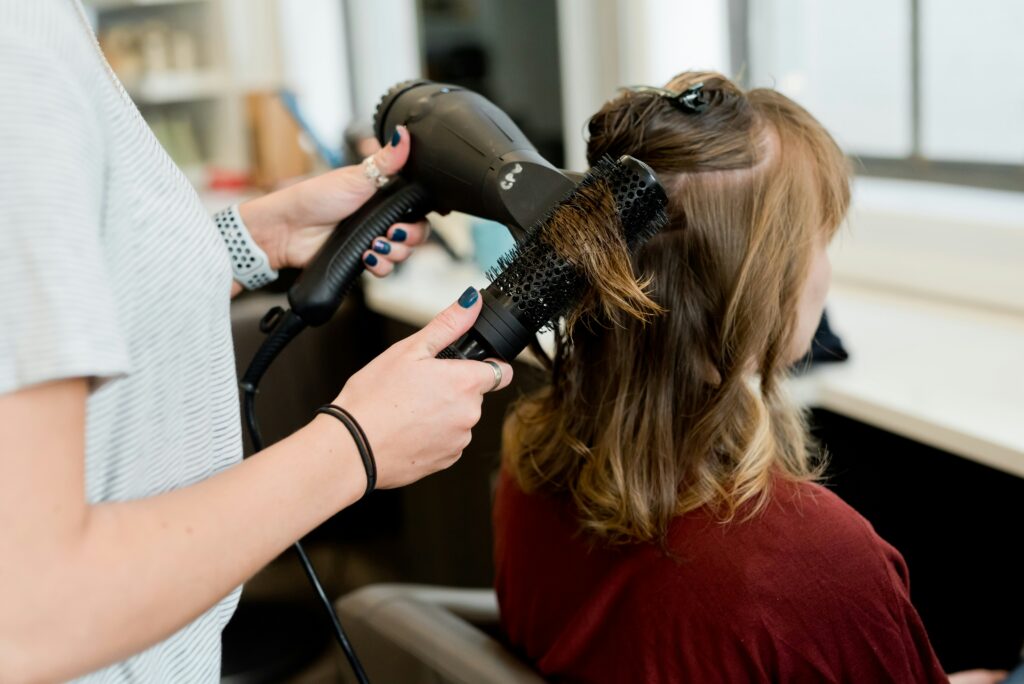
Image: Unsplash
One of the main causes of split ends is mechanical stress. If you are brushing your hair aggressively, using rough towels, or pulling hair into tight styles, this can fray the ends, and this can damage your hair.
Tips to reduce mechanical damage:
Making these seemingly small adjustments can make a big difference over time in your hair health. If you can, air-dry your hair instead of using hair dryers, and use heatless rods and curlers instead of hair tongs. It’s best to make these beauty swaps if you’re looking for sustainable beauty.
Heat styling and environmental factors also play a major role in hair damage and split ends. Tools like straighteners, curling wands, and hair dryers can weaken the hair strands by stripping them of moisture and altering the structure, making your ends more prone to splitting. At the same time, sun exposure, dry air, and pollution add more stress to hair that is already older and fragile at the tips.
To protect your hair from this, experts recommend using heat protectants before any hot tools, reducing how often you rely on heat styling, and covering your hair from harsh sun when possible. These habits are essential natural remedies for split ends. This is how to prevent split ends naturally, by minimizing external stress and helping keep hair strong and intact without adding complicated steps to your routine.
Moisture imbalance is another factor that causes split ends, because our hair needs water and natural oils to stay flexible and resilient. Without sufficient moisture, the hair cuticle, which is the outer protective layer, can crack, leaving ends brittle and prone to splitting.
To maintain moisture balance in the hair, experts recommend regular conditioning, avoiding harsh shampoos that strip your hair of its natural oils, and sealing your ends with lightweight oils such as argan oil or jojoba oil. This is how to prevent split ends naturally and support long-term hair health. These practices are also considered some of the most effective natural remedies for split ends, because moisture retention is the very foundation of healthy hair.
Prevention is largely about consistent, effective routines rather than expensive products. Here are some simple practices that prevent hair damage:
Even simple measures like these create noticeable results over weeks and months.
Oils are primarily sealants, which means that they lock in moisture already introduced into the hair. Here are some oils you can try out on your hair:
Apply these oils sparingly to your ends after washing or before installing a protective style. It helps hair retain flexibility and shine, making natural remedies for split ends practical and low-effort.
How you wash and dry your hair matters. Tips to protect ends:
Washing and drying your hair correctly prevents hair strand stress that causes split ends. Similarly, cleansing your face properly can help reduce acne and clogged pores.
Dermatologists recommend washing your face two times a day with a gentle cleanser and lukewarm water to remove excess oil and dirt without irritating the skin. This helps keep your pores clearer and lowers the chance of acne breakouts.

Image: Freepik
Your hair also needs protection while you sleep. Consider these healthy hair practices for bedtime:
Sometimes, less is more. Overloading hair with products, heat, or styling can actually accelerate damage. Minimal routines focus on essentials:
This approach not only prevents split-end causes but also reduces decision fatigue and product overload.
Trimming might feel like admitting defeat because you are cutting out the damaged ends, but it’s really an important maintenance step. Trimming helps remove split ends, which would otherwise travel up the hair shaft, leading to more breakage and fraying.
Regular trimming every 6–8 weeks removes those split tips before they worsen, keeping hair looking healthier and helping your care routine work more effectively. Regular trims are one of the simplest ways to prevent split ends because they stop damage early and help keep hair stronger and smoother overall. This habit is a stellar natural split-end prevention technique, even though many women think it’s counterproductive.
But why leave those ends in if it’s going to split the rest of your hair length? A necessary lesson in learning how to prevent split ends naturally is to do all that is required to protect the health of your hair, instead of letting damage build up.
Stack small habits rather than overcomplicating routines:
Wrapping up, split ends are a sign that your hair needs some extra care. Understanding how to prevent split ends naturally focuses attention on everyday handling, moisture retention, and protective routines rather than chasing repair. With thoughtful habits and consistent moisture support, hair can stay stronger, smoother, and longer. Prevention is simple, practical, and far more effective than constant trimming or chasing quick fixes.
Mechanical stress, heat, environmental exposure, and moisture loss are the main split ends causes.
Yes. Gentle handling, protective habits, and moisture support reduce breakage over time.
Aggressive brushing, especially on wet hair, can contribute to fibre damage. Use wide-tooth combs or detangling brushes.
Once a split has formed, it can’t fully be repaired. Prevention and careful trimming are the most effective strategies.