
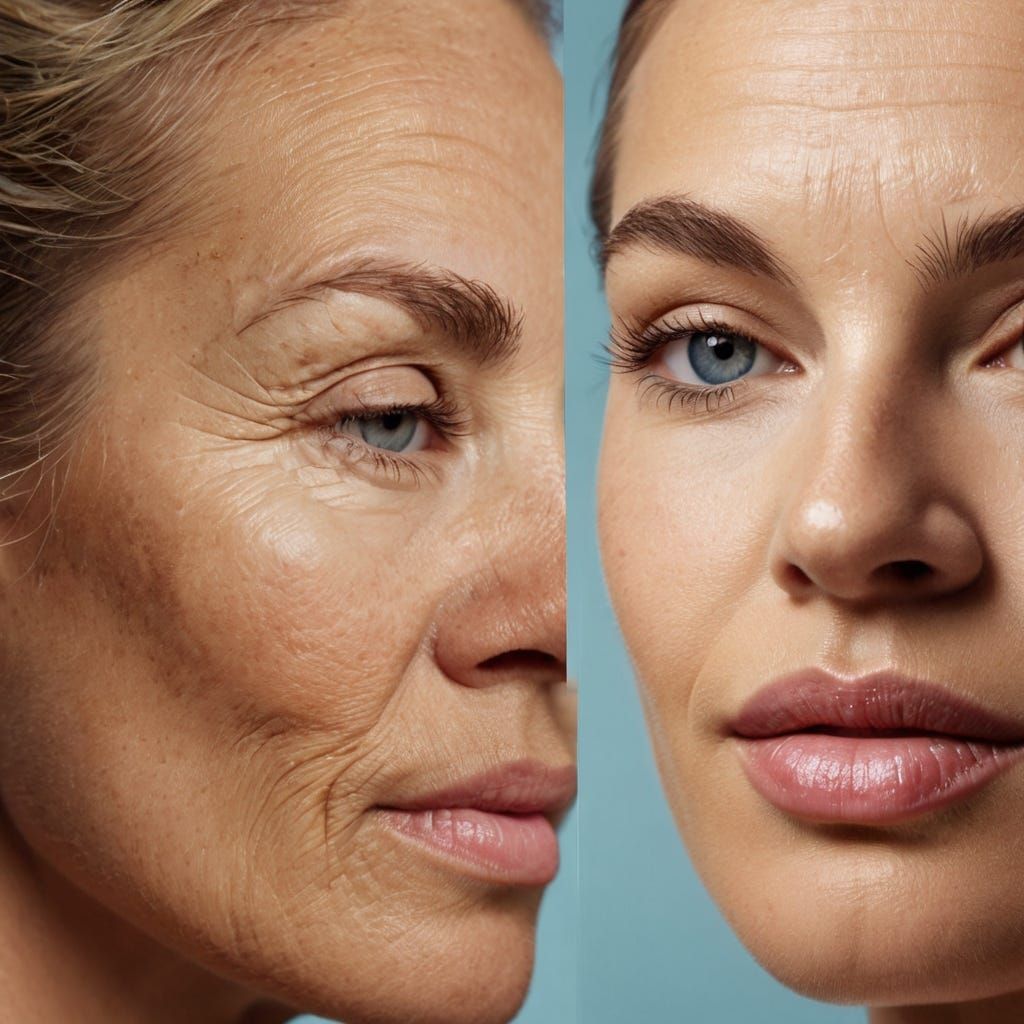
Wrinkles are lines on your skin. Many women feel unsettled when they start to notice fine lines on their skin, but wrinkles are a natural part of aging. But while aging is natural, there are some environmental or lifestyle factors that can speed up the formation of wrinkles.
The good news, however, is that many early signs of aging can be delayed or softened through consistent care, smart lifestyle choices, and protective habits. In this article, you’ll get to discover how simple, intentional steps like sun protection, skin barrier support, and effective skincare can help you prevent early wrinkles and maintain smooth skin.

Image: Pinterest
The fact is that wrinkles appear when the skin loses collagen, elasticity, and moisture. Research from wellbeing nutrition shows that the proteins responsible for firmness and elasticity (collagen and elastin), gradually decline as skin ages. Over time, this causes wrinkles to appear, particularly around the eyes, mouth, and forehead. Apart from aging, which is natural, early wrinkles can be caused by:
Often, how to keep your skin smooth depends on how well its structural proteins, water content, and protective barrier function together.
Studies by the NIH show that collagen makes up most of the dermis and provides structural support, firmness, and thickness. It also keeps your skin resistant to lines and sagging. This protein declines naturally with age and faster with UV exposure, smoking, and chronic inflammation. And when this happens, your skin becomes thinner and less even, making fine lines and roughness more noticeable.
Studies show that elastin allows your skin to stretch and bounce back, but once the elastin fibers break, the damage is irreversible. This loss of elastin leads to skin that feels looser and looks less smooth, even if it is well hydrated.
It is proven that water content mainly affects the outer layer of our skin. When your skin cells are hydrated, they swell slightly, creating a smoother surface. On the other hand, dehydration causes the cells to shrink and edges to lift, making skin feel rough.
The skin barrier is made up of lipids (ceramides, cholesterol, and fatty acids) that seal the cells together to prevent excess water loss and block irritants that trigger inflammation. Your skin’s ability to retain moisture and withstand external stress is aided by an intact skin barrier, but when it is compromised, fine lines may become more pronounced. Engaging in habits that support all these elements simultaneously is how to keep skin smooth.
Common triggers of wrinkage includes, but are not limited to.
Sun exposure is the leading cause of early wrinkles. So one habit that can truly help to prevent early wrinkles is sun protection. During sun exposure, UVA rays are able to penetrate deeply and break down collagen and elastin, while UVB rays cause surface-level damage and pigmentation.
Studies show that environmental stressors, including pollution and blue light, damage skin primarily by increasing oxidative stress, inflammation, and disruption of the skin barrier. Blue light from the sun and prolonged screen exposure can penetrate the dermis, where it promotes oxidative damage and stimulates pigment production, especially in darker skin tones. Damage caused by blue light is subtle and accumulates over time, unlike UV burns.
Lifestyle factors play a major role in early aging and wrinkle formation because they directly affect your skin’s ability to repair and protect itself. These lifestyle factors include:
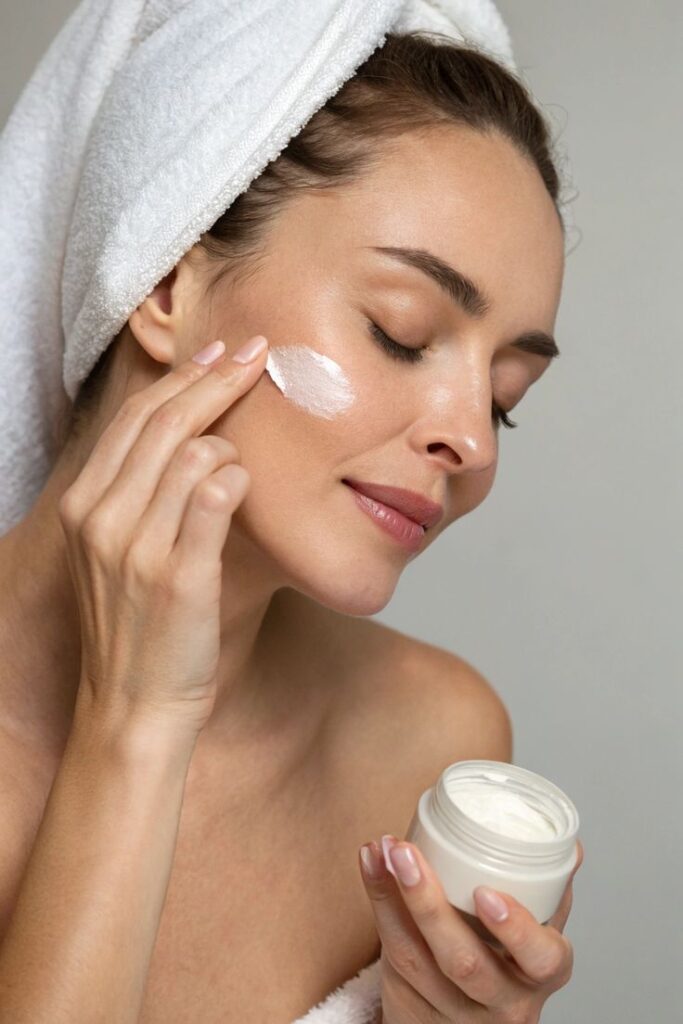
Image: Pinterest
Below are the skincare strategy that you can apply:
Learning how to prevent early signs of aging is not about extreme routines but about understanding how your skin changes and which habits make the biggest difference. Once wrinkles are deeply set, they are almost impossible to control without professional treatments. If you talk about building an anti-aging skincare routine, it means doing a few simple things consistently to protect your skin before problems show up. A preventative routine prioritizes barrier support and hydration.
While it is crucial to keep your face clean, it is equally important to avoid stripping essential oils. You can start with gentle cleansing, once or twice daily, using a mild, non-foaming cleanser that removes dirt, sweat, and sunscreen while keeping natural oils intact. Over-cleansing or harsh surfactants can damage your skin barrier and trigger dryness, irritation, and breakouts.
Moisturizer keeps water in the skin and prevents trans-epidermal water loss. Experts recommend using moisturizers, especially ones that support lipids. Because well-hydrated skin functions better, heals faster, and tolerates stressors more easily.
The skin barrier is your first line of defense against bacteria, pollution, and irritation. You can support it with products that address specific concerns without overloading the skin. It is also important to avoid frequent exfoliation, fragranced products, and anything that causes stinging or tightness, which are signs of barrier damage.
Overusing strong actives or constantly changing products can backfire by weakening your skin barrier. And wrinkles often look more pronounced when your skin is irritated or inflamed.
When collagen production slows down and existing collagen degrades, it causes the formation of wrinkles. But retinoids increase cell turnover and stimulate collagen production, helping to prevent early wrinkles and texture changes over time.
Antioxidants prevent damage more than they reverse it. Vitamin C, vitamin E, ferulic acid, or niacinamide neutralizes free radicals from UV and pollution that break down collagen and accelerate skin aging. So they’re best used early and consistently.
With age, the skin’s repair signals weaken. But some peptides help restore those signals, supporting firmness and elasticity, with modest long-term benefits.
Hyaluronic acid binds water in the skin, keeping it hydrated and preventing early wrinkles. Dehydrated skin makes fine lines appear more prominently. But well-hydrated skin appears smoother and ages more slowly over time.
Anti-aging skincare does not have to be complicated. Day and night routines serve distinct purposes, and proper layering ensures that each ingredient performs optimally without overburdening the skin. Vitamin C and other antioxidants are most effective in the morning under sunscreen to protect against environmental stress. While retinoids and peptides work better at night, when the skin repairs itself. Moisturizers and hydrating serums help to lock in benefits and improve barrier function.
Daily sunscreen use protects the skin and prevents early wrinkles. It is one of the few anti-aging steps with long-term evidence behind it. And it works best when used consistently, not occasionally. Beyond products, some daily habits can help maintain smooth skin. When you repeatedly rub and pull the skin (harsh cleansing, towel drying, face touching), it damages the skin barrier and contributes to wrinkles over time. Reducing friction from harsh towels or tight clothing prevents mechanical stress. High-energy visible light can increase oxidative stress and pigmentation. So limiting screen time or using blue-light protection can also contribute to long-term skin health.
Results do not happen overnight. Collagen synthesis and visible skin improvements take weeks or months. So it is important to understand that consistency and moderation are far more effective than intense, short-term routines. Avoid overdoing exfoliation, multiple active ingredients, or aggressive treatments, as these can compromise the barrier and make fine lines more noticeable.
Hydration prevents your skin from looking dull or creased, but it mainly supports normal skin function rather than actively preventing wrinkles.
If your question is,“Does drinking water really help prevent wrinkles?” The simple answer is, “Hydration matters,” but not in the way it is often advertised. Drinking water supports overall health and skin function, but it won’t erase wrinkles on its own. Well-hydrated skin cells function better. So, think of water as a foundation, not a treatment.
Although diet doesn’t replace topical care, it meaningfully supports skin structure over time, says Dr. Whitney Bowe, an award-winning dermatologist and scientist, as shared in one of her videos.
Experts and dermatologists agree that regular physical activity helps maintain skin’s appearance.
Chronic stress increases inflammation and cortisol, which accelerate collagen breakdown and skin aging. But managing stress through sleep, mindfulness, or relaxation can help your skin maintain its structure and strength. Also Read: The Only Beauty Guide You’ll Ever Need; Skin, Hair, Makeup, Confidence
Wrapping up, early wrinkles are natural, but it is possible to prevent them. Preventing early wrinkles is not about perfection; it is about balance, patience, and supporting your skin every day. By combining consistent skincare, sun protection, barrier support, and mindful lifestyle habits, you can maintain smooth and healthy skin over time.
Natural aging, sun exposure, repetitive expressions, stress, lack of sleep, and environmental factors like pollution and climate.
Daily sunscreen, hydration, healthy diet, stress management, adequate sleep, and gentle skincare focused on barrier support.
Retinoids, antioxidants, peptides, and hyaluronic acid support collagen, elasticity, and hydration.
Yes. Sleep, stress management, diet, hydration, and avoiding smoking significantly affect wrinkle development.
Sunscreen is the single most effective preventative measure, protecting collagen and elastin from UV-induced damage.
Visible improvements can take several weeks to months, as collagen synthesis and skin renewal are gradual processes.