
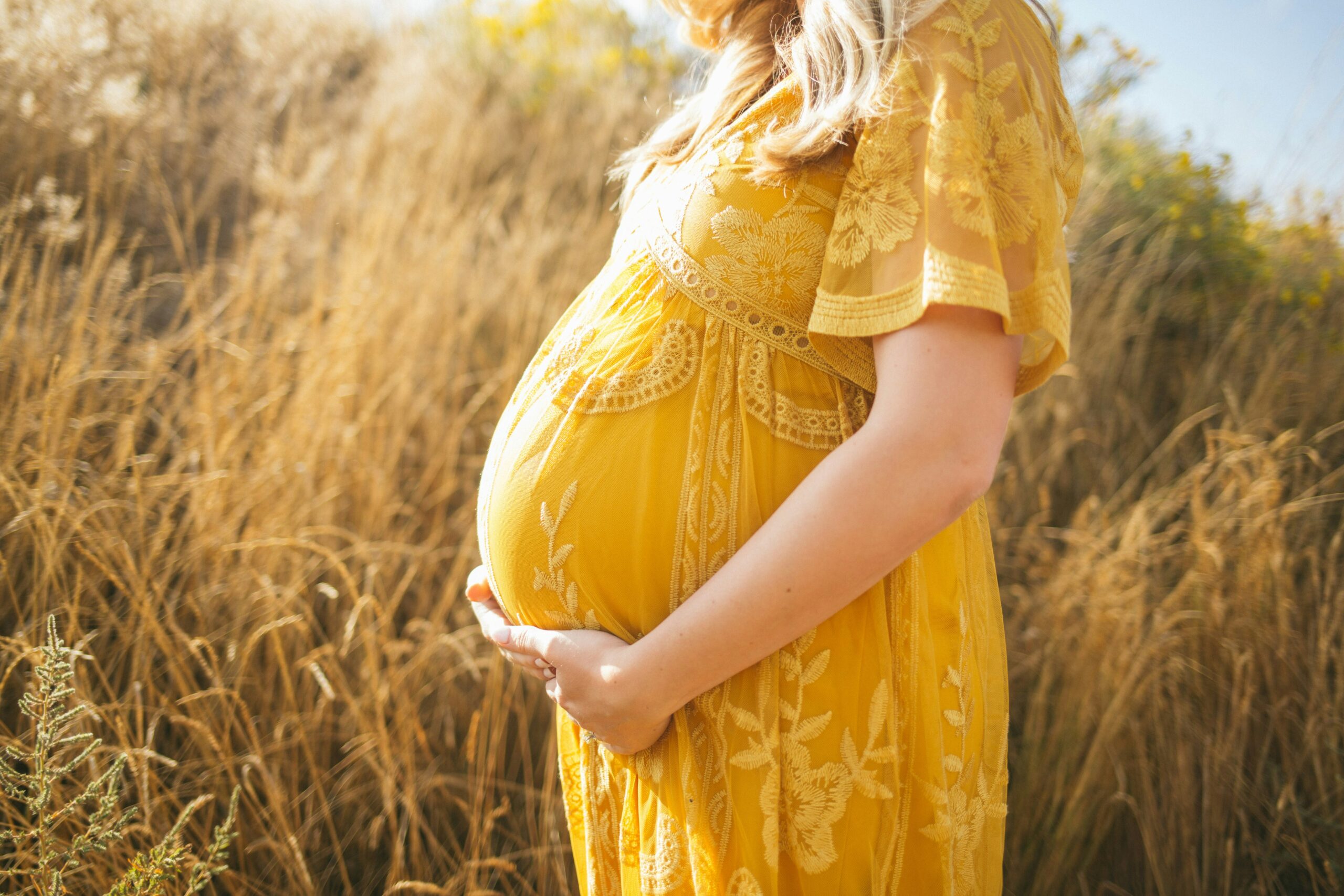
To become the first healed woman in your family, you do it by intentionally breaking generational trauma, taking full responsibility for your emotional growth, and going for healthier relationship patterns than the ones that were passed down to you. Healing as a woman starts with awareness, proceeds with accountability, and is sustained through forgiveness, faith, and conscious change.
When we talk about passed-down traits, we usually only think about phenotypic and physical characteristics, but that’s not all that parents pass on to their children. Along with beautiful traits and talents, families can pass on destructive mindsets, unhealthy relationship patterns, and distorted perspectives on the world. This article serves as a guide to emotional healing for women struggling with generational trauma.

Source: Pinterest
Not all of what we inherit is beneficial. Generational trauma is the transmission of emotional wounds, unresolved grief, and negative patterns from one generation to the next. This is a recognized pattern in psychology that often appears in families as repeated cycles of abuse, neglect, unhealed emotional pain, or even unspoken resentments.
A mother who was neglected, abused, or rejected as a child may inadvertently repeat these behaviors with her offspring, who then repeat them, creating a generational pattern. There’s a popular saying that “hurt people hurt people,” and this is common. She’s wounded. She grew up in dysfunctional families where love was confusing, unpredictable, or unsafe. Without healing, those childhood wounds manifest in adult behaviors that harm those she cares about the most.
Generational trauma often shows up as chronic anger, emotional withdrawal, harsh discipline, or difficulty expressing affection. It can also appear as anxiety, hyper-independence, people-pleasing, fear of abandonment, or distrust in relationships. Sometimes it looks like silence around painful events, family secrets, unspoken grief, or normalized dysfunction.
During my childhood, my mother often used physical punishment on my sister and me. She was strict and rarely overlooked mistakes. This behavior seemed rooted in her own upbringing, as she had grown up in a household where physical discipline and verbal abuse were common. Although I cared deeply for her, I struggled with these aspects of her behavior.
As I grew older, I began to notice similar patterns in myself. I reacted with anger and defensiveness to minor situations and often sought approval from others, believing it would shield me from conflict or harm. At times, I used manipulation to achieve what I wanted. These behaviors affected my relationships.
Generational cycles in families can have an impact on our mental health, relationships, and self-perception. If you grew up in a home where affection was inconsistent or conditional, you learn to associate love with anxiety. So when someone comes into your life offering healthy affection, you doubt their intentions, assume they’ll eventually hurt you, or simply push them away. You sabotage healthy relationships because it all feels weird. Some women become passive-aggressive or endure emotional and verbal abuse in a relationship.
In practical terms, it doesn’t just influence your sense of self-worth; it can affect how you handle conflict, how you express love, and how you set boundaries. Often, individuals may not immediately recognize these patterns as inherited because they can feel so normal; this can be a result of the environment in which they were raised. Generational patterns deteriorate with each passing generation. Each generation picks up more unhealthy patterns. Fortunately, these cycles are breakable. It often starts with one person daring to heal.
A healed woman is someone who chooses to stop harmful family patterns and start new, healthy ones. This is a woman who has faced her emotional wounds and taken responsibility for her growth instead of ignoring or denying her experiences.
You have to recognize and work towards changing unhealthy patterns learned in childhood, relationships, or difficult life events. Rather than reacting from anger, fear, or insecurity, you can learn to respond with awareness and self-control. When you successfully achieve healing from family trauma, you can confidently set boundaries, communicate clearly, and not rely on manipulation or people-pleasing to feel safe or valued
The following are applicable steps to breaking the cycle of generational trauma:
Becoming aware is the first step in breaking generational cycles. You need to identify your family’s destructive relationship patterns because you can’t change what you’re not aware of. Journaling is a good tool for emotional healing for women. Write down recurring patterns of behavior or conflict that exist in your family. Maybe your family triggers anxiety you can’t explain, or old wounds seem to reopen at every family gathering.
Observe how your family relationships have shaped your beliefs about yourself and the world. You may decide to talk to an individual who you think is healthy and more stable, like a mentor, a pastor, a role model, or a trusted friend, or seek professional therapy in order to help you see what you’re unable to see on your own.
That’s how you allow change to happen. The mistake most hurt women make is that they expect a partner to “fix” them. They become clingy, overly dependent, and resentful when needs aren’t met. Some become self-indulgent.
Truly, generational cycles are not our fault. However, it’s our responsibility to identify and break these cycles so we can secure generational healing for our children. Being born into a dysfunctional family is not your fault, but it will be your fault if your kids grow up in the same environment. You have to admit that you have a problem and you need help.
This could include observing how other people or families react to situations differently than you do. This is not about comparing yourself to others but about learning healthy reactions and better strategies for managing your emotions. You can also read articles or books on healthy friendships, boundaries in unhealthy relationship patterns, approval addiction, emotional healing for women, and how to heal from childhood trauma.
Change doesn’t happen in a day, and breaking generational cycles is not a one-off thing; it’s all a process. You must recognize that you’re healing first for yourself and then your children. Know that your future is not dependent on your past.
I recommend this to anyone seeking any form of healing because it’s where I found mine. It’s not uncommon for women to seek healing from family trauma in romantic relationships, and when that fails, many turn to substance abuse. Some women blame others and make excuses for how they react to situations. But the truth is this habit only reinforces negative generational patterns. Deliberately studying the scriptures helps to reshape your mindset and give you insight into who you truly are: a healed and whole woman.
“Are you weary, carrying a heavy burden? Come to me. I will refresh your life, for I am your oasis.” Matthew 11:28 TPT.
Generational trauma is a heavy burden that must be broken with the help of God. Psalm 147:3 says that the Lord heals those whose hearts have been broken, whether from abuse or family trauma, and binds up their wounds. Scriptures on healing from trauma show that healing is not only possible but also promised. When you read books by authors who have experienced similar challenges, like Joyce Meyer, you get to see how the Word of God can help recover from the emotional pain of abuse. Further, the book of Proverbs identifies what healthy living looks like and points out the changes you should make.
This is the most effective but often the hardest step in emotional healing. And in some cases, the hardest part could be forgiving yourself. Forgiving is more of a process than an act. It doesn’t mean excusing abuse or forgetting trauma. It means choosing not to let the pain dictate your life anymore. Forgiveness is ultimately about breaking generational trauma, because when you forgive, you reduce the likelihood of passing down the emotional burdens to the next generation.
Forgiveness involves mentally acknowledging your hurt and choosing to move forward. It can be expressed as “saying a prayer of release for those who hurt you” or “writing a letter you may never send.”

Source: Unsplash
“A good person leaves an inheritance for their children’s children…” Proverbs 13:22 NIV
Every act of love and kindness is a form of generational healing. Being the first healed woman in your family makes you a spark of change, and over time, others will follow your example. Your healing will ripple through generations. Children, nieces, nephews, and younger relatives will witness a new model of strength and vulnerability. Your healing becomes your legacy and their inheritance.
In conclusion, every act of love and kindness is a form of generational healing. Being the first healed woman in your family makes you a spark of change, and over time, others will follow your example. Your healing will ripple through generations. Children, nieces, nephews, and younger relatives will witness a new model of strength and vulnerability. Your healing becomes your legacy and their inheritance.
“A good person leaves an inheritance for their children’s children,…” Proverbs 13:22 NIV