
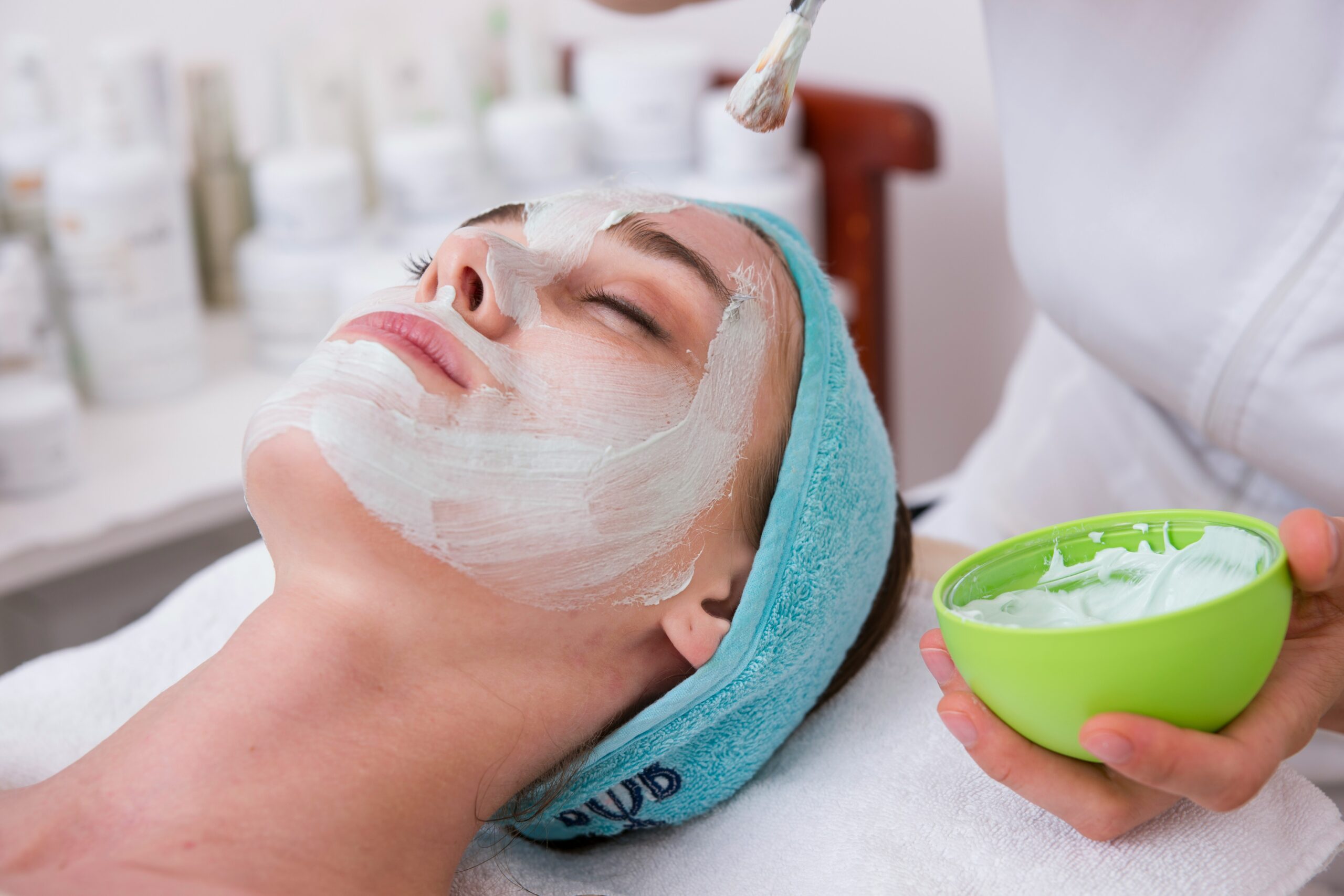
The simple ingredient your skincare routine might be missing could be sitting in your kitchen cabinet. Sometimes, what you need to achieve the results you’re hoping for is not adding another expensive product to your routine. Maybe all you need is to go back to the basics.
You can make face masks at home using very simple, familiar ingredients that can support your skincare journey. When used thoughtfully, DIY masks can become a calming, skin-friendly ritual that can work well with your routine, not against it. At the end of the day, everyone wants skin that looks healthy, balanced, and naturally glowing.
Homemade face masks actually work, just not in the way social media sometimes promises. They are not magic wands that solve all your skincare concerns overnight. They won’t erase acne overnight, shrink pores permanently, or transform your skin in one use. Homemade face masks mostly work for mild, temporary skincare benefits like hydration or gentle exfoliation using natural ingredients such as honey, yogurt, or avocado.
Yes, they are inexpensive and customizable, but they are generally less potent than professional products. They cannot penetrate the skin to address deep, chronic issues like wrinkles or severe acne. Dermatologists consistently explain that the outermost layer of skin—the skin barrier—is where DIY masks work, not deeper layers. That means homemade masks are best thought of as supportive care, similar to a nourishing meal or a good night’s sleep. They are helpful, but not a cure-all solution.
You should know this so you don’t end up with unrealistic expectations. Your DIY skincare expectations and experience should feel satisfying and not be met with disappointment.
Before you apply anything to your skin, always have the safety and health of your skin in mind. You must be very sure the ingredients are friendly to your skin. “Natural” doesn’t automatically mean gentle, and your skin isn’t designed to handle everything your stomach can. Always ensure that you do patch testing before using any product on your skin, whether homemade or not. Patch testing is non-negotiable.
You can apply a small amount of your mask behind your ear or on the inside of your elbow and wait 24 hours. Any itching, burning, redness, or bumps means that ingredient isn’t right for you. Your skin barrier is delicate. Clinical skincare research consistently shows that overuse of irritating ingredients weakens the skin barrier, leading to dryness, sensitivity, and breakouts. That’s why DIY face masks should be occasional—not daily—and always rinsed off gently.
Ingredients like citrus, spices, strong enzymes, and acids need to be applied with extra caution. They’re usually common in DIY recipes, but also, they can easily cause irritation, especially if your skin is already sensitive.
If you want to succeed in your skincare journey, the best hack there is is to know your skin. Understanding what your skin actually needs is the first and most important step. Good DIY skincare starts with understanding your skin. Don’t just copy a recipe. Know what your skin needs per time. Also, observe how your skin reacts to different ingredients. This is why patch testing is essential.
If your skin feels tight or flaky, it’s usually asking for hydration and barrier support. If it’s oily, it often needs balance rather than harsh drying. Sensitive skin wants calm and consistency, while inflamed or red skin is usually telling you to slow down. Skin professionals agree that most skin issues worsen when we do too much. DIY masks work best when they respond to what your skin needs right now, not what trends suggest you should use.
Kitchen ingredients affect skin because they contain natural compounds like oils, sugars, enzymes, proteins, and antioxidants. These compounds sit on the skin’s surface. Honey attracts moisture. Oats reduce irritation. Yogurt contains lactic acid, which gently loosens dead skin cells. Fruits contain enzymes that help with mild surface exfoliation. However, unlike professionally formulated skincare, kitchen ingredients aren’t stabilized, pH-balanced, or tested for repeated skin use. This is why simple, short wear times and moderation matter so much.
We can now agree that no DIY skincare is one-size-fits-all. Different ingredients work for different skin conditions and skin types. This also applies to face masks.
Hydrating masks focus on comfort rather than correction. Honey is one of the gentlest options and is widely recognized in dermatology for its humectant properties. It can be applied on its own or mixed with plain yogurt. It helps the skin feel soft and supported.
Plain yogurt adds light hydration and a smooth skin feel, thanks to its natural lactic acid. When applying on the face, keep the layer thin and let it sit in your skin for about 10 minutes (and not more). Cucumber or cucumber juice offers cooling hydration. These masks don’t “treat” the skin aggressively, but they feel soothing—especially when skin feels tired or overheated.
When your skin feels reactive, irritated, or overwhelmed, soothing masks are your safest option. Oat-based masks are especially calming. Dermatologists commonly recommend colloidal oats for eczema-prone and sensitive skin. This is why finely ground oatmeal combined with water or milk works so well.
Cucumber masks can temporarily reduce redness and puffiness. Keeping the mixture cool can boost its soothing effect. Milk-based masks can soften skin briefly, but they should be used sparingly and avoided if your skin breaks out easily.
Brightening masks need a gentle hand. They should never sting or burn. Papaya contains enzymes that help loosen dead skin cells. A small amount, used for just a few minutes, can help skin look fresher.
Turmeric can enhance glow, but only in very small amounts. Skin experts often warn that turmeric can stain or irritate skin when overused, so it should always be diluted with yogurt or honey. Fruit acids should be used occasionally and avoided entirely if your skin is sensitive or your skin barrier is broken.
Combination skin needs balance, not extremes. Egg white masks can temporarily tighten the skin and reduce surface oil, but it’s best to use them sparingly. Yogurt and honey combinations can help balance oil without stripping moisture.
Dermatologists repeatedly caution that over-drying oily skin often leads to increased oil production, so harsh DIY masks are very likely to backfire.
Always start with clean skin using your regular gentle cleanser. Apply in thin, even layers. DIY masks don’t work well when they’re thick. Less is more in this case.
Most homemade masks should stay on for 5–10 minutes. Leaving them on for a longer time increases irritation without improving results. Rinse with lukewarm water and a soft cloth. Never scrub. Then follow with a simple moisturizer to protect your skin barrier.
DIY face masks are easily available and inexpensive, so you can easily be tempted to overuse them. Always remind yourself that less is more and over-use does more harm than good. A once-a-week routine is usually enough for most people. For sensitive skin, it is safer to apply it once every two weeks.
Skin health specialists emphasize that recovery time is essential for barrier repair, so spacing out masks matters just as much as choosing the right ingredients.
Always monitor your skin while using any product, homemade or not. If your skin stings, burns, turns red, feels tight, or breaks out, stop immediately. DIY may just not be your thing. Healthy skin should feel calm after a mask—not sore or sensitized. Trust your skin more than any recipe. Listen to your skin and do what it says.
DIY masks support skincare. They are not a replacement for it. Cleansing, moisturizing, and sun protection form the foundation of skin health. Most dermatologists will agree that consistency is more important than occasional treatments. This may just be the only beauty guide you need to bring the best out of your skin.
Homemade masks work best when your routine is already simple and consistent.
DIY skincare can reduce unnecessary spending and product overload. Also, using ingredients you already trust makes you feel safe and confident to use them consistently.
When done thoughtfully, homemade masks align with slower, more mindful beauty habits that prioritize skin health over constant consumption. Do you know that understanding your skin builds confidence? DIY masks can become small rituals, quiet moments where you check in with how your skin actually feels.
Your confidence grows when beauty feels supportive, not demanding. When you treat your skin with patience and respect, it often responds gently in return.
Wrapping up, face masks you can make at home can support your skin when used carefully, simply, and consistently. Knowing your skin and what works is more important than following popular trends. Gentle care protects the skin barrier far better than experimentation. Healthy skin comes from patience, protection, and realistic expectations. When DIY face masks are used mindfully, they become a supportive part of a skin-respecting routine, not a risky shortcut.