

Glowing skin isn’t all about skincare routines or perfect makeup. It begins with what you consume or take into your body. The body glows when it receives enough vitamins, healthy fats, antioxidants, and hydration.
What you eat plays a huge role in how your skin looks, feels, or ages. The best foods for healthy skin nourish your skin cells, boost collagen production, fight inflammation, and provide protection against environmental damage.

Image: Unsplash
The skin is the largest organ of the body, and just like every other organ, it reflects what you feed it. The nutrients in your diet affect your skin positively (glow) or negatively (breakouts).
Nutrients build and repair skin; this means the skin renews itself, and nutrients are needed for this process.
When your diet lacks these important nutrients, your skin may look dull, dry, or irritated.
Your skin is a living, regenerating organ. Every new cell grows from the nutrients in the bloodstream: vitamins, minerals, fatty acids, and water-rich food. Nutrients like protein provide building blocks to repair worn-out tissues, while vitamins A and C promote skin turnover and collagen production. Proper consumption of these ensures the skin is protected, repaired, and always glowing.
Food fights inflammation; many skin issues like acne, redness, or eczema are linked to inflammation. Diets rich in omega-3 fatty acids, antioxidants, and whole foods help calm inflammation internally. An unhealthy gut, on the other hand, can contribute to inflammation, acne, or eczema. Skin care treats surfaces, but nutrition supports the foundation. When you nourish your body properly, it responds with clarity, elasticity, and glow.
These are skin boosting foods.
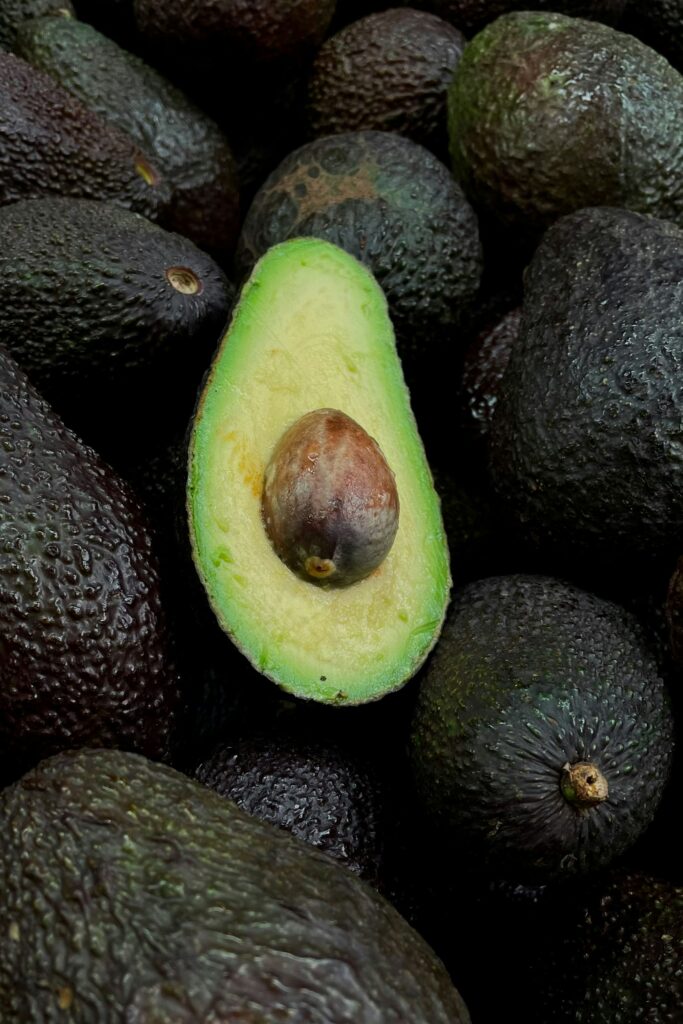
Image: Unsplash
Avocado is one of the best fruits for achieving healthy, glowing skin because it contains vitamin E, healthy fats, and antioxidants, which nourish the skin and make it look better.
Avocado is good for the skin because:
You can add avocado to your meals through the following methods:
Eating an avocado daily helps improve skin texture and hydration.
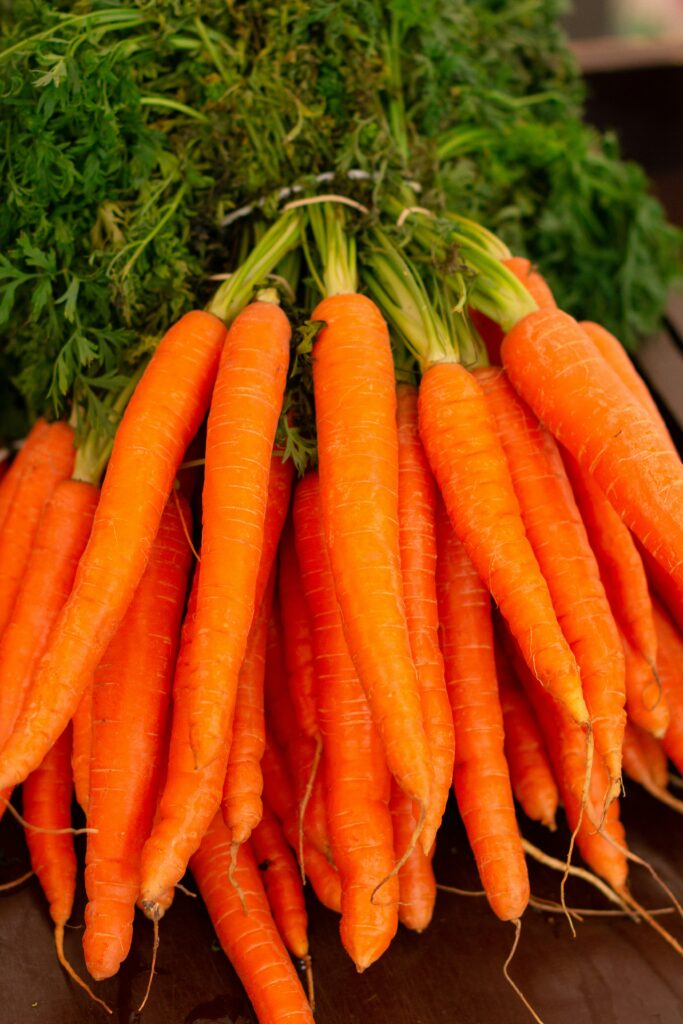
Image: Unsplash
Carrots are one of the best glowing foods for healthy skin because they contain beta-carotene, antioxidants, and vitamins, which promote clear and healthy skin.
Carrots are good for the skin because:
You can add carrots to your diet by
Including carrots in your diet improves the skin’s glow and overall radiance

Image: Unsplash
Eggs are a powerful food for skin health because they contain high-quality protein, biotin, and essential nutrients that support and grow the skin.
Eggs provide complete protein with all essential amino acids needed for tissue repair and regeneration. The amino acids in eggs (proline or glycine) help build collagen, which keeps skin firm and elastic. Eggs are rich in biotin, which supports healthy skin and helps prevent dryness, irritation, and flakiness.
Eggs can be added to our diets in the following ways:
Eating eggs regularly increases skin texture, strength, and overall glow from the inside out.

Image: Unsplash
This is essential for maintaining healthy skin because it supports the gut-skin connection, provides high-quality protein, and contains key nutrients that promote clear and glowing skin.
Greek yogurt contains probiotics that support gut health; a balanced gut helps reduce inflammation, acne, or eczema. The protein helps repair skin tissue and maintain firmness and elasticity.
You can include Greek yogurt in your diet by:
Proper daily intake of Greek yogurt, preferably the plain, unsweetened variety, would improve the skin condition.
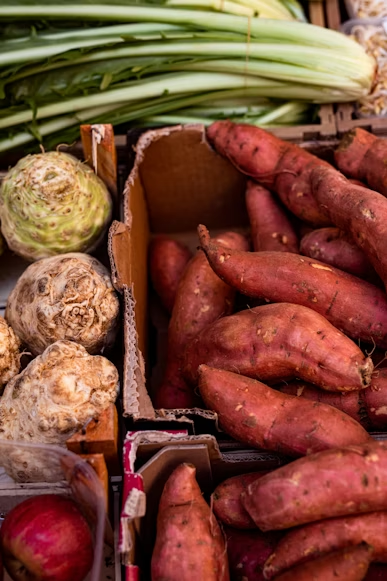
Image: Unsplash
Sweet potatoes are one of the best glow foods because they are packed with beta-carotene, fiber, and antioxidants that promote healthy skin.
Sweet potatoes influence skin growth by the presence of beta-carotene, which the body converts to vitamin A and helps prevent clogged pores. It gives the skin a subtle, warm, and healthy skin tone. It also protects against UV damage and premature aging due to the presence of antioxidants.
Potatoes can be added to our diet by:
Including sweet potatoes in your daily diet improves and supports clearer and brighter skin.
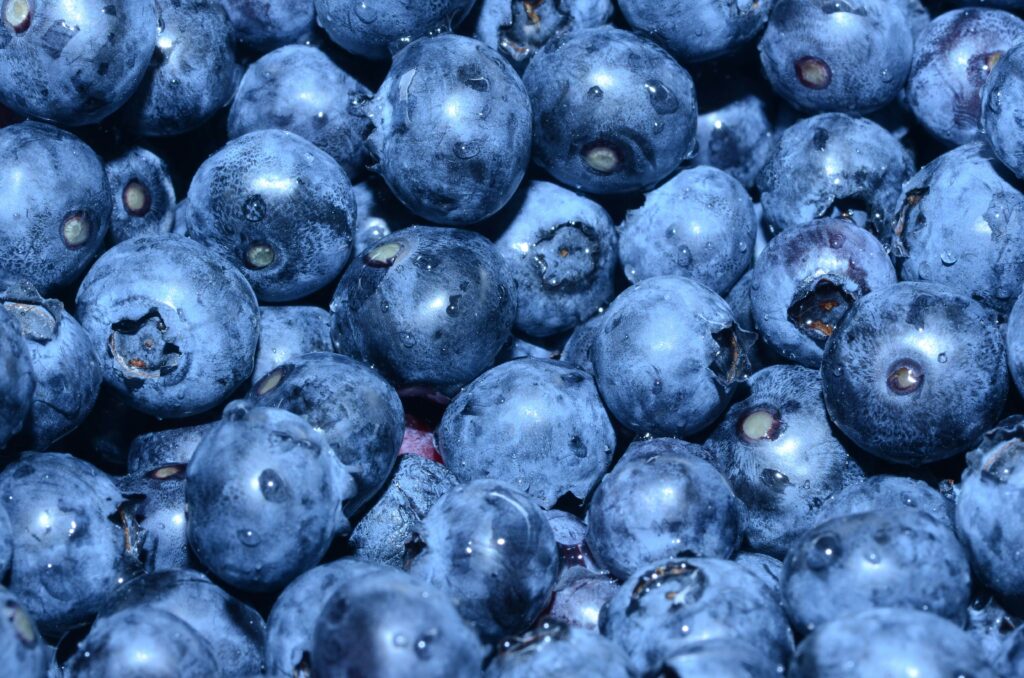
Image: Unsplash
Blueberries are one of the most powerful fruits for a skin glow, loaded with antioxidants, vitamin C, and anti-inflammatory compounds that promote and protect the skin.
Blueberries contain high levels of antioxidants, which fight free radicals, which promote dullness, wrinkles, and premature aging. It helps with better circulation around the body and improves skin clarity. It also protects against environmental damage; the phytochemicals in it help shield skin from pollution and UV stress.
Blueberries can be added to our diet by:
Blueberry intake is an essential step in maintaining smooth, radiant, and youthful skin.

Image: Unsplash
It can be so beneficial to the skin when eaten in moderation, thanks to its richness in antioxidants and flavonoids.
Dark chocolate contains flavonoids that attack free radicals, reducing signs of aging like fine lines and dullness. Flavonoids increase blood flow to the skin, which increases hydration, smoothness, and overall glow. Few studies show that antioxidants in dark chocolate shield the skin from UV rays.
Here’s how you can incorporate dark chocolate:
Dark chocolate improves skin texture and hydration and gives you a subtle, healthy glow.
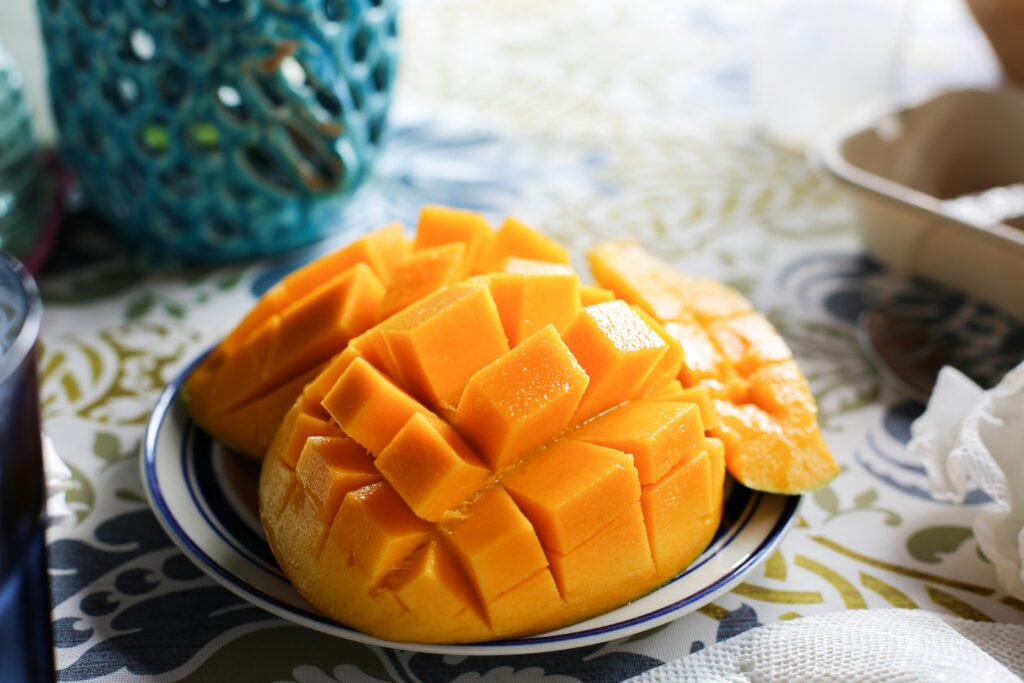
Image: Unsplash
Mango is a tropical fruit and is packed with vitamins, antioxidants, and hydration that make it excellent for healthy, glowing skin.
Mangoes contain beta-carotene, which is converted into vitamin A and reduces clogged pores and acne troubles. It also assists in skin renewal. The vitamin C in mangoes helps produce collagen, keeping skin firm and healthy. Mangoes are filled with antioxidants that fight free radicals, protecting skin from dullness and premature aging.
You can take mango as a snack, add to smoothies, blend into juice or even make a puree (dessert), etc.
Proper intake of mangoes improves skin vitality and makes skin look bright and radiant.
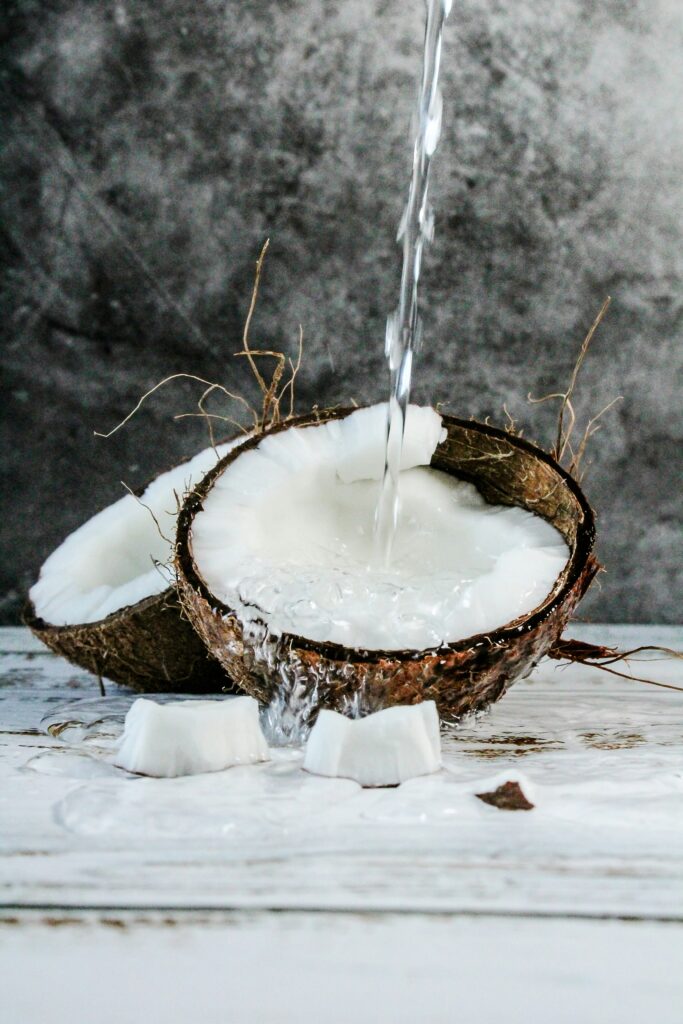
Image: Unsplash
This is a natural drink that supports glowing or hydrated skin thanks to electrolytes and antioxidant properties.
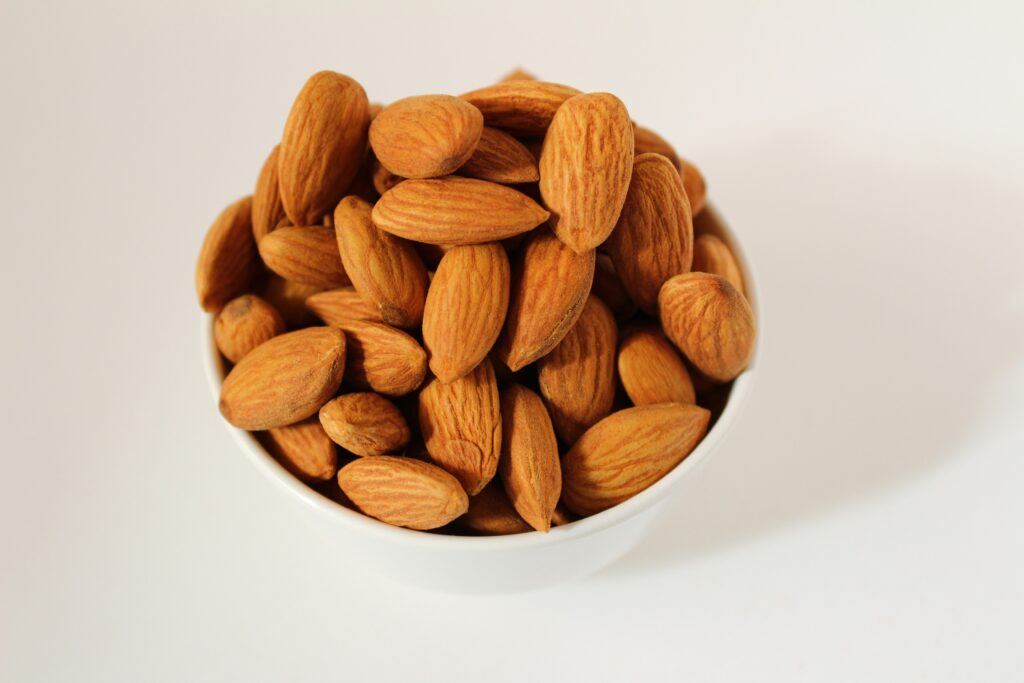
Image: Unsplash
These are skin-friendly apps packed with healthy fats, vitamin E, and antioxidants that help your skin stay healthy and glowy.
They can be taken as
Eating almonds improves skin hydration and enhances natural glow.
Breakfast ideas
Lunch ideas
Snack ideas
Dinner ideas
This combo helps you define the best 10 foods to make your skin look better.

Image: Unsplash
Healthy skin doesn’t only come from skincare products alone; it’s matched with the aid of good food. Nutrition fuels skin health and promotes wellness. This balanced diet rich in vitamins, minerals, antioxidants, and healthy fats provides the building blocks your skin needs to:
Foods like avocado, salmon, sweet potatoes, berries, and nuts complement topical products by addressing the root of skin concerns internally. Eating for your skin isn’t a quick fix; it’s a long-term investment. When paired with mindful skincare and healthy habits, it forms a holistic routine that nurtures your skin from the inside out.
When it comes to improving your skin using diets, it’s best to set realistic expectations. Glowing skin is a process, not an overnight transformation.
Eating food supports your skin by:
But it won’t easily erase acne, scars, and hyperpigmentation. Nutrition strengthens the foundation now; it doesn’t replace medical treatment when needed.
Genetics, hormones, stress levels, and skincare habits affect results. So it may work in different phases for different places. Instead of expecting perfection, aim for healthier, stronger, and more resilient skin over time. Sustainable habits create a lasting glow, not extreme restrictions or short-term trends.
Wrapping up, achieving healthy, glowing skin is not about quick fixes or expensive products alone; it is about nourishing your body from within and caring for your skin consistently. Diet plays a powerful role in supporting skin structure, hydration, elasticity, and overall radiance. Nutrient-rich foods provide the vitamins, antioxidants, healthy fats, and proteins needed for repair, protection, and renewal. Ultimately, glowing skin reflects overall well-being. By adopting healthy, sustainable habits, you are not just improving your complexion but investing in your long-term health and confidence.
Foods rich in antioxidants, healthy fats, and vitamins are best. Examples include avocados, sweet potatoes, salmon, berries, almonds, walnuts, Greek yogurt, and leafy greens. These support collagen production, hydration, and protection against skin damage.
Diet can support collagen production and reduce inflammation, which may soften fine lines and improve overall tone. However, it won’t completely erase wrinkles or deep pigmentation. Nutrition supports skin health but works best alongside sunscreen and proper skincare.
Skin typically renews every 4–6 weeks. You may notice subtle improvements like better hydration or fewer breakouts within a few weeks, but visible glow and texture changes usually take consistent healthy eating over one to two months.
Whole foods are generally better because they provide a combination of nutrients that work together. Supplements can help if you have deficiencies, but they should not replace a balanced diet unless advised by a healthcare professional.
Yes. Diets high in sugar, processed foods, and excessive dairy may increase inflammation and oil production, potentially worsening acne or dullness. Individual reactions vary, so it’s helpful to observe how your skin responds to certain foods.
Choose affordable, nutrient-dense foods like carrots, sweet potatoes, eggs, spinach, beans, groundnuts, seasonal fruits, and local vegetables.