
The impact of beauty content on women isn’t one way dimensional, it can help some women feel inspired and empowered. While it makes other women feel bad and probably in the long run, causes harm to themselves. The effect often depends on how the content is created and what category of women is the target audience. Beauty contents can be inspirational, talent discovery and most times skill building.
On the other hand, most beauty content sets unrealistic standards, causing pressure on some other women, making them lose their confidence and control. Beauty contents are meant to be educational and beneficial to women but when content begins to reduce confidence and increase self doubt, it certainly needs to be questioned. Most women now ask Is beauty content harmful? Well, the answer to that is what I will be delivering in this article.
Beauty content plays a powerful role by influencing the way women see themselves, their bodies, face and worth. Through social media advertising and influence culture, beauty content often presents as goals to aspire to. Repeated exposure to curated images, filters and perfect routines can slowly shift what women consider normal and attractive.
Over time this leads to comparison, self criticism, and the belief that natural features are flaws that need fixing. Still in the same space, beauty content can promote positivity and shape self perception when it promotes diversity, realism and self expression. Tutorials on skin care routines, makeup or little crafts can make women feel skilled, attractive and in control of their appearance. Seeing creators that look similar in skin tone, face, body features often leads to self acceptance and identity.
Beauty content often sets emotional expectations before women even assess themselves. Like skin colour, texture etc. This tends to influence how women feel about themselves before they consciously reflect on it. There’s also no avoidance of identity mirroring, women begin to identify themselves by who they follow and watch their content. This makes them begin to feel as though they are the Creator they have been watching.
This tends to happen because beauty content taps into core psychological and neurological systems designed for survival, social bonding and rewards. Beauty content isn’t just visual, it influences the way we seek approval, meaning and belonging. It’s built around feedback systems that keeps the brain engaged. Seeing attractive images, transformation videos, and positive reactions instantly activates dopamine release.
Over time, the brain begins to seek beauty content associating it with validation or motivation even when it causes insecurity and comparison. Humans are wired to look for signs of acceptance and inclusion. Beauty media sends strong cues about who’s been followed or praised. The brain interprets this as indicators of value and subtly teaching viewers that doing this means acceptance while inability to do so risks exclusion. This eventually drives motivation, consumption and imitation even when the lifestyle is unrealistic.
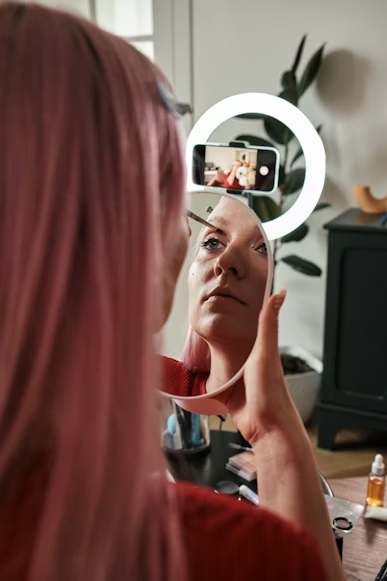
Image:Unsplash
It supports confidence when it shifts from comparison and perfection to choice, authenticity and empowerment. Beauty becomes a tool for self expression rather than self worth.Beauty content builds confidence when it shows diversity and realism. Seeing different skin tones, face and body types helps most women feel validated.
This narrows the one self ideal version that most women do, for example; thinking they need to be fair to become beautiful or accepted. This mindset is changed since everyone is actually representing themselves as they create beauty content. It also supports confidence when it focuses on skill and creativity, not flaws. Tutorials that teach techniques, skincare routine and makeup emphasize learning and personal growth.
It strategies confidence when it works on self care and not self correction. When contents are framed as acts of care, relaxation and wellness, they encourage kindness to the body and eventually make one feel accepted. Confidence is supported when creators are transparent and authentic. It’s achieved by the creator by being honest about filters or even curated images.
Honesty eventually make women feel better and also avoid lower self esteem. Beauty content becomes empowering when it centers choice and individuality. Confidence grows when women begin to accept themselves on their own terms, no pressure. Confidence grows from mastery rather than chasing perfection.
Healthy motivation for consuming beauty content comes with intention not insecurity. When the reason for being in social media is grounded on curiosity, creativity and self care, it grows confidence rather than undermines it. Engaging in beauty content out of curiosity allows women to explore new ideas, techniques and trends without pressure to conform.
Curiosity transforms consumption into learning experience making the process enjoyable and not judgemental. Beauty content often inspires women to express themselves artistically. Trying new makeup looks or some new fashion trends helps women showcase personality and individuality.
Approaching beauty with creativity shifts instead of perfectionism which strengthens self confidence and emotional satisfaction. When beauty emphasizes self care and wellness, it empowers women to take control of their routine. Personal care empowerment is all about self care framing beauty standard as a tool for well-being rather than comparison.
Beauty content begins to undermine confidence when it shifts from being a source of self expression to a tool of comparison and self doubt. It doesn’t just happen suddenly, it’s been growing and slowly getting to the person. These is influenced by;
This happens when viewers constantly compare themselves to polished or curated images, they feel natural appearance is not enough. Differences in body shape, skin tone or face may also lead to self criticism. This eventually makes beauty content become a tool for self comparison rather than self expression.
Content that emphasizes beauty, flawless skin and body shape make women see imperfections in place of confidence. This eventually creates pressure to unrealistic standards, eroding self esteem and makes women feel their value is on their appearance.
Comments, like on beauty standard content, activates the brain dopamine system. In rewards, one has to wait on external validation to feel better. But if there aren’t enough views on the post, the reward loop backfires making one feels let down or insecure.
Beauty content that gets enough likes eventually makes one popular. When viewers who watch them feel that they do not belong, they reject themselves socially. Over time, it reduces confidence and increases self consciousness. All these are certain influences that eventually make one undermine themselves while watching beauty content.
As said earlier, this isn’t just visual content because it has psychological and neurological influence on us of which few includes;
This is when extreme edited images are said to be normal. Viewers begin to see these unattainable standards as standard making their natural self flawed.
Social media algorithms prioritize content that gets engagement, usually high aesthetic, perfect looking beauty. Repetitive exposure reinforces self criticism as viewers compare themselves to such feeds.
Over time, viewers adopt these external ideas as personal standards. Self worth becomes tied to social media Influence
Most viewers begin to experience subtle yet persistent pressure from beauty content, this may manifest as;
Consuming lots of beauty content isn’t harmful but some patterns indicate that it’s doing more harm than good.
This could be possible once consumption is turned into conscious, empowering practices that reduce pressure.
It Involves doing things to relieve yourself from your impending stress. Focus on exploring creativity rather than fixing flaws. Identity play is the foremost way of shifting your mindset by experimenting with styles as a form of self expression. Also prioritize enjoyment over meeting external standards, thus focusing more on the pleasurable aspect of beauty content. Recognize your choices and preferences as valid, over different types of trends you may come across.
Wrapping up, beauty content impacts confidence through repeated exposure and psychological cues. By engaging consciously and intentionally, it can move as a source of pleasure tool to empowerment. Mindful consumption allows beauty media to inspire creativity, self expression and self trust. Self doubt and self criticism can also be avoided if viewers avoid watching the filtered and curated content.
Yes. Exposure to filtered and curated images can question self appearance but awareness and mindful consumption eventually decreases negative thoughts.
It often triggers comparison, social evaluation and fear of being left out. All these create mental and financial stress for viewers.
Absolutely. When used correctly, it can enforce creativity, skill building and self expression rather than comparison
Limit unnecessary scrolling, curate your feeds, practice self compassion and remind yourself that online image often reflects reels not reality.
It can be most times, especially when it promotes narrow standards or automatic comparison. Viewers may seek to go overboard to look exactly like what they see on the content causing discomfort to themselves at some point.
Set intentions, monitor your emotions, follow diverse and realistic creators that are honest and most of their content doesn’t make you doubt or criticize yourself.