
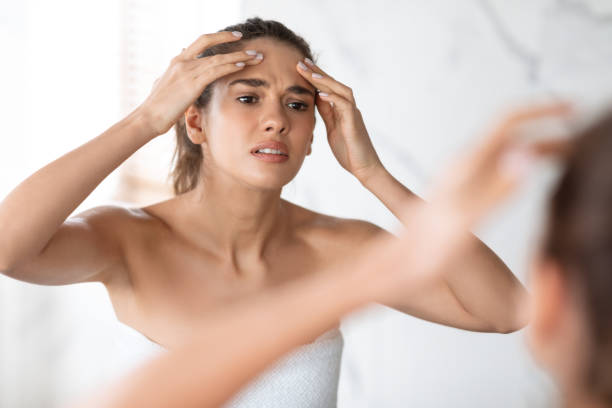
In our society today, people treat aging like a disease or some sort of death sentence. We are bombarded with anti-aging creams, age-rewinding serums, and a constant narrative that looking older is a problem to be solved. It’s no wonder so many of us feel a sense of panic when we spot a new fine line or silver hair.
But here is the truth we need to hear more often: aging gracefully isn’t about looking twenty until you’re eighty. It’s about confidence, self-care, and an evolving self-image that respects the woman you are becoming. Society might equate beauty with youth, but real beauty is more than a collagen level. It’s about vitality, presence, and the courage to inhabit your skin at every stage of life.
Image: istockphotos
If you feel like you’re fading because you’re getting older, please know that this feeling didn’t originate with you; it was sold to you. We live in a culture where youth is treated as the ultimate currency. From Hollywood casting to the models in our favorite UK high street shops, “young” is often used as a synonym for “beautiful” and “valuable.”
This isn’t an accident. Marketing narratives thrive on our insecurities. If the industry can convince us that our natural aging process is a flaw, they can sell us an endless stream of products to fix it. Cultural conditioning has taught us that a woman’s power peaks in her twenties. This is a dangerous lie and creates negative mindsets. Understanding that youth obsession is a commercial strategy is the first step toward breaking free from it.
Image: istockphotos
We’ve all heard the phrase “aging gracefully,” but what does it actually look like in real life? Some people think it means cutting your hair short and wearing beige.
In 2026, we are reclaiming the term and redefining what beauty really means, as you’ll see in our beauty and wellness guide. Aging gracefully means accepting and caring for your body throughout its different phases. It means accepting the reality of change without attaching shame to it, caring for your body and updating your style and routine to match who you are today, rather than trying to fit into a version of yourself from fifteen years ago.
The pressure to stay young makes us anxious, especially when we begin to compare the way we look now with how we looked when we were younger. So the major problem is how can I stop comparing my current self to my younger self? and the answer starts with recognizing that you are not the same person you were when you were younger. Your experiences have changed in one way or the other.
Comparison makes us feel like we’re the only ones losing the battle against time. We see celebrities who look like they’re not aging at all, forgetting that they have access to professional lighting, digital editing, and expensive procedures. This internalized pressure can make us feel like our value is depreciating with every birthday, which is a heavy burden for any woman to carry.
There is often a silent shame and fear attached to aging. We see it in the way people talk about letting themselves go or the secrecy around cosmetic surgeries. Many women don’t want to be seen getting older. So, you use dyes to mask the grey hair, Botox for fine lines, and even change the way you dress.
Unfortunately, this anxiety also affects our social lives and our mental health. It can make us reluctant to be in photos or lead to beauty burnout, where the sheer effort of maintaining a youthful facade becomes a second full-time job.
What if we redefined beauty altogether? Take a look at the women who truly inspire you and ask yourself why you admire them. Is it really because they have no wrinkles? Probably not. It’s because of their values and accomplishments, their presence.
Beauty in our later years is about the following:
As we discussed in Exploring The Difference Between Beauty and Attractiveness, attractiveness can be a fleeting physical trait, but beauty is way deeper than that. It’s a learned confidence borne out of learning how to be authentic and comfortable in our skin.
There is a massive difference between a healthy skincare routine and a fear-driven anti-aging obsession.
One is an act of love; the other is an act of war against your own face. We can absolutely enjoy our serums and our sunscreens (in fact, we should!), but the intention behind them changes everything. When we move from a place of fear to a place of respect, our beauty routines become a ritual of kindness.
You don’t have to choose between loving yourself and loving the made-up version of yourself. You also don’t have to be afraid of aging. Aging gracefully doesn’t mean you have to stop enjoying beauty; it just means you change your focus.
We have to be careful about what we consume. If your social media feed is full of 19-year-olds selling anti-wrinkle cream, it’s time for a digital clear-out. Unfollow accounts that make you feel like aging is a failure. Instead, follow women who are older than you and living vibrant, stylish, messy, and beautiful lives.
When you catch yourself being mean to your reflection, pause. Speak to yourself with the same grace you’d offer a dear friend.
A healthy relationship with aging requires a mindset shift. Instead of focusing on what you are losing (elasticity, pigment), focus on what you are gaining. You are gaining emotional maturity, clearer boundaries, and a deeper understanding of the world.
Gratitude for function is a powerful tool. Your legs might have a bit more cellulite than they used to, but they still take you on walks. Your hands might show age spots, but they’ve held the people you love. When we shift our focus to what our bodies do for us, the beauty standards and aging of a youth-obsessed culture start to look very small and unimportant.
Image: istockphotos
We have a responsibility to the women coming after us. If we spend our lives complaining about our wrinkles and hiding our age, we are teaching our daughters and nieces that aging is something to be feared.
By modeling confidence and normalizing change, we can break the cycle. Let them see you enjoying your life without being obsessed with your reflection. Let them hear you talk about your age with pride. For more on how our bodies change early on, you can read “The Second Puberty: Your Body’s Changes in Your Late 20s.” Honest conversations about how beauty evolves are the best gift we can give the next generation.
Concluding, aging gracefully is not a performance; it’s a journey of self-respect. It’s about realizing that you don’t have to look young to be relevant, beautiful, or worthy of care. The beauty and aging journey is deeply personal, and there is no right way to do it, other than the way that makes you feel most like yourself.
Beauty doesn’t disappear when you turn 40, 50, or 80. It deepens. It becomes more about the spark in your eyes and the kindness in your voice than the tightness of your jawline. So, take a deep breath, put down the magnifying mirror, and remember: you are a work of art that is still in progress.
It means embracing the natural changes of your body with confidence and self-respect. It’s about focusing on health, vitality, and personal style rather than trying to replicate your younger self through fear-driven procedures.
Youth is often marketed as a symbol of health and fertility, but it’s also a powerful commercial tool. By making women fear aging, industries can sell solutions to a natural process that isn’t actually a problem.
Absolutely! You can enjoy skincare, makeup, and fashion as forms of self-expression and care. The key is to use these tools to enhance your current self rather than using them to hide or fix your age.
Unrealistic standards can lead to beauty anxiety, lower self-esteem, and a feeling of invisibility. It can make women feel like their value decreases as they get older, which impacts mental and emotional well-being.
Yes. Anti-aging is often rooted in the fear of looking older and resisting change. Aging gracefully is rooted in acceptance, supporting your body’s current needs, and evolving your beauty routine with confidence.
By shifting the focus from physical perfection to internal vitality. Building a healthy relationship with aging involves practicing gratitude for what your body can do and surrounding yourself with empowering, realistic role models.