
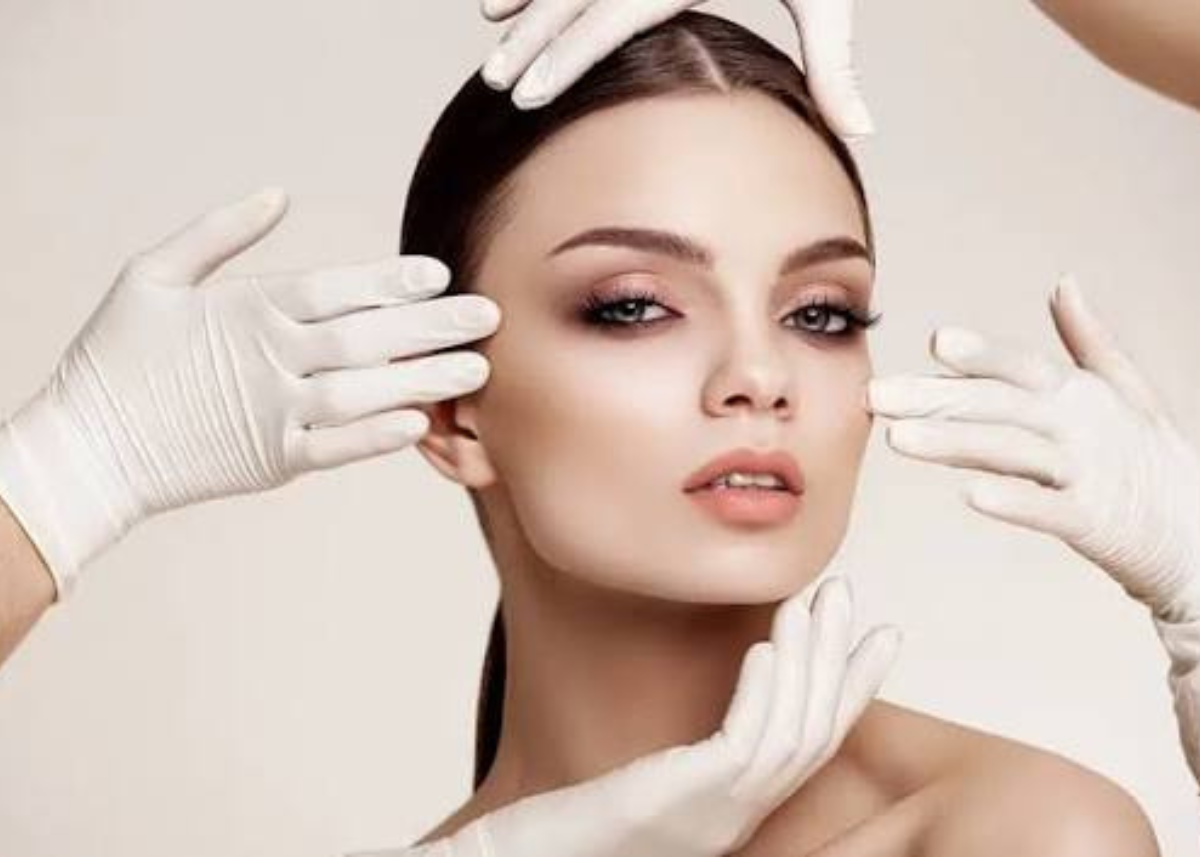
If you want to stop feeling pressured by unrealistic beauty standards, the first thing you need is to understand that they were never created to reflect real women, the moment you know that you are not the problem, the standard is; that’s when you begin to reclaim your power.
Beauty expectations today are louder and more impossible to meet. The perfectly curated images, filtered faces, and edited bodies that make natural features feel “not enough,” leading women into cycles of comparison and near insecurity. Most of the beauty ideals you know are man-made, built by trends, brands, editing apps, and digital illusions. Once you understand how these unrealistic expectations shape your confidence, you can break free from them. And that’s exactly what this article helps you do. Let’s explore the five biggest beauty standards damaging women’s confidence and more importantly, how you can rise above each one with clarity.
Source: Pexels
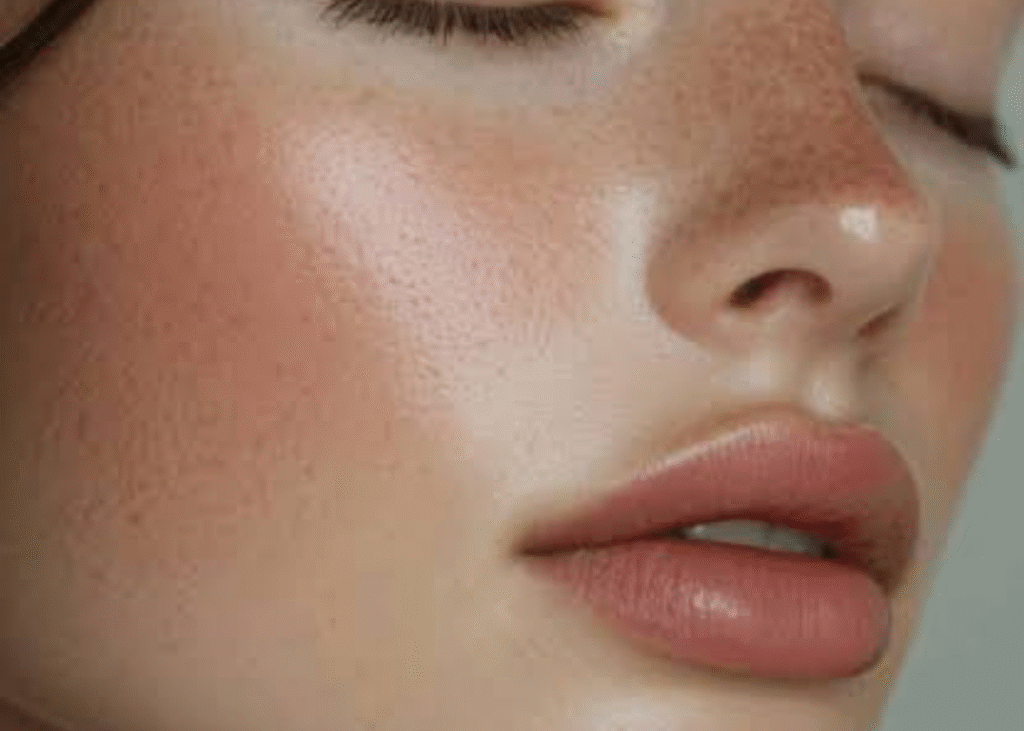
Smooth, poreless, and glass-like skin, are some of the skin unrealistic beauty standards all over social media. You see them in product commercials, and influencers pages. Everywhere you look, someone seems to have the kind of flawless complexion that glows without a single mark on it. But the truth behind that perfection is in it being all filtered, edited with skin-smoothing tools, and perfectly staged light. It’s an illusion, not a standard. Even babies have texture, and yet we’re made to believe adult women shouldn’t.
This constant exposure shapes the way you see yourself. When every face online appears effortless and spotless, your natural features start to feel “wrong.” Suddenly, any pimple that appears on your face feels like a failure, a visible pore becomes a flaw, and a simple complexion feels like something you must hide. This mindset quietly steals your confidence. You find yourself comparing your real skin to digitally enhanced faces, and the result is often lowered self-esteem, unnecessary embarrassment, and the pressure to chase perfection with exhausting routines and exposure to different skin products. Before you know it, you’re fighting your skin instead of caring for it.
To break free, you need to change what you think is normal. Seeing skin that hasn’t been filtered online and in real life will help you get back in touch with reality. Another important step is to be kind to your skin because breakouts, dryness, texture, and scars are all normal things that happen to people. A gentle routine that puts health ahead of perfection is much better for your skin than harsh products that promise to work overnight. And letting go of your need for filters will help you slowly fall in love with your real face again.
Our skin tells a story. It keeps track of the journey of our lives, including laughter, stress, healing, and growth. And when you start to see it that way, you realize that what you already have is the most beautiful thing in the world.
Source: Pexels
The first thing you need to know is that your body was never meant to squeeze itself into one tiny, unrealistic idea of “perfect.” The moment you understand that bodies come in different shapes, sizes, and rhythms, and all of them are valid, you start to release yourself from a standard that was never created with you in mind.
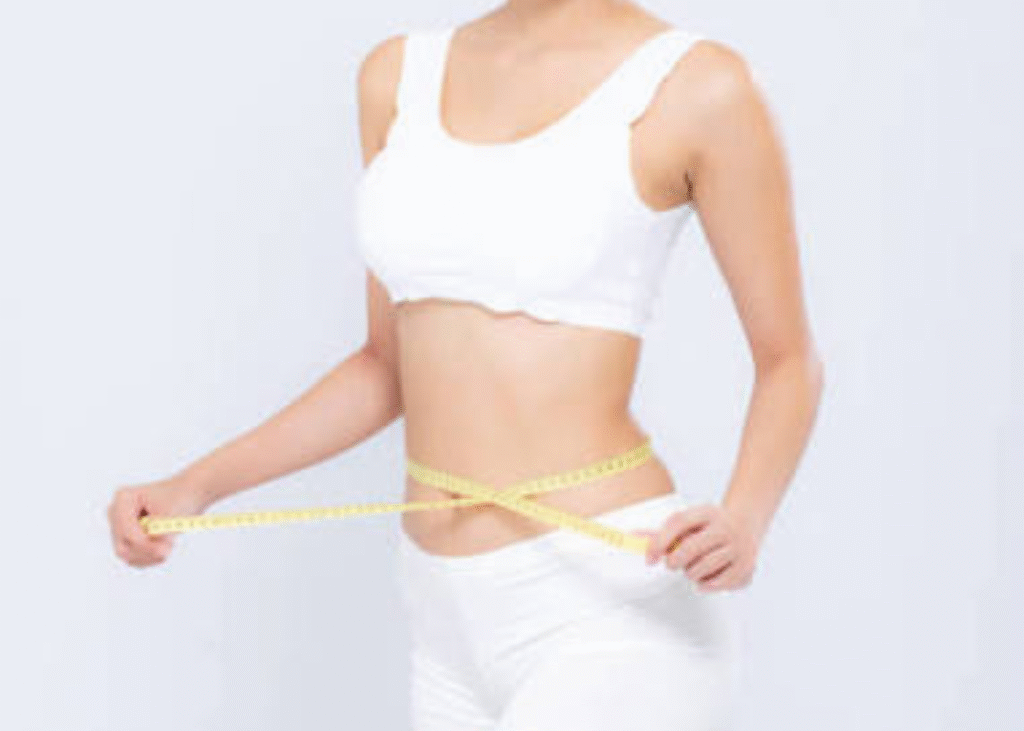
For so many years, the world pushed one of its unrealistic beauty standards trying to convince women that beauty only looked one way, slim, fair complexion, tiny-waisted, and photogenic. Everywhere you turned, the message was the same. Thin was praised. Anything outside that narrow box was judged, mocked, or ignored. And even now, when we talk about body positivity and inclusivity, the pressure to look “snatched” hasn’t disappeared. You still see the flat stomachs, the cinched waists, the carefully carved out curves flooding your feed like they’re the only bodies worth celebrating.
This kind of beauty ideal hurts. It tells you that your natural shape isn’t good enough. Most times, It makes you question every little thing about your body, even when you are perfectly healthy. It pushes you toward things that don’t serve you, crash dieting, pushing yourself too hard at the gym, hiding behind baggy clothes, comparing yourself with people who don’t even look like that without edits or angles. And the sad part is that no matter how much you try to change yourself, the “ideal” keeps shifting. There’s always a new trend, a new shape, a new body type the world wants you to chase.
To rise above this, you have to intentionally change what you’re feeding your mind. Start filling your social spaces with people who look like you,women with your kind of body, your height, your curves, your softness, your strength. When your eyes see more diversity, your heart begins to relax. Focus on what your body helps you do, how it carries you through every day, how it lets you laugh, dance, walk, rest, breathe. Wear clothes that make you feel comfortable and confident, not clothes the internet is shouting about. And begin speaking to yourself with the softness you would use on someone you love. Replace those harsh thoughts with kinder ones like, “My body functions the way it was created to function,” or “My body deserves respect.”
I want you to remember this truth, your body is not supposed to look like anyone else’s. It’s not here to perform for society or meet impossible expectations. It’s here to support you, protect you, and grow with you. When you start appreciating it for that, the slim-only beauty ideal stops feeling like a mountain you need to climb, rather it starts feeling like something you can finally walk away from.
Source: Pexels
You were never meant to look perfect every day. But I know it doesn’t always feel that way. Everywhere you look,on Instagram, TikTok, or even in ads, you will see women with perfectly micro bladed brows, spotless makeup, laid edges, and outfits that look like they took hours to plan. What you don’t see are the moments that actually make us human, the messy buns, the bare faces, the tired mornings, the oversized T-shirts, and the quiet days when we just don’t have the energy for glam. Social media hides all of this and replaces it with polished images that make you feel like you always need to keep up.
This constant pressure makes you believe that beauty depends on effort. You start feeling shy or guilty stepping outside without makeup, or you think something is wrong with you for wanting to dress simply. Before you know it, you’re measuring your worth by how “presentable” you look each day. And that is where the exhaustion begins. Trying to look put together all the time drains you, not because you don’t want to look good, but because you’ve been made to think it’s your responsibility to appear flawless, even when your body is naturally tired.
Your natural face is not unfinished. You don’t owe the world perfection. You are allowed to show up as you are. Some days you will feel like going full glam, and other days you will just want to breathe and be soft. Both versions of you are beautiful.
Real beauty is not about constant maintenance; it’s about presence. It’s the way you smile when you’re genuinely happy, the softness in your eyes when you’re calm, the comfort you feel when you’re dressed in something simple that lets you breathe. Women who feel at home in themselves carry a different kind of glow. A quiet, effortless confidence that can’t be faked. So don’t ever think you need perfection to be attractive. Your ease, your softness, your realness, that’s what makes you attractive. And the more you embrace that, the more you free yourself from a standard you were never meant to carry.
Source: Pexels
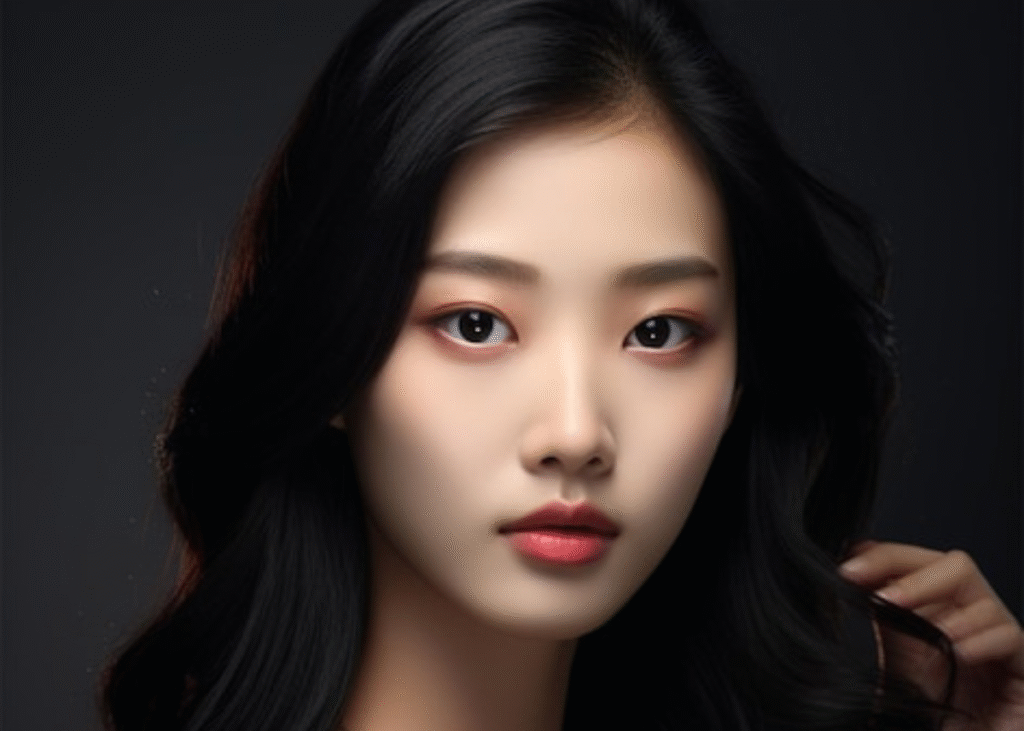
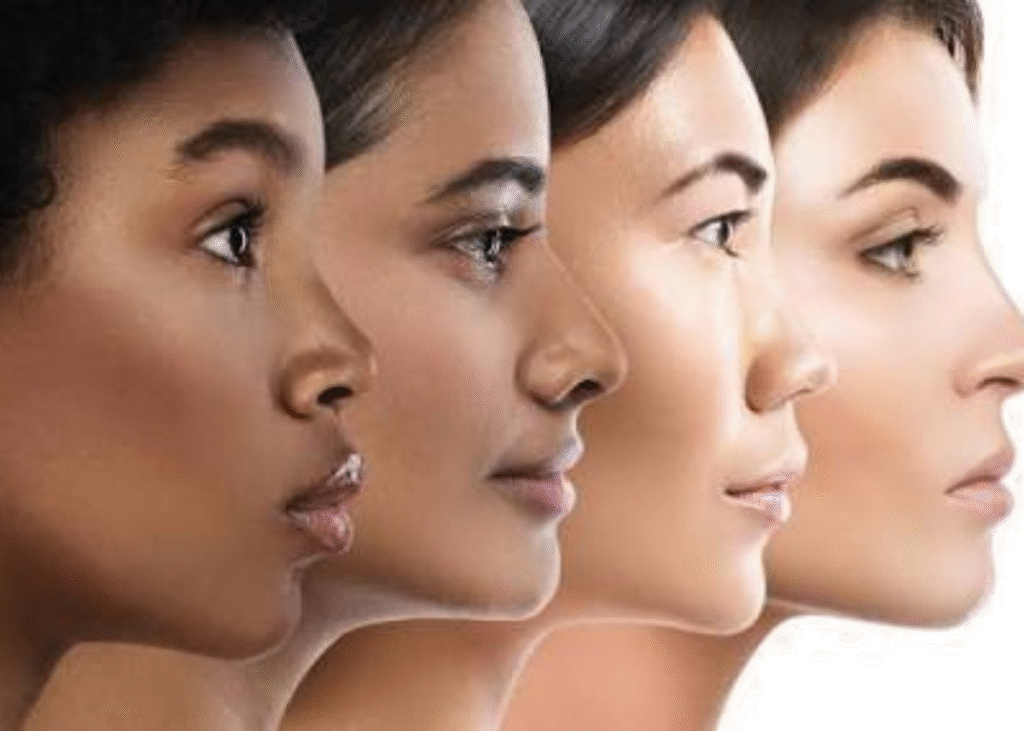
You might have noticed that a lot of media, fashion houses, or adverts usually show one type of beauty as the “ideal.” Straight hair, pointed noses, thin lips, fair skin, and certain facial structures. For years, this has been celebrated as one of the unrealistic beauty standards, while everything else was ignored. If your hair curls naturally, your skin has rich tones, or your features don’t fit that narrow style, it can feel like the world is telling you that you’re “less than.” That feeling can sneak in quietly and slowly chip away at your confidence.
When beauty is defined through a lens that excludes you, it can make you doubt yourself. You might start thinking you need to change your hair, lighten your skin, or alter your natural features just to fit in. You might even begin to dislike parts of yourself that are actually beautiful and unique. This is not your fault, it’s the way society has conditioned us to see beauty. But you can unlearn it. You can start to see your natural traits not as something to fix, but as the vibrant story of who you are. Your hair, your skin, your features, they are part of your heritage, your history, and your identity. Embracing them isn’t just about confidence, it’s about honoring yourself.
To achieve this, surround yourself with images and voices that celebrate people who look like you, celebrate the uniqueness in your features every day, and remind yourself through words of affirmation that you are beautiful exactly as you are. Understanding the history of beauty biases helps too, it gives perspective and makes it easier to reject impossible standards. Your heritage is not something to edit or hide. It’s something to wear proudly, like a crown that no one can take from you.
Source: Pexels
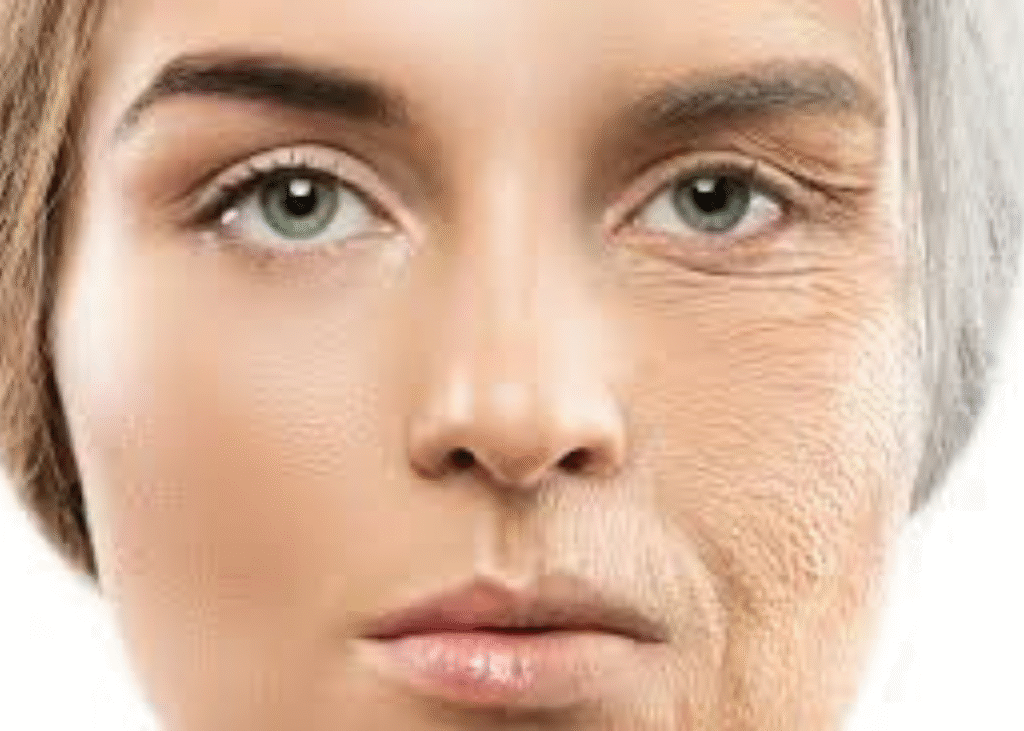
Another case of unrealistic beauty standards are situations where Men who age are referred to as “distinguished,” “experienced,” or “wise,” whereas women are expected to fight every wrinkle, gray hair, or line as though aging naturally is a defect. This might be draining and cause you to worry about getting older, as though your attractiveness has a limited lifespan. However, the truth is that your beauty changes throughout time rather than diminishing.
Believing that aging is an issue can lead to feelings of anxiety, insecurity, and ongoing pressure to appear younger than you actually are. The burden of “trying to stay young” might rob you of joy, and you can feel self-conscious about wrinkles or gray hair. It’s easy to avoid this pitfall by changing your perspective. Consider “healthy aging” rather than “anti-aging.” Pay attention to what makes you feel powerful, invigorated, and self-assured rather than what conceals every indication of time.
Celebrate women who age with grace, power, and pride, they are proof that beauty doesn’t disappear with age. Take care of yourself through sleep, hydration, sun protection, and movement, not to look younger, but to live fully and healthily. Aging is a privilege, and every line, every grey strand, is a story of life lived, experiences gained, and wisdom earned
In essence, unrealistic beauty standards affect the way you see yourself, the way you think, and the way you show up everyday, but they don’t define your worth. Once you start challenging these standards, filling your world with representation that reflects real people, and embracing your natural self, you reclaim control over your confidence. Beauty isn’t a formula, a checklist, or a comparison. It isn’t perfection or approval. Beauty is authenticity. It’s your features, your story, your identity, and your evolution. You are already enough. And the moment you stop measuring yourself against society’s impossible lens, you’ll realize how beautiful you’ve always been.