
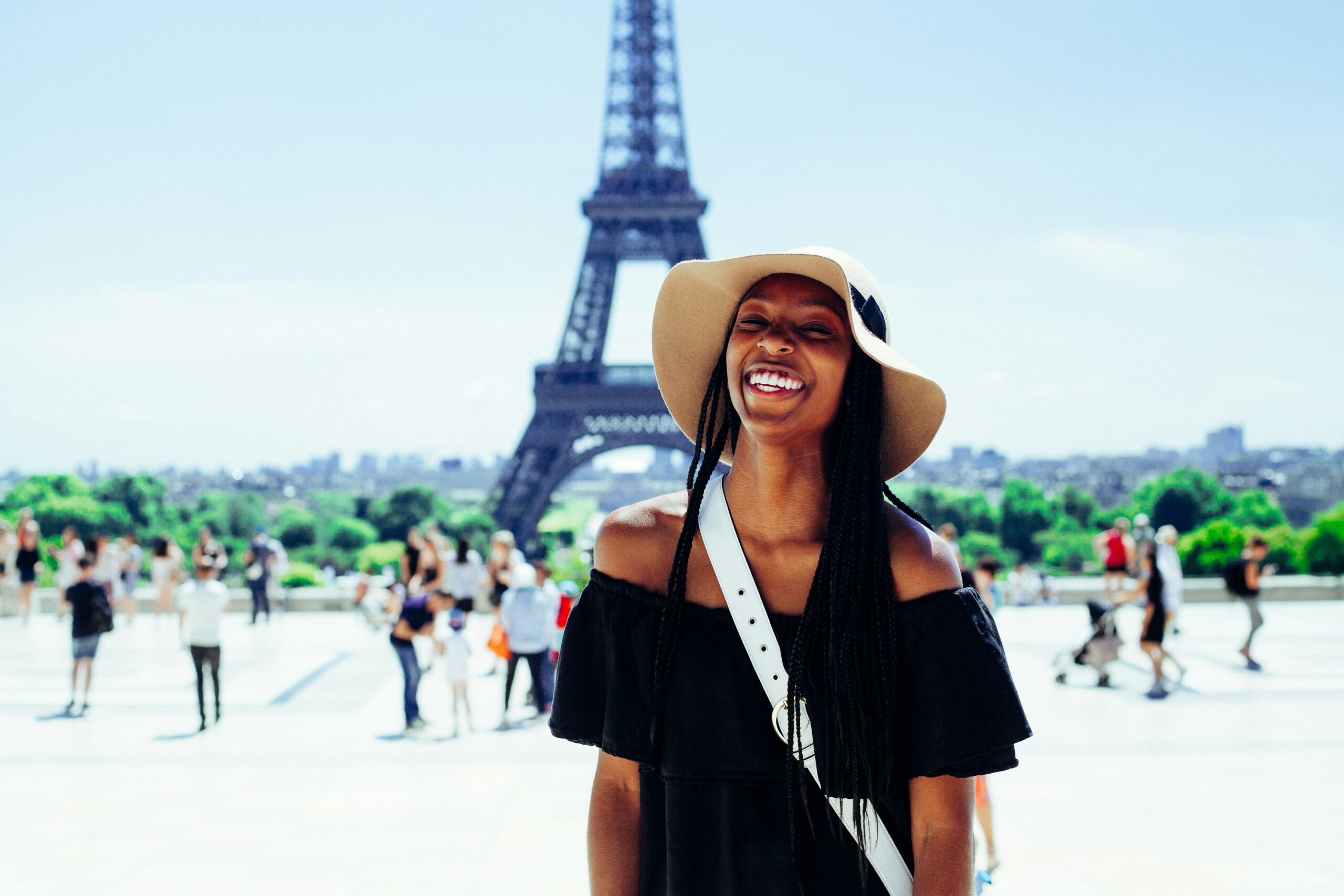
The best way to make the most of your first solo trip is to prepare intentionally, to trust yourself, and to stay open to new experiences. Solo travel is one of the most rewarding decisions you will ever make because it stretches you, strengthens you, and gently pushes you beyond your comfort zone.
But enjoying it fully takes more than just packing a bag and booking a flight ticket. It requires choosing the right destination, planning with a lot more flexibility, staying safe, carrying only what you need, and keeping your heart open to the surprises waiting along the way. In the rest of this article will walk you through everything you need to know so your travel experience is smooth, safe, exciting, and deeply fulfilling. And by the end, you’ll feel ready to step out confidently and make memories that will stay with you long after you return home.
Choose your destination wisely
Source: Pexels
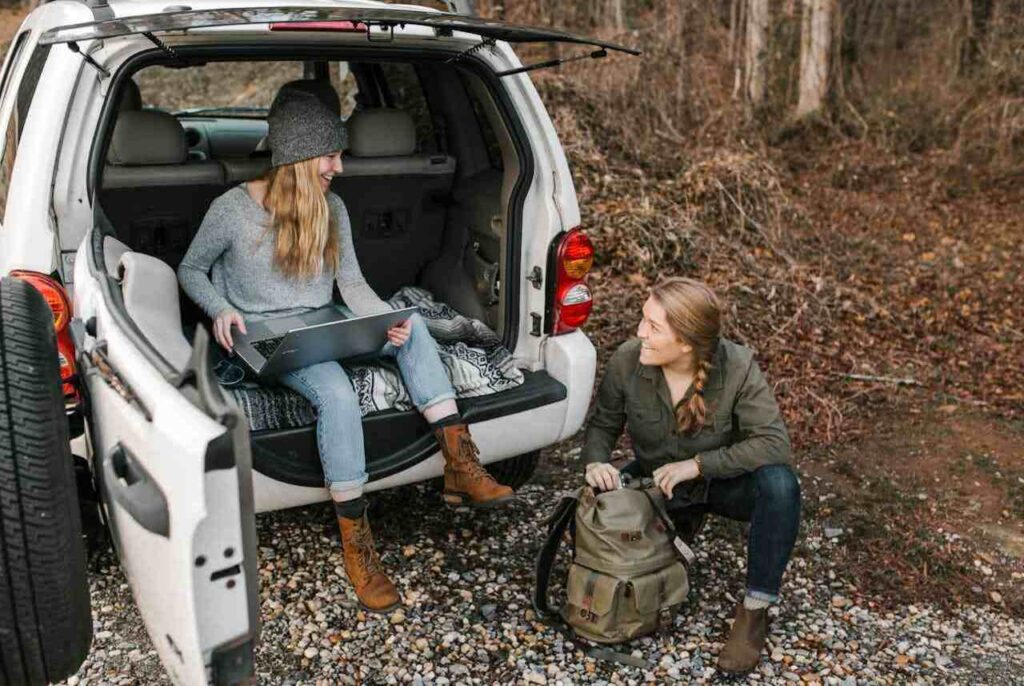
Selecting the right destination is the first decision that determines how smooth your trip will be. If you want an easy and safe beginning, place priority on locations with solid safety records, excellent tourist support, and accessibility. You can go for beginner friendly locations like Amsterdam, Tokyo, Lisbon, or Reykjavik, the city close to the Arctic Circle and famous for its calm atmosphere. These places are safe, simple to navigate, and full of tourists who can help you if you feel confused.
Make sure to research local customs, laws, and language barriers to avoid surprises. According to the U. S. Travel Association, destinations with clear travel advisories and tourist infrastructure greatly enhance traveller satisfaction and safety. Pick a destination that aligns with your mood and what you want, whether you want peace, excitement, nature, or a perfect blend of all of it. You can also opt for places where English is commonly spoken if you’re less confident in other languages.
Research the Culture Before You Fly Out
When you understand the culture of the place you’re visiting, it makes your experience easier. Before you travel, take a little time to learn how locals greet each other, how they expect visitors to behave, how they dress, what they normally eat, and the basic laws that guide everyday life. Doing this automatically saves you from unnecessary embarrassment and helps you blend into the environment naturally. It gives you confidence and helps you avoid surprises that could make your trip uncomfortable.
Plan strategically but stay flexible
Source: Pexels
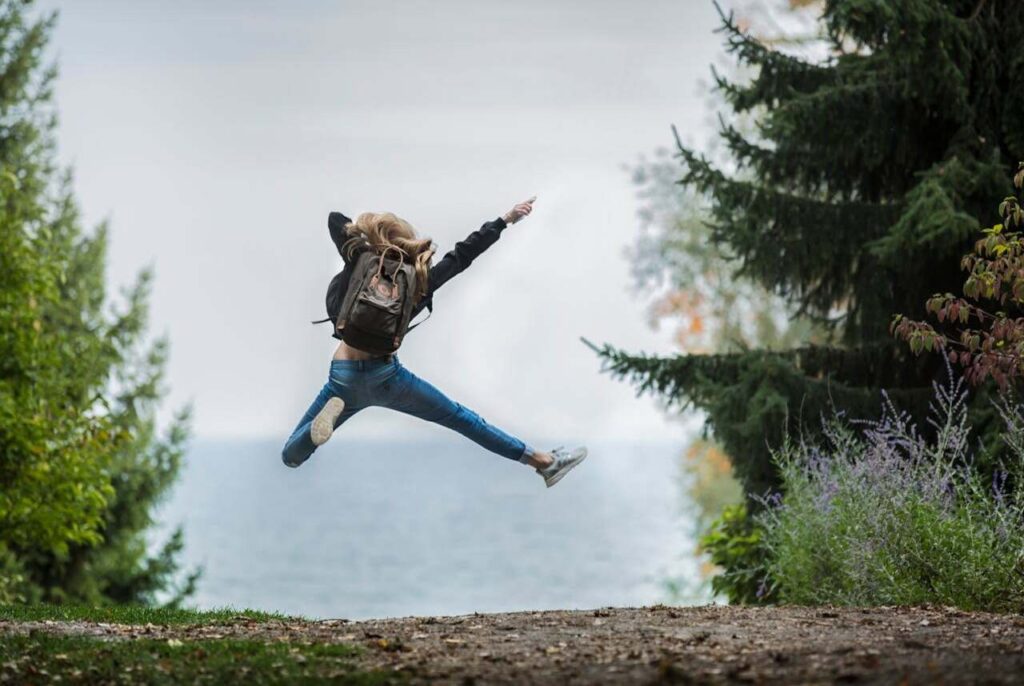
While it’s essential to book flights and the initial accommodation, building flexibility into your schedule invites adventure. Create a loose itinerary highlighting main attractions and food spots, but leave gaps for spontaneous discovery. This very approach supports a balance of structure and freedom, allowing you to encounter local events or unexpected opportunities. The Adventure Travel Trade Association reports that 72% of solo travelers prefer mixing pre-planned and spontaneous activities, which enriches the travel experience.
Pack smart and pack light
Source: Pexels
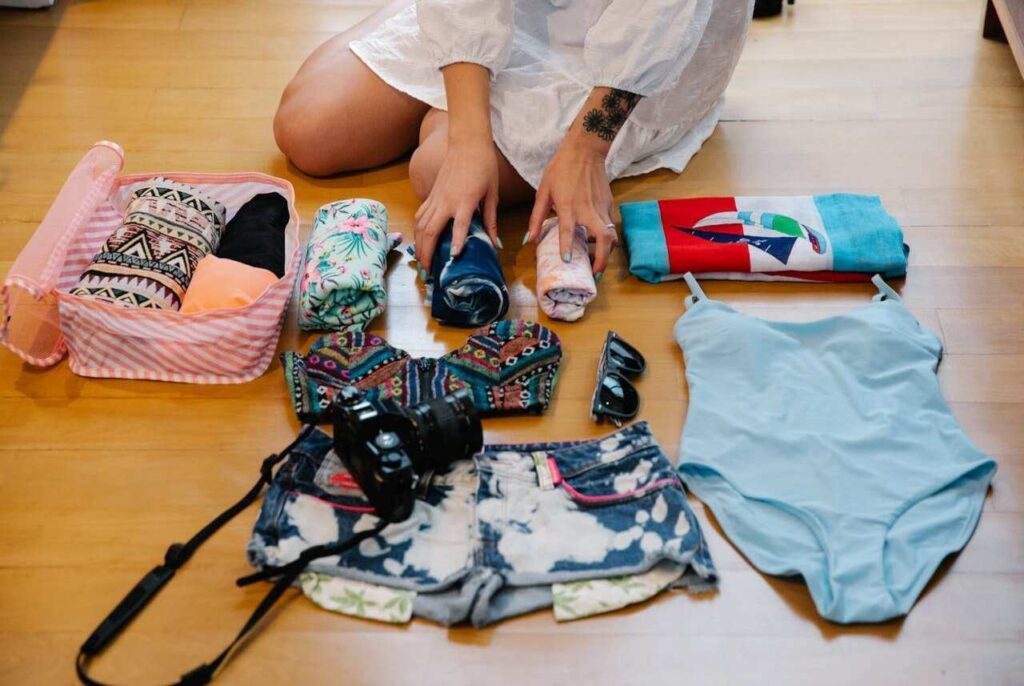
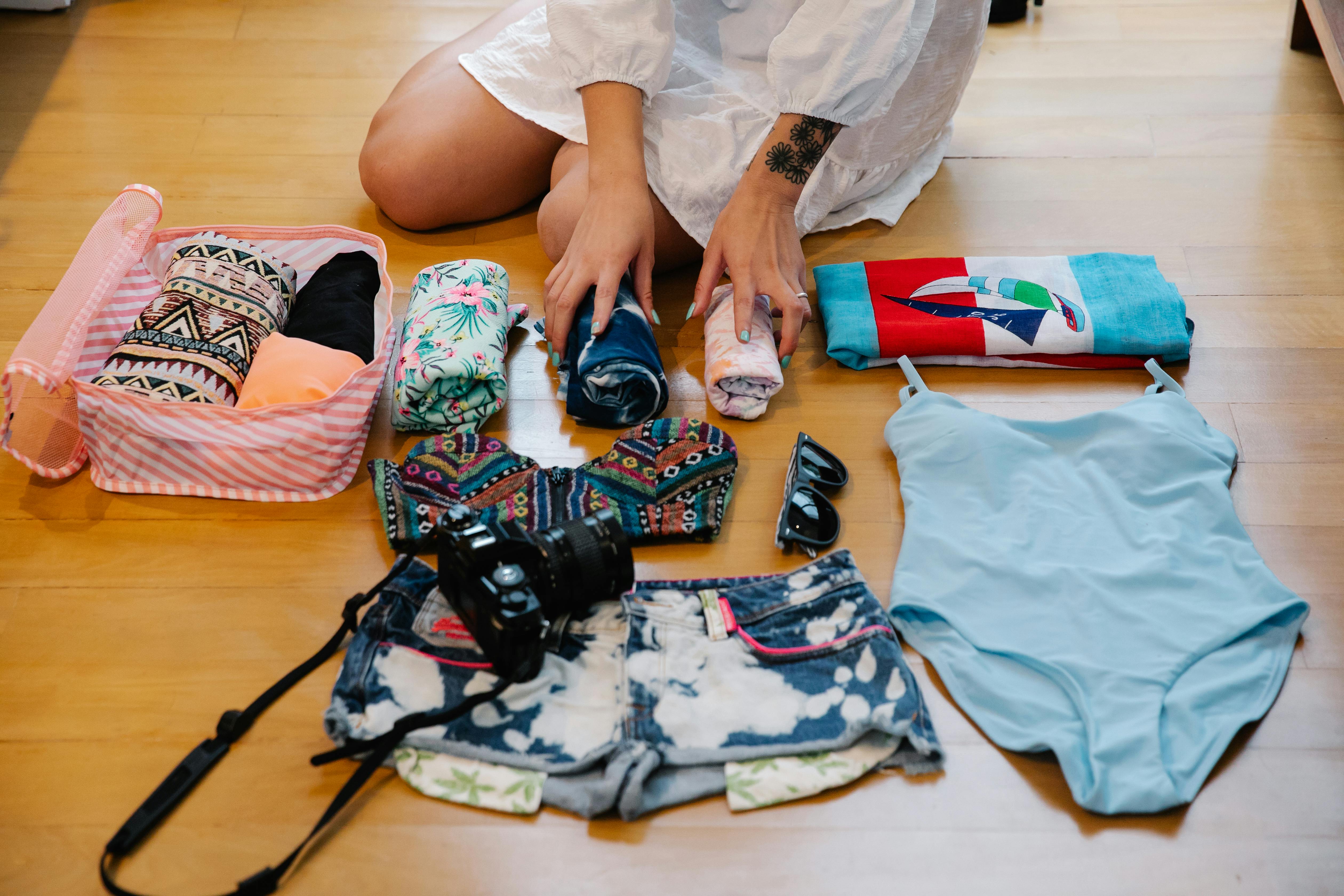
Solo travelers benefit immensely from packing light. Choose versatile clothing items that can be combined into multiple outfits suitable for varying weather conditions. Use a durable yet manageable backpack or suitcase to keep mobility easy. Include essentials like travel documents, chargers, a first-aid kit, clothes, and medications. The Centers for Disease Control recommends a basic travel first-aid kit to handle minor emergencies. Travelling light not only allows for easier movement, but it also leaves room for any souvenirs you may collect along the way.
Allow Yourself to Get a Little Lost
I know you may worry about losing your way, but sometimes getting a little lost leads to the best discoveries. A wrong turn can introduce you to a beautiful street, a quiet beach, or even a small market filled with handmade items. Just make sure you are aware of your surroundings, trust your instincts, and know when to pull back. Being open to gentle detours can help you see the city through the eyes of a true explorer that you are.
Stay connected but be present

Source: Pexels
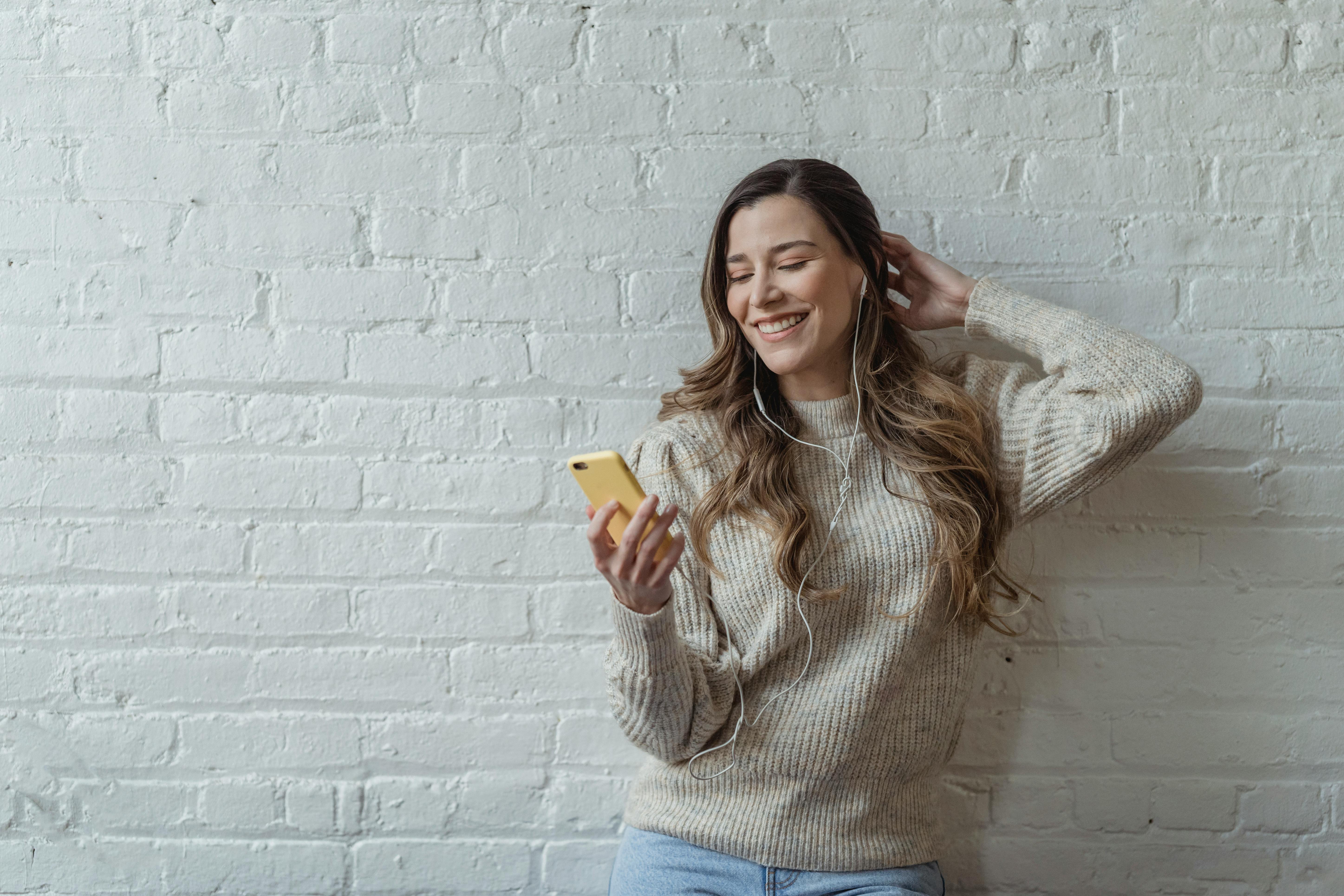
Maintaining communication with loved ones during your trip offers reassurance to both you and them. Use apps like WhatsApp or Skype for scheduled check-ins. However, avoid overusing social media to share your journey; this can distract you from fully absorbing your surroundings. Studies show show travelers who moderate digital engagement often experience deeper presence and mental well-being during trips.
Take care of yourself

Source: Pexels
Solo travel demands both physical and mental self-care. drink enough water and stay energized, maintain a balanced diet, and get adequate rest to keep energy levels high. even simple physical activities like exercising, hiking, or meditation can support emotional wellness. Research from the Mayo Clinic highlights that managing stress and recognizing personal limits are vital for a healthy travel experience.
Your emotional well-being matters too. If you feel overwhelmed or uneasy, pause and breathe. Solo travel is not a competition. You don’t need to outdo anyone or rush anything. Listen to your instincts and avoid situations where you feel unsafe, adjusting plans as needed to protect your well-being.
Step out your comfort zone and embrace new experiences


Source: Pexels
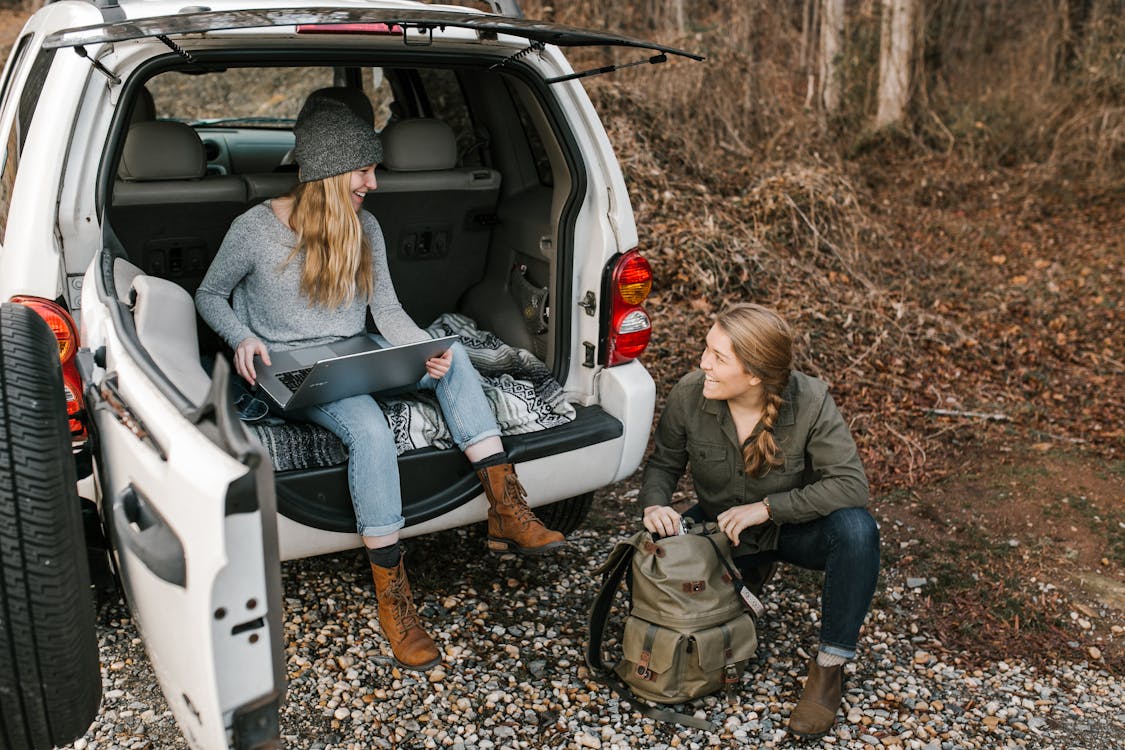
One of the greatest rewards of solo travel is stepping beyond your comfort zone. Try local cuisine, interact with strangers, and join cultural activities or group tours. Such engagement fosters meaningful connections and lifelong memories. Research published in the Journal of Travel Research finds that openness to new experiences significantly enhances overall travel satisfaction and personal development.
Trust your instincts and avoid risky situations
If something doesn’t feel right, don’t argue with your instincts. Your intuition will protect you during solo travel more than anything else. If a place feels unsafe, leave. If someone makes you uncomfortable, distance yourself. If a situation feels strange, trust your spirit and step away immediately. Staying safe starts with making decisions that prioritize your peace.
Keep a simple safety strategy in mind
As you explore, always keep a quiet safety strategy at the back of your mind. Avoid walking alone late at night and stay in places that are well-lit and well populated. You can also keep your personal belongings secure and out of sight, and don’t overshare details about where you’re staying. If you need help, can approach official personnel or visible staff rather than strangers. You don’t have to live in fear, but you do have to stay aware.
Wrapping up, embarking on your first solo trip is a remarkable journey of self-discovery and adventure. By thoughtfully choosing your destination, planning with flexibility, packing efficiently, staying connected while present, prioritizing self-care, and embracing new experiences, you set yourself up for a rewarding and safe travel experience. Solo travel not only broadens your horizons but also builds confidence and resilience. With the right preparation and mindset, your solo adventure will be an unforgettable chapter filled with stories, friendships, and memories to cherish for a lifetime.

Staff writer at Women Digest covering beauty, fashion, wellness and life.