
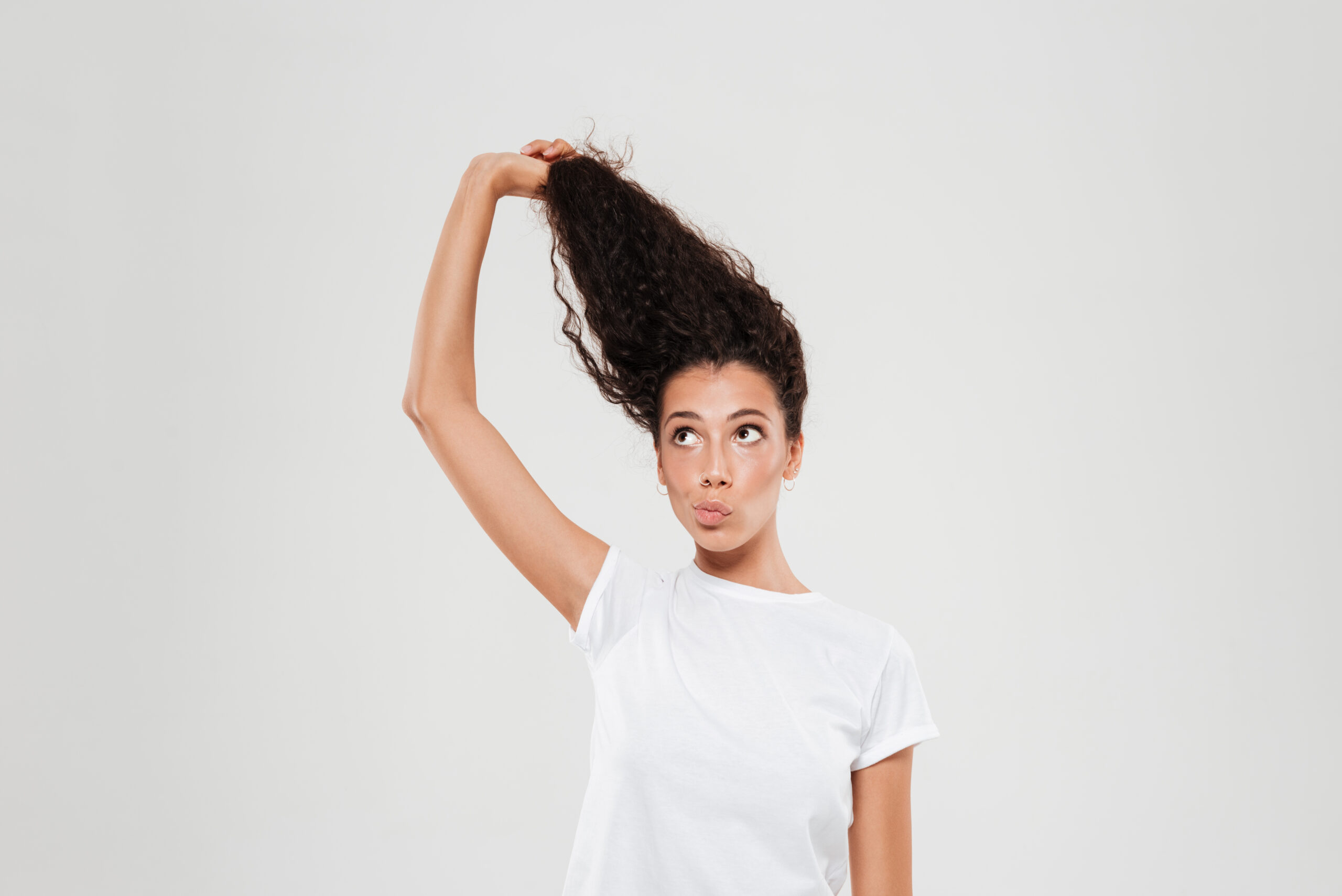
Historically, a woman’s hair has been a big part of what makes her attractive. That is why women have been worried about hair loss for a long time. Manufacturers have taken advantage of the demand; there are a lot of products on the market that promise to work miracles but don’t.
Taking care of your hair is an important part of a whole-body wellness routine. You can find some of these routines in The Only Wellness Guide You’ll Ever Need. In this article, we zero in on habits and lifestyle choices that can help you stop hair loss. So, welcome if you’re looking for ways to stop your hair from falling out without having to buy a lot of products.
There is rarely just one reason why women lose their hair. Genetics, hormonal changes, stress, nutrition, scalp health, and exposure to the environment all play a role. Hormonal changes like thyroid imbalance, perimenopause, and postpartum changes can interfere with the hair growth cycle and force more hairs into a resting or shedding phase (UK Meds). Genetics and nutrient levels also affect how follicles react to these changes.
Stress is another common factor. Ongoing emotional or physical stress can push more hair follicles into a shedding phase, a condition called telogen effluvium, where more hairs enter the resting phase and fall out a few months after the stressor. This often appears around 2–4 months after the stressful period. (British Association of Dermatologists)
Nutrition also plays a role. Hair follicles are one of the most rapidly dividing cells in the body, so they require a steady supply of nutrients to grow. If you are iron-deficient, have insufficient protein intake, or eat inconsistently, it can disrupt the hair growth cycle and weaken strands, making you more likely to thin.
These nutrients also boost your immune system, so incorporating them into your diet will benefit you twice. The top five foods to prevent hair loss that also contain protein and iron are lean red meat (beef or lamb), eggs, lentils and chickpeas, spinach and other dark leafy greens, and oily fish such as salmon, sardines, or mackerel.
Environmental exposure adds another layer. Pollution, UV rays, and frequent styling can gradually weaken hair fibers, increase porosity, and make strands more prone to breakage over time. As researchers note, both particulate pollution and UV radiation contribute to structural changes in hair and oxidative damage to cuticles and follicles.
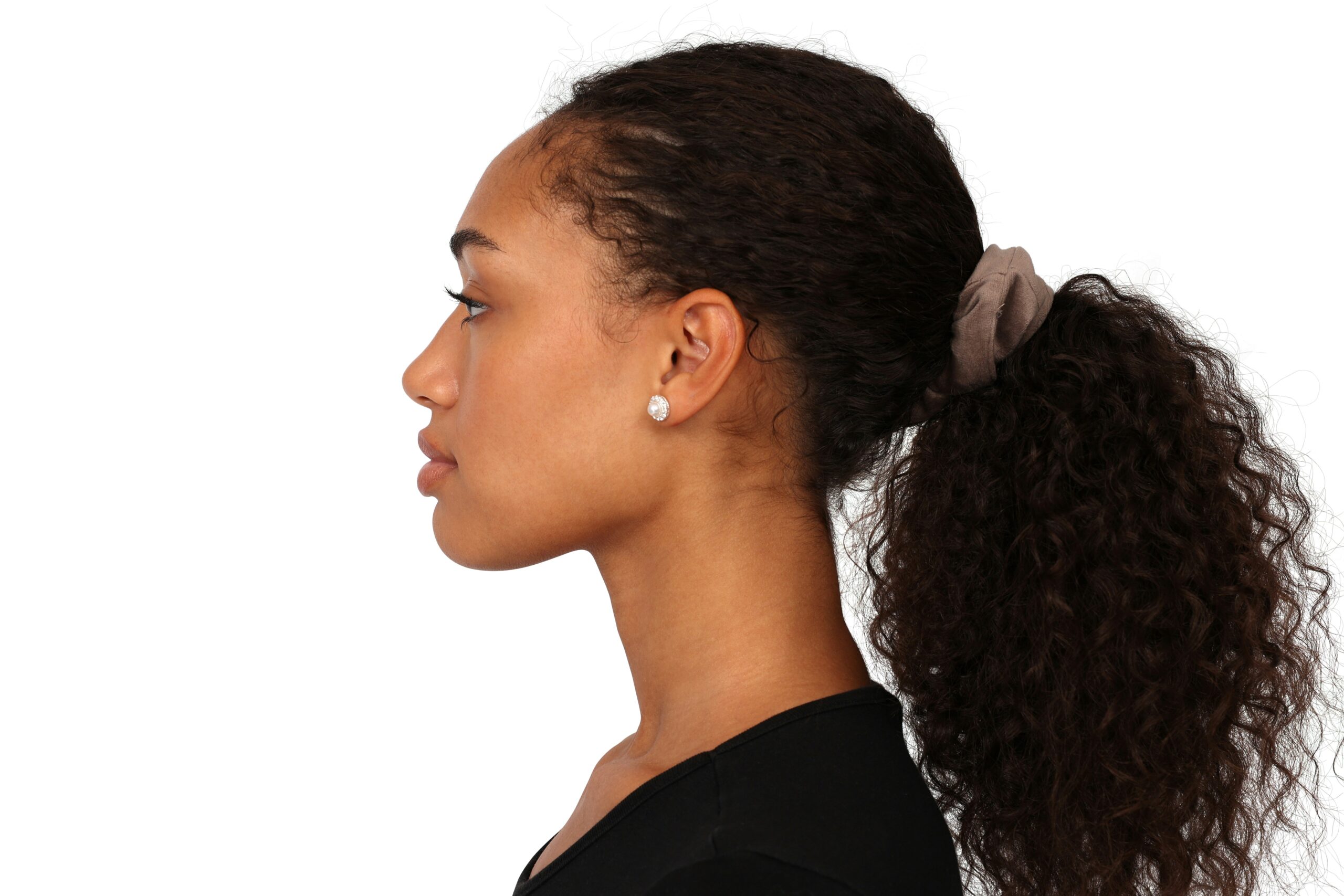
Image: Unsplash
Diet affects hair, since hair is built from protein, so consistent nourishment matters (Healthline). Diets that are restrictive or irregular can affect hair growth over time. Aim for balanced meals that include:
Don’t search for a list of foods to prevent hair loss; variety and regularity matter more than any single list, and a balanced diet rich in key nutrients supports healthy follicles better than occasional meals alone.
According to trichology and hair-nutrition experts, protein-rich choices like eggs, lean red meat, lentils and chickpeas, spinach and other dark leafy greens, and oily fish (such as salmon, sardines, or mackerel) all provide amino acids, iron, and other micronutrients that help nourish hair and scalp tissues.
Daily hair handling can quietly influence hair thickness. Repeated pulling, exposure to heat, and rough styling make the hair shaft weaker and more likely to break. Give your hair some support by:
These hair care tips are more about making your routine easier than limiting it. Dermatologists and hair health professionals emphasize gentle handling, such as using mild shampoo and conditioner, combing or brushing softly, and avoiding tight hairstyles. Fragile hair is easily damaged by rough treatment, which in turn can contribute to increased breakage and hair loss over time.
Gentler routines, such as avoiding heat styling, using sulfate-free formulas, and protecting hair from mechanical strain, all contribute to the integrity of the hair shaft and reduce unnecessary stress on follicles.
Stress does not have to be severe to affect hair health. Ongoing mental load, poor sleep, or emotional pressure can make your hair shed faster. Helpful stress-supportive habits include:
Many women with stressful routines wonder how to prevent hair loss in women. They don’t know that their way of life is to blame! Telogen effluvium, in which more hair follicles enter the resting phase and shed early, can be caused by stress.
You can reduce stress by regular exercise, mindfulness practices, adequate sleep, and structured downtime, all of which help calm the nervous system and reduce the hormonal triggers linked to hair shedding. These simple daily habits result in better health for your hair; you can help support healthier hair growth and reduce stress-related shedding.
Healthy hair grows out of a healthy scalp. Buildup, irritation, or poor circulation can affect follicles. Support the health of your scalp by:
These tips for taking care of your hair make it easier for it to grow and can stop hair loss caused by stress on the scalp.
According to NYSCC, environmental exposure accumulates slowly. Pollution, sun exposure, chlorine, and humidity can weaken the hair shaft and make breakage more likely. Protective habits include:
These steps help stop hair loss caused by cumulative environmental damage rather than internal health issues.
Over time, coloring, bleaching, or using chemicals on your hair a lot can make it weaker. Your hair stays strong when you space out treatments and give it time to heal.
According to PubMed, reducing chemical stress supports long-term resilience and aligns with realistic guidance on how to prevent hair loss in women without giving up personal style.
Sometimes hair changes reflect internal health shifts. Iron deficiency, thyroid imbalance, or hormonal changes can influence shedding patterns, according to Practo.
Routine checkups help you identify underlying causes early and support informed decisions to prevent hair loss through appropriate care rather than guesswork. Being proactive also contributes to hair care tips for overall wellness.
Here are some practical steps you can take to prevent hair loss:
Wrapping up, many women find that continuing in healthy lifestyle habits significantly reduces shedding and supports healthier growth. If you make healthy changes to your lifestyle and take care of your hair consistently, you can prevent hair loss for good.
Hair loss is commonly linked to hormonal changes, stress, genetics, nutrition, and scalp health.
Lifestyle habits can reduce shedding linked to stress, nutrition, and environmental factors.
Protein, iron, zinc, and B vitamins support healthy hair growth.
Gentle handling, reduced heat, and good scalp care support thinning hair.
Yes. Stress can disrupt the hair growth cycle and increase shedding.
If hair loss is sudden, severe, or persistent, a GP can help assess underlying causes.