

You know how you wear red on important dates and during presentations. Well, it goes beyond the color. The color red has long been associated with power, attraction, and authority.
Women continue to wear red in 2026 fashion not only because it attracts attention but also because it alters their mood. Color psychology research shows that red can influence perception, confidence, and behavior. When a woman wears red, she is often making a statement, whether intentionally or not. This article delves into the history, science, and current relevance of why women wear red to feel powerful.
Red has always been a color of status. So much so that in the past, red dyes were rare and expensive. It could only be afforded by the elite in society. For instance, Roman generals used to wear red cloaks to symbolize victory; European monarchs wore red robes trimmed in gold to show authority and wealth; even military uniforms used red to symbolize strength and dominance.
Red has never been a random color. It signified power and importance. Even in modern times, this historical meaning is still prevalent. So, even today, when a woman wears a red outfit, the message is rooted in centuries of visual symbolism.
The truth is that, while red is a universal color, it does not always have the same meaning, even though it always represents something strong. In many Asian cultures, red means luck, celebration, and prosperity. The western societies, it can represent passion, energy, and courage. In political movements, red has been used to signal strength and revolution.
It is actually very difficult to find a setting or region where red is just a random color. Red always carries a meaning. It always carries emotion, passion, and intensity. This is one of the reasons it feels powerful to wear a red outfit. It carries traces of cultural history.
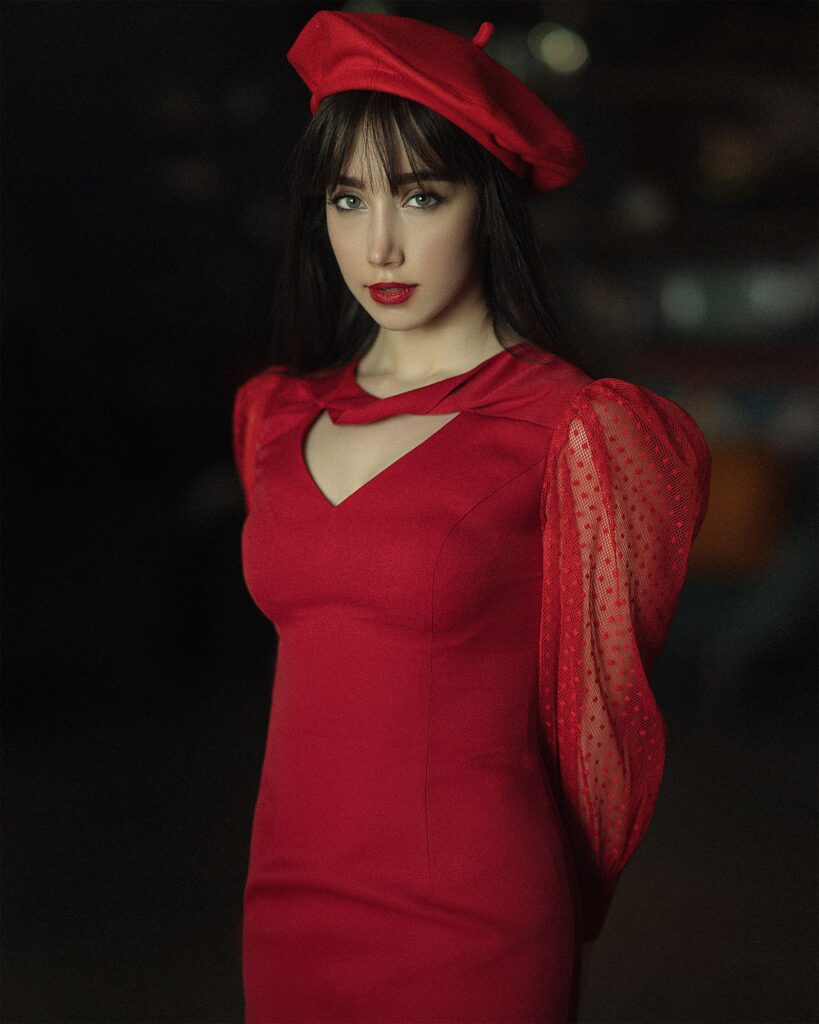
Image: Unsplash
The psychology of wearing red starts with how the brain processes color. In the visible spectrum, red has the longest wavelength. This means that it is one of the first colors your human eye notices. From an evolutionary perspective, red signals important things like danger, ripe fruit, blood, or attraction. Due to this, red easily stimulates emotional and physical responses more strongly than softer colors like blue or beige.
When you wear red, you become more visually prominent. So don’t be surprised when you wear red and it seems like everybody’s got their eyes fixed on you. You become a memorable sight. That increased visibility can directly influence how powerful you feel.
Psychological research proves that the color you wear affects how people perceive you. Other studies have found that people wearing red are perceived as more dominant and attractive. In competitive environments, athletes wearing red uniforms have been perceived as more likely to win. Let’s just say that the color red silently shapes perception, and perception influences behavior.
This means that the color red does not just influence how we are perceived by others but also influences how we react to that perception. This creates a feedback loop between confidence and fashion. It is not that the color gives you magic powers; it simply amplifies signals of authority. This helps explain why women wear red to feel powerful, especially in high-stakes situations.
The color is truly incredible. It does not only affect perception and behavior. It also affects the body. Studies show that red can slightly increase heart rate and stimulate alertness. It triggers a heightened state of awareness. That physiological response can translate into feeling energized or bold.
When you put on a red dress before an important event, your body literally shifts into a more alert mode. That physical sensation can feel like confidence.
Power dressing colors in 2026 are evolving. While black, navy, and grey remain classic, red has become a strategic choice in modern professional wardrobes. In professional environments in the UK, structured red blazers, tailored midi dresses, and monochrome red suits have become increasingly popular amongst modern women in leadership.
Red usually communicates clarity and presence in meetings. It is a good choice for photographs for LinkedIn profiles. It signals authority without relying on traditionally masculine tailoring. When compared to loud patterns, red feels more intentional. It says, “I am here, and I am confident.”
Minimalism is still a fashionable trend in 2026. A lot of women now prefer to have a neutral wardrobe. They prefer staples like black trousers, white shirts, and beige coats. In this context, red can become a focal point. Adding a red piece (like a red handbag, red heels, or a red knit dress) can add a beautiful contrast that makes your look stand out but doesn’t overwhelm the outfit.
If you are a lover of monochrome dressing, then this is a helpful tip that will literally take your monochrome game to a whole new level.
Social media has truly changed how women think about color. Red is immediately noticeable against neutral backgrounds and digital feeds on platforms such as Instagram and TikTok. It catches the algorithmic eye just as it does the human eye. This visibility effect amplifies red’s power.
In profile photos, reels, and campaign imagery, red increases contrast and memorability. And in today’s digital age, being memorable is essential. So you could say that red is good for personal branding. For deeper insight into this shift, see How Social Media Changed How Women Dress: From Trends to Micro-Aesthetics.
Red is not always just red. All reds are not born equal. There are different varieties and shades of red. And different shades suit different skin tones.
A few are:
In the UK’s softer natural light, deeper reds always look very good in photographs. Try different shades in natural daylight to decide the shade that complements your skin tone really well. The color you’re wearing is supposed to complement you and not overwhelm you. A color that complements you rather than overwhelms you adds an extra layer of confidence to you.
There are different ways to wear red. You can decide to go monochrome, that is, all red. You can also decide to pair it with other colors. Here are some nice combinations you can try out:
If you are not comfortable with wearing all red, grounding it with other colors (neutrals) creates harmony. The color still speaks, but it does not shout.
Red works best when used with intention. You can consider wearing red for job interviews, presentations, networking events, public speaking, and even important celebrations. It can subtly reinforce authority and visibility and give you that CEO vibe when you need it. See the color red as a tool you can use when you want to amplify your presence.
Below are common misconceptions about red.
Red is not automatically overwhelming. It depends on how you use it or wear it. For instance:
The problem is not with the color itself. It is usually with your styling and balance.
Many people reduce red to romance or seduction. Although red can signal attraction, it also symbolizes leadership, courage, ambition, and strength. In professional settings, red communicates clarity and assertiveness more than flirtation, especially when tailored and structured.
Red remains one of the most powerful colors in fashion, and women wear it for a variety of reasons, including history, culture, psychology, and biology.
In 2026 fashion, women are using red intentionally, not just to be seen but as a tool to feel strong, capable, and confident. When you understand its symbolism and psychological impact, you can wear red strategically. Whether in the workplace, on social media, or at special events, red becomes more than a color. It becomes a statement of presence. Confidence and fashion are deeply connected. Red simply makes that connection visible.