The right handbag can instantly pull your outfit together, just the same way the wrong one can throw it off. You want to look intentional, but you can’t afford to buy a new bag for every dress, every season, every occasion. If you daily stand in front of your closet thinking, “Does this bag go with this outfit?” This article is for you.
Learning how to choose the right handbag for your outfit is not about owning more; it’s about understanding balance, proportion, and purpose. Once you know a few core principles, you can confidently create a handbag for every outfit with far fewer bags than you think.
Why the Right Handbag Matters More Than You Think
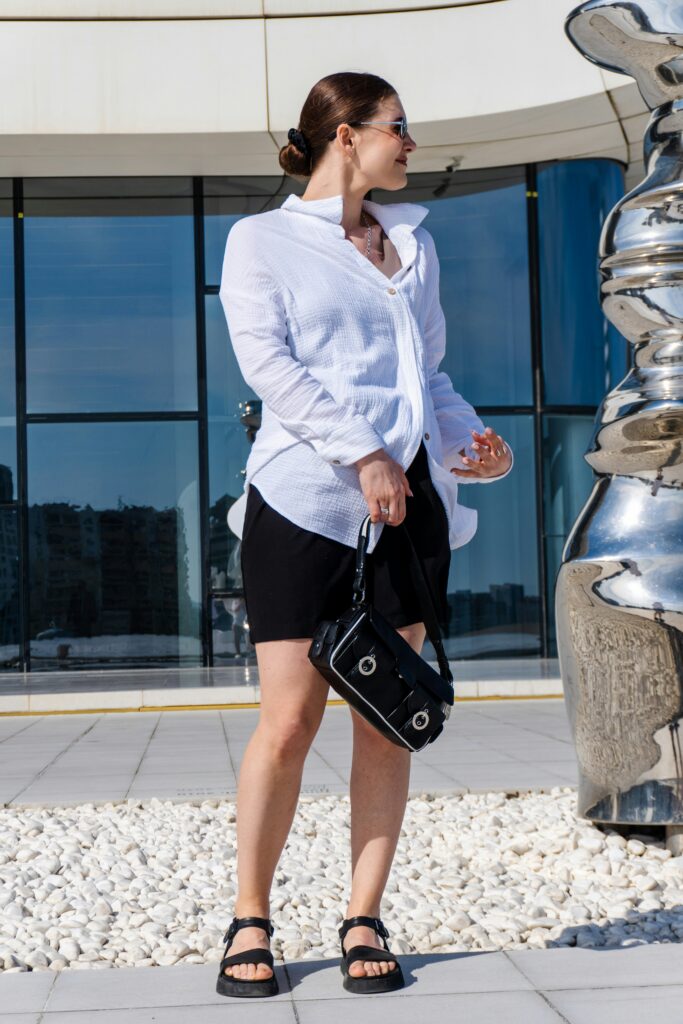
Image: Unsplash
A handbag is not just an accessory; it anchors your look, signals intention, and communicates your mood. A handbag carries visual weight because it is the most noticeable element of your outfit. It sits at your side or on the table, crosses your torso, or rests in the crook of your arm. If your handbag is too large, too small, too structured, or overly decorative, it might end up competing for attention instead of supporting your outfit. Balance is everything. So, the right handbag pulls your look together and keeps your essentials within easy reach, balancing functionality with style.
The Core Rule of Handbag Styling
Understand that the core principle of handbag styling is “match formality before color.” When thinking about how to match handbags with outfits, start with the occasion. Different handbag styles fit different occasions, whether it’s a clutch for a special night out, a small sling for casual brunches, or a black tote for the office. Choosing a handbag style based on the occasion first eliminates most styling mistakes immediately.
Choosing a Handbag By Outfit Type
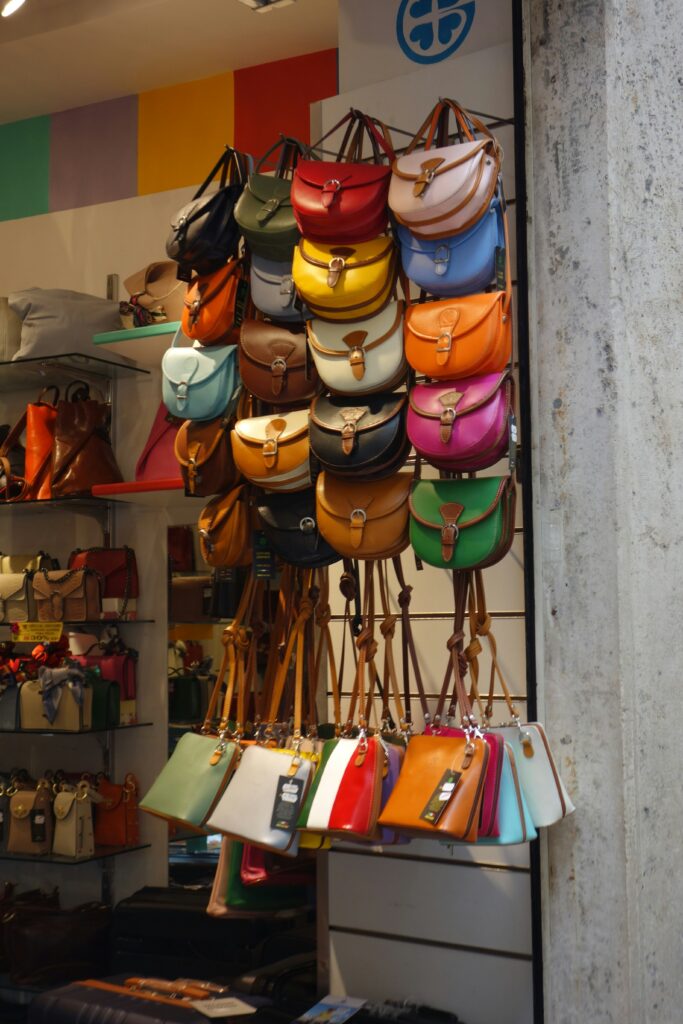
Image: Unsplash
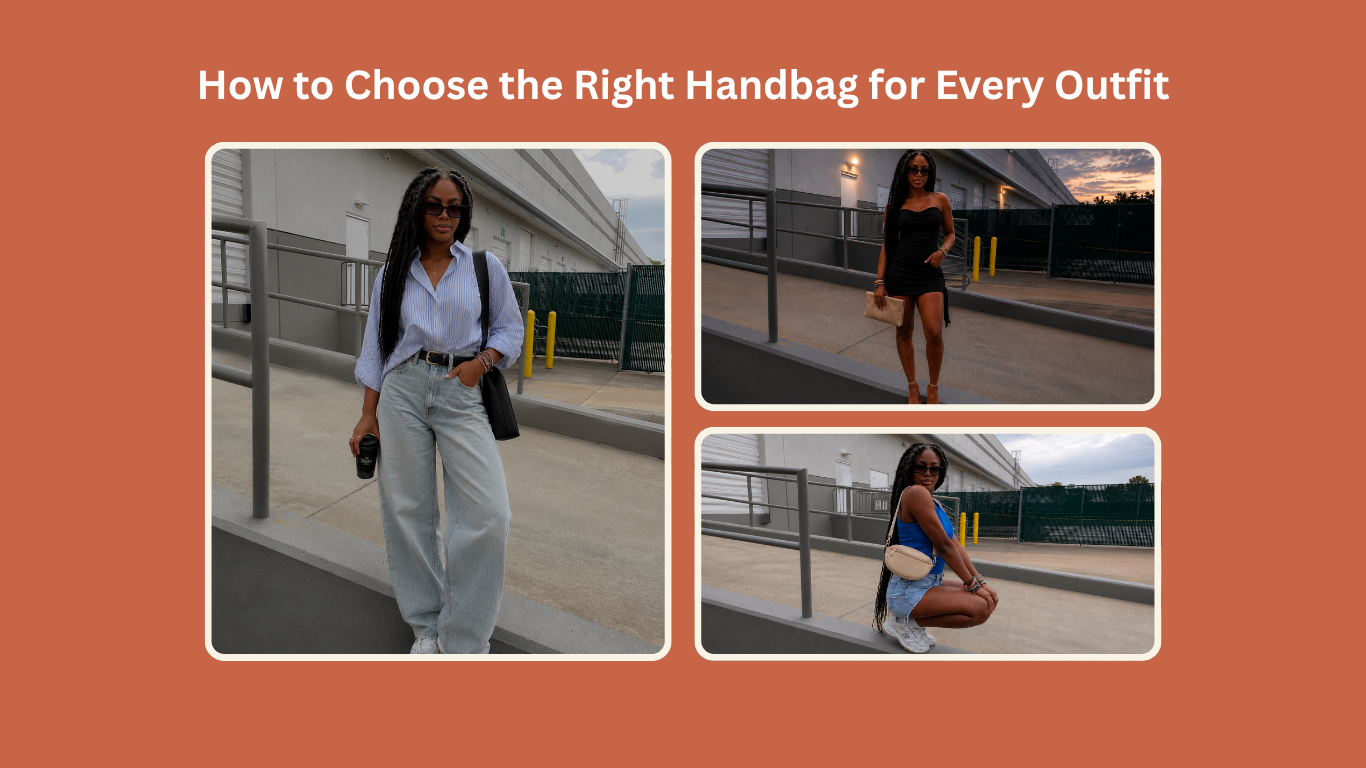
Jeans, knit sweaters, casual dresses, and flats pair beautifully with comfortable, easy, and practical bags. When choosing a handbag style for casual or everyday outfits, ideal options include:
Shoulder bags; spacious enough to carry your everyday must-haves without compromising on elegance. Crossbody and sling bags are stylish and effortless to carry and make it easy to keep your essentials close while staying hands-free.
Handbags for Work and Professional Looks

Image: Unsplash
Tailored trousers, pencil skirts, and blazers benefit from a bag that mirrors their sharpness. A structured handbag reinforces professionalism and signals confidence. Size is an important factor to consider here, because a really small bag can look impractical, while an oversized one can feel overwhelming. Top-handle satchels are structured and portable and add a sophisticated touch to your work outfit. But the best option for workwear is a black or structured office tote bag. They provide enough space for your laptop, tablet, notebooks, and other necessities, without compromising on style.
Handbags for Evening and Event Outfits
Formal outfits look most elegant when the bag is scaled down. Large totes rarely belong at weddings or cocktail events. The best handbag choice for an evening or formal event is a clutch bag. This allows you to make a statement without trying hard, particularly one with a luxury design embellished with metallic accents, beads, or shimmering hues. Size, Shape, and Structure
How Bag Size Affects Your Overall Look
The size of your bag directly influences proportion. Petite frames are often overwhelmed by oversized totes. But women with taller or broader frames can carry medium to larger bags with ease. However, a very small bag on a tall woman may look disproportionately tiny. Your bag should feel scaled to both your body and your outfit. This is simply about visual balance.
Structured vs Slouchy Bags
When choosing a handbag style, ask yourself whether your outfit needs definition or softness. Structured bags are designed to hold their shape, even when they are empty. This makes them ideal for professional settings or formal events. In contrast, slouchy bags are soft and flexible. They hang naturally and collapse when set down and are ideal for casual wear.
Matching Bag Shape to Outfit Lines
Your clothes have visual lines. Some are relaxed, like draped knits, loose dresses, and wide-leg trousers, while others are structured like blazers or tailored trousers. Your handbag should echo those lines. When the bag shape matches your outfit’s structure, the look feels intentional. But when it clashes, like a rigid briefcase with a flowy sundress, it can feel slightly off, unless contrast is the goal.
Neutral Bags vs Statement Bags
Neutral bags are timeless classics. Handbags in black, tan, or beige pair effortlessly with most outfits. On the other hand, statement bags serve a different purpose. They have bold colors or unique features, and they add personality and visual interest. Statement bags serve best when;
- The rest of your outfit is simple
- You want a focal point
- The occasion allows creativity
Matching Handbags With Shoes and Accessories
One of the best handbag styling tips is “aim for coordination, not duplication.” Exact matching is outdated. So instead of wearing the exact color from head to toe, aim for pieces that relate to each other. For example, if your bag has gold hardware, you can wear gold jewelry. It doesn’t need to match perfectly; balance is key. Let one piece lead, and let the others support it.
Seasonal Fabrics and Textures
When choosing a handbag style, you should consider not just the outfit but also the climate and fabric weight. Different materials are suitable for different seasons. For instance, depending on the type, leather can work year-round. Lighter, softer leather fits spring and summer better, especially in neutral or warm tones. And during winter or fall, suede is an ideal pick.
Common Mistakes To Avoid
Bags with heavy hardware, loud logos, or exaggerated shapes often steal attention. Overmatching, or carrying oversized handbags for formal events. These are common mistakes even stylish women make when figuring out how to choose the right handbag. If people notice your bag before they notice you, it may be overpowering, unless that was the goal. But the right handbag is meant to complement your outfit, not compete with it.
When the Bag Feels Like an Afterthought
Your handbag shouldn’t look like something you grabbed at the last minute. For example, an old, sagging tote paired with tailored clothes looks disconnected. When a bag feels disconnected from the rest of your outfit, the whole look can seem unfinished, even if the clothing itself works.
BUILDING A SMART HANDBAG ROTATION
You don’t need a closet full of handbags. You only need a thoughtfully chosen set that supports your wardrobe and lifestyle needs. Instead of collecting endlessly, focus on three core categories: an everyday bag that works with most casual and daytime outfits, a structured work bag that adds polish and professionalism, and a refined occasion bag suited for evenings and events. When each piece serves a clear role and complements your overall style, you can create flexibility without excess.
Choosing Bags That Age Well
A bag that ages well is not defined by trend cycles but by how consistently it works over time. Focus on quality and versatility when you are purchasing or choosing a handbag style. Because when quality supports a timeless design and versatile function, the bag doesn’t just survive seasons; it also improves with them. Research on versatile bags shows that timeless hues are incredibly versatile, transcending seasons and trends to complement a wide range of styles and looks, all while creating a balanced and sophisticated aesthetic.
In conclusion, choosing the right handbag isn’t about owning more; rather, it’s about understanding how to match handbags with outfits. When you learn how to choose the right handbag, it empowers you to make better choices without overthinking or overbuying. Considering occasion, proportion, structure, color, texture, and styling becomes easy.
FAQs
How do I choose the right handbag for an outfit?
Start with the occasion. Match the bag’s formality to your outfit, then consider proportion, structure, and color harmony. The bag should balance your look and not compete with it.
Do handbags need to match shoes?
No. Exact matching is unnecessary. Instead, coordinate undertones or textures for a cohesive look.
What handbag size is most flattering?
Choose a size proportional to your body frame and outfit volume.
How many handbags does a woman really need?
Most women can cover nearly all occasions with three to four well-chosen bags: everyday, work, evening, and one optional statement piece.
Are neutral handbags better than statement bags?
Neutrals are more versatile and practical. Statement bags add personality but work best when the rest of your outfit is simple.

Staff writer at Women Digest covering beauty, fashion, wellness and life.