Hyperpigmentation affects women all over the world, regardless of race, tribe, country, and age. Quite frankly, it is a difficult skincare challenge to deal with. You keep using different products and changing routines, yet nothing seems to be working.
I’ll tell you this, sometimes not seeing desired results has nothing to do with your routine or products. Persistent pigmentation isn’t a flaw—it’s a biological response. It’s your skin telling you that melanin is doing its job a bit too enthusiastically. Of course you don’t want to stop your melanin from doing its job, but you wouldn’t want it doing too much either. When you understand hyperpigmentation, you stop fighting your skin and start treating it effectively.
What Hyperpigmentation Really Is
When you hear “hyperpigmentation,” the first thing that comes to your mind is the dark spots on your skin. That is all many women know about hyperpigmentation—nothing about what causes it, how it occurs, or how to treat it. So, let’s unpack this.
Hyperpigmentation happens when your skin produces extra melanin—the pigment that gives skin its color and helps protect it. Melanin itself isn’t the enemy. It’s your skin doing its job. The problem is that sometimes that protective response gets a little… overenthusiastic. Think of it like a smoke alarm that keeps going off even after the toast is out of the toaster.
There are a few main types you’ll hear about:
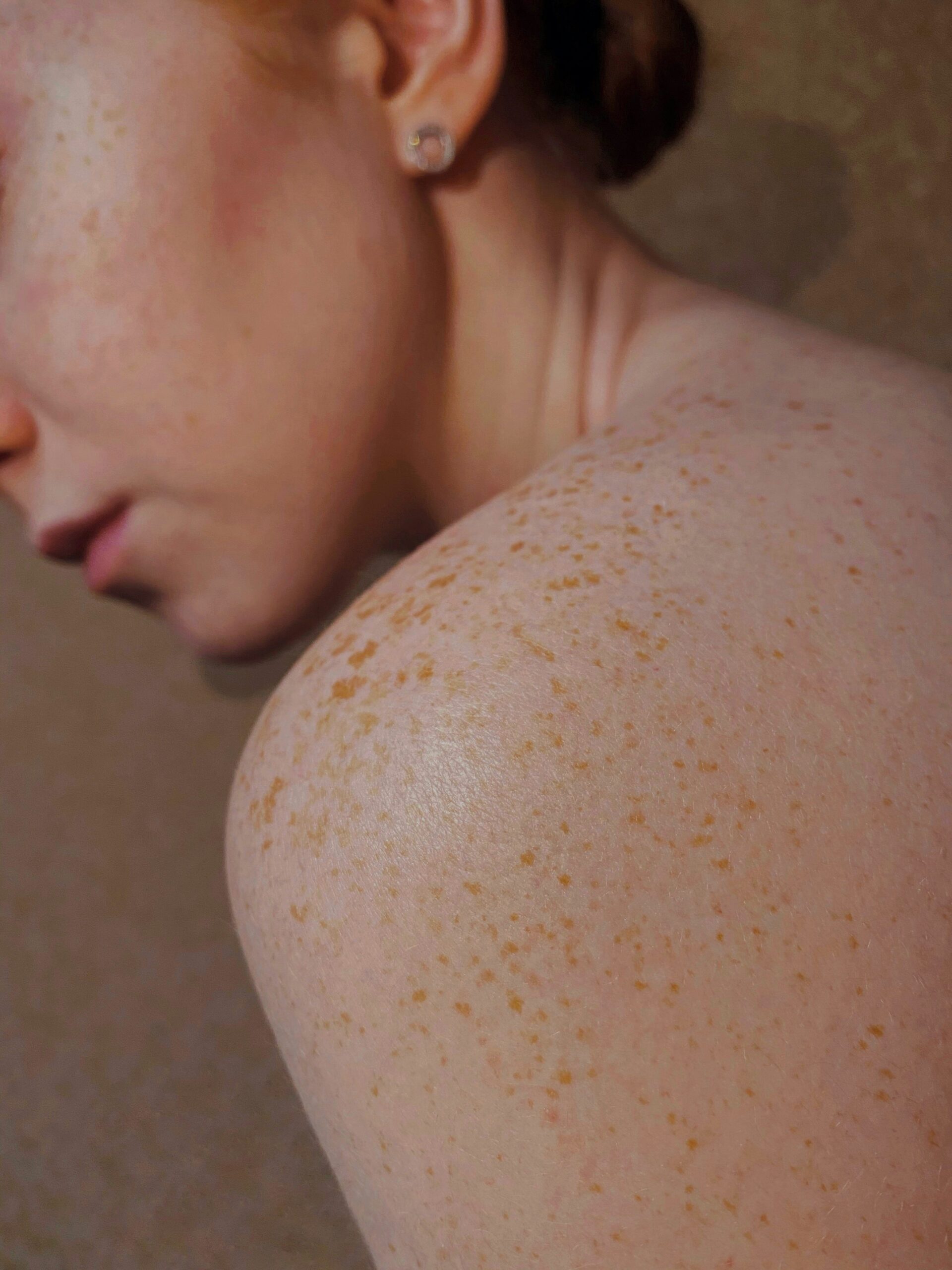
- Sun-induced pigmentation: Freckles or sunspots that show up after years of UV exposure
- Hormonal pigmentation (melasma): Often symmetrical patches linked to pregnancy or birth control
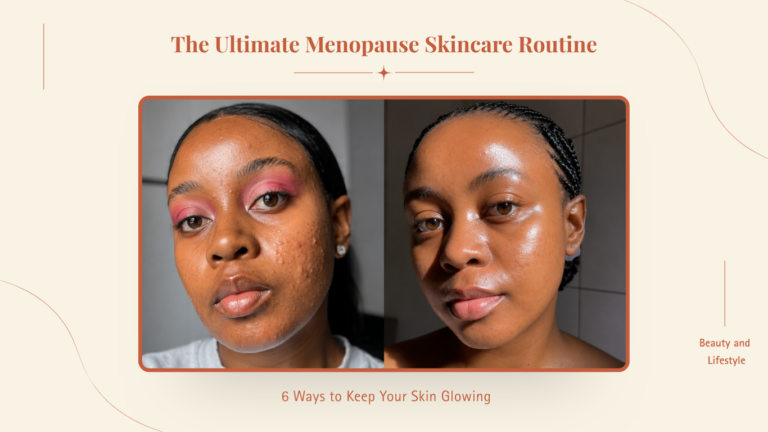
- Post-inflammatory hyperpigmentation (PIH): The dark marks left behind after acne or irritation
Dermatologists have long pointed out that these types behave differently and sit at different depths in the skin, which is why a single “brightening” product rarely fixes everything.
Why Your Hyperpigmentation Still Persists
This is the part most skincare ads and advice skip—and where you’d probably get frustrated. Hyperpigmentation lingers because melanin doesn’t just float away once it appears. Those pigment deposits can sit deep in the skin, fading slowly as your skin renews itself. And that renewal cycle? It slows down with age, stress, and irritation.
On top of that, a few everyday habits quietly keep pigmentation active. If you have the habit of skipping sunscreen use, over-exfoliating your skin, or switching products all the time, know that you’re not helping your hyperpigmentation. Once the skin is inflamed or irritated, it sends out signals for the release of more melanin. This is why you should stick to simple and gentle skincare routines.
Sun Exposure and UV Damage
If hyperpigmentation had a main character, it would definitely be the sun’s UV rays. UV exposure triggers melanin production. Even on cloudy UK days, through windows, and even on your “quick errand” days. This is why sunscreen is non-negotiable for pigmentation treatment.
And here’s the kicker:
- Existing dark spots darken faster than surrounding skin. So without daily SPF, you’re essentially undoing your own progress—a bit like doing Pilates all week and then binge-eating crisps on Sunday.
This is why bold, everyday sun protection habits matter more than fancy treatments.
Hormonal Shifts and Skin Changes
Hormonal pigmentation is the one that feels especially unfair. You didn’t pick it. You didn’t even cause it. And no, it’s not because you “used the wrong cleanser.” Pregnancy, birth control, and hormonal fluctuations can all signal melanocytes to go into overdrive—particularly on the cheeks, neck, forehead, and upper lip.
That symmetrical, stubborn pattern is classic melasma, and dermatologists widely agree it’s one of the hardest forms to treat quickly. So, trying to use harsh treatments to fade out this type of hyperpigmentation usually backfires. Hormonal pigmentation responds better to calm, consistent care—not shock tactics.
Inflammation and Post-Acne Marks
If you’ve ever popped a pimple and thought, “At least it’s gone,” only to be left with a dark mark for months—welcome to post-inflammatory hyperpigmentation.
Inflammation tells the skin something went wrong. Melanin rushes in to protect and repair. The more severe the irritation, the stronger the pigment signal. Research has consistently shown that post-inflammatory hyperpigmentation (PIH) is especially common in darker skin tones and worsened by picking or harsh exfoliation. Translation? Fighting marks aggressively often keeps them around longer.
How You Can Identify Your Type of Hyperpigmentation
Before throwing another product into your basket, pause and look at patterns. Understand what is happening to you and why it’s happening to you. Small, defined spots on sun-exposed areas often point to sun damage. The larger, symmetrical patches suggest that they are triggered by hormones. Marks that appear exactly where breakouts healed usually indicate PIH
If you understand this, you’ll see that treatment becomes easy. You will no longer be experimenting or trying out random treatment. Now that you understand what is happening beneath your skin, you’ll know to even out skin tone.
Differentiating Temporary Discoloration from Long-Term Spots
Not every mark is permanent—and that’s important. Temporary discoloration fades within weeks as the skin heals. Persistent hyperpigmentation sticks around for months, barely budging unless you intervene properly. If a spot looks the same after 8–12 weeks, it’s probably sitting deeper in the skin. That’s your cue to shift strategy.
The Ingredient That Actually Works Does the Work
Scroll TikTok for five minutes and you’ll see stuff like “lemon juice on dark spots,” “toothpaste on acne marks,” and “someone swearing a DIY hack ‘fixed everything overnight.'” It’s tempting because everyone wants a quick fix. Then you hear the dermatologist’s advice that tells you to avoid these hacks.
The truth be told, most of these viral fixes do not actually work; most times, they end up making your skin even worse than it was. Acidic ingredients like lemon juice irritate the skin and increase sun sensitivity, which fuels more melanin production. Toothpaste is even harsher, disrupting the skin barrier and leaving behind marks that last longer than the original spot. What looks dramatic online often creates the exact conditions hyperpigmentation thrives in.
It is important that you know the ingredients that work, what they work for, and how they work.
- Vitamin C helps slow melanin production while protecting skin from UV damage. This is key for preventing existing dark spots from deepening.
- Niacinamide strengthens the skin barrier and reduces how much pigment rises to the surface, making spots less noticeable over time.
- Azelaic acid calms inflammation while regulating pigment, which is why dermatologists often recommend it for post-acne marks and sensitive skin.
- Alpha arbutin gently reduces melanin production, making it a safer option for long-term use.
- Retinoids speed up cell turnover, helping pigmented cells fade faster—but they work best when introduced slowly and used with care.
What ties these ingredients together isn’t just brightening—it’s barrier support. The British Association of Dermatologists notes that hyperpigmentation improves more reliably when pigment control is paired with a healthy skin barrier. Calm skin produces less excess pigment. Irritated skin produces more. It is important that you know the active ingredients that work in skincare, understand their role, and know how to properly apply them.
Lifestyle and Environmental Adjustments
Skincare doesn’t exist in a vacuum. Sun habits, heat exposure, stress, and sleep all influence pigmentation. Daily sunscreen. Protective clothing. Gentle routines. Fewer “experiment weeks.” These are effective techniques. And if your skin feels reactive or unpredictable, understanding your skin barrier and how to protect it may just make all the difference you need.
When to Seek Professional Help
Sometimes, topical care isn’t enough. Dermatologist-led treatments like chemical peels, laser therapy, or microneedling can help stubborn pigmentation when chosen carefully. The United Kingdom dermatology guidelines stress that these work best alongside proper sun protection and maintenance, not as standalone fixes.
Preventing Recurrence
Here’s the quiet truth: fading hyperpigmentation is only half the work. The real goal is to keep it from returning. If you want to win this battle, you shouldn’t play with your sunscreen. Try your best to avoid skin irritation. Always check in with your routine as your skin changes.
Managing Expectations and Tracking Progress
Hyperpigmentation fades slowly—and unevenly. Progress often looks like softer edges, lighter tones, and fewer new spots. It doesn’t happen overnight; don’t be carried away by the ads you see on social media. Take photos. Track changes monthly. Be patient with your skin. It’s not dragging its feet—it’s healing. It’s your journey; own it and enjoy it.
Wrapping up, hyperpigmentation isn’t a flaw. It is not a punishment, nor is it proof that you failed at skincare. It’s your skin responding to life. With understanding, consistency, and realistic care, dark spots can fade—and stay faded. Not through extremes, but through steady, informed support. And once you stop blaming yourself, the process feels lighter, clearer, and far more achievable.

Staff writer at Women Digest covering beauty, fashion, wellness and life.