Hair on combs, pillows and bathroom floors is disturbing, but it often raises the question: Is this normal shedding or am I losing my hair?
While both seem confusing and alike, they actually are different. One is a natural process; the other signifies an underlying issue that needs to be tended to. Understanding and having clarity about hair shedding vs hair loss is the first way of protecting your hair, easing anxiety, and knowing when to seek help.
The Hair-Growth Cycle
Not every hair fall is a cause of concern, but some are. This is best understood by looking at the natural hair cycle. Hair grows in a continuous cycle with distinct phases that include:
- Anagen: This is the growth phase, lasting 2-7 years. During this phase, hair follicles produce new hair, and the length of your hair depends on the time it spends in anagen. About 85-90% of scalp hair is made during this period.
- Catagen (transition phase): This period lasts for about 2-3 weeks, during which the hair follicles weaken and eventually detach from their blood vessels in the scalp.
- Telogen (resting phase): This lasts for about 2-3 months; hair rests on the follicle while new hair begins to grow underneath. Roughly 10-15% of hair is in this phase.
- Exogen (Falling phase): This is when the old hair is released and falls out to make room for the new hair. Losing approx 50-100 hairs in this phase is normal.
When the cycle is balanced, hair loss is normal and is the body’s way of maintaining balance. Daily shedding of hair is part of growth because as an old one falls off, a new one is already available to replace the lost hair. However, hair shedding doesn’t eventually lead to thinning or bald spots since new ones replace them; we don’t even notice it until we do some of these activities, like:
- During washing
- De-tangling
- Loosening an old braid.
As long as hair continues to grow, daily shedding is considered normal and not a cause for concern.
Hair Shedding vs. Hair Loss
Hair shedding is a natural process in which hair falls out as part of the growth cycle. At any given time, each hair strand is resting, growing, or preparing to fall out to make way for new hair.Most people shed 50-100 hairs daily, but it doesn’t eventually lead to thinning or bald spots. Shedding can also increase temporarily, maybe due to stress or triggers, and it’s known as telogen effluvium.
These triggers include:
- Childbirth; after postpartum
- Hormonal changes after the change
- Emotional and physical stress (bereavement, accident, or stress) causes hair falls increase 2 months later
- Illness, surgery, or fever: shedding begins 6-12 weeks after recovery.
- Medications; ranges for weeks to months after starting or stopping.
But worry less; regrowth begins when the trigger is addressed. Hair fall is diffuse, and there’s no thinning of hair or patches, which often appear in hair loss; there’s also the presence of baby hair growing.
Hair Loss

Image: Pixabay
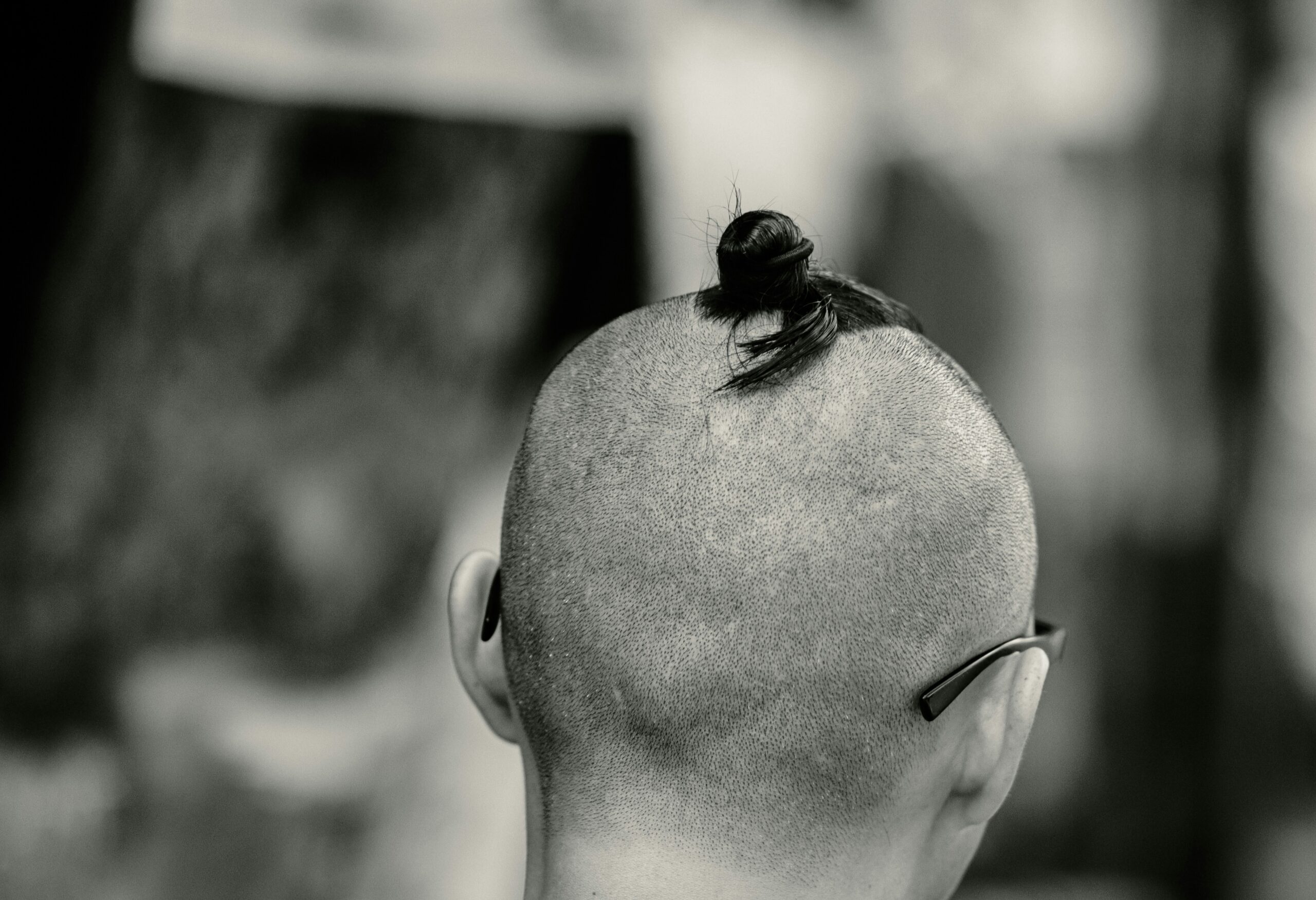
Hair loss, also identified as ‘alopecia’ in medical terms, refers to a conditions where hair falls out in patches, thins over time, and stops growing altogether; it can be temporary or permanent. This happens when hair follicles are damaged, inflamed, or attacked by the immune system, or when growth is disrupted. There are five types of alopecia, including:
- Alopecia areata: This happens when the body attacks the hair follicles, leaving bald patches
- Androgenetic alopecia: Usually seen in males around the hairline and in females, mostly around the crown
- Traction alopecia: Hair loss caused by tight hairstyles like braids, ponytail or even extensions
- Alopecia totalis: Loss of all scalp hair
- Alopecia universalis: Loss of all body hair.
Hair loss eventually leads to reduced regrowth, so most of the shed hair won’t grow back. This eventually leads to gradual thinning and, over time, a visible change in hair density and scalp coverage. There’s patterned thinning rather than hair falling evenly; the crown is scanty, mostly in women and in men, and there is a receding hairline.
How Hair Loss Happens Over Time
Hair loss happens gradually, often going unnoticed in the early stages. Unlike temporary shedding, where the hair is replaced, hair loss involves a progressive disruption of the hair growth cycle. This eventually leads to reduced regrowth and thinning in various areas. During the early stages, hair shedding seems normal; new hairs grow but are finer, shorter, and weaker. Each growing phase is shorter, and the resting phase is longer.
In the advanced stage, follicles may become inactive and stop producing hair. If the underlying cases are caused by illness or genetics and go untreated, this can lead to long-term hair loss. Understanding this progression is important because early detection and treatment can slow or even reverse the hair loss before the follicle becomes inactive
Signs That Point to Normal Hair Shedding
These signs include:
- Hair fall is evenly spread and not in patches
- Daily hair fall is usually 50-100, even though it seems much
- Shedding Increases temporarily after stress, illness, or hormonal changes
- No widening part, receding hairline, or wide patches
- Overall, hair thickness and volume remain the same
- Shedding gradually settles within a few months.
Signs That Suggest Hair Loss
The following signs are what you should watch out for if you aren’t sure it’s normal shedding
- Noticeable thinning of hair over time
- Widened part around the crowning
- Receding hairline or thinning at the temples
- Bald patches with little or no hair
- Hair grows back finer, shorter, or weaker than before
- Hair loss that doesn’t improve after 6 months.
- Little to no visible growth.
- Severe lack of sleep or prolonged fatigue.
What Causes Hair Loss
Hair loss is caused by many factors that disrupt the normal hair growth cycle or damage hair follicles. These causes may lead to thinning and a patchy scalp. They include:
- Genetics: This is a type of inherited hair loss (androgenetic alopecia), which eventually leads to thinning.
- Hormonal imbalances: conditions like PCOS (polycystic ovarian syndrome) or thyroid disorder can lead to hair loss. Medical conditions such as alopecia areata and scalp infections can damage hair follicles and lead to hair loss.
- Traction and hair practice: frequenting hairstyles like braids, ponytails, and weaving eventually causes tension in hair roots, leading to traction alopecia.
Other causes are poor nutrition, chronic stress, and aging.
When to Be Patient and Observe vs. When To Seek Professional Help
It’s nice and okay to monitor your hair when signs point to normal shedding, not hair loss
Be patient and check the signs if:
- Hair loss began following a trigger, such as an exam or childbirth.
- Shedding is diffuse and uniform across the scalp.
- There are no bald patches.
- Hair fall lasted less than 3 months.
- You can see new baby hairs
- Overall, hair volume wasn’t affected or reduced
Use this time to focus on good hair treatment, good nutrition, stress management, and avoiding tight hairstyles. If shedding persists, it will be advisable to check in with professionals.
When to Seek Professional Advice
You should seek professional advice if you notice the following:
- Hair falling lasts longer than 6 months
- Progressive thinking and widening part
- Bald patches
- Little to no regrowth
- Scalp symptoms such as pain, itching, or redness
- Hair loss following no trigger
- Family history of significant hair loss with early onset
- Hair loss accompanied by other options
Why Does Hair Change Feel So Distressing
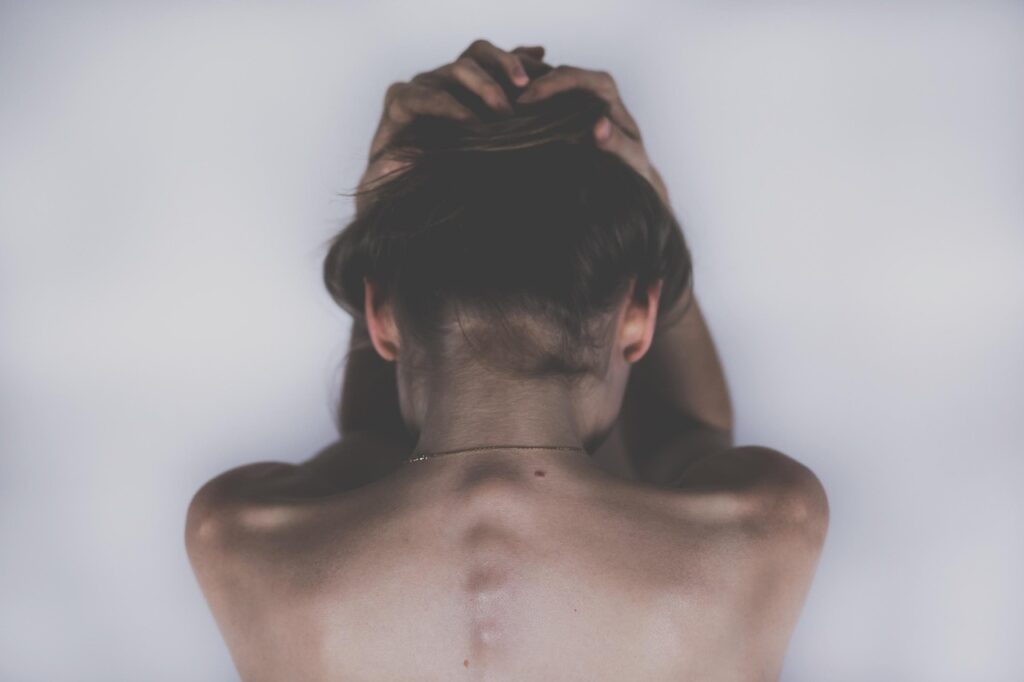
Image: Pixabay
Hair loss often makes one feel distressed and unhappy because hair is closely tied to identity and beauty. For most people, hair represents femininity, health, youth, and culture.
When hair begins to change, it can:
- Feel like a loss of control over one’s body
- Affect self-esteem and body image
- Trigger fear about aging or illness
- Bring social pressure
Hair changes also tend to happen slowly and unpredictably, which creates anxiety. People may constantly check mirrors, photos, or pillows for shed hairs, which eventually leads to emotional distress.
Reducing Anxiety Around Hair Monitoring
When one’s hair starts to change, it’s common to feel self-conscious and start looking at photos and mirrors to see how bald one has become. However, consistently doing so eventually leads to increased anxiety, making hair loss look worse than it is.
There are a few ways to reduce anxiety.
- Instead of checking mirrors all the time, set a time limit.
- Avoid counting how many times you shed hair in a day.
- Focus on regrowth signs.
- Stick to a gentle, healthy hair routine.
- Prioritize sleep and rest.
- Remind yourself that it doesn’t define your beauty or your worth.
Being informed allows you to respond with patience rather than panic, observing when appropriate professional aid is needed.
Wrapping up, hair changes are normal and manageable when addressed early. With the right knowledge, it will be possible to maintain healthy hair and mental health.
FAQs
1. How much hair shedding is normal?
It is normal to lose 50-100 hairs per day, though this may appear to be higher when you wash your hair. As long as there is no thinning or patches, you are safe.
2. How can I tell if I’m shedding hair or losing hair?
Hair shedding is normal and occurs across the scalp, with visible regrowth. Hair loss indicates progressive thinning, with widening sections or bald patches and no regrowth.
3. Can stress cause hair shedding?
Of course, stress can cause hair to shed; this is known as telogen effluvium, and it usually occurs 2-3 months after stressful events.
4. How long does hair shedding last?
Temporary shedding lasts at least 6-12 weeks, followed by regrowth that takes 2-6 months to complete, and in some cases up to a year.
5. Does hair shedding mean baldness?
No, it doesn’t. Normal hair shedding does not cause baldness because the hair follicles are still active and functioning.
6. When should I worry about hair loss?
If hair loss lasts over 6 months and is accompanied by thinning, a patchy scalp, and the absence of regrowth, seek professional advice.

Staff writer at Women Digest covering beauty, fashion, wellness and life.