
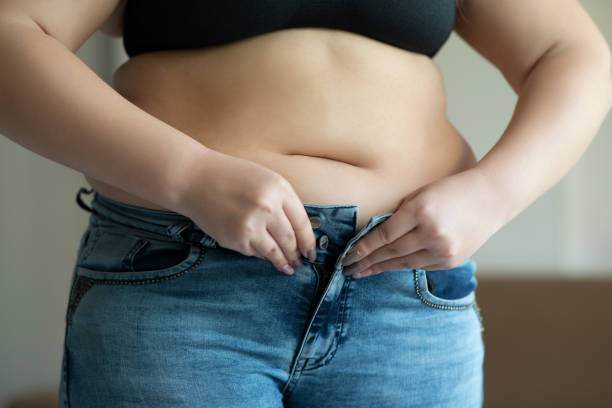
Mandy looks at the mirror and shakes her head. She’s fed up. “It seems I’m destined to have belly fat,” she sighs. Her phone pings and she rolls her eyes while reading the text message from her friend: Mandy, you need to try this new pill. It works wonders for belly fat. Mandy throws her phone on the couch and walks to the fridge. She’s had enough slimming teas and diet pills to last a lifetime yet she still can’t see past her belly when she looks down. She opens the fridge and there’s the leftover salad from day 21 of her plant-only diet. Next to it is a bowl of ice cream. She stares at the salad for a moment and reaches for the ice cream.
How many times have you googled how to lose belly fat, and been bombarded with tea detoxes, 10-minute ab circuits, and some very intense claims about lemons? It’s incredibly frustrating when you’re doing all the right things but the tape measure won’t budge. You start to wonder if it’s your age, your hormones, or like Mandy, just bad luck. The truth is that while belly fat can be stubborn, it’s not impossible to lose. Our bodies store fat based on a complex mix of genetics, hormones, and lifestyle, but science gives us a very clear map of what actually works for sustainable change. There are no shortcuts, but habits that, when done consistently, yield results without making you miserable. You just need to learn how to work with your body instead of fighting it.
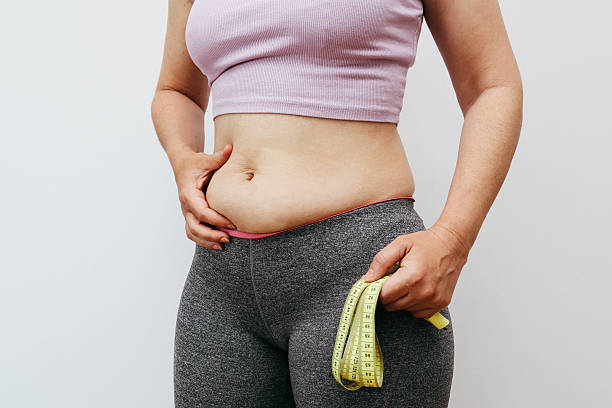
Image: istockphotos
Not all fat is created equal. When we talk about our stomachs, we’re actually dealing with two different types of fat:
Where you store fat is heavily influenced by your genes and your stage of life. For many women, shifts in oestrogen (especially during perimenopause) signal the body to move fat storage from the hips to the belly. It’s a biological shift, not a personal failure.
Ever feel like your stomach is the first place you gain weight and the absolute last place you lose it? There’s a scientific reason for that.
Belly fat cells have a higher amount of alpha-receptors compared to beta-receptors. Without getting too technical, beta-receptors say “burn this for energy,” while alpha-receptors say “hold onto this.” The fat around our midsection is often more resistant to the burn signal.
Then there’s the Cortisol Factor. Cortisol is our stress hormone. When we’re chronically stressed, the kind of stress that leads to everyday thoughts that quietly exhaust you, our bodies stay in survival mode. This state encourages the storage of visceral fat because the body wants to keep energy close to the vital organs just in case of an emergency.

Image: istockphotos
You can’t out-run or out-crunch a diet that keeps your blood sugar on a rollercoaster. To reduce abdominal fat, we have to look at insulin, our fat-storage hormone.

Image: istockphotos
If you want to lose weight in a way that actually lasts, you need to lift heavy. Muscle requires more energy to maintain than fat. By building muscle through strength training, you’re essentially turning up the volume on your metabolism, even while you’re sleeping. You don’t need to be a bodybuilder; two or three sessions a week of bodyweight exercises or dumbbells are enough to see a difference.
Don’t ignore NEAT (Non-Exercise Activity Thermogenesis). This is just a fancy way of saying movement that isn’t the gym. Walking the dog, gardening, or pacing while on the phone can actually burn more energy over the course of a week than a one-hour HIIT class.
Cardio is great for heart health, but we have to be smart about it. Low-Intensity Steady State (LISS): A brisk walk is arguably the best tool for fat loss. It doesn’t spike cortisol levels the way an intense 45-minute sprint might.
The key is balance. If you overdo high-intensity cardio while already feeling exhausted all the time, you might actually make it harder to lose belly fat because you’re keeping your stress hormones too high.
This is the most underrated weight loss tip in existence. If you are sleeping five hours a night, your body is biologically primed to hold onto belly fat.
Lack of sleep does two things:
Combined with high cortisol from a stressful lifestyle, poor sleep is a recipe for fat storage. Managing your stress isn’t a luxury; it’s a metabolic necessity. Sometimes, the most effective thing you can do for your waistline is to go to bed an hour earlier. These habits causing you mental exhaustion are often the same ones keeping your cortisol levels through the roof.
The science of fat loss only works if you actually do it for more than a fortnight. We often fail because we try to be perfect. We go on a diet, get bored or hungry, and then quit. Real fat loss comes from identity-based habits. Instead of saying “I’m on a diet to lose belly fat,” try saying “I’m the type of person who walks for 30 minutes every day.”
Track your progress beyond the scale. The scale can’t tell the difference between fat, muscle, and water weight. Take photos, use a tape measure, and notice how your jeans fit.
Ready to start? Don’t do it all at once. Try this:
Once those feel easy, add in some strength training. It’s about building a wellness routine you’ll actually stick to.
In conclusion, belly fat isn’t a sign that you’re lazy or that your body is broken. It’s often just a reflection of your current hormonal environment and daily habits. Science tells us that by focusing on blood sugar balance, managing stress, and moving our bodies in ways that build muscle, we can reduce abdominal fat in a healthy, sustainable way.
Be patient. Your body didn’t store that fat overnight, and it won’t let it go overnight either. Treat yourself with respect, stay consistent, and remember that health improvements, like better energy and sleep, often show up long before the physical changes in the mirror.
No, spot reduction is a myth. While you can strengthen your abdominal muscles, your body decides where it pulls fat from for energy based on genetics and hormones. You have to lose body fat overall to see a reduction in the belly area.
It’s largely down to hormones. Oestrogen levels, cortisol (stress), and insulin sensitivity all play a role. As we age, especially during menopause, our bodies naturally shift fat storage from the lower body to the midsection.
A mix of strength training (to build metabolism-boosting muscle) and low-intensity cardio (like walking) is best. Strength training helps with insulin sensitivity, which is key for losing visceral fat.
Yes, indirectly. Chronic stress keeps cortisol levels high, which signals the body to store fat deep in the abdomen (visceral fat) as a survival mechanism.
Sustainable fat loss is usually about 0.5kg to 1kg (1–2lbs) per week. Depending on your starting point, it can take several months of consistency to see significant changes in the abdominal area.
Visceral fat (the kind deep in your belly) is linked to higher risks of heart disease and type 2 diabetes because it’s metabolically active and inflammatory. Reducing it can significantly improve your long-term health.