I’ve had a few connections that have made me think, “This is it.” The spark. The fireworks. The butterflies. Everything felt right, the laughter, the late-night conversations, the ease, the shared vulnerability. And then, suddenly, it didn’t. Not in a dramatic way. Just quietly. Slowly.
He became distant. Less present. More private. And that’s usually when the spiral begins, the part I know too well, and maybe you do too. You start replaying every interaction, asking yourself, Did I do something wrong? Scan your memory for the exact moment, the word, the sentence, the second, when everything shifted. You wonder if you said something stupid, crossed an invisible line, or missed a cue you were supposed to catch… all while being slowly ghosted without an explanation. Girl, I’ve been in your shoes, so if you’re asking this, you’re not alone.
Why Pulling Away After Closeness Feels So Painful
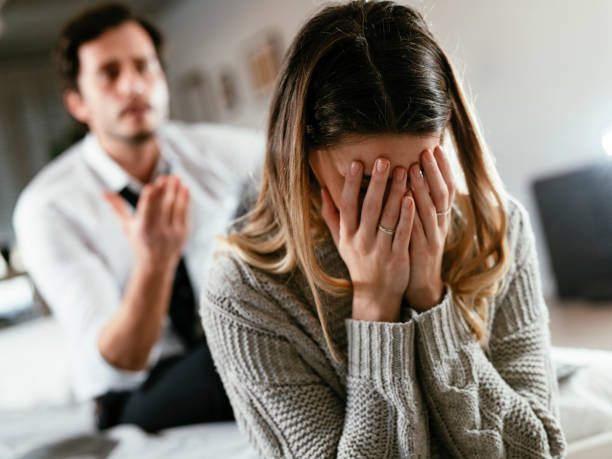
Image: istock
Experiencing emotional withdrawal after closeness is confusing and painful, and it triggers self-doubt very quickly. But first, understand that distance following intimacy reveals more about his inner world than your worth. Research shows that emotional withdrawal, especially in men, is most often associated with internal psychological and emotional factors rather than anything you did. For instance, people frequently cite deep-seated attachment wounds, overwhelm from strong emotions, and fear of vulnerability as reasons for withdrawing from intimacy.
Emotional shifts can be complex, just as the fast-paced changes in the North American innovation landscape often require a period of adjustment for the public. According to psychological research, a lot of men have trouble expressing their emotions because of social conditioning that teaches them to repress their feelings and not be vulnerable. Some research has also looked at situational factors, such as life stress, job pressure, or unresolved personal issues, which can deplete emotional bandwidth and make closeness feel overwhelming.
But in all of these situations, the reaction to those pressures—withdrawing rather than speaking—often results from internal coping mechanisms rather than something you said or did. Why men pull away is rarely personal. So, this article isn’t about how to “fix” it—it’s about understanding, recognizing patterns, and staying on your emotional feet without chasing, analyzing every move, or blaming yourself.
When someone withdraws after you’ve shared closeness, it feels like a sudden disruption of rhythm. Our nervous systems expect continuity after vulnerability. Silence or reduced attention triggers attachment responses, amplifying anxiety. Every unanswered message or delayed reply becomes a personal reflection, even though the shift is about the other person’s internal experience. The loss of emotional rhythm is jarring, and the confusion can feel like a misalignment of reality itself.
What Actually Happens for Some Men After They Get Close
Emotional withdrawal is rarely a calculated “game.” For some men, closeness can trigger intense internal responses:
- Emotional flooding, where feelings overwhelm processing capacity
- Fear of dependency, worrying that the connection may threaten autonomy
- Loss of internal control, uncertainty about how to respond
- Identity threat, confronting parts of themselves they rarely share
- Unfamiliar vulnerability, being unsure how to maintain the connection
Why men pull away after intimacy often comes from navigating these internal processes rather than a lack of interest or investment.
Common Emotional Reasons Men Pull Away After Getting Close

Image: istock
Understanding the emotional drivers helps you separate internal processes from external judgment.
Some common themes include:
- Fear of intimacy, a discomfort with sustained vulnerability
- Emotional overwhelm, where closeness triggers anxious or defensive responses
- Shame after vulnerability, feeling exposed or unworthy
- Conflict between desire and autonomy, wanting connection but fearing dependency
- Old relational conditioning, learned patterns from childhood or past relationships
- Activation of attachment patterns, especially under stress
These responses do not reflect your worth; rather, they provide insights into their current capacity. Emotional withdrawal in men is a behavior, not a verdict, and should be handled as such.
Pulling Away Is About Him, Not You
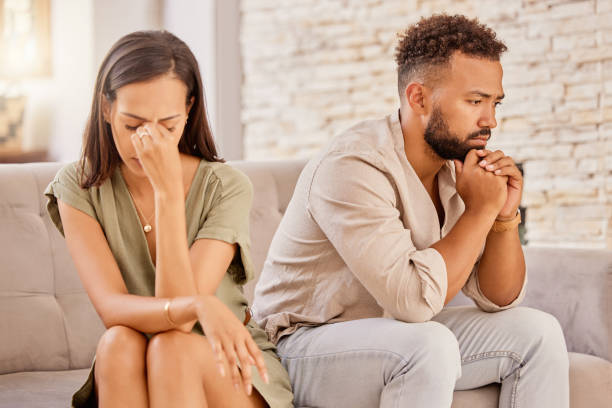
Image: istock
Closeness can paradoxically feel threatening, even when genuine interest exists. Emotional safety may activate fear. Your presence may highlight unresolved internal conflicts. This is why he pulls away emotionally: it’s often about his emotional capacity, not his desire for connection. Recognizing this distinction protects you from unnecessary self-blame and keeps your perspective grounded.
When Pulling Away Signals Low Emotional Availability
We learn more from patterns than from isolated incidents. Recurrent distancing, avoidance of meaningful conversation, or repeated hot-and-cold cycles indicate lower emotional availability. Chronic withdrawal following vulnerability in a relationship is a warning sign for men’s emotional instability.
What Not to Do When Someone Pulls Away
- Don’t over-explain yourself or justify feelings endlessly
- Avoid chasing reassurance or validation
- Don’t perform behaviors to try to regain closeness
- Resist erasing your own emotional needs
- Building stories without observing patterns over time
Your focus is clarity, not persuasion.
How to Respond in a Way That Protects Your Emotional Ground
It is difficult not to overthink, overassimilate, or overcomplicate the situation, but here’s what you can do to protect your peace.
- Prioritize emotional regulation before responding
- Observe behavior over isolated moments
- Use gentle clarity instead of interrogation
- Maintain self-connection and boundaries
- Allow actions to answer your questions
Protecting your inner stability ensures you remain grounded while understanding what the withdrawal communicates.
Questions That Help You Interpret What’s Really Happening
Reflective prompts can help disentangle anxiety from insight:
- Is the distance temporary or patterned?
- Does he return and repair after withdrawal?
- Can he engage in emotional conversation at all?
- How do you feel over time—calmer or smaller?
- Are you approaching the pattern with curiosity or confusion?
These help make sense of sudden distance after closeness without defaulting to self-blame.
Why This Pattern Can Become Addictive

Image: istock
Unpredictable emotional availability can create strong attachment loops. Intermittent reinforcement causes the nervous system to seek connection even more intensely, and hope bonds more strongly than stability.
The confusion increases emotional investment—not because you’re not grounded, but because the pattern stimulates the brain’s reward system. Understanding this allows you to step back without losing perspective.
Concluding, when someone pulls away, it’s information, not a judgment on your worth. Closeness can trigger fear, even when feelings are real. Emotional consistency and repair matter more than perfect timing. Grounded understanding protects your heart far better than strategies or overanalysis. You are allowed to want a connection that doesn’t disappear, and understanding the “why” equips you to maintain emotional steadiness, no matter how the other person navigates intimacy.
FAQs
1. Why do men pull away after getting close?
It often reflects internal emotional processes, not disinterest — fear, overwhelm, or past patterns may be involved.
2. Does pulling away mean he’s not interested?
Not always. Distance can signal processing or discomfort rather than lack of desire.
3. Why do men pull away after intimacy?
Closeness can trigger emotional flooding, fear of vulnerability, or identity threat, prompting temporary withdrawal.
4. How should I respond when he pulls away?
Stay grounded, observe patterns, maintain boundaries, and regulate your own emotions first.
5. Can fear make someone distance themselves?
Absolutely. Fear of intimacy or dependency can prompt withdrawal even in genuinely interested men.
6. Is pulling away a red flag?
It could be. Recurrent avoidance after vulnerability signals lower emotional integration, not your value.
7. Can fear make someone distance themselves?
Absolutely. Fear of intimacy or dependency can prompt withdrawal even in genuinely interested men.

Staff writer at Women Digest covering beauty, fashion, wellness and life.