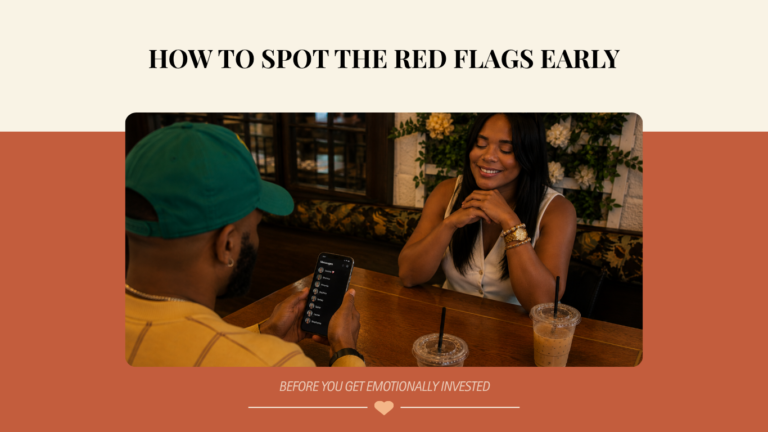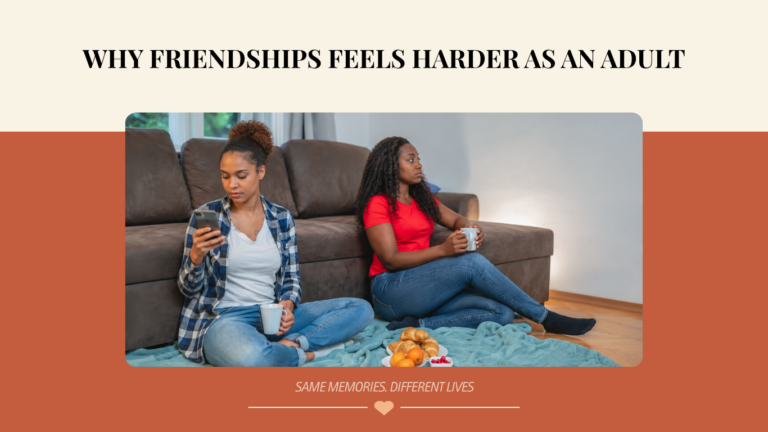
You didn’t plan to feel this much, this soon. Yet here you are, dating someone new and noticing emotional attachment forming faster than expected. Now, before you panic, having feelings just means you’re human, responsive, and wired for connection.
The problem isn’t the feeling itself; it’s the speed at which it latches on to a subject. In this article, you’ll learn practical ways to slow down emotional attachment and understand how to pace emotional attachment, so you can enjoy connection without rushing, set healthy boundaries, stay grounded, and make choices that prioritise your confidence and emotional well-being.
Why Emotional Attachment Forms So Quickly When You Start Dating
The early dating phase can feel intoxicating, and there’s a biological reason for that. According to Havard Health, novelty triggers dopamine, which heightens excitement and anticipation, and oxytocin supports bonding. Your nervous system is doing what it’s designed to do: seeking connection. This is why emotional attachment can start forming before you even decide whether someone is right for you or not.
There’s also the role of projection. In the early stages, the mind naturally fills in gaps with hope, fantasy, and imagined potential. When you’re dating someone new emotional attachment often grows in that space between reality and your imagination. The feelings feel real because they are real; they’re just not grounded in reality. At this point, you’d need to know how to not get attached too quickly to resist the pull of fantasy.
What “Pacing Emotional Attachment” Actually Means
Pacing emotional attachment doesn’t mean holding back, playing uninterested, or pretending you don’t care. Pacing is about regulation; staying present with what you feel without letting those feelings rush ahead of reality. This is the first step in understanding how to not get attached too quickly.
When people talk about wanting to slow down emotional attachment, they often mean they want relief from the anxiety that comes with the intensity. Healthy pacing offers that relief by helping you take your feelings sip by sip, rather than swallowing everything at once. You can feel excited, but still choose to pace a new relationship so you can make a logical decision first.This is what emotional pacing in dating does for you; you’re able to maintain the connection with this other person, albeit tamed, while learning who they are. Frameworks like the Modern Relationship Playbook exist to remind us that healthy connection is built through consistency, not urgency. Pacing lets interest deepen alongside clarity, so attachment grows in proportion to truth, not fantasy.
How to Pace Emotional Attachment in Real Life
When you’re dating someone, new emotional attachment often grows faster than you can get to know them. One way to regulate that is by building rhythm rather than intensity spikes. Go on dates regularly, communicate often, and allow room for them to express themselves, so you can better discern if they are for you or not. This is practically how to not get attached too quickly, because you’ll be too busy gathering information to fall any deeper.
It also helps to keep internal anchors in place. Stay connected to your routines, friendships, and sense of self, so the relationship adds to your life rather than consuming it. Time will tell if the relationship wants to drag you away from these routines or complement you. If you’re unsure what you’re looking for, reflecting alongside resources like Signs You’re in a Healthy Relationship can help make an informed decision based on awareness, and not butterflies.
Signs You May Be Getting Attached Too Fast

Image: Unsplash
There’s no shame in having feelings, but there are signals that show that emotional attachment may be running ahead of reality. Treat these signs like feedback when you notice them:
Your mind feels crowded by them
You notice constant mental preoccupation; replaying conversations you had with them, analysing messages and imagining outcomes. This is often the first sign of getting attached too fast, especially when you have not known them for long.
Your mood hinges on their availability
Their replies lift you, and their silence sinks you. When emotional steadiness depends on contact, it may be time to slow down emotional attachment and practice some emotional regulation.
You’re future-binding early
You start planning months ahead before enough shared experiences exist. It is surprisingly common when dating someone new; emotional attachment becomes so strong that you imagine them in several future scenarios with you.
Curiosity gets replaced by certainty
Instead of learning who they are, you feel sure you already know them. This is where emotional pacing in dating should be strictly implemented.
You’re asking how to manage the feeling, not the connection
If you’re searching for how to not get attached too quickly, it means you still want to get to know them. You just don’t want to catch feelings too soon, too fast.
What Healthy Emotional Pacing Looks Like
Healthy emotional pacing in dating prioritises clarity about their partner over rushing emotions. Here, interest exists without urgency. You don’t feel pressured to define the relationship prematurely. Instead, you allow the connection to reveal itself over time, which naturally helps you pace a new relationship in a way that benefits you long-term.
How to Stay Emotionally Grounded While Dating
Understanding how to stay emotionally grounded while dating means you’d learn to keep your inner world stable even as feelings of excitement or anxiety arise. Some practical ways to do this are:
- Keeping your full life online: Maintain your routines, friendships, and hobbies so your world doesn’t shrink because of the relationship.
- Emotional check-ins with self: Pause to ask, “What am I feeling? What does this moment really mean?”
- Naming feelings without feeding stories: Acknowledge attraction, worry, or longing without building elaborate “what if” narratives.
- Slowing meaning-making: Allow actions to accumulate before assigning significance.
- Building emotional objectivity: Notice patterns without judging yourself or the other person.
Resources like How Do I Build A Healthy Relationship can show you how to remain emotionally grounded, until you’re sure the relationship is good for you both.
Emotional Boundaries That Support Healthy Attachment

Image: Unsplash
You should carry on with your life and personal interests, so that your identity isn’t consumed by the relationship. These boundaries allow excitement and closeness to coexist with clarity, giving space for curiosity and meaningful reflection.
Early dating emotional boundaries are also very necessary, because it helps you pace vulnerability; sharing gradually and letting trust build naturally rather than rushing to reveal everything at once. If you don’t know what to talk about on a date without spilling all your tea, check out this guide: What To Talk About On A First Date To Build A Real Connection. By practicing these habits, emotional attachment grows steadily, grounded in reality rather than fantasy or anxiety.
When Fast Attachment Is a Pattern, Not a Person
Sometimes, attaching quickly isn’t about the new person; it’s a pattern your nervous system follows. Repeatedly finding yourself intensely emotionally entangled at the start of every relationship can point to unresolved emotional needs rather than genuine alignment. This is where understanding emotional attachment beyond chemistry becomes vital.
People who experience this pattern often struggle to differentiate between emotional hunger and emotional availability. According to Frontiers In Psychology, Emotional hunger arises from a sense of incompleteness, causing one to seek constant validation. In contrast, someone who is emotionally available connects without expecting the other to fill a void. Recognising this difference helps prevent repeating cycles that leave both partners overwhelmed or confused.
According to Psychology Today, attachment styles also shape how fast connection occurs. Those with anxious tendencies may fuse too quickly, while avoidant styles can create push-pull dynamics that intensify early attraction. Trauma bonding and novelty-seeking loops can also amplify fast attachment, giving the illusion of intense compatibility where stability is missing.The goal isn’t to suppress feelings but to slow down emotional attachment and pace a new relationship in a way that balances excitement with clarity.
Questions That Help You Pace Without Suppressing
When emotions feel intense, asking gentle questions can guide your pace without shutting down connection. This is how not to get attached too quickly; start with asking yourself: “Am I responding to reality or to fantasy?” This helps you notice when getting attached too fast is driven by projection rather than alignment.
Ask yourself: “What do I actually know versus what am I imagining?” This allows you to make meaning of the connection, even amidst feelings of interest and excitement. Also, check in after time together: “How do I feel when we part?” This helps you differentiate between how they actually treat you, from how you think they should treat you.
In conclusion, attraction is human, and pacing is divine. Practising how to pace emotional attachment and keeping to early dating emotional boundaries helps you stay grounded in reality so you don’t make romantic blunders. This article details how to stay emotionally grounded while dating, so that you discern the right connection for you from the rest.
FAQs
1. How do you pace emotional attachment when dating?
Notice how you feel after time together, separate excitement from certainty, and give actions time to accumulate before assigning meaning.
2. How do I stop getting emotionally attached too fast?
Check in on your routines, practice self-reflection, and slow down emotional pacing in dating.
3. Is it bad to get attached early in dating?
Not inherently. Fast attachment is natural, but patterns matter. Reflect on whether it’s curiosity, alignment, or emotional hunger.
4. How do I stay grounded when I really like someone?
Maintain routines, friendships, and emotional check-ins so connection adds to your life rather than consuming it.

Staff writer at Women Digest covering beauty, fashion, wellness and life.