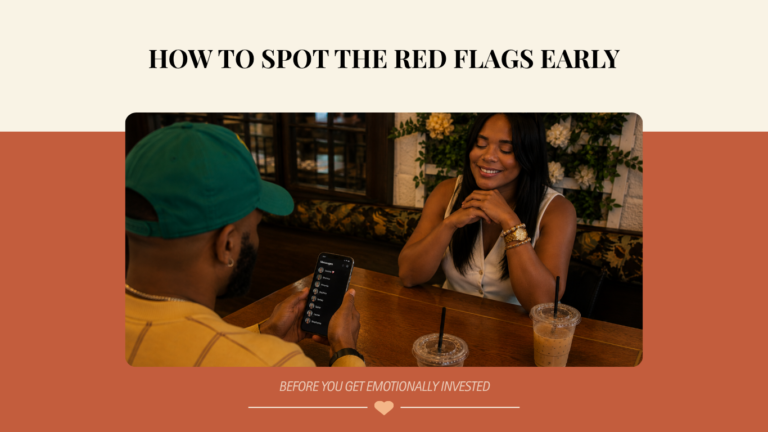
Think of the number of times you have come across anonymous messages on Facebook, Instagram, Reddit, Quora, and TikTok, where a woman is seeking advice to fix her relationship. It often starts with “Please Hide my Identity” and then followed by tales of a relationship that leaves her in a constant state of uncertainty, insecurity, unease, or unworthiness.
If you have ever found yourself quietly wondering, ‘What does a healthy relationship look like?, you’re not alone. The truth is that this is the reality of thousands of women in the dating pool globally. This article is here to help you shut out that noise. We will walk you through the signs of a healthy relationship, the qualities that often go unnoticed, and what makes a relationship healthy in real, everyday life, not just in theory. How about we dive right in?
What Does a Healthy Relationship Look Like?

Image: Pixabay
At its core, what a healthy relationship looks like is less about perfection and more about how you feel within it. A healthy relationship is not one where everything goes right all the time or looks picture-perfect. It is one where you feel the peace that an emotionally safe relationship brings. The common parlance translates this to “an ease that makes you glow differently?’’ It may sound cliché, yet true.
One of the most evident signs of a healthy relationship is how it feels in your body and mind. You can relax and speak honestly. You don’t feel smaller for having needs. You’re allowed to be yourself without fear of rejection or punishment. That emotional steadiness matters more than grand gestures.
Healthy relationships also leave room for imperfection. Disagreements happen. Moods shift. Life gets stressful. What defines the qualities of a healthy relationship is how those moments are handled.
Signs You’re in a Healthy Relationship

Image: Pixabay
You feel emotionally safe being yourself
One strong quality of a healthy relationship is emotional safety. Where you don’t feel the need to perform, shrink yourself, or constantly filter your thoughts. You can show up as you are, tired, unsure, imperfect, and still feel accepted.
Communication feels respectful, even during disagreements
Healthy communication doesn’t mean you never argue. It means disagreements don’t feel threatening. Your voices may rise, and emotions may flare, but there is still respect. You are listened to, not dismissed. This is a key part of what makes a relationship healthy; conflict rarely turns into a war zone or a battle of wills.
You Are Supported, Not Controlled
Support looks like encouragement, not restriction. Your partner should want you to grow, try new things, and succeed, even if it doesn’t directly benefit them. They don’t monitor your movements and negotiate your choices into a compromise.
Trust Exists Without Constant Reassurance
In a healthy relationship, trust grows over time because both people act consistently. You don’t need to keep proving your loyalty or explaining your intentions. You also don’t feel worried if your partner doesn’t reply right away. This calm sense of trust is a clear sign of a healthy relationship in real life.
Independence is Encouraged, Not Punished
You’re allowed a life outside the relationship: friends, interests, and alone time, without tension or accusations. Independence doesn’t create distance, as long as you know the ropes of Balancing Independence in a Relationship. Many signs of a healthy relationship show up here, especially when individual activity doesn’t lead to conflict.
Effort is Mutual, Not One-sided
You’re not the only one initiating conversations, planning time together, or resolving issues. Both people show up. Both try. This balance is central to what makes a relationship healthy, because love isn’t sustained by one person carrying all the emotional weight.
Conflict Leads to Understanding, Not Fear
After disagreements, there’s repair. Apologies happen. Clarifications are made. You feel closer, not more distant. A defining quality of a healthy relationship is that conflict ends with reassurance, not lingering anxiety. You leave knowing you are still loved and valued.
Taken together, these everyday behaviours paint a much clearer picture of what a healthy relationship looks like: not dramatic, not perfect, but emotionally secure, consistent, and kind.
Qualities of a Healthy Relationship That Often Go Unnoticed

Image: Pixabay
When people imagine what a healthy relationship looks like, they often picture unending passion and constant excitement. What is easy to miss is that many of the strongest qualities of a healthy relationship are quiet. They do not demand attention, but they create emotional steadiness over time.
Calm over chaos is one of the most overlooked signs. Healthy love often feels peaceful, not adrenaline-fueled. There aren’t constant emotional highs and lows or a sense of waiting for the other shoe to drop. Many women mistake this calm for boredom, especially if past relationships were unpredictable. In reality, this calm is a sign of emotional safety and stability, both of which are core to a healthy relationship.
Consistency over intensity matters more than grand gestures. Someone who shows up reliably, keeps their word, and treats you the same on ordinary days as special ones is showing you care in a sustainable way. This is a quiet yet powerful answer to the question of what makes a relationship healthy.
Repair after conflict is another subtle marker. Disagreements happen, but they do not linger unresolved. There is an effort to talk things through, apologise when needed, and reconnect emotionally. The relationship doesn’t feel fragile after conflict. This repair process is one of the clearest signs of a good relationship, even though it’s rarely dramatic.
Finally, accountability without defensiveness sets healthy dynamics apart. When something hurts you, your partner doesn’t immediately deflect, minimise, or counterattack. They’re willing to reflect and adjust, even if it’s uncomfortable. This willingness to take responsibility is one of the most important qualities of a healthy relationship, yet it’s often unnoticed until it’s missing.
Together, these quieter traits shape a realistic, grounded picture of what a healthy relationship looks like in everyday life.
Healthy vs Unhealthy Relationships—Key Differences
If you’re unsure how to answer the question, Whatdoes a healthy relationship look like? Comparing healthy and unhealthy dynamics side by side can help you better discern the Red Flags in a Relationship. Many relationships fall into a grey area that feels “not bad,” but still costs you emotionally.
In a healthy relationship:
- You feel emotionally safe, not anxious or on edge
- Communication is open, even when conversations are uncomfortable.
- Conflict ends in understanding and resolution.
- Independence is respected without guilt or punishment.t
In an unhealthy relationship:
- You often feel confused, tense, or unsure where you stand
- Issues are avoided, dismissed, or turned into blame.
- One person carries most of the emotional loa.d
- Independence is met with control, guilt, or suspicion
Can a Relationship Be Healthy Even If It’s Not Perfect?
A common fear many women have is this: if there are issues, it must not be healthy. But what does a healthy relationship look like in real life? It is rarely perfect:
- Healthy relationships still include misunderstandings, stress, and emotional missteps. What matters more is how those moments are handled over time.
- In healthy relationships, conflict becomes a place for learning, not fear. Both people remain open, even when conversations feel uncomfortable.
- Normal challenges often look like miscommunication, tired reactions, or emotional triggers. These moments are followed by reflection, repair, and reassurance.
Growth requires accountability, not perfection. Accountability is one of the overlooked qualities of a healthy relationship.
Concluding, the clearest signs of a healthy relationship often show up in everyday moments. Understand that this reflection is not about judging your partner or yourself. It’s about noticing patterns and understanding what makes a relationship healthy for you.
If this article resonated with you, explore more of the following inside The Modern Relationship Playbook, so that you can be more grounded in what makes relationships work.
FAQ’s
What are the biggest signs of a healthy relationship?
Emotional safety, mutual effort, respect, and consistent care.
How do you know if a relationship is healthy or just comfortable?
If emotional connection and vulnerability are not mutual, the relationship may likely be comfortable but not healthy.
Can a healthy relationship still have arguments?
Yes. However, conflict is always healthy, and this leads to understanding, not fear.
What makes a relationship unhealthy over time?
Repeated dismissal, lack of healthy resolution, and emotional neglect often erode connection.

Staff writer at Women Digest covering beauty, fashion, wellness and life.