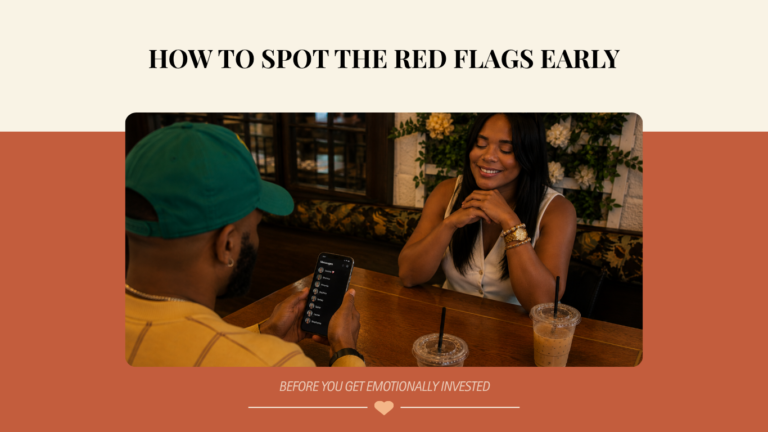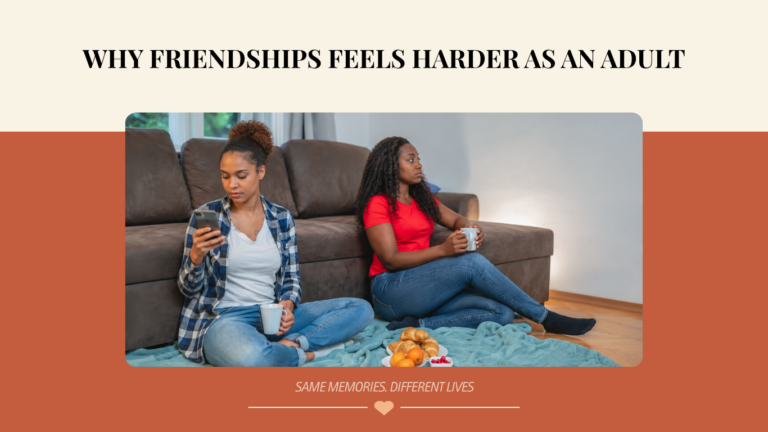
This relationship guide exists because modern relationships feel confusing and fragile. Many women want clarity about love, commitment, boundaries, and connection but receive mixed messages everywhere. This guide offers a grounded perspective, not trends, helping you understand healthy relationships better.
Let’s walk you through dating, emotional connection, conflict, and long-term growth. You’ll learn what healthy love actually looks like, why relationship problems happen, and what truly sustains connection over time. It offers relationship advice for women navigating different relationship stages while sharing practical relationship tips that support clarity, trust, and emotional stability, not confusion.
What Is a Healthy Relationship?

Image: Unsplash
A healthy relationship is not about perfection, constant happiness, or never disagreeing. At its core, it’s about emotional safety, mutual respect, and the willingness to grow together. This relationship guide defines healthy love as something that feels steady, supportive, and grounded, not confusing or anxiety-inducing. In truly healthy relationships, both people feel seen, valued, and respected as individuals.
Core Qualities of Healthy Relationships
Strong, healthy relationships share a few consistent qualities. There is mutual respect, where both partners honour each other’s boundaries and perspectives. There is trust, built through consistent behavior rather than constant reassurance.
Communication is open, even when conversations feel uncomfortable. Accountability exists without defensiveness. These qualities reduce recurring relationship problems and create emotional stability.
A healthy dynamic also allows space for individuality. You don’t lose yourself to keep the relationship. Independence is encouraged rather than threatened. This balance is one of the most overlooked relationship tips, yet it’s essential for long-term connection.
What Healthy Love Feels Like Emotionally
Emotionally, healthy love feels calm, not chaotic. You feel secure expressing your thoughts without fear of punishment or withdrawal. Disagreements don’t threaten the relationship’s existence. Instead, conflict becomes a way to understand each other better. That emotional safety is what allows love to deepen across different relationship stages.
If you want a clearer breakdown of real-life signs, explore Signs You’re in a Healthy Relationship for practical examples. This relationship guide exists to help you recognise healthy love early, especially within modern relationships, where clarity is often missing.
Common Relationship Problems Women Face

Image: Istockphoto
Many relationship problems don’t start dramatically. They build quietly over time, often leaving women confused about what’s wrong. This relationship guide addresses common challenges women face in modern relationships, especially when emotional needs go unmet or boundaries remain unclear.
Emotional Disconnection
Emotional disconnection is one of the most common relationship problems women experience. You may feel cared for practically, yet emotionally shut off. Conversations stay surface-level, and deeper sharing feels one-sided. This often happens when a partner struggles with emotional availability or vulnerability. Over time, this gap can erode trust and intimacy, even in otherwise stable, healthy relationships.
Poor Communication
Poor communication isn’t just about arguments. It’s about feeling unheard or misunderstood. Many women over-explain, soften their needs, or avoid conflict to keep the peace. This creates resentment and confusion. Clear, respectful communication is one of the most important relationship tips, yet it’s often missing. Without it, small misunderstandings grow into recurring relationship problems.
Boundary Issues
Boundary issues show up when roles are unclear or expectations go unspoken. Women often overgive, tolerate behavior that hurts them, or avoid defining the relationship early. In modern relationships, this can look like emotional closeness without commitment.
But boundaries are not walls. They are guidelines that show people how to treat you. Healthy boundaries protect emotional well-being and support long-term healthy relationships.
This relationship guide encourages women to recognize these patterns early enough. Awareness is the first step toward healthier choices, stronger connections, and better outcomes across all relationship stages.
Signs of Unhealthy or Toxic Relationships

Not all unhealthy dynamics are obvious at first. Some relationship problems feel subtle and confusing, especially in modern relationships where mixed signals are normalized. This part of the relationship guide helps you recognize when something isn’t just “a rough patch” but an issue underlying the shaky foundation of that relationship.
Subtle Emotional Red Flags
Subtle red flags in your relationship often get dismissed because nothing feels “bad enough.” You may notice you’re walking on eggshells, overthinking your words, or constantly adjusting yourself to avoid tension. Your needs feel inconvenient, or your feelings are minimized. These patterns slowly erode trust and self-confidence.
In many cases, all looks fine on the surface. But emotionally, you feel anxious and unseen. Healthy partners don’t make you feel small for having needs. If you regularly question your reactions or feel guilty for speaking up, that’s a sign that something is off. These are early indicators of unhealthy dynamics within modern relationships.
When Conflict Becomes Harmful
Conflict is normal in healthy relationships, but it becomes harmful when it feels unsafe. Harmful conflict includes stonewalling, silent treatment, explosive anger, manipulation, or repeated blame-shifting. Instead of resolution, disagreements leave you drained, fearful, or emotionally shut down.
If you’re unsure where your experience falls, Is My Relationship Toxic? offers deeper insight into recognising unhealthy patterns with clarity and compassion. This relationship guide isn’t about labels. It’s about helping you notice when a relationship consistently harms your emotional safety so you can respond accordingly.
Dating and Building Connection

Image: Unplash
Dating can feel exciting and confusing at the same time, especially within modern relationships where expectations are often unclear. This part of the relationship guide focuses on how real connection forms, beyond chemistry, mind games, or surface-level attraction.
Emotional Attraction vs Surface Chemistry
Surface chemistry is instant. Emotional attraction builds slowly. Chemistry feels like sparks, intensity, and excitement. Emotional attraction feels like safety, curiosity, and ease. Many relationship problems begin when surface chemistry is mistaken for compatibility.
Emotional attraction grows when you feel seen, respected, and understood. It shows up in how someone listens, responds, and considers your feelings. In healthy relationships, attraction deepens through trust and consistency, not emotional highs alone. This is why long-term connection depends less on instant sparks and more on emotional presence. For women navigating dating, this distinction matters. Much of the most grounded relationship advice for women centres on noticing how someone treats you over time, not how intense the beginning feels.
First-Date Conversations That Build Connection
Connection starts with curiosity, not performance. First dates work best when conversation flows naturally and feels mutual. Asking thoughtful questions, listening closely, and responding with interest creates comfort and openness. Instead of trying to impress, focus on understanding who they are. This approach sets the foundation for healthy relationships and helps you avoid unnecessary confusion later. Shared laughter, attentive listening, and ease are stronger indicators than rehearsed charm.
If you want deeper guidance on how to navigate early conversations, What to Talk About on a First Date to Build Connection explores how meaningful dialogue creates emotional safety from the start. Within this relationship guide, dating isn’t about getting it “right.” It’s about learning how connection actually forms so you can move through different relationship stages with clarity and confidence.
Boundaries, Communication, and Trust

Image: Unsplash
Strong, healthy relationships are built on clear boundaries, honest communication, and mutual trust. This section of the relationship guide focuses on how these elements protect connection, not limit it. Many relationship problems grow when boundaries or communication are unclear. Realize that boundaries are not walls. They are guidelines for respect. Communication is not about winning. It is about understanding.
Setting Boundaries Without Guilt
Boundaries teach people how to treat you. They protect your emotional safety and self-respect. Many women struggle here, especially in modern relationships where overgiving is normalised.
Setting boundaries does not make you difficult. It makes you clear. You are allowed to say no without overexplaining. You are allowed to express discomfort without apologizing for it.
Healthy boundaries sound calm, not defensive. They are stated early and reinforced gently. In healthy relationships, boundaries are respected, not challenged repeatedly. When someone ignores your boundaries, it reveals important information about how they value you.
Much practical relationship advice for women comes down to this. The right person will not push you to violate your boundaries.
Communication Habits in Strong Relationships
Good communication focuses on clarity and emotional regulation. Strong partners speak honestly without attacking each other or withdrawing. They listen to understand, not to respond. They address issues early, before resentment builds. These habits reduce recurring relationship problems and build long-term trust.
In this relationship guide, communication is seen as a shared responsibility. It evolves across different relationship stages, adapting as intimacy deepens.
When Love Isn’t Enough
Sometimes, even deep love cannot sustain a relationship. Understanding why requires emotional clarity and self-awareness. This part of the relationship guide explains how to recognise when love alone isn’t enough and how to navigate transitions gracefully.
Outgrowing a Relationship
People evolve, and sometimes partners grow in different directions. This does not mean failure; it means priorities, values, or life goals are no longer aligned. Staying in a relationship without alignment can cause frustration, resentment, and emotional stagnation.
In modern relationships, overemphasis on self-interest can cause partners to outgrow each other. They no longer sync at this point, making it harder to maintain a connection.
Letting Go While Still Loving Someone
Letting go doesn’t erase your love or the pain you feel. You can grieve while recognizing that leaving a situation that tears you down is the right choice. Focus on rebuilding yourself, honoring your feelings, and protecting your well-being.
Practical relationship advice for women often highlights that moving forward is an act of strength, and that the emotional ache you feel is not a sign of weakness.
For deeper guidance on this process, refer to How to Let Go of Someone You Still Love, which offers strategies for transitioning gracefully even while grieving lost love. Recognising when love isn’t enough is a critical step in healthy relationships, and when you have let go of situations that build you, it paves the way for eventual fulfillment.
Concluding, navigating love and partnerships can feel overwhelming, but a clear relationship guide helps you approach relationships with confidence and emotional clarity. Healthy relationships are built on aligned values, trust, and mutual respect, not just chemistry or feelings. Empowered with knowledge, you can create partnerships that support both love and personal growth. Remember, love is important, but emotional maturity, aligned values, and shared purpose are what sustain strong connections.
Use this guide to make informed choices, nurture meaningful connections, and confidently navigate the modern dating pool.
FAQs
1. What is the best relationship advice for women?
Focus on consistency, emotional maturity, and aligned values in choosing a partner.
2. What makes a relationship healthy?
Mutual respect, trust, open communication, emotional support, and shared values form the foundation.
3. Why are relationships so difficult today?
Self-focus, social media expectations, avoidant behaviors, and unclear boundaries make modern relationships fragile.

Staff writer at Women Digest covering beauty, fashion, wellness and life.