
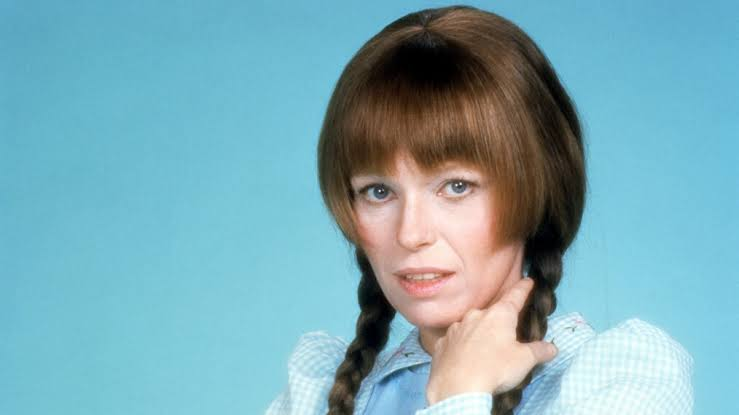
Acclaimed actress Louise Lasser passed away on July 6, 2026, at her New York residence at the age of 87. While her name may not instantly ring a bell for every modern television viewer, the screen presence and acting talent of Louise Lasser created an artistic ripple effect that creators still feel across today’s entertainment landscape.
Because of Louise Lasser, streaming platforms now grant writers the creative freedom to construct flawed, eccentric, and complex female leads. Louise Lasser proved to network executives that a woman could anchor a massive hit series by being genuinely funny, vulnerable, and relatable.
Losing Louise Lasser in 2026 marks the loss of a truly rare creative voice. She was far more than an actress memorizing lines—she was a visionary artist who shaped mid-century television and fundamentally transformed how the public perceived women on screen.
The Breakthrough of Mary Hartman, Mary Hartman
To understand the impact of Louise Lasser’s obituary, we go back to 1976. Together with Creator Norman Lear, Lasser starred in Mary Hartman, Mary Hartman, a late-night sitcom that lampooned daytime soap operas and skewered American consumerism.
Lasser’s character was Mary Hartman, an Ohio housewife, pigtailed and troubled by the strange quirks of everyday life. Meanwhile, her neighbors and relatives were facing some weird murderous events, Mary was preoccupied with trivial household matters like cleaning her kitchen floor.
It was an exhausting five nights a week in daily TV reruns and required a lot of concentration. The series worked thanks to Lasser’s effort. She embodied the role with a seriousness and an almost hesitant vibe that was both authentic and distinctive.
In one of Mary’s most iconic moments, in which she suffers a nervous breakdown on a fictional talk show, Lasser delivered one the most disturbing moments you’ll find in one of the most funny scenes ever. This was a brave performance that won her an Emmy nomination and put her among one of the most memorable of Mary Hartman, Mary Hartman actresses.
Lasser’s private life and early career was often a matter of public focus, beyond her signature show. In the late 1960s she was briefly married to director Woody Allen and has featured in some of his early comedies such as Take the Money, and Run and Bananas. Those movies are part of her story, but Lasser was always a talented performer, developing her work on her own terms.
Recommended Reading
- Immigration & Human Rights: Lorenzo Salgado Araujo ICE Shooting 2026: Why This Death Demands Immigration Reform
How Louise Lasser Redefined Women in Comedy History
TV in the 1970s was very limited. The stereotypical sitcom character in the role of woman was either a clean, domestic housewife or merely a target for a punch-line. There were few opportunities for female characters whose internal lives were confused or upset or for a woman who was explicitly in turmoil.
That changed all that with Lasser. When it comes to the history of comedy, her comedy is distinctive, in the sense that she didn’t make her character comfortable to the audience. She wasn’t a d a traditional heroine. She made comedy feel real and emotional, demonstrating that laughter could be derived from genuine pain and the truth.
This way, generations of female writers, directors and actors came after her who wanted to develop characters who were flawed and real.
Toward the end of her career, Lasser got a chance to make a full circle return to non-traditional television, appearing in HBO’s Girls as a reclusive artist.
Practical Lessons for Women Navigating Creative Work Today
Louise Lasser’s work offers lessons for many creatives today on how to navigate work environments that are not necessarily made for women.
1. You don’t have to be simple to be effective
Many women in creative industries are pressured to submit work that is neat or categorized. Lasser’s success was based on her willingness to be different and complex. It’s often more memorable to work with authenticity and on something that’s true to your point of view than to work in a defined box that’s not really who you are.
2. To ensure energy protection in high-demand areas
The daily filming schedule stressed Laser out, so she left the show after two seasons. It is vital to maintain a sustainable career in creative professions by understanding the need to take a break and care for your mental health. When work demands become overwhelming, a clear limit is the key to longevity.
Remembering Louise Lasser: A Unique Artistic Talent
Louise Lasser’s passing is a sad loss for television history. She wasn’t in it for the big break; she was in it for the challenge and the unconventional story. She established that one could be messy and funny and be vulnerable and unforgettable as a woman on television.
She lives on in the hearts of female artists who refuse to bend to the crowd’s will and tell original, unapologetic stories today.
Enjoyed this story? For cultural commentary and career advice, subscribe to the Women Digest newsletter.
UP NEXT:Governance & Accountability: Darius Ishaku Trial 2026: How Stolen Public Funds Hurt Women and Children in Taraba

Staff writer at Women Digest covering beauty, fashion, wellness and life.