There is a different kind of tiredness many women carry now. It’s really the kind that sleeping alone does not fix. You can be getting through your days, answering messages, and doing what needs to be done and still feel mentally crowded, emotionally flat, or quietly on edge.
For a lot of other women, constant phone use sits at the center of this feeling. Not in an obvious, dramatic way, but in that slow, accumulative one. We work on our phones; we connect, unwind, compare, support others, and escape, all on our phones and often all within the same hour. Over time, that constant pull shapes women’s mental health in ways that are subtle but powerful
What Constant Phone Use Really Looks Like Today
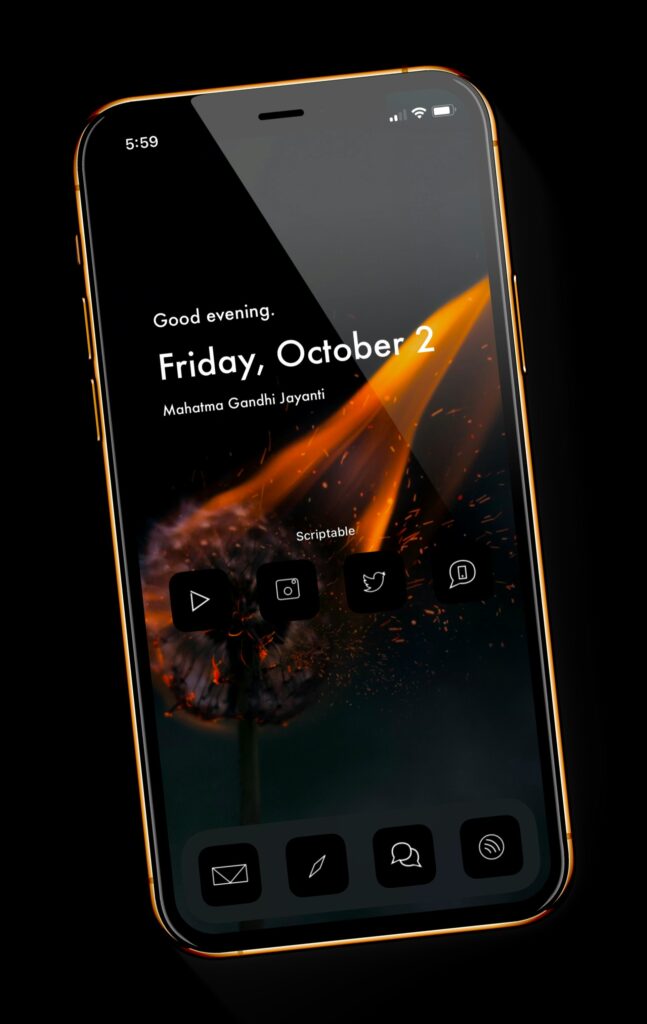
Image: Unsplash
Constant phone use doesn’t usually look like addiction. It disguises itself as a habit. It’s checking your mobile before your feet hit the floor in the morning. Opening an app without thinking while the kettle boils. It’s replying to messages when you’re meant to be resting or scrolling because the room feels too quiet. The moments between things, waiting, sitting, and pausing, no longer exist the way they used to.
Even when your phone isn’t in your hand, it often has your attention. You’re half-sitting for a buzz. Half-aware of unanswered messages. Half-ready to respond. Over time, your mind stops settling fully anywhere. That constant background engagement is where many emotional shifts quietly begin.
Why Women Are Especially Affected

Image: Unsplash
Women don’t just use their phones. They manage emotional space through them. Phones hold family conversations, friendship maintenance, work coordination, emotional support, and social visibility. Many women feel an unspoken responsibility to stay responsive, warm, available, and organized. There’s pressure to reply quickly, to remember, to care. Even social media adds another layer. Women are consistently exposed to polished versions of other people’s lives, bodies, homes, and relationships. Even when you know it isn’t real life, somehow it makes you believe everything you see online.
This happens, sometimes, unconsciously, leaving an imprint on your mind. The phone becomes a place where comparison, expectation, and emotional labor overlap. This combination weighs heavily on mental health. From replying to messages to remembering important dates and staying connected across multiple platforms, there’s often an unspoken expectation to keep relationships “running,” which can become mentally exhausting.
Women are often expected to juggle multiple roles: work, home, and social life while staying digitally connected. Phones can intensify this pressure, making it harder to truly rest or switch off.
What Your Phone Is Doing To You

Image: Unsplash
You’re always on your phone, thinking that you’re just using your phone. You may have to think again. The phone in your hands may just be taking from you more than you ever bargained for.
Your anxiety is increasing, causing you mental restlessness
Constant phone use keeps the nervous system slightly switched on all the time. Our nervous system was never designed for constant input. Constant exposure to your phones might seem harmless and fun, but it has high cognitive costs.
Those notifications you get train your brain to stay alert. Even without them, there’s an anticipation that something might need your attention at any moment. This makes it harder to relax properly. Rest starts to feel restless.
For many women, this doesn’t show up as obvious anxiety. It feels like tension in the body, difficulty concentrating, or an inability to fully switch off. Silence becomes uncomfortable. Doing one thing at a time feels strangely difficult. Over time, your system forgets what being calm actually feels like.
It is shifting your mood and emotional sensitivity
A lot of women notice their mood changing after time on their phones, even if they can’t immediately explain why. Scrolling can leave you feeling flat, irritable, or low. Moments of validation, likes, replies, and reassurance create brief emotional lifts that fade quickly. What’s left is often a quiet sense of dissatisfaction that pulls you back for more.
At the same time, constant comparison chips away at emotional stability. You know, they say that comparison is the thief of joy. You start measuring without meaning to. Your mood becomes more reactive. Small things feel heavier. Emotional resilience thins, not because you’re weak, but because your emotions are being stretched in too many directions.
Your Phone is Nibbling Away at your focus and mental clarity
Your brain needs uninterrupted time to think clearly. Constant phone use makes that almost impossible. Every check, message, or scroll forces your attention to reset. All these micro-interruptions may not feel significant at the moment, but they are adding up. Many women describe feeling mentally scattered, forgetful, or unable to focus deeply, even when life isn’t especially chaotic.
When thinking becomes harder, your confidence is also affected. You start doubting your clarity, your memory, your ability to cope. Mental fog doesn’t just affect productivity; it affects how grounded you feel in yourself.
Your Sleep and Recovery are Disrupted
Phones interfere with rest in ways that go beyond screen light. Night-time scrolling keeps your mind emotionally engaged when it should be winding down. You absorb information, comparisons, and unfinished conversations right before sleep. Hence, your body may be still, but your nervous system isn’t.
The result of this is lighter sleep and poorer recovery. The next day, your patience wears thin more quickly. You’ll suddenly get anxious very easily. Everything takes a little more effort. Over time, exhaustion becomes emotional as well as physical.
Constant Phone Use is Changing Your Identity and Self-Perception
When attention is constantly pulled outward, it quietly reshapes how you see yourself. Repeated exposure to idealized lives can distort self-image, even if you consciously reject it. Self-worth starts to lean on productivity, appearance, or responses from others. Slowly, validation becomes external.
At the same time, constant engagement leaves little space to check in with yourself. You stop noticing what you actually feel or need. This isn’t sudden. It happens slowly, through distraction, until emotional disconnection feels normal.
How This Impacts Daily Well-being
Constant notifications, messages, and the pressure to stay updated can keep your mind in a state of alert. This makes it harder to relax and can gradually increase stress and anxiety. When you’re frequently checking your phone during conversations or shared moments, it creates distance. Even when you’re physically present, your attention is divided, which can weaken real-life connections. Endless scrolling on apps like Instagram or TikTok can consume time and energy, leaving you feeling unproductive and less motivated to focus on meaningful tasks.
Being constantly exposed to information, opinions, and curated lifestyles online can be mentally overwhelming, leading to burnout without you even realizing it. Frequent comparison with others on social media platforms like Facebook can make you question your progress, appearance, or lifestyle, gradually affecting your self-esteem.
Signs Your Phone Use May Be Affecting Your Mental Health
You don’t need extreme symptoms for phone use to be taking a toll. Common signs include:
- Reaching for your phone automatically during pauses
- Feeling uneasy when you’re offline
- Noticing a low mood after scrolling
- Struggling to concentrate or think clearly
- Sleeping poorly or waking up tired
These aren’t failures, not shaming or weaknesses. They’re signals you need to pay attention to.
Gentle Ways to Protect Your Mental Health
Protecting women’s mental health doesn’t mean giving up your phone. Small changes matter. Turning off non-essential notifications gives your nervous system space. Creating phone-free moments in mornings, meals, and evenings helps your mind settle again.
Intentional scrolling means paying attention to how content makes you feel and responding with care. Regular emotional check-ins bring awareness back inward. Time spent offline, without stimulation, allows your system to recover.
Building a Healthier Relationship With Your Phone
A healthier relationship with your phone is built on awareness, not rules. Curate your digital environment. Set realistic expectations around responsiveness. Protect rest as something essential, not optional. When routines support presence and recovery, mental health benefits follow. Your phone can still be part of your life, just not the thing that quietly runs it.
In conclusion, constant phone use shapes women’s mental health in ways that are easy to miss and hard to ignore once you see them. Anxiety, emotional fatigue, reduced focus, and shifting self-perception don’t appear overnight; they build slowly. The good news is that awareness restores choice. Gentle, consistent boundaries create space for clarity, calm, and emotional balance to return. This isn’t about doing things perfectly. It’s about paying attention and giving your mind the care it’s been quietly asking for.

Staff writer at Women Digest covering beauty, fashion, wellness and life.