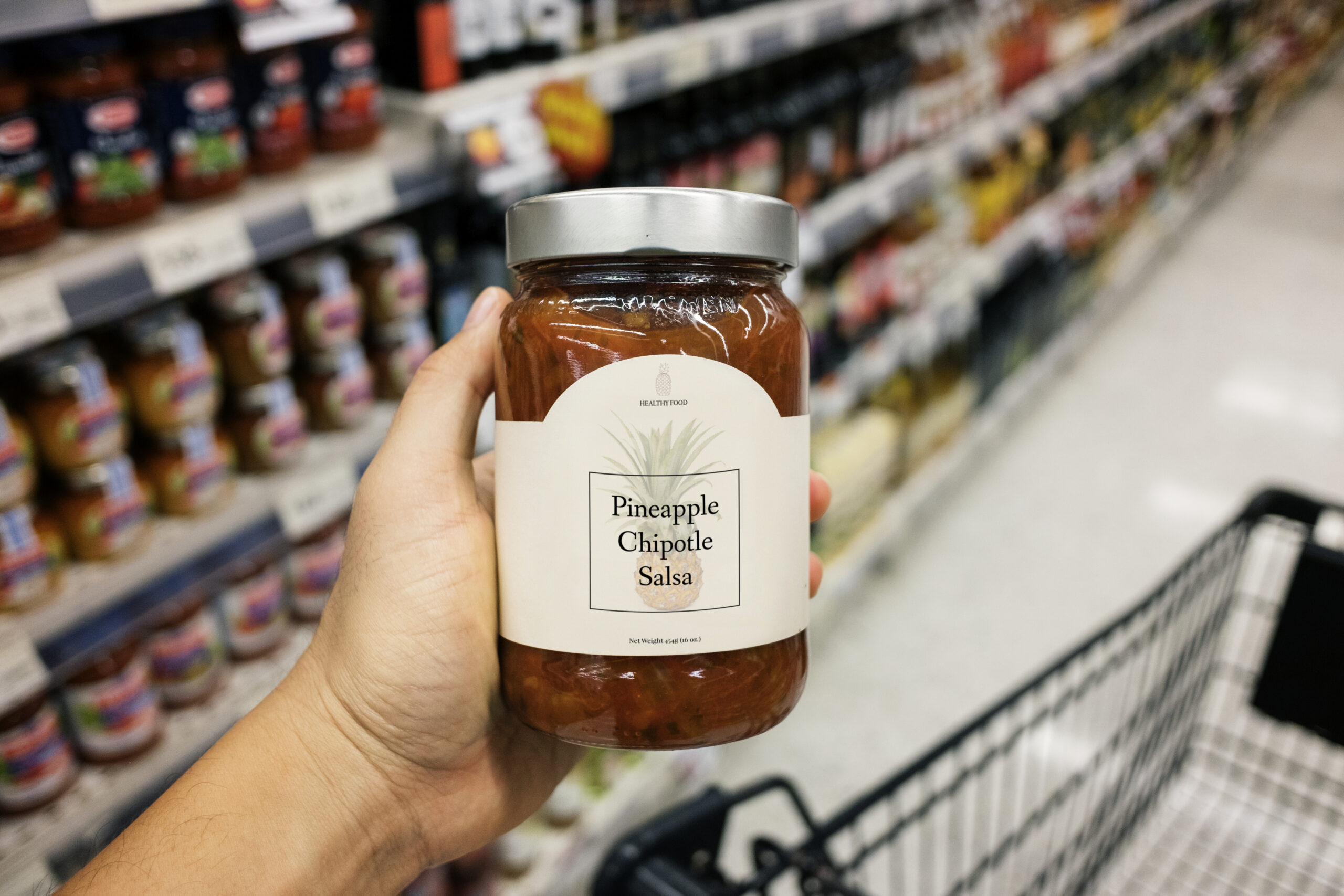
Nutrition labels can be hard to read because they have small print, numbers, percentages, and words you might not know all crammed into a rectangle on your package. No wonder many of us don’t even bother. But it’s important to know how to read nutrition labels.
These labels can help you make better food choices that are better for your health. As part of building balanced habits, understanding food labels helps in achieving overall wellness. You’ll learn to make practical decisions about what goes on your plate and how it fuels your day.
Why Nutrition Labels Can Be Confusing
If you’ve tried reading the nutritional information guide on your food packaging before, it’s easy to feel lost. We get how you feel. A lot of nutrition labels have small print, technical language, and percentages that aren’t easy to see right away. When manufacturers put “low-fat” or “high-protein” in big letters, it can make us think that the product is automatically healthy.
Another hard part is figuring out the right serving size. A packet may list nutrients per 100 g, per serving, or per portion. These are all different numbers that change how you think about calories, sugar, or fat. Then there’s the sheer overload of information: energy, carbs, sugars, fats, saturates, protein, fiber, sodium, vitamins, minerals… it’s enough to make anyone’s head spin. You’re like, ‘I know the good stuff is in there, but which is it?’
Marketing claims like “natural” or “sugar-free” add a layer of distraction. The result? Confusion and uncertainty about what you’re actually eating, which is why understanding food labels is so important, so your choices match your intentions rather than just the packaging.
Understanding the Basics: Calories and Macronutrients

Image: Unsplash
At its core, a nutrition label tells you how much energy (calories) and nutrients a food contains. According to the Food Standards Agency, it is mandatory for nutrition information to be declared on packaged food. They also noted that nutrition labels include energy value and the amounts of nutrients required by law, helping consumers understand food content. Here’s a simple breakdown:
- Sugars: Focus on added sugars, not naturally occurring ones.
- Fiber: Supports digestion, blood sugar control, and fullness.
- Calories and Energy: This tells you how much energy the food gives you. Look at the value for each serving and for every 100 grams.
- Carbohydrates: Includes sugars and starches. Natural sugars in fruit are different from added sugars, which contribute to excess energy intake.
- Protein: Essential for muscle maintenance, repair, and satiety. Especially important for women aiming to preserve lean mass.
- Fats: Look at total fat and saturated fat. Unsaturated fats are heart-friendly, while saturated fats should be limited.
Understanding these basics helps you compare similar products and make practical choices without memorizing every number. Reading nutrition labels in this way gives you an evidence-backed snapshot of what you’re eating, so decisions in the grocery aisle become clearer and more aligned with your health goals, because you need to stay on course with the best foods for a woman’s health.
Key Micronutrients to Watch
Vitamins and minerals are examples of micronutrients, which are small but powerful. Many nutrition labels include vitamins and minerals that are essential in very small amounts but have big roles in keeping your body functioning well.
According to research, these micronutrients help support the immune system by maintaining the integrity of physical barriers (like skin and mucous membranes), supporting the activity of immune cells, and contributing to the body’s ability to respond to infections.
Scientific reviews show that adequate intake of these nutrients is important for both innate and adaptive immune responses, helping with everything from cell-mediated defense to antibody production. This is why paying attention to micronutrients on nutrition labels can guide you toward foods that boost your immune system and contribute to general health.
You also need to be mindful of foods that trigger certain effects in your body. For instance, according to the NHS, certain micronutrient deficiencies, such as iron, vitamin D, and zinc, have been associated with irregular periods. Many nutritional information guides suggest paying attention to the following:
- Saturated Fat: Often hidden in baked goods, sauces, and processed meals.
- Sodium (Salt): Too much can increase blood pressure. Check both per serving and per 100 g.
- Vitamins and Minerals: Vitamins A, C, and D, calcium, and iron are important for immunity, energy, and bone health.
- Daily Value Percentages: Indicate how much a nutrient contributes to your daily requirement. Over 20% per serving is high; under 5% is low.
By focusing on a few key micronutrients rather than every single number, you can still make informed, balanced choices that support energy, well-being, and long-term health.
Habit 1: Ignoring Serving Sizes
A common mistake is ignoring serving sizes. The number on the label may seem small, but if you eat more than one serving, all the nutrients and calories multiply.
Overestimating intake can lead to hidden calories sneaking into your diet, even from seemingly “healthy” foods. Portion awareness is key: check the weight or volume per serving and adjust your mental picture. This small step alone often reduces confusion and keeps your energy intake in line with your goals.
The NHS UK highlights that a varied diet based on the Eatwell Guide provides most of these micronutrients without needing supplements for most people.
At the same time, being aware of portion sizes helps keep calorie intake in line with your energy needs because eating larger portions can contribute to excess energy consumption and weight gain over time. Watching portions alongside micronutrient content helps you make choices that are both nutrient-rich and balanced, supporting overall health and helping prevent obesity.
Habit 2: Overlooking Ingredients Lists
Many of us skim the ingredients list or skip it entirely, but this is where the truth about a product lies. Look for added sugars, artificial additives, hydrogenated fats, and allergens. Ingredients are listed in descending order by weight, so the first few tell you what makes up most of the product.
Prioritizing whole, minimally processed ingredients over long, unrecognizable lists helps you make choices that actually align with your health goals. Understanding this part of a food label can reveal hidden fats, sugars, or salt that aren’t obvious from the front-of-pack marketing.
Habit 3: Getting Distracted by Marketing Claims

Image: Unsplash
“Low-fat,” “sugar-free,” and “natural”—these claims are everywhere. They can create a health halo, tricking you into thinking a product is automatically good for you.
Even “fortified” foods may contain high sugar or salt. Look at the numbers and ingredients and trust them more than you trust the front-of-pack messaging. Checking nutrition labels carefully ensures you don’t get caught by clever marketing and can actually compare products objectively.
How Reading Labels Improves Your Choices
Being label-literate improves your grocery shopping, meal planning, and awareness of hidden ingredients. You can:
- Spot products high in saturated fat, sugar, or salt.
- Identify nutrient-rich options like high-fiber cereals, whole grains, or protein-packed snacks.
- Plan meals that balance energy and nutrients throughout the day.
Over time, reading nutrition labels makes you more confident and less anxious in the grocery store, because your decisions are based on facts, not claims.
Small Steps to Make It Practical
Start small. You don’t need to read every label in the shop. Try:
- Focus on 1–2 nutrients first: sugar, fiber, or protein.
- Check serving sizes consistently.
- Compare similar products to find the better option.
- Use apps or simple visual guides if helpful.
- Gradually expand to other nutrients over time.
These reading nutrition labels tips keep the process practical rather than overwhelming. Combining label awareness with small, repeated steps reduces decision fatigue and creates healthier shopping habits.
Wrapping up, reading nutrition labels doesn’t have to be a chore or a source of anxiety. Understanding key information using the nutritional information guide provided empowers you to make healthier choices, identify hidden ingredients, and confidently select foods that support your energy, well-being, and long-term health.
Start with small steps, serving sizes, ingredient lists, and key nutrients, and gradually expand. Over time, these habits turn into effortless routines, and who knows? You might just become the next food label tips guru. Just kidding.
FAQs
1. How do I read nutrition labels correctly?
Focus on serving sizes, calories, macronutrients, and ingredients. Start with one or two key nutrients and gradually include others as you feel confident.
2. What are the most important nutrients to check?
Calories, sugar, saturated fat, fiber, protein, sodium, and micronutrients like vitamins and minerals. Prioritize what matters for your goals.
3. How do serving sizes affect what I eat?
Serving sizes multiply all nutrient values. Eating more than the listed serving increases calorie, sugar, fat, and salt intake.
4. Are all “low-fat” or “sugar-free” foods healthy?
Not necessarily. Check the full label and ingredients list to understand hidden sugars, fats, and additives.
5. How can I quickly interpret nutrition labels while shopping?
Focus on one or two nutrients, compare products, and check serving sizes. Apps or simple visual guides can help.
6. Why is the ingredients list important?
It shows exactly what’s in your food, in descending order by weight. Prioritize whole, recognizable ingredients over additives.

Staff writer at Women Digest covering beauty, fashion, wellness and life.