
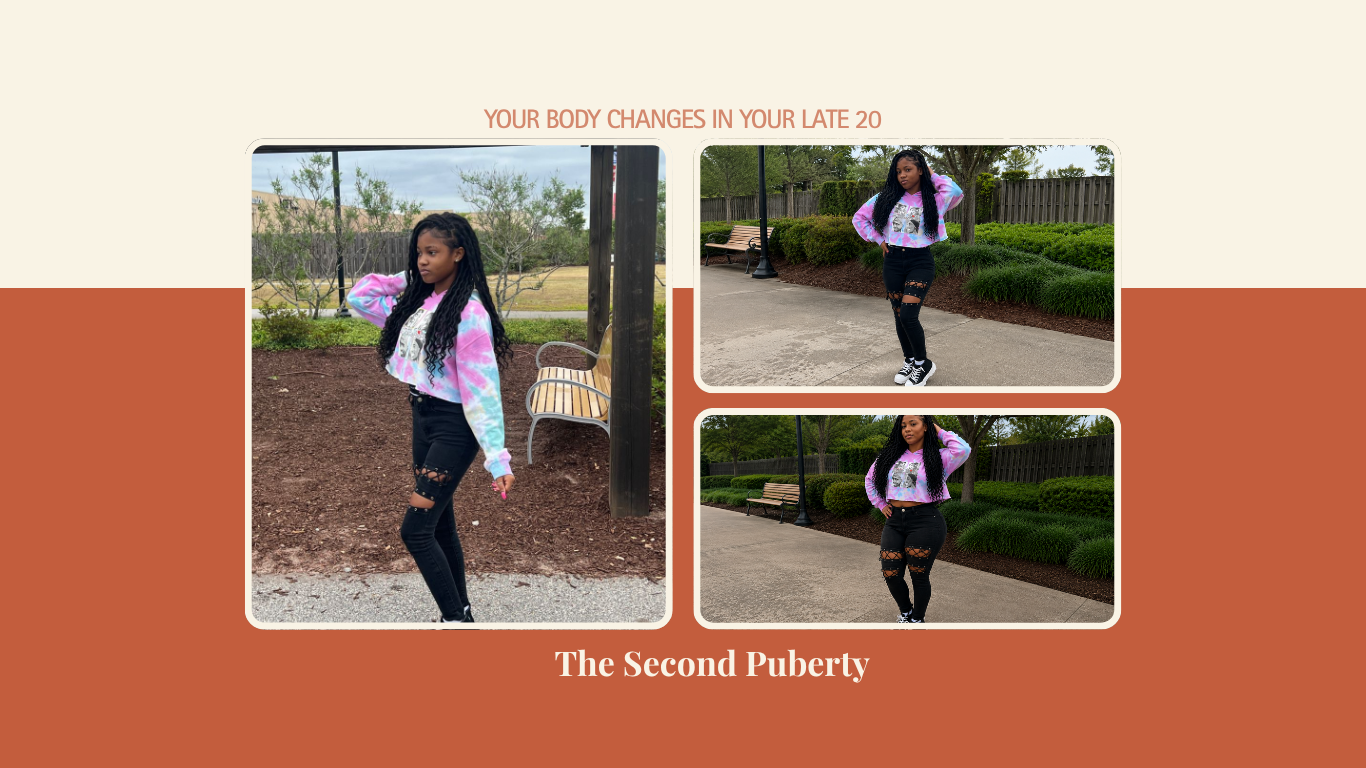
If you’ve hit your late twenties and feel like your body didn’t get the memo that adolescence is over, we feel you. Many women experience a phase called “second puberty,” where some hormonal and emotional changes occur in a woman.
This doesn’t mean anything is wrong; your body is shifting gears. The Wellness Guide says that you need to know your body, and one way to do that is to be able to see these changes for what they are. Once you understand the medical logic behind body changes in your late 20s and hormonal shifts, you will feel less anxious about what your body is experiencing.
What “Second Puberty” Means
“Second puberty” isn’t a medical term, but it’s a good way to talk about a real and well-known time of change that many women go through in their late twenties. Unlike teenage puberty, this phase is quieter. There’s no sudden growth spurt, but there are gradual shifts in hormones, metabolism, body composition, and emotional regulation.
Research shows that hormone levels don’t remain static throughout adulthood. Estrogen, progesterone, thyroid hormones, and stress hormones continue to fluctuate over time. These physical changes for women can affect their energy levels, appetite, sleep quality, mood, and even how their bodies respond to exercise.
Another study on hormone production finds that levels of oestrogen, progesterone, and related hormones vary naturally with age and through life stages, and that changes in thyroid hormones can also influence menstrual cycle dynamics and how the body responds to stress and energy demands
Many women also notice increased self-awareness during this period. You may feel more emotionally reflective, less tolerant of chronic stress, or more aware of your physical limits. These shifts often coincide with life pressures, career stabilization, relationship changes, and financial responsibility increases, which often constitute the pressures women carry mentally every day.
Hormonal Changes in Your Late 20s

Image: Freepik
One of the most noticeable drivers of second puberty is hormonal adjustment. In your late twenties, hormonal shifts can become more apparent, particularly in how your body responds to stress, sleep deprivation, and diet.
Estrogen and progesterone continue to fluctuate across your cycle, but many women notice stronger premenstrual symptoms, changes in cycle regularity, or heightened sensitivity to stress. Cortisol, the body’s primary stress hormone, can also become more influential during this stage. In addition to these, research also shows that prolonged stress can disrupt hormonal balance, affecting energy, mood, and physical resilience.
PubMed notes that thyroid function, which plays a key role in metabolism and energy, can also subtly shift, making fatigue or weight changes feel more noticeable. These experiences fall well within the scope of normal late twenties health, even though they can feel unfamiliar if your early twenties felt more predictable.
Body Composition and Metabolism Shifts
Another hallmark of second puberty is how your body handles weight, muscle, and energy, according to research. Many women notice that their metabolism feels slower, even if their habits haven’t changed much. This doesn’t mean your body is “working against you.” It reflects natural body changes in the late 20s linked to muscle mass, hormonal balance, and lifestyle demands.
Harvard Health notes that muscle mass can decrease slightly if strength training isn’t prioritized, while fat distribution may shift toward the hips, thighs, or abdomen. Hormones and activity levels both influence these physical changes for women. As we get older, it becomes more important to maintain muscle mass through regular movement.
Energy management also becomes more relevant. Late nights, inconsistent meals, or skipping rest may have felt manageable earlier in life, but during this phase, your body tends to push back harder when you make such moves.
Emotional and Cognitive Changes
Second puberty isn’t just physical. Many women report emotional shifts that include increased self-reflection, heightened emotional awareness, and changes in focus or motivation. Anxiety can feel more pronounced, particularly during high-pressure periods.
Psychological research shows that emotional regulation continues to develop into adulthood. Combined with hormonal changes, this can make emotions feel closer to the surface. These experiences are part of broader late twenties health, not a personal failing or loss of resilience.
You may also find yourself reassessing priorities, relationships, and boundaries. If mental fatigue has been creeping in, you should do some introspection and find out the habits that are causing you mental exhaustion so that you can fix them. The last thing you need right now.
Habit 1: Prioritise Balanced Nutrition
Supporting second puberty starts with nourishment. During this phase, your body benefits from consistent, balanced meals that stabilize blood sugar and help maintain energy and hormone levels.
A healthy, balanced diet provides the nutrients your body needs to function well, including protein, healthy fats, complex carbohydrates, and a variety of vitamins and minerals, which together support everything from metabolism to mood and even include foods that boost your immune system.
The NHS Eatwell Guide explains that eating a wide variety of whole foods across all major food groups and staying hydrated helps your body get the range of nutrients it needs for good health.
Eating regularly and intentionally, rather than skipping meals or relying on highly processed foods, helps your body adapt to body changes in the late 20s with less strain and supports overall well-being.
Habit 2: Maintain Regular Physical Activity
Movement plays a protective role during the second puberty. Strength training supports muscle mass and metabolism, while cardiovascular activity helps regulate mood and stress hormones. Flexibility and posture work to support joint health and reduce physical tension.
These habits directly support physical changes for women by improving insulin sensitivity and hormonal balance. According to NHS guidance, regular activity also improves sleep quality and emotional well-being, which become more valuable during this stage. This emphasizes that there are benefits of exercise besides weight loss that you can plug into right now!
Habit 3: Sleep and Stress Management
Sleep is a very important aspect of health in the late twenties. Sources have it that hormonal regulation, cognitive clarity, and emotional resilience all depend on adequate rest. Chronic sleep deprivation can intensify hormonal shifts, making fatigue and mood changes feel more severe.
Stress management matters just as much. Practices like mindful breathing, gentle routines, or even intentional downtime help regulate cortisol levels. If exhaustion feels constant, you may need to dive deep and find out why you feel exhausted all the time.
Habit 4: Body Awareness and Self-Care
Second puberty invites a deeper relationship with your body. Routine health checks, cycle tracking, and paying attention to early signals help you respond proactively rather than reactively.
Skin, hair, and digestion may all change slightly during this phase. These are part of normal late twenties health patterns. Listening to your body, instead of overriding it, builds long-term resilience and confidence and is part of the routines of general healthy living.
How Understanding These Changes Helps You
Awareness helps transform the anxiety you would ordinarily feel into agency. When you understand second puberty, you’re less likely to panic over normal fluctuations and more likely to support your body thoughtfully.
Women who recognize body changes in their late 20s often report reduced stress, better self-trust, and improved emotional clarity. Knowledge allows you to make empowered choices around rest, movement, and nourishment without chasing unrealistic standards.
Small Steps for Daily Management
You don’t need to overhaul your life. Start small:
- Track your cycle or energy patterns
- Eat regularly and hydrate well
- Move your body most days
- Protect sleep where possible
- Reflect weekly on what your body is asking for
Gradual habits, not perfection, help you navigate these physical changes for women with confidence. Structure definitely helps, so building a wellness routine you’ll actually stick to is key for sustainable results.
Rounding up, second puberty is a normal, often unspoken phase of womanhood. The changes you notice in your late twenties reflect growth, adaptation, and evolving needs, not decline. With awareness, self-care, and compassion, this stage can become a foundation for stronger health and deeper self-trust. Small, consistent choices make all the difference.
FAQs
1. What is second puberty?
Second puberty refers to the physical, hormonal, and emotional changes many women experience in their late twenties as the body continues to adapt and mature.
2. Are body changes in the late 20s normal?
Yes. Body changes in late 20s are common and often linked to hormones, metabolism, and lifestyle demands.
3. How do hormonal shifts happen in your late 20s?
Hormonal shifts occur as estrogen, progesterone, cortisol, and thyroid hormones adjust over time.
4. Can lifestyle habits ease these changes?
Absolutely. Nutrition, movement, sleep, and stress management support late-twenties health effectively.
5. How does metabolism change in your late 20s?
Metabolism may slow slightly, making muscle maintenance and energy balance more important.
6. Should I see a doctor about these changes?
Feel free to see a doctor if symptoms start to feel severe, persistent, or disruptive.

Staff writer at Women Digest covering beauty, fashion, wellness and life.