For the longest time, you’ve been battling frizz. You’ve tried every product you can think of, but nothing has helped. Even after the miracle shampoo that your friend suggested, your hair still feels like straw. Perhaps you’ve moved house, and your skin is suddenly acting like a rebellious teenager? It is so easy to blame yourself, to think you aren’t washing your face well enough, or that you’ve picked the wrong products.
But here’s something to know: your skin and hair don’t exist in a vacuum. Where you live, work, and even the air you breathe while you sleep are constantly interacting with your body. In many cases, the environment affecting skin and hair is the hidden culprit behind those stubborn beauty frustrations. It isn’t about a lack of effort on your part; it’s about the silent factors in your surroundings that your current routine might not be addressing yet.
Why Your Environment Matters More Than You Think
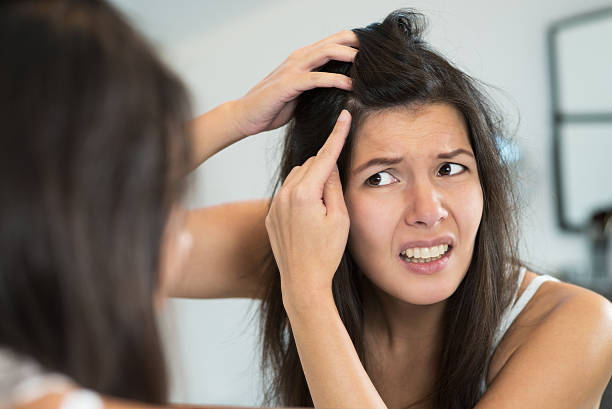
Image: istockphotos
Think of your skin and hair as living, breathing sensors. They are your body’s first line of defense against the world. Because they are reactive systems, they are constantly adjusting to external stimuli. While we often focus on occasional treatments, like a luxury face mask or a salon deep condition, these are just a few minutes of care compared to the 24 hours a day your body spends battling external elements.
Daily exposure is cumulative. A little bit of London smog or a week of blasting the central heating in a chilly Scottish winter might not seem like much, but over time, these factors can overwhelm your skin’s natural barrier and your hair’s protective cuticle.
Internal Care vs. External Exposure

Image: istockphotos
We’ve all heard that beauty comes from within, and while nutrition and hydration are vital, they aren’t the whole story. You can drink three liters of water a day and eat all the kale in the world, but if you are washing your hair in heavy mineral-rich water or walking through high-traffic pollution every morning, your environment can effectively override your good habits.
This is often why people feel like their skincare stops working. It’s not that the ingredients changed; it’s that the external load on your skin increased, and your routine needs an upgrade to keep up.
Key Environmental Factors

Image: istockphotos
Pollution and Its Effect on Skin and Hair
If you live in a city, pollution and skin health are inextricably linked. Particulate matter (tiny bits of soot, smoke, and dust) is often much smaller than your pores. These particles can wedge themselves deep into the skin, leading to oxidative stress. This breaks down collagen and causes premature aging, dullness, and those annoying, unexplained breakouts.
For your hair, pollution acts like a magnet for grime. It coats the hair shaft, making it feel heavy and look dull. Even worse, pollutants can irritate the scalp, leading to itching or even contributing to thinning over time.
Hard Water and Mineral Buildup
Is my tap water damaging my hair? It’s a question many women in the UK ask, especially in the South and East of England. Hard water is packed with minerals like calcium and magnesium. These minerals create a film on the hair that prevents moisture from getting in. This is why your hair might feel crunchy or coated even after using a high-end conditioner. On the skin, these minerals can disrupt the pH balance, leading to dryness and sensitivity.
Climate, Weather, and Seasonal Shifts
Our skin loves stability, but the British weather is anything but stable. Sudden drops in temperature cause blood vessels to constrict, leading to a duller complexion. High humidity can trigger excess oil production and frizz, while low humidity (like those crisp, dry winter days) sucks the moisture right out of your skin cells.
Indoor Environments You Forget About
We spend about 90% of our time indoors, yet we rarely consider the microclimate of our homes and offices. Air conditioning and central heating are notorious moisture thieves. They create an environment with incredibly low humidity, which is a recipe for winter itch and brittle hair ends. Recycled air in offices can also carry dust and allergens that keep your skin in a state of low-grade irritation.
The Hidden Signs
These signs from the environment damages your skin.
When Environmental Damage Looks Like Bad Skin
It’s easy to misdiagnose environmental damage to skin as just having a bad skin type. You might think you’ve suddenly become acne-prone, but if those breakouts are accompanied by redness and a stinging sensation when you apply moisturizer, it’s likely an environmental barrier issue, not traditional acne. Uneven texture and a grey cast to the skin are also classic signs that your environment is taking a toll. This is why understanding broader health patterns matters, especially with how early detection systems are evolving today.
How Environment Shows Up in Your Hair
When it comes to how the environment affects hair health, the signs are usually tactile.
- Frizz is often just your hair reaching out to grab moisture from the humid air because it’s dry inside.
- Breakage occurs when environmental stressors (like UV rays or hard water) make the hair lose its elasticity.
- Loss of shine happens when the hair cuticle is roughened up by mineral buildup or wind damage, preventing it from reflecting light.
PRACTICAL ADJUSTMENTS
You don’t need a 20-step routine, but you do need a responsive one.
- Antioxidant Support: Use a Vitamin C serum in the morning. Think of it as an invisible shield that neutralizes pollution particles before they can damage your cells.
- Barrier Repair: If you live in a harsh climate, look for products with ceramides and fatty acids. These glue your skin cells back together.
- Double Cleanse: If you’ve been out in a city, a single wash might not be enough to remove the oily layer of pollution and SPF.
Protecting Your Hair From Environmental Stress
- Chelating Shampoos: If you have hard water, use a clarifying or chelating shampoo once a week to strip away the mineral buildup. It can help to repair your dry hair.
- Seal the Cuticle: Use a cold-water rinse at the end of your shower and apply a light hair oil to the ends to create a physical barrier against wind and pollution.
- Hats and Silks: On windy or very sunny days, a silk scarf or a hat isn’t just a fashion choice, it’s a physical shield for your hair health.
Release Self-Blame Beacause It’s Not a Personal Failure
I want to take a moment to reassure you: if your skin or hair isn’t perfect, it is not a reflection of your worth or your hygiene. We live in an increasingly complex world where our bodies are constantly being challenged by things we cannot see. Normalizing the influence of your surroundings is a huge step in Beauty Burnout recovery. You aren’t failing at beauty; you are simply navigating an environment that is sometimes a bit harsh.
Working With Your Environment, Not Against It
Awareness is your greatest tool. Once you realize that the dryness is coming from the office AC and not your bad genes, you can stop over-exfoliating and start hydrating. It’s about being responsive. On days when the pollution index is high, maybe you do a deeper cleanse. On days when the wind is biting, maybe you use a thicker balm. This long-term mindset shifts you from a place of frustration to a place of empowered care.
Wrapping up, your environment plays a quiet but incredibly powerful role in how you look and feel. By understanding how factors like pollution, hard water, and indoor heating affect your skin and hair, you can stop the cycle of self-blame and start making choices that actually work. Real beauty isn’t about fighting nature; it’s about learning to live in harmony with your surroundings. When you treat your routine as a responsive, evolving system, you’ll find that glow is much easier to maintain, no matter what the British weather throws at you.
FAQs
1. Can pollution really damage skin and hair?
Yes. Pollution creates oxidative stress, which breaks down collagen and irritates the scalp. It can lead to premature aging, clogged pores, and dull, brittle hair by coating the surfaces in microscopic grime.
2. How does hard water affect hair health?
Hard water contains minerals that create a film on the hair shaft. This buildup blocks moisture from entering, making hair feel dry, straw-like, and difficult to lather with soap.
3. Why did my skin change after moving cities?
A change in location usually means a change in water hardness, air quality, and even humidity levels. Your skin is likely reacting to a new pH level in the water or a different level of pollutants in the air.
4. Can the environment make skincare products stop working?
It doesn’t make the ingredients stop working, but it can create new problems that your current products weren’t designed to handle, like a damaged barrier from cold wind or clogged pores from increased pollution.
5. How do I protect my skin from environmental damage?
The best defense is a shield approach: use antioxidants like Vitamin C to fight pollution, a strong moisturizer to protect your barrier, and daily SPF to block UV damage.
6. Does indoor air affect skin and hair?
Surprisingly, yes. Central heating and air conditioning strip moisture from the air, which can lead to dehydrated skin and frizzy, static-prone hair.

Staff writer at Women Digest covering beauty, fashion, wellness and life.