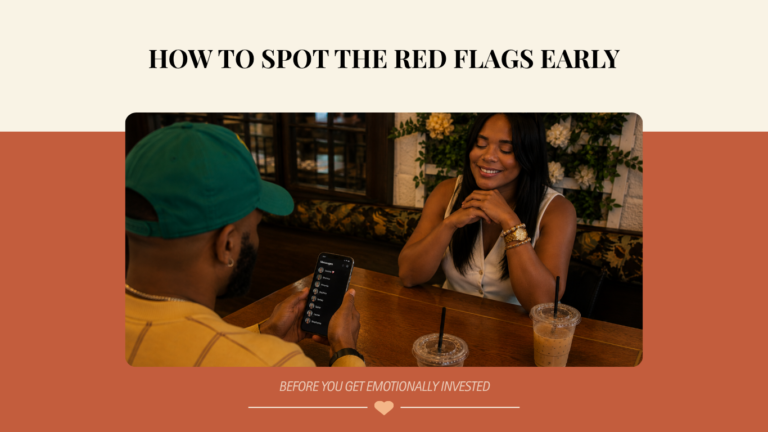
If you have ever reread a text more than once, noticed how long it took them to reply, or felt your mood shift based on a message that didn’t come, you are not petty. You’re human.
Now, there are various texting platforms, from WhatsApp and iMessage to Telegram, Facebook Messenger, and more. WhatsApp alone has about 3 billion active users globally, and the platform handles well over 100 billion messages per day on average. In modern dating and relationships, texting styles carry far more emotional weight than we like to admit.
What Your Texting Pattern Says About You
The key is learning how to read digital behavior as information, not proof. Because while texting patterns can reveal tendencies, they don’t tell the whole story, and mistaking one for the other is where confusion begins.
Why Texting Feels So Personal (Even When It is Not)

Image: istock
Texting creates emotional proximity without physical presence. A message lights up your phone, and suddenly someone feels close, even if they’re miles away or emotionally distant. Our brains are wired to look for cues: tone, timing, consistency, and effort. In face-to-face conversations, we get those cues naturally, such as facial expressions, body language, etc. In digital communication, silence fills the gaps. And silence rarely stays neutral. Our brain assigns meaning to it. That’s why digital communication in relationships can amplify both attachment and anxiety.
Texting removes tone, timing, and context, yet we’re often expected to read meaning into every pause, reply, or lack of one. Because of this, what some people now call “dating texting rules” have emerged, informal guidelines meant to help interpret behavior. For example, slow replies signal a lack of interest, quick replies mean emotional availability, double-texting feels desperate, emojis carry hidden meanings, and being left on “read” suggests intentional avoidance. Even response timing is analyzed: replying too fast can seem overeager, while replying too late is read as playing games.
A delayed reply becomes a question mark. A short message becomes a story. And before you know it, you’re not responding to a text, you’re responding to what you think it means. These interpretations may not always be accurate, but they quietly shape expectations, assumptions, and emotional reactions in modern dating. Decoding communication styles is a skill that also helps in understanding the latest creative shifts within the Western tech landscape, where interaction design is constantly evolving.
What Texting Patterns Actually Reflect
Texting isn’t just about preference or habit. Over time, it often reflects deeper things, like:
- Emotional regulation
- Availability and priorities
- Boundaries around attention
- Comfort with closeness and responsiveness
This is why texting behavior in relationships matters more than isolated moments. It’s not about how someone texts on a busy Tuesday. It’s about their communication patterns in dating over time. Patterns show how someone manages connection, not just how fast they type.
Common Texting Styles and the Personality Traits They Can Signal
This is not about labeling people or boxing them into types. It’s about noticing tendencies, including your own.
Consistent and Attuned Texters
These are the people who reply with steadiness. Not obsessively fast, not painfully slow. This can signal:
- Reliability
- Emotional awareness
- A desire for connection
- Sometimes, people-pleasing tendencies
They often value responsiveness because they value emotional continuity. The downside? They may overextend themselves to keep things smooth.
Intermittent or Unpredictable Texters
Replies come in waves. Engaged one day, distant the next. This can reflect:
- Strong autonomy needs
- Disorganisation or genuine busyness
- Avoidance patterns
- Emotional inconsistency
Sometimes it is life. Sometimes it’s discomfort with sustained intimacy. The difference shows up in follow-up conversations.
Minimalist Texters
Short replies. Few emojis. Straight to the point. This may indicate:
- Low digital reliance
- Preference for in-person connection
- Emotional economy
- Difficulty expressing feelings through text
Minimal does not always mean uninterested, but it does require compatibility and clarity.
Intense or Rapid Texters
Long messages. Quick replies. High energy. This can signal:
- Expressiveness
- Excitement-driven bonding
- Anxious attachment cues
- Stimulation-seeking
Intensity feels good at first. What matters is whether it is sustainable or just situational. Together, these patterns offer insight into texting styles and personality traits, not verdicts. They tell you how someone connects, not whether they’re good or bad at it.
There are myths that texting styles are tied to star signs or classic personality types like sanguine or melancholic, but there is no strong scientific evidence linking astrology or ancient temperament theories to how people text.
Astrology, including zodiac signs’ supposed influence on personality is considered a pseudoscience with no predictive validity when tested against standard personality measures like the Big Five traits. For example, large-scale research shows no meaningful association between zodiac sign and major personality dimensions such as extraversion or conscientiousness. Similarly, systems like sanguine, melancholic, choleric, and phlegmatic come from historical ideas about temperament rather than modern science and aren’t used in psychological research on texting behavior.
There are credible studies on actual personality traits and texting. or instance, research published in the Journal of Research in Personality found that measurable traits like extraversion, agreeableness, and neuroticism showed significant correlations with linguistic features in text messages, suggesting personality does influence texting style. But there’s no scientifically validated research showing that star signs or ancient temperaments reliably predict texting behavior.
What Texting Can Reveal About Emotional Availability
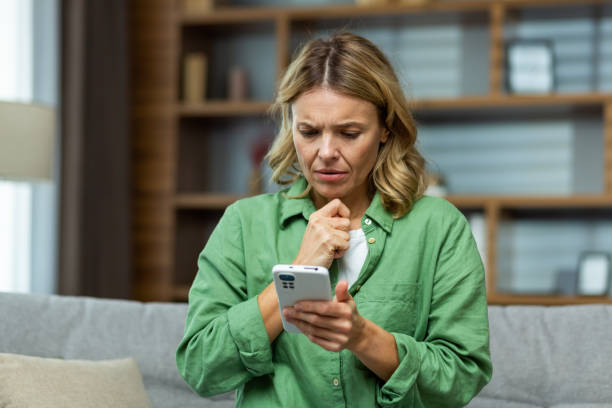
Image: istock
Texting becomes meaningful when you look beyond speed and into substance. Texting can quietly reveal a lot about emotional availability, not through constant messaging but through patterns. Consistent replies, clear communication, and follow-through often signal presence and intention, while vague responses, long unexplained gaps, or only engaging when it’s convenient can suggest emotional distance.
How someone texts,whether they acknowledge feelings, ask questions, or avoid meaningful conversations, can reflect their capacity to connect, regulate emotions, and show interest. While texting alone does not tell the full story, repeated behaviors over time often mirror how emotionally available someone is in relationships.
Emotionally available people tend to show:
- Follow-through, not just flirtation
- Curiosity about you, not just performance
- Repair after miscommunication
- Comfort with emotional tone, not avoidance of it
When Texting Patterns Are Red Flags (and When They’re Not)

Image: isock
A slow reply, missed text, or bad day of communication are not a red flag. Patterns are. Texting patterns become red flags when they show consistent emotional avoidance, not occasional delays or changes in routine.
Repeatedly disappearing without explanation, responding only when it is convenient, avoiding direct questions, or keeping conversations surface-level while expecting emotional access can signal a lack of availability or intention.
On the other hand, slow replies due to work, stress, or personal boundaries aren’t red flags when they’re communicated clearly and matched with effort over time. The key is pattern recognition: healthy texting feels predictable, respectful, and aligned with someone’s actions offline, while red-flag texting creates confusion, anxiety, and a constant need to interpret meaning.
Red flags tend to look like:
- Chronic inconsistency
- Disappearing when conversations get real
- Hot-and-cold dynamics that keep you guessing
- Zero repair after misunderstandings
At the same time, context matters. Culture matters. Neurodiversity matters. Busy seasons happen. This is why you observe over time instead of reacting in the moment.
Why We Overinterpret Texting (and How to Ground Yourself)

Image: istock
We overinterpret because texting triggers projection and fantasy. A message gives just enough information for your imagination to fill in the rest. Add attachment activation and dopamine loops, the anticipation, the notification buzz, and texting starts to replace real connection.
Grounding yourself means:
- Pausing before reacting
- Not assigning meaning while dysregulated
- Returning to embodied information, like how you feel after interactions, not during anticipation.
Texting is data, not destiny.
Using Texting Information Without Building Stories
A healthy interpretation looks like this:
- Watching patterns, not moments
- Pairing texts with in-person behaviour
- Clarifying instead of decoding
- Regulating before analysing
- Choosing curiosity over conclusions
Sometimes the healthiest question is not “What does this text mean?” It is “How do I feel in this dynamic?”
What Matters More Than Texting Style

Image: istock
Texting style is just one piece of the picture. What matters more than texting styles is consistency, clarity, and alignment between words and actions. Someone’s response time, emoji use, or message length matters far less than whether they show up when it counts, communicate honestly, and follow through on what they say.
Texting styles can vary based on personality, schedule, or stress, but intention is revealed through reliability, emotional presence, and respect over time. In healthy relationships, texting supports connection, it doesn’t replace effort, accountability, or real-world behavior.
What matters more is:
- How you feel over time
- Emotional safety
- Ability to repair after conflict
- Consistency across contexts
- Respect for boundaries
A perfect texter who leaves you anxious isn’t better than an imperfect one who shows up consistently. Someone’s texting ability shouldn’t be the highlight of a relationship.
In conclusion, texting patterns can reveal tendencies, not truth. Speed matters less than consistency. Emotional impact is valid data. And clarity will always beat constant decoding. Digital behavior is one piece of the relational puzzle. Useful, yes. Definitive, no. You are not wrong for paying attention. Just make sure you’re listening to patterns, not building stories where conversations should exist.
FAQs
1. What do texting patterns reveal about personality?
They can reflect emotional regulation, boundaries, and availability — but only when viewed over time.
2. Can texting style show emotional availability?
Yes, especially through consistency, repair, and presence — not speed alone.
3. Should I judge a relationship by texting habits?
Texting is one data point. Pair it with real-life behavior before deciding.
4. Why does someone’s texting affect me so much?
Because texting activates attachment and anticipation. It’s not weakness—it’s biology.
5. What are healthy texting patterns in dating?
Consistency, clarity, repair, and respect for boundaries.
6. Can texting styles change over time?
Absolutely. As comfort, trust, and routines develop, so do communication habits.

Staff writer at Women Digest covering beauty, fashion, wellness and life.