For decades, fitness advice treated bodies like machines that should perform the same way every day. Push harder! Be consistent! Ignore discomfort! But if you’ve ever wondered why some weeks your workouts feel amazing and other weeks they feel impossible, your menstrual cycle may be the missing piece.
This article serves as a guide to break down workouts for each phase of the menstrual cycle, explain why certain movements feel better at different times, and help you build a period-friendly workout routine you can actually stick to. A menstrual cycle workout plan adapts exercise to your hormones, energy levels, and recovery needs across the month. Instead of fighting your body, you learn to cooperate with it.
What is Cycle Syncing?
Cycle sync workout involves adjusting the type and intensity of your exercise to align with the different phases of your menstrual cycle. Your menstrual cycle isn’t just about your period. It’s an average of 28-day hormonal rhythm that affects your energy levels, strength, motivation and mood.
Trying to follow the same intense workout plan every day can lead to burnout, injury, or frustration. Instead of following the same routine all month, you can work with your cycle, exercising in a way that becomes less about forcing results and more about building consistency, strength, and trust in your body over time.
Menstrual Cycle Workout Plan
To understand workouts for phases of the menstrual cycle, let’s start with the basics. The four distinct phases of the menstrual cycle;
- Menstrual Phase (Days 1–5)
- Follicular Phase (Days 6–13)
- Ovulatory Phase (Around Days 14–16)
- Luteal Phase (Days 17–28)
Each phase calls for a different menstrual phase workout style.
Week 1: Menstrual Phase (Your Period)
Your body is shedding its uterine lining. Iron levels may dip, and inflammation can be higher. As a result, you may feel tired, crampy, and low energy.
People usually ask if it’s okay to exercise during their period? The answer is “Yes, if you want to”. Not just that, menstrual phase workouts are beneficial in boosting blood flow, reducing cramps, and improving your mood.
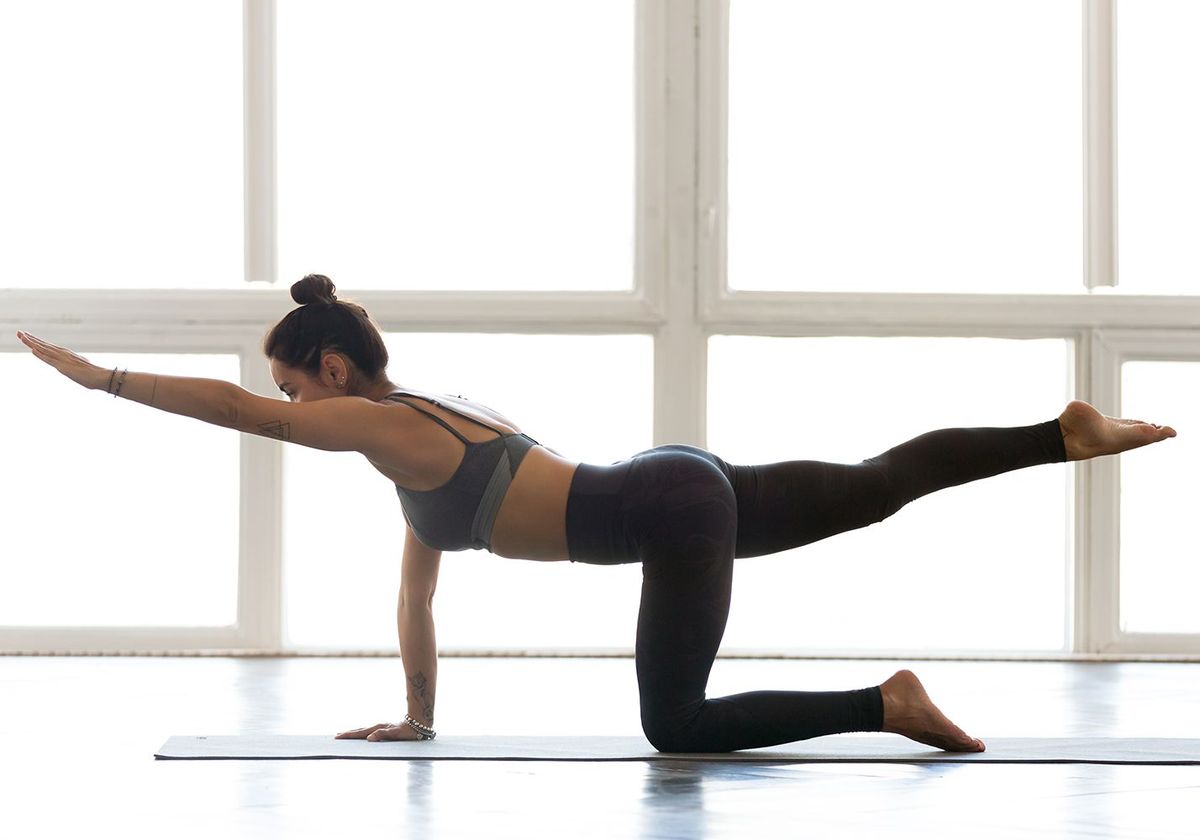
Best Workout for Menstrual Cycle (Menstrual Phase)
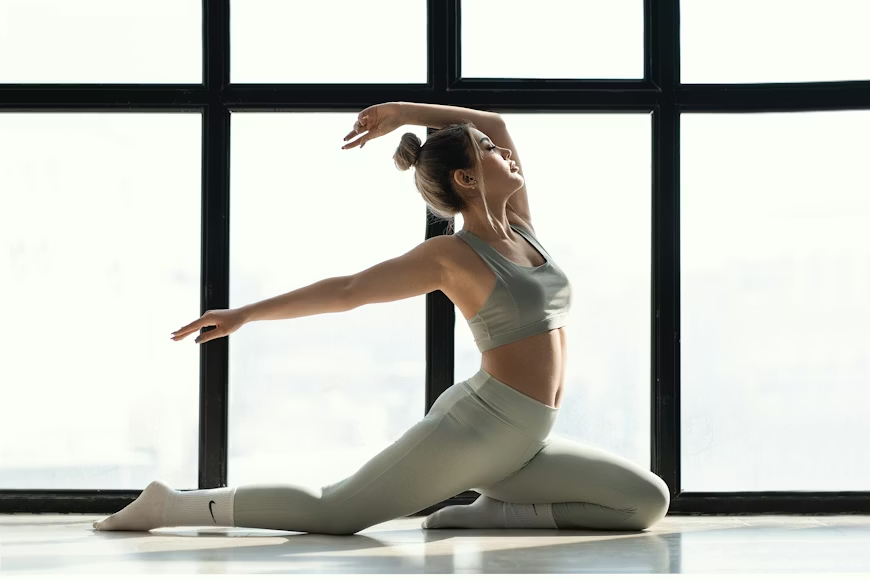
Image: Unsplash
- Gentle yoga (especially hip openers and twists)
- Light cardio like walking (short, easy-paced walks), cycling or swimming.
- Breathwork or Pilates
These movements increase circulation and reduce cramps without overtaxing your system. During this period, rest is a strategy. If all you can manage is a 10-minute stretch, that counts.
Week 2: Follicular Phase (Post-Period Power-Up)
Estrogen begins to rise, supporting muscle growth, coordination, and recovery. This is when your body becomes more responsive to training. During the follicular phase, you may feel lighter, optimistic, mentally sharp, and highly motivated. You literally feel energy rising. This is the most powerful window for progress.
Exercise for Follicular Phase
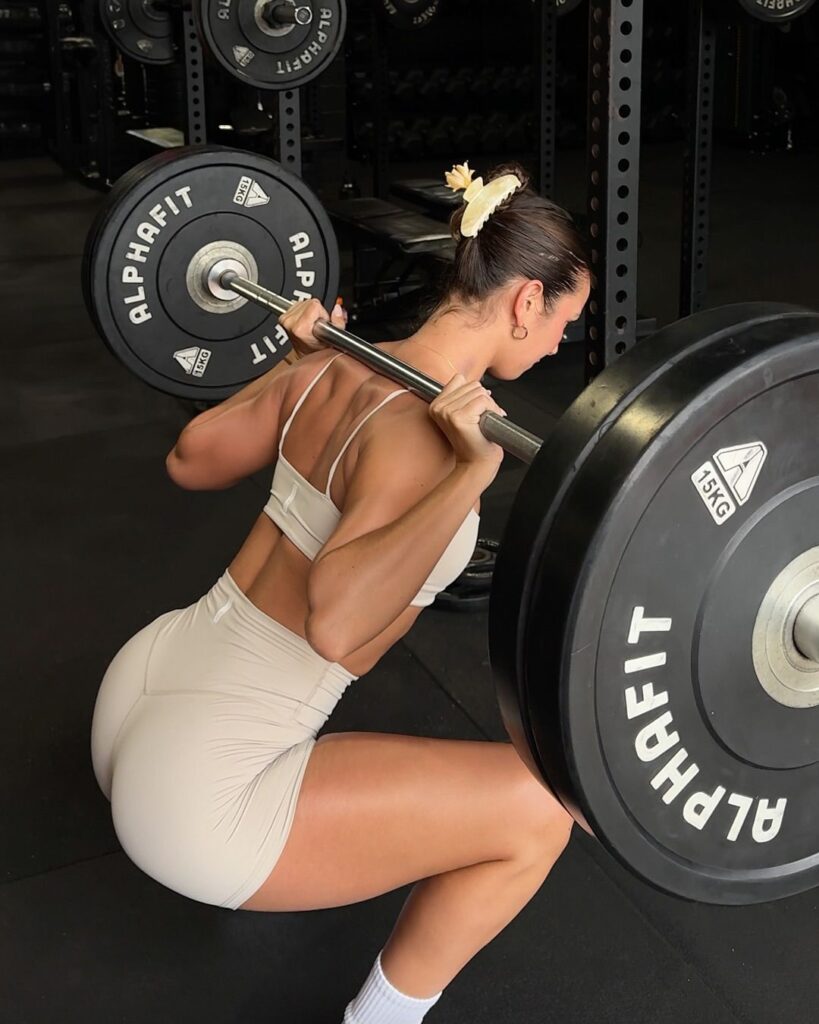
Image: Pinterest
- Strength training (moderate to heavy weights)
- Higher-intensity cardio like HIIT or circuit training, sprinting or fast running, cycling, or rowing.
- Dance workouts
- Learning new skills (boxing, barre, sports)
This is a great time to try new routines or push intensity slightly higher because your nervous system is primed for learning and adaptation. If you’ve ever wondered why some workouts suddenly feel easier, this phase explains it.
Week 3: Ovulatory Phase (Peak Performance)
Ovulation is your body’s peak performance window. Testosterone and estrogen are both high, supporting strength, speed, and stamina. During ovulation, you tend to feel confident, social and energetic. If you love chasing PRs, this is the moment.
Best Workout for Menstrual Cycle (Ovulatory Phase)

Image : Pinterest
- Heavy strength training
- Sprinting or speed work
- Power-based workouts (plyometrics, CrossFit-style sessions)
- Group fitness or competitive sports
This is the ideal phase for challenging workouts and social movement. Confidence and energy levels are high, which can tempt you to push too hard. Thus, caution is key—take time to warm up properly and prioritize good form, as injury risk can be slightly higher due to increased joint laxity.
Week 4: Luteal Phase (Slowing down, then resetting)
The luteal phase occurs after ovulation and before your period begins. During this phase, many people blame themselves for “losing motivation,” when in reality progesterone is rising and metabolism is changing. During the luteal phase, you may feel grounded at first, then fatigued, bloated, irritable, or unmotivated as PMS approaches.
It’s significant to avoid extremely long workouts or high-pressure fitness goals in this period, as slowing down now helps you start the next cycle stronger.
Best Workouts for Luteal Phase
The luteal phase workout is the most misunderstood. This can be classified as early luteal and late luteal.
Early luteal (first half)
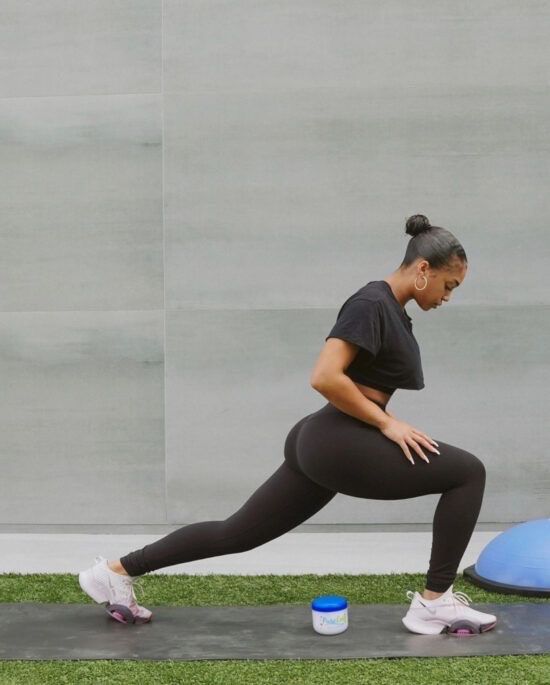
Image: Pinterest
- Strength training with lighter weights
- Steady-state cardio
- Pilates or barre
Late luteal (PMS window)

Image : Pinterest
- Light cardio like walking, gentle yoga, mobility work, or low-impact cycling.
These are the best workouts for the luteal phase because they support stress regulation instead of adding to cortisol overload.
How to Build a Workout Plan for Menstrual Cycle
Building a workout plan for your menstrual cycle means adjusting how you train based on natural shifts in hormones, energy, and recovery. The goal isn’t to do less, but to train smarter and more sustainably. To achieve this, you don’t need a perfect schedule. The best workout plan for menstrual cycle is flexible and intuitive.
Simple Weekly Framework
- Menstrual phase: Prioritize rest or light movement
- Follicular phase: Great time for strength training and learning new movements
- Ovulatory phase: Push intensity and performance
- Luteal phase: Focus on consistency rather than pushing limits
You can also track patterns instead of counting days; energy, mood, craving, sleep, workout performance. Over time, you’ll learn how to work out based on menstrual cycle cues rather than a calendar.
Benefits of Cycle Sync Workouts
Cycle sync workouts offer a more intuitive way to train by aligning exercise with the natural changes that happen throughout your menstrual cycle. Instead of pushing the same intensity every week, you adjust your approach based on how your body feels. People who adopt menstrual cycle workouts often report:
Better energy management
Your energy levels rise and fall during the month. Cycle syncing helps you take advantage of high-energy phases while respecting lower-energy ones, so workouts feel more doable and less draining.
Improved performance
Training harder when strength, power, and endurance are naturally higher can lead to better workouts and stronger results. Many people find it easier to hit PRs during peak phases of their cycle.
Reduced risk of burnout
Constantly pushing at full intensity can lead to fatigue and loss of motivation. Cycle syncing builds in recovery, which supports long-term consistency.
Reduced PMS symptoms
Consistent, well-timed movement also supports hormone regulation and endorphin release, which can help reduce cramps, improve sleep, and stabilize mood. Instead of pushing through discomfort, cycle syncing works with your body, often leading to milder PMS symptoms and a smoother transition into your period.
Lower injury risk
Being mindful of hormonal shifts (especially around ovulation), encourages better warm-ups, form, and recovery, which may help reduce strain on joints and muscles.
More sustainable routine
By adjusting intensity instead of quitting altogether, cycle sync workouts make it easier to stay active month after month.
Better relationship with your body
Cycle syncing promotes awareness rather than guilt. It helps you recognize that needing rest at certain times is normal, not a setback.
Overall, cycle syncing encourages smarter training that supports both physical progress and overall well-being.
How to Start Today
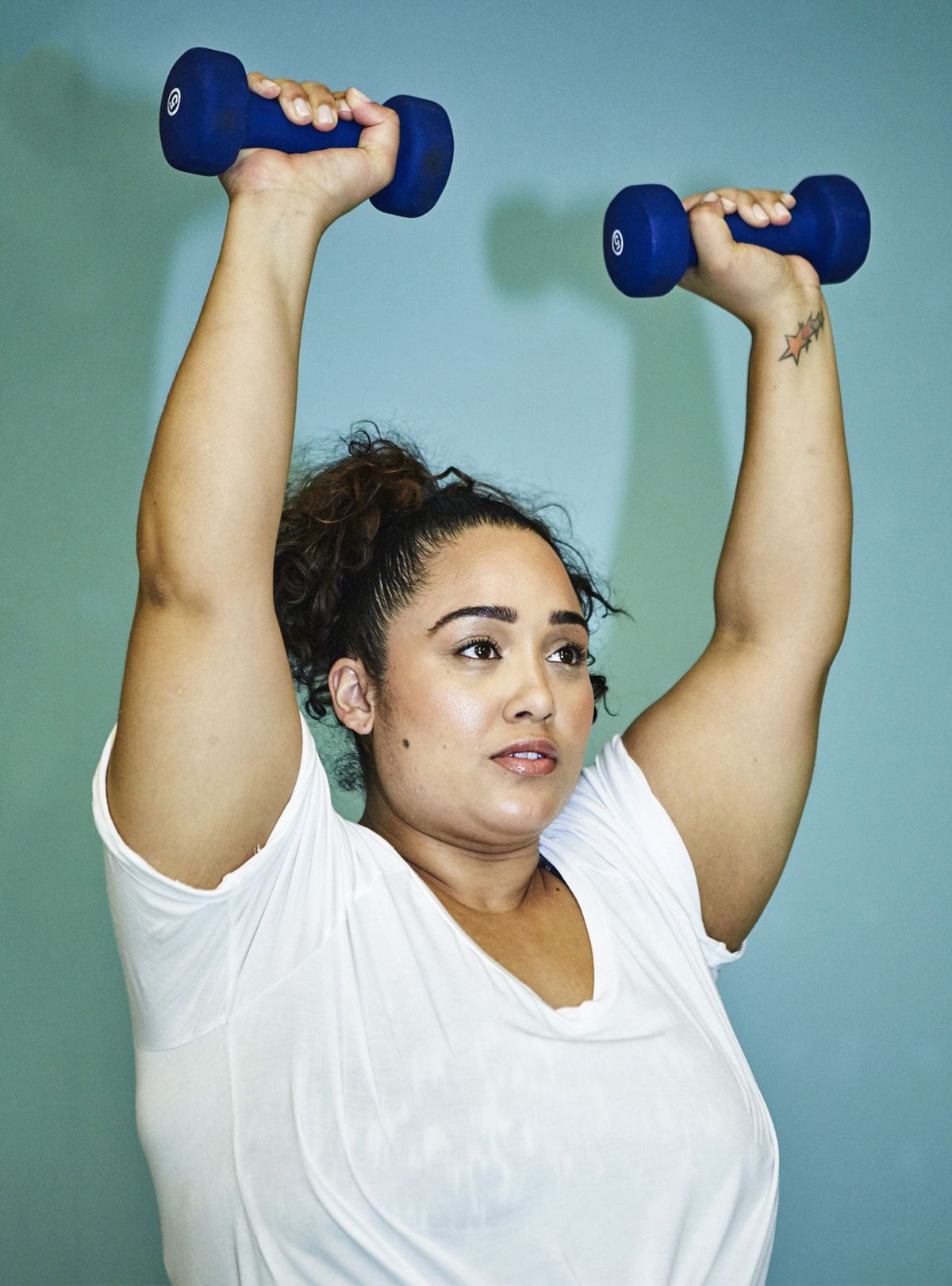
Image: Pinterest
- Track your cycle for one month
- Notice which workouts feel best in each phase
- Adjust intensity, not consistency
- Release the need for perfection
Concluding, cycle syncing isn’t about doing less. It’s about doing what works, at the right time. Period workouts don’t have to mean slowing down or skipping exercise altogether. Understanding workouts for each phase of the menstrual cycle enables you to rest when needed and rise when ready. Some weeks are better for pushing limits, while others are better for recovery, and both play an important role in progress. By adjusting your training to match each phase of your cycle, you can move in ways that feel supportive, effective, and sustainable.
The best workout for menstrual cycle health is the one that supports your hormones, your energy, and your life, not one that leaves you exhausted and discouraged.

Staff writer at Women Digest covering beauty, fashion, wellness and life.